What the Ø89 Conveyor Idler Actually Is
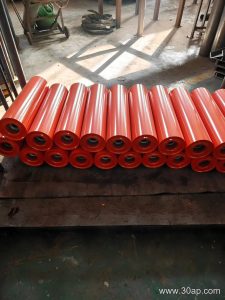
The Ø89 conveyor idler is a carrying or return roller with an 89 mm outside diameter, widely used on medium-duty belt conveyors. In a quarry or a coal-fired power plant, the idler roller sits under the conveyor belt and rotates with it, supporting the load and keeping the belt tracking. The Ø89 size is common on belts from B650 to B1000, but belt width and roller diameter are selected together with load, speed and troughing angle, not by a fixed rule.
How a Ø89 Idler Is Built
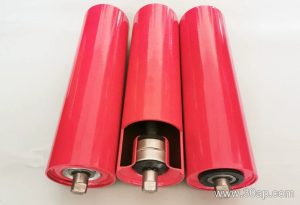
A typical Ø89 conveyor idler uses a steel tube shell, pressed end caps, a shaft, and sealed bearings. The shell surface can be plain steel, nylon, rubber rings for impact zones, or ceramic in abrasive service. Common bearing sizes for this diameter include 6204, 6205 and 6305, though the final choice depends on the shaft and load rating. Seals are usually labyrinth or contact type, which matters in dusty quarry and cement plant air.
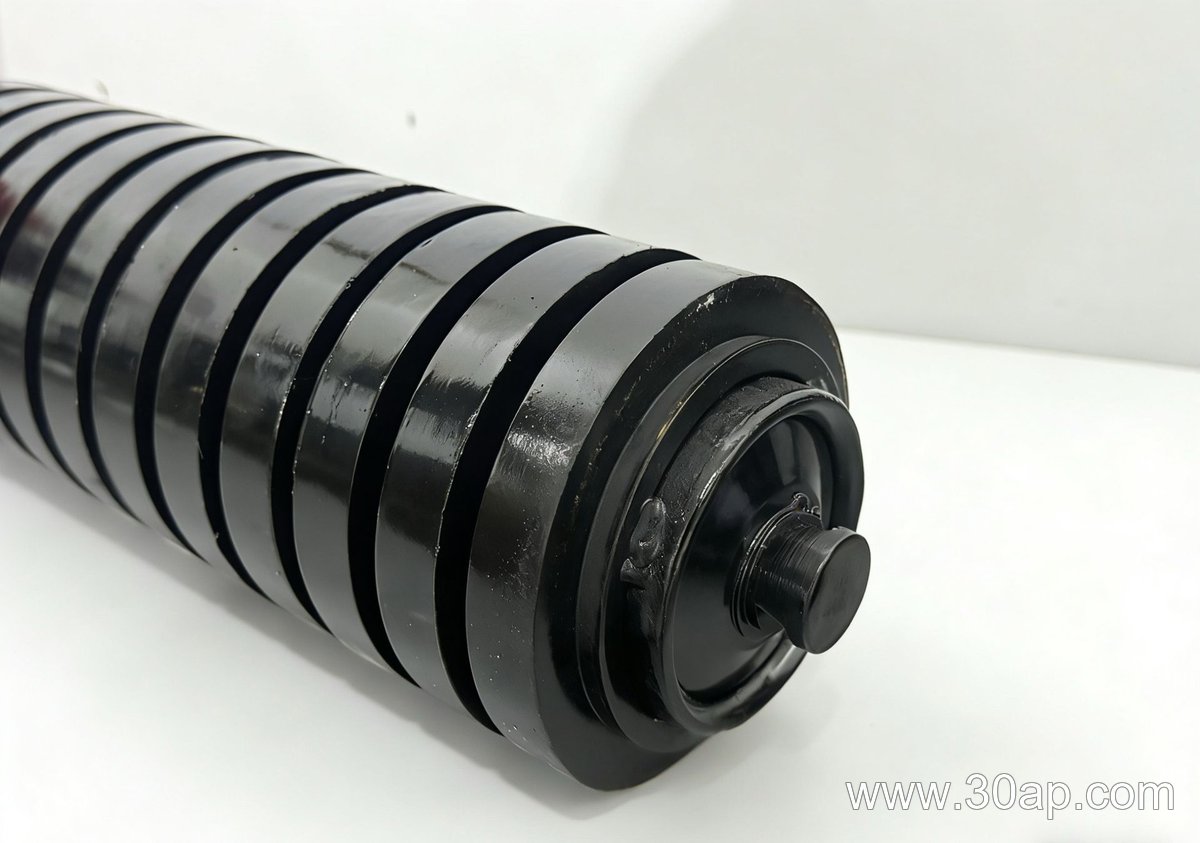
The idler is mounted in a conveyor bracket or frame. For a three-roll troughing set, the side rollers on a B800 belt are often around 315 mm long, while a B1000 set may use about 380 mm rollers. These figures are examples; the middle roller and side rollers can differ, and the trough angle (20°, 30°, 35° or 45°) changes the geometry. A forward tilt of about 1.5° to 2° is sometimes used on training idlers, not on every roller.
Where It Fits in the Conveyor Line
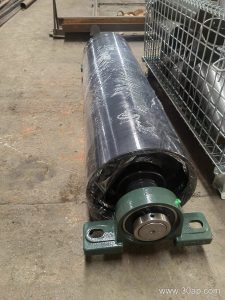
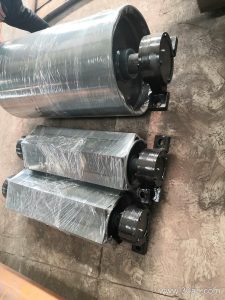
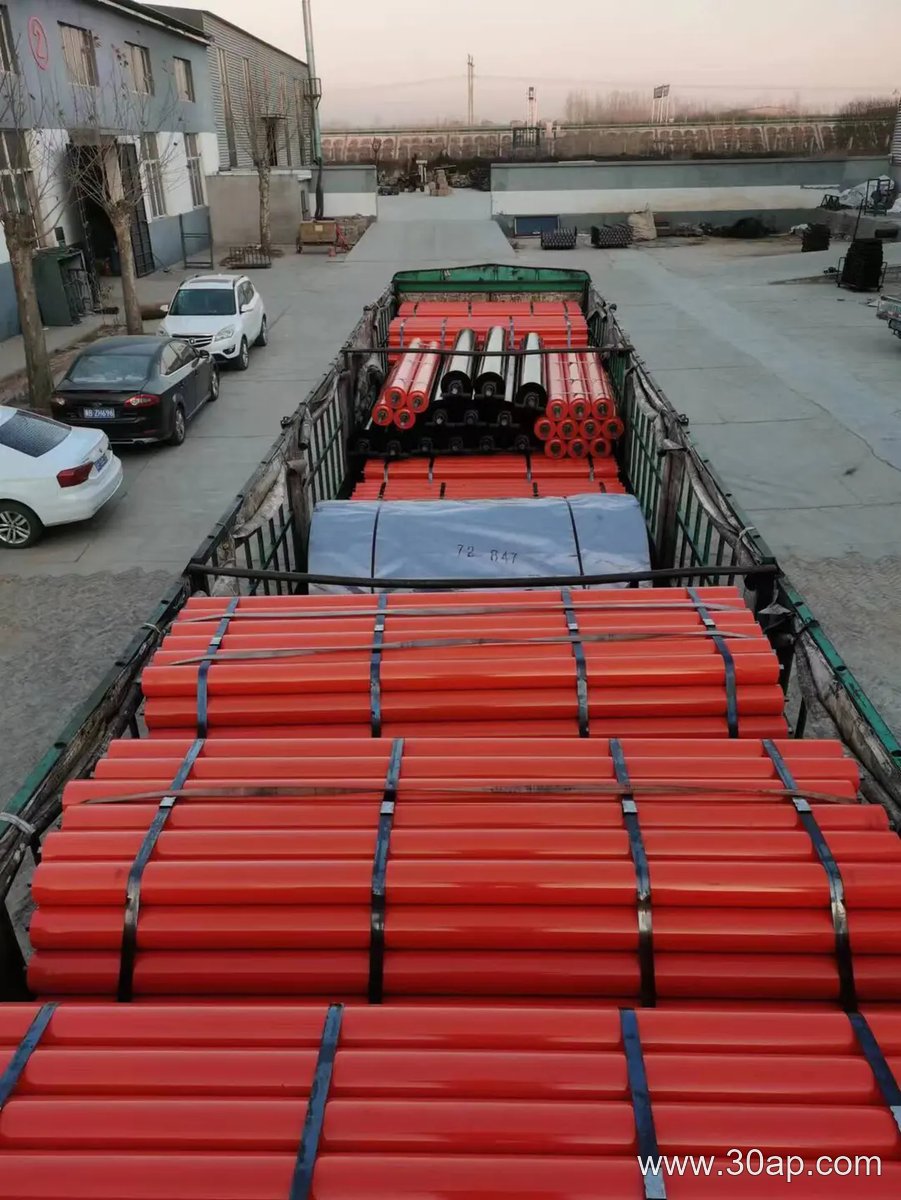
This idler appears in several positions. On the carrying side, it can be part of a single-roll, two-roll or three-roll troughing set. On the return side, a flat or V-shaped return idler supports the empty belt. In a crusher discharge or transfer point, rubber-disc impact idlers absorb falling rock. Self-aligning types, including friction and tapered models, correct belt drift on long overland lines. A conveyor pulley — drive, tail or bend — is a different component and is not a substitute for a carrying idler.
Applications Across Industries
You will see the Ø89 roller in sand and gravel plants, limestone mines, iron ore concentrators, washed coal plants, and power station coal yards. It also works in concrete batching, fertilizer handling and grain terminals where a moderate belt width is enough. In each case, the idler roller must match the conveyor belt speed, material lump size and ambient dust. A cement plant may prefer sealed bearings and nylon shells, while a tunnel muck line may need impact rollers at the loading point.
Selection and Maintenance Notes for Buyers
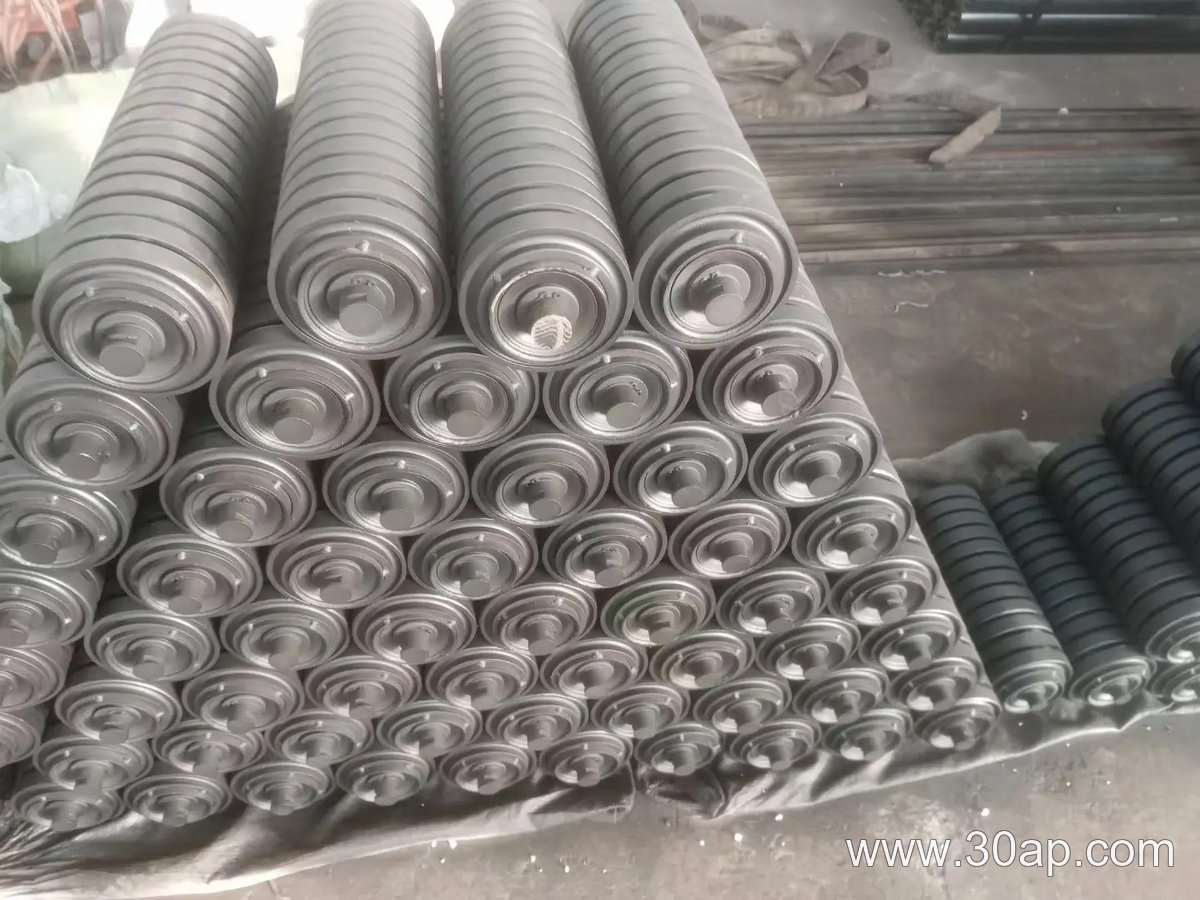
When specifying, confirm the roller diameter, shaft diameter, roller length, bearing seat and mounting type. The table below gives common reference values for Ø89 rollers on typical belt widths. Treat them as general examples, not as a universal supply promise.
| Belt width | Typical roller length (three-roll trough) | Common trough angle | Typical bearing |
|---|---|---|---|
| B650 | about 250 mm | 20°–35° | 6204 / 6205 |
| B800 | about 315 mm | 20°–35° | 6205 / 6305 |
| B1000 | about 380 mm | 30°–45° | 6305 / 6306 |
Buyers should also check the shaft end shape (flat, threaded or grooved), the bracket spacing, and whether the idler is for carrying, return or impact duty. During operation, listen for squealing, watch for belt wander, and replace any roller that stops turning. A worn idler roller can damage the conveyor belt and increase power draw. Keep spare rollers for critical drives, especially in remote quarry or port sites.
Keeping the Line Running
An Ø89 conveyor idler is a small but repeatable part of a bulk handling system. Choose the shell material, bearing and seal to suit the site, and match the roller to the belt and frame. Used that way, it helps the conveyor belt run straight, reduces spillage, and keeps maintenance predictable in mines, power plants and aggregate yards.