Why Shell Deflection Often Decides Bearing Life, Not Bearing Rating
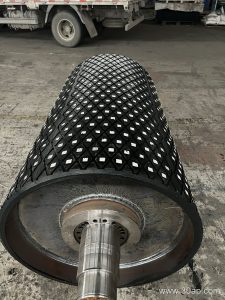
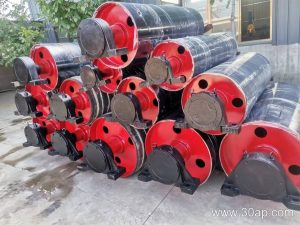
In a hypothetical bulk port terminal handling iron ore at 6,000 t/h, engineers might assume that selecting a conveyor pulley with the largest bearing bore is the safest route. In practice, the bearings often fail from misalignment caused by shell deflection under high belt tension. The pulley shell acts as a simply supported beam between the end discs; if its transverse stiffness is too low, the shell bows, the end discs tilt, and the bearing seats lose parallelism.
Assumptions for the Example
- Belt tension: 400 kN total, evenly split between two bearings.
- Pulley face width: 2,200 mm; shell diameter: 1,250 mm; shell thickness: 25 mm.
- Shell material: mild steel with a modulus of elasticity of 200 GPa.
- Bearing centers are 2,600 mm apart.
Decision Path and Trade-Off
A quick check of deflection under the belt load shows that a 25 mm shell would deflect about 1.2 mm at mid-span. That is enough to tilt each end disc by roughly 0.05 degrees, which can reduce bearing life by a factor of two or more in a contaminated port environment. Increasing shell thickness to 40 mm reduces deflection to about 0.45 mm, but adds mass and cost. The better engineering decision might be to keep the 25 mm shell and add internal stiffening rings, or to shorten the bearing centers. Each option changes the conveyor pulley’s dynamic response and must be checked against the shaft and locking assembly.
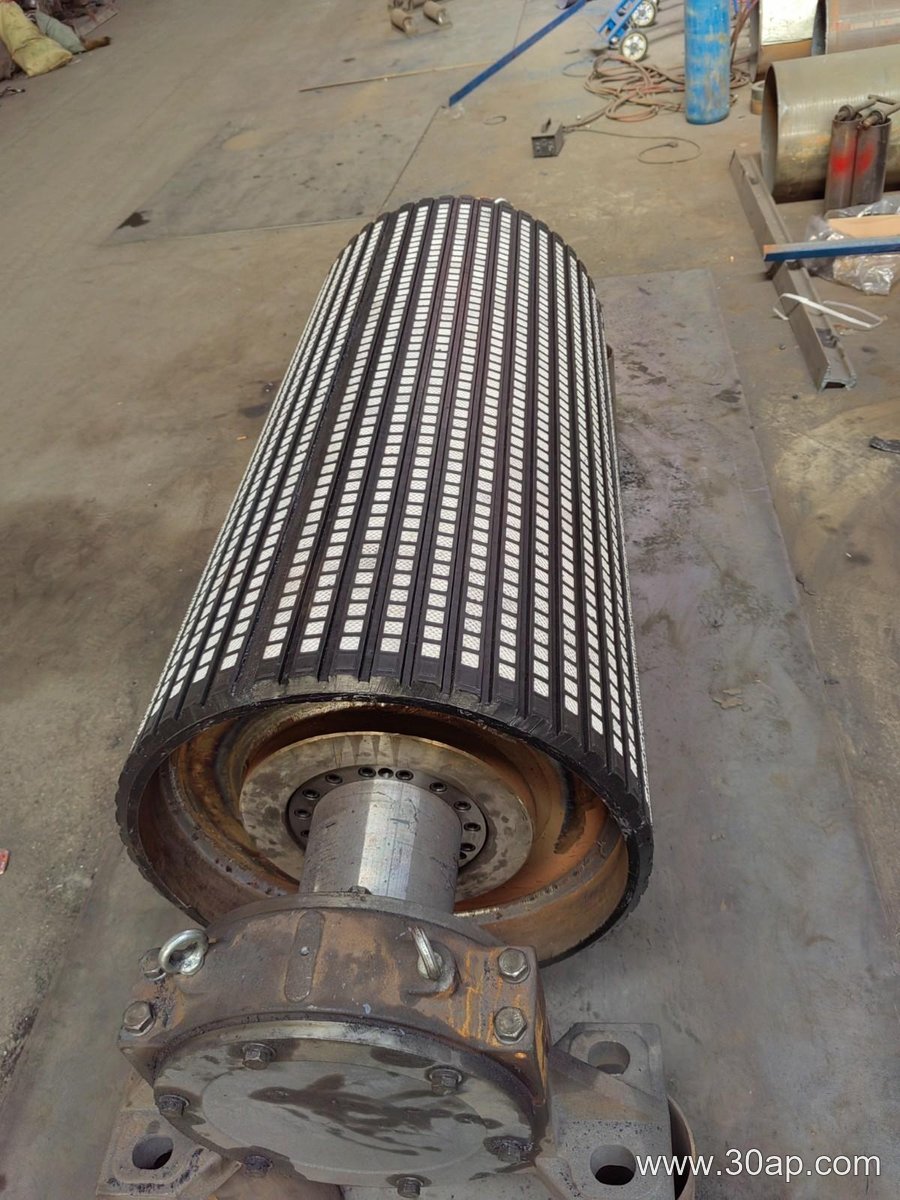
This hypothetical example shows that conveyor pulley selection is not just about diameter and lagging; shell stiffness is a direct input to bearing alignment and service life.
What Should a Conveyor Bracket Specification Include Before You Request Quotes From Chinese Suppliers
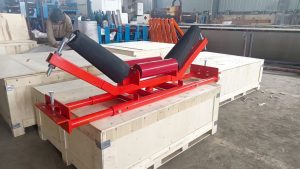
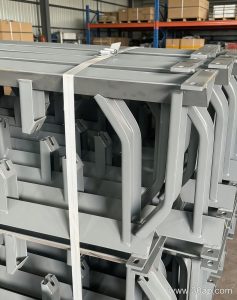
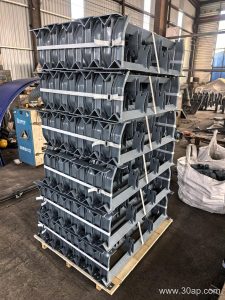
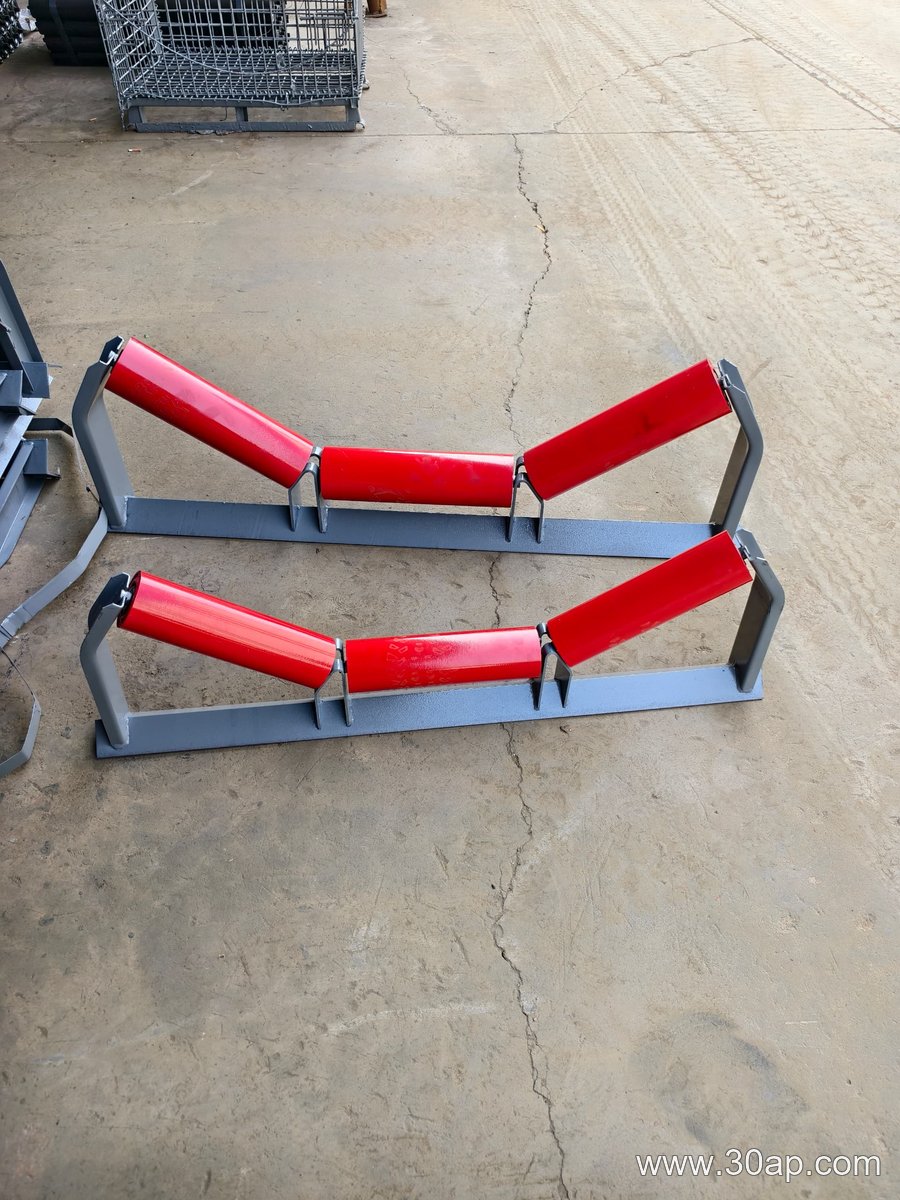
A common misconception is that a conveyor bracket is a commodity item that can be ordered from a photo and a belt width. In practice, a conveyor bracket transfers idler loads into the conveyor stringer, so its geometry, material and hole pattern must be defined before a supplier can quote meaningfully.
Define the conveyor bracket interface first
Start with the mounting interface: bolt hole diameter, spacing, base plate thickness and the angle that sets the trough profile. A bulk-material port terminal, for example, may use a 35-degree three-roll arrangement, but the bracket must still match the actual idler frame and stringer drilling.
Then set material and finish requirements
- State the steel grade or a verifiable mechanical property range.
- Specify the corrosion protection system, such as hot-dip galvanizing, and the coating thickness range you will inspect.
- Identify the weld quality level and any dimensional tolerances that affect alignment.
Evaluate a Chinese supplier on process control, not price alone
Ask for the drawing revision the quotation is based on, the inspection plan for hole spacing and base flatness, and how the supplier records material certificates. A supplier that can explain these steps is easier to audit than one that only sends a catalog page.
What should be in the request for quotation?
Include a dimensioned drawing, the required quantity, the finish, the inspection criteria and the packaging method. Mark any project values as hypothetical until confirmed by your own engineering review.
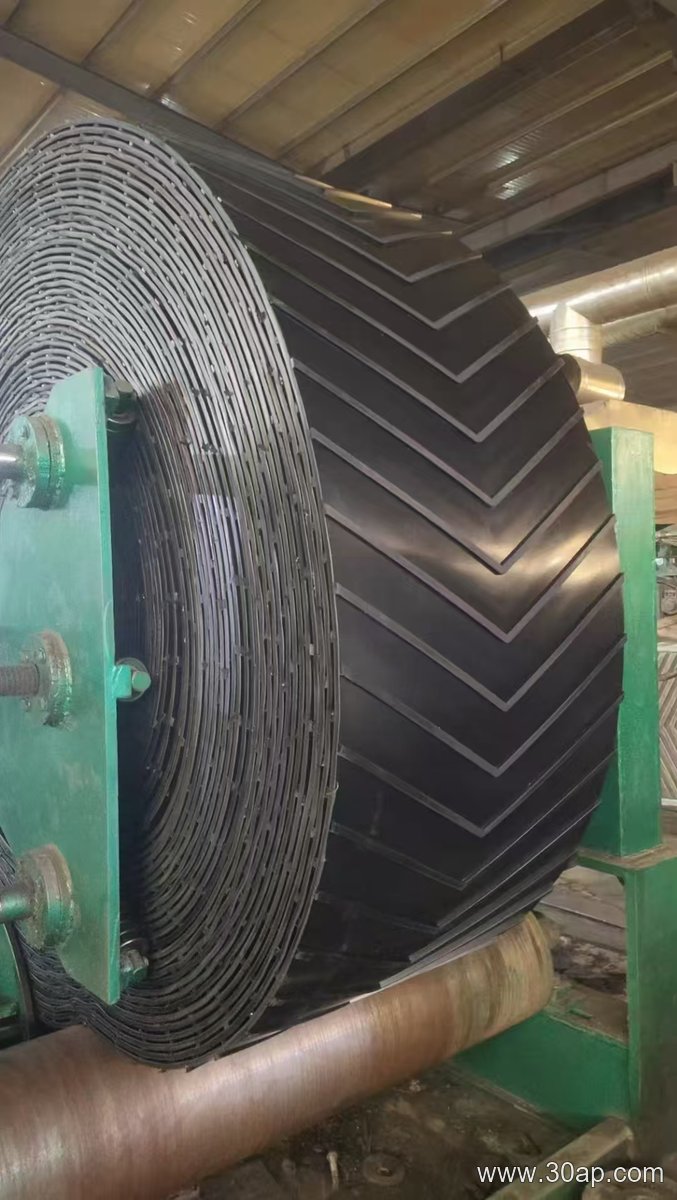
Can a conveyor belt with vulcanized splices survive year-round washdown on an outdoor log deck?
Rain, hose-down, and bark debris all reach the same belt. The splice, not the cover, usually decides how long it lasts.
What should be checked first?
- Water drainage at the tail and return side
- Splice edge sealing against wicking
- Pulley lagging grip when wet
- Cover hardness for wet abrasion
Is a mechanical fastener ever acceptable?
On a temporary outdoor conveyor belt, yes, but fasteners loosen as water works into the joint. A vulcanized splice stays closed and resists washdown better when the carcass is dry during curing.
How does slope change the answer?
A wet incline needs higher friction. If the conveyor belt slips, water and debris enter the splice. The practical fix is drainage and lagging before adding tension.
Matching idler roller construction to abrasive ore duty
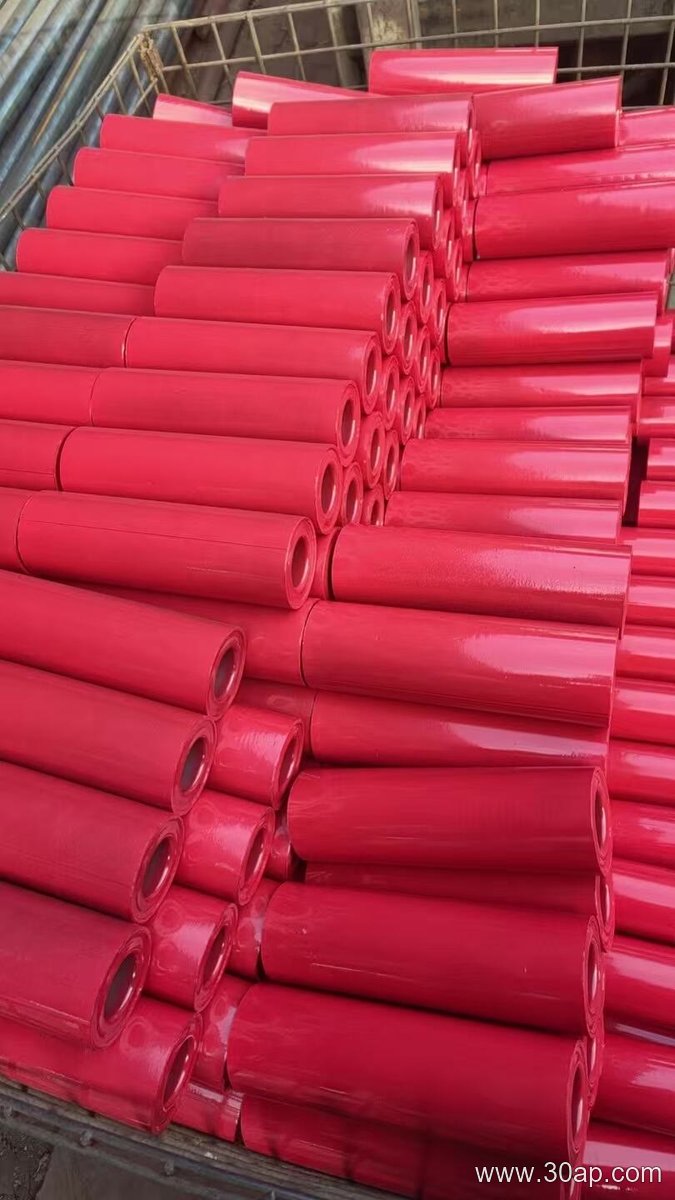
In a mineral-processing plant, the idler roller is not one product but a family of constructions. The choice depends on where the roller sits and what the belt carries.
Troughing and impact rollers
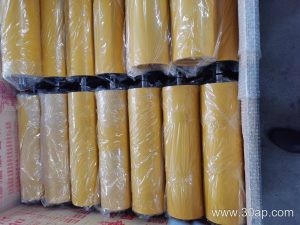
Troughing idler rollers form the belt into a curve for bulk ore, while impact rollers use rubber discs or cushioned shells under the loading point to absorb falling lumps.
Return and training rollers
Return idler rollers support the empty belt, and training rollers steer it. Abrasive fines often decide seal quality here more than shell thickness.
Hypothetical example: a plant might specify a three-roll idler set with rubber disc rollers at the transfer chute and plain steel rollers on the clean return run, but actual sizes and loads must be confirmed for each conveyor.