What a 1500mm Wide Conveyor Belt Is
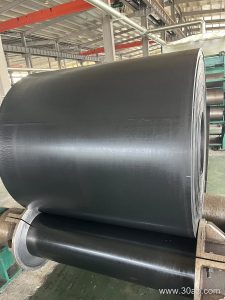
A 1500mm wide conveyor belt is a heavy-duty belt with a nominal width of 1500 millimeters, often written as B1500 in technical documents. That width places it among the wider belt classes used on large conveying systems, where high tonnage and long spans are common. It is not a single product but a width category: the same 1500mm wide conveyor belt can be built with different carcass types, cover grades, and surface forms depending on the duty.
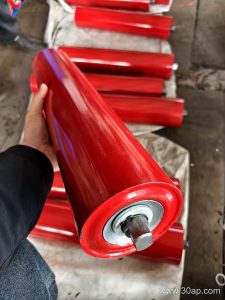
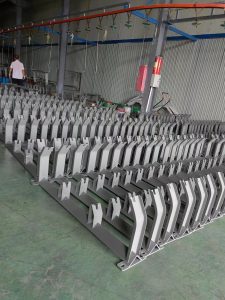
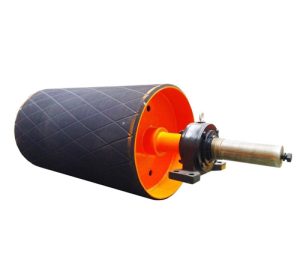
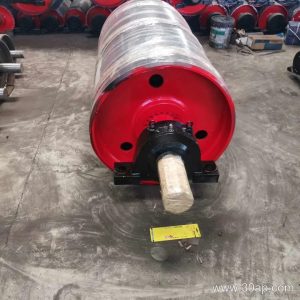
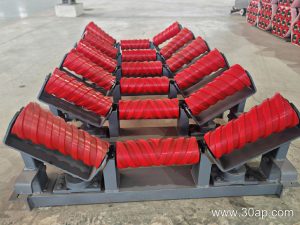
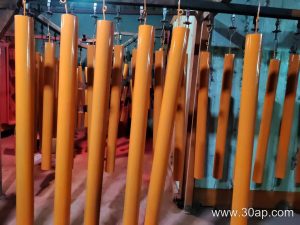
When engineers talk about this width, they usually mean the full belt assembly, not just the rubber surface. The belt is the load-carrying element, while the structure around it includes the idler roller, conveyor pulley, and conveyor bracket that keep the belt aligned and moving.
How the Belt Is Constructed
A typical 1500mm wide conveyor belt has three main parts: the carcass, the covers, and sometimes a special surface pattern.
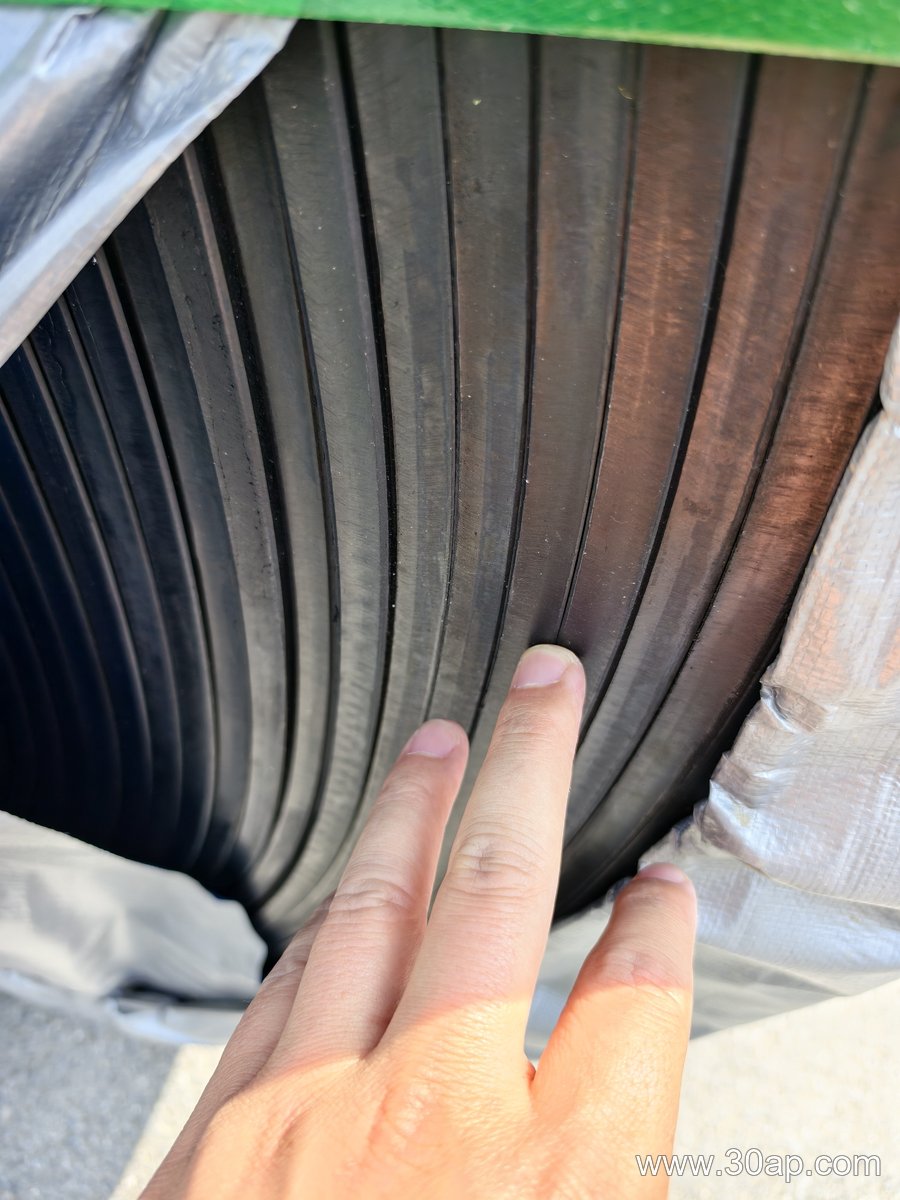
- Carcass: The strength layer. Common options include EP (polyester-nylon) fabric, NN nylon fabric, and steel cord. Fabric belts often use 2 to 6 plies, while steel cord belts use a single layer of steel cables.
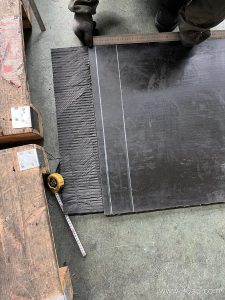
- Covers: The top and bottom rubber layers that protect the carcass. Common cover combinations include 3+1.5 mm, 4+2 mm, 5+2 mm, 6+2 mm, and 8+3 mm, where the first number is the top cover and the second is the bottom cover.
- Surface form: Smooth, patterned, chevron, or corrugated sidewall. A patterned or chevron belt is chosen when the incline is steep enough that a smooth belt would let material slide back.
Strength grades such as EP200, EP400, EP630, EP1000, and EP1600 describe the tensile strength of the carcass, not the width. A 1500mm wide conveyor belt can be supplied in several strength grades, so width and strength should be selected separately.
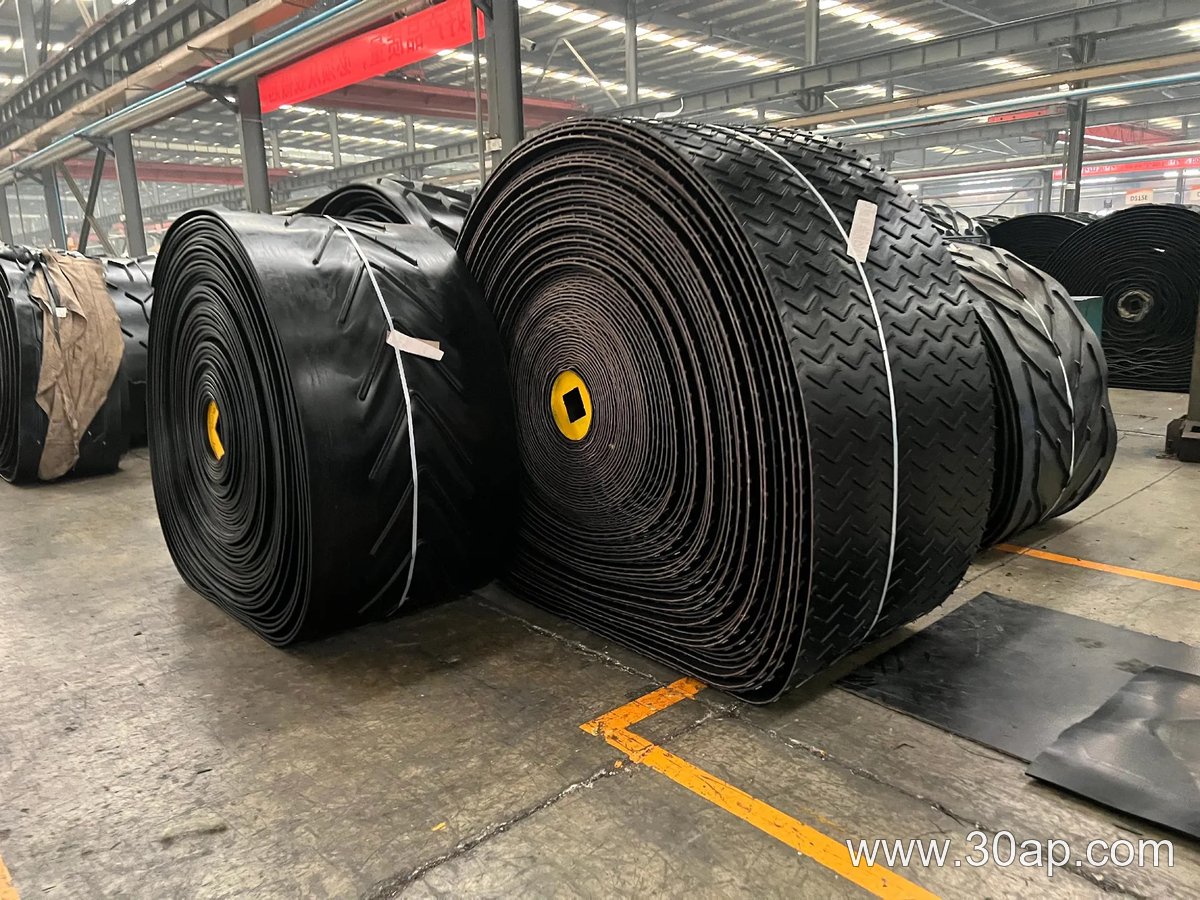
Where This Width Fits
Wider belts are usually found where the conveyor must move a large volume of material in a single pass. Examples include primary crushing circuits, bulk terminals, stockyard conveyors, and heavy mining or quarry lines. A 1500mm wide conveyor belt can carry coarse rock, ore, gravel, or other bulk solids at high capacity.
Width also affects the support structure. The idler roller set must match the belt width and trough angle, and the conveyor pulley must be wide enough to support the belt across its full width. A drive pulley, a tail pulley, and a bend pulley each do a different job, and they are not interchangeable. The drive pulley transmits power, the tail pulley returns the belt, and a bend pulley changes the belt direction without driving it.
Selection Points for Buyers
Buyers should think about the full duty cycle, not just the width. Useful questions include:
- What material is being carried, and at what lump size and temperature?
- Is the belt running on a flat, troughed, or inclined path?
- Does the environment require oil resistance, heat resistance, flame resistance, antistatic behavior, cold resistance, or acid and alkali resistance?
- What is the maximum tension, and therefore which carcass grade is needed?
- What cover thickness will give a reasonable wear life without adding unnecessary weight?
A 1500mm wide conveyor belt is not automatically paired with one pulley diameter. Pulley size depends on belt tension, layer count, and the manufacturer’s recommendation. Likewise, shaft diameter is a function of the pulley design and load, not the belt width alone. Treat any size table as reference data, and confirm final dimensions with the belt and pulley supplier.
Installation and Maintenance Notes
Wide belts need careful alignment during installation. A belt that is not square or that has uneven tension can drift to one side and damage the edge. Idler roller alignment, pulley parallelism, and a properly adjusted take-up system all help keep a 1500mm wide conveyor belt centered.
Routine checks should cover cover wear, edge condition, splice integrity, and the cleanliness of the pulley face. Material buildup on a conveyor pulley can change the effective diameter and cause tracking problems. Inspecting the conveyor bracket and frame for looseness is also worthwhile, because a moving support can shift the belt path.
For steep inclines, a patterned or chevron belt may be more suitable than a smooth belt of the same width. For very heavy loads, a steel cord carcass may be preferred over a fabric carcass. These are comparisons within the same product family, not replacements for the 1500mm wide conveyor belt itself.
In short, this width is a practical choice for high-capacity conveying, but it works best when the carcass, cover, surface form, and supporting components are matched to the actual site conditions.