What distinguishes conveyor belt types on a general manufacturing line?
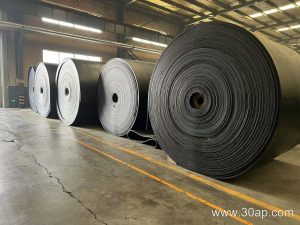
Construction, duty, and performance separate general-purpose belts from heavy-duty and specialty designs. The right choice depends on load, speed, and environment.
Light-duty conveyor belts
Thin, flexible belts with low ply ratings handle small parts and gentle slopes. Use them for assembly or packaging lines where weight is low and abrasion minimal.
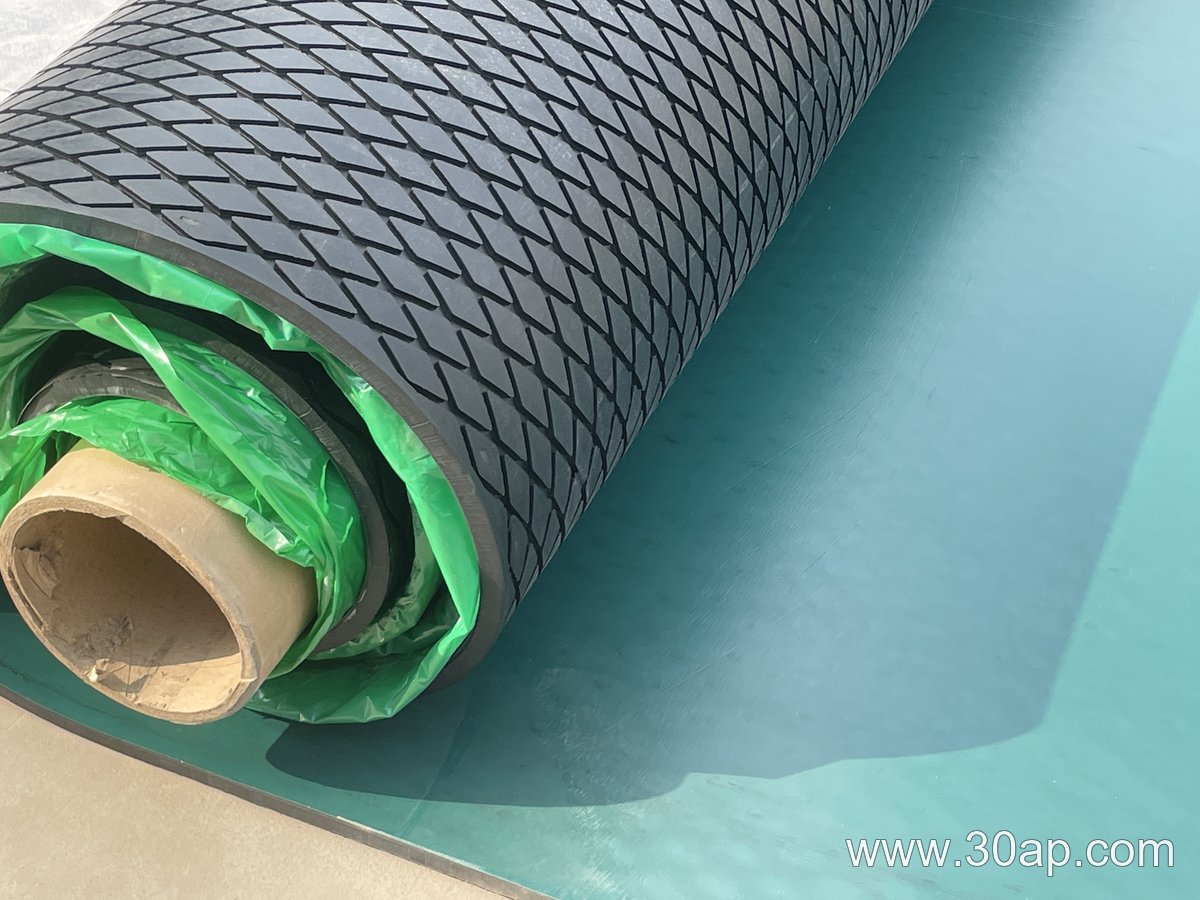
Medium-duty conveyor belts
Belts with moderate ply and cover thickness move mixed loads at moderate speeds. They suit general manufacturing where impact is occasional and temperatures are ambient.
Heavy-duty conveyor belts
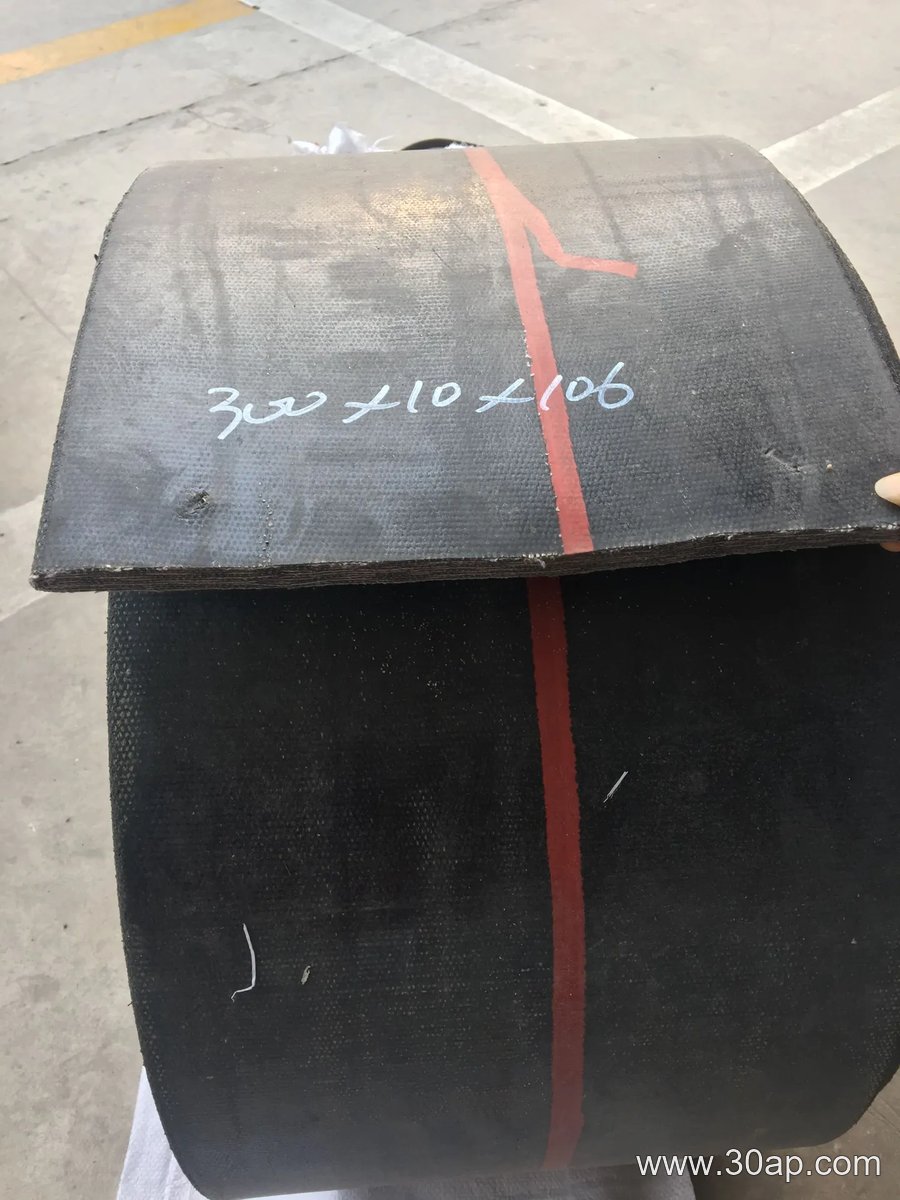
Thick covers and high-tensile carcasses resist abrasion, impact, and cutting. Use them for bulk handling of sharp or heavy materials, such as metal stampings or aggregates.
Specialty conveyor belts
Heat-resistant, oil-resistant, or cleated belts address specific conditions. Choose these when standard belts would degrade or fail to grip.
Match the belt to the most demanding condition, not the average, to avoid premature replacement.
Start with the material decision, not the price tag
A common misconception is that a wet outdoor conveyor simply needs a “weatherproof” idler roller, and that a higher purchase price automatically buys longer life. In reality, two materials dominate the procurement choice: painted carbon steel and polymer (often HDPE or nylon) shells. Each changes how the idler roller handles moisture, abrasion, and load.
How the two materials behave on a wet outdoor conveyor
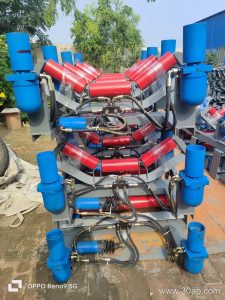
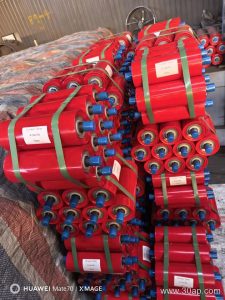
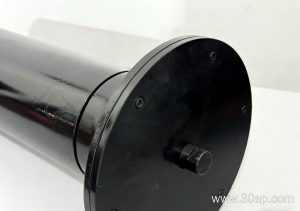
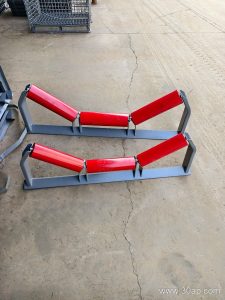
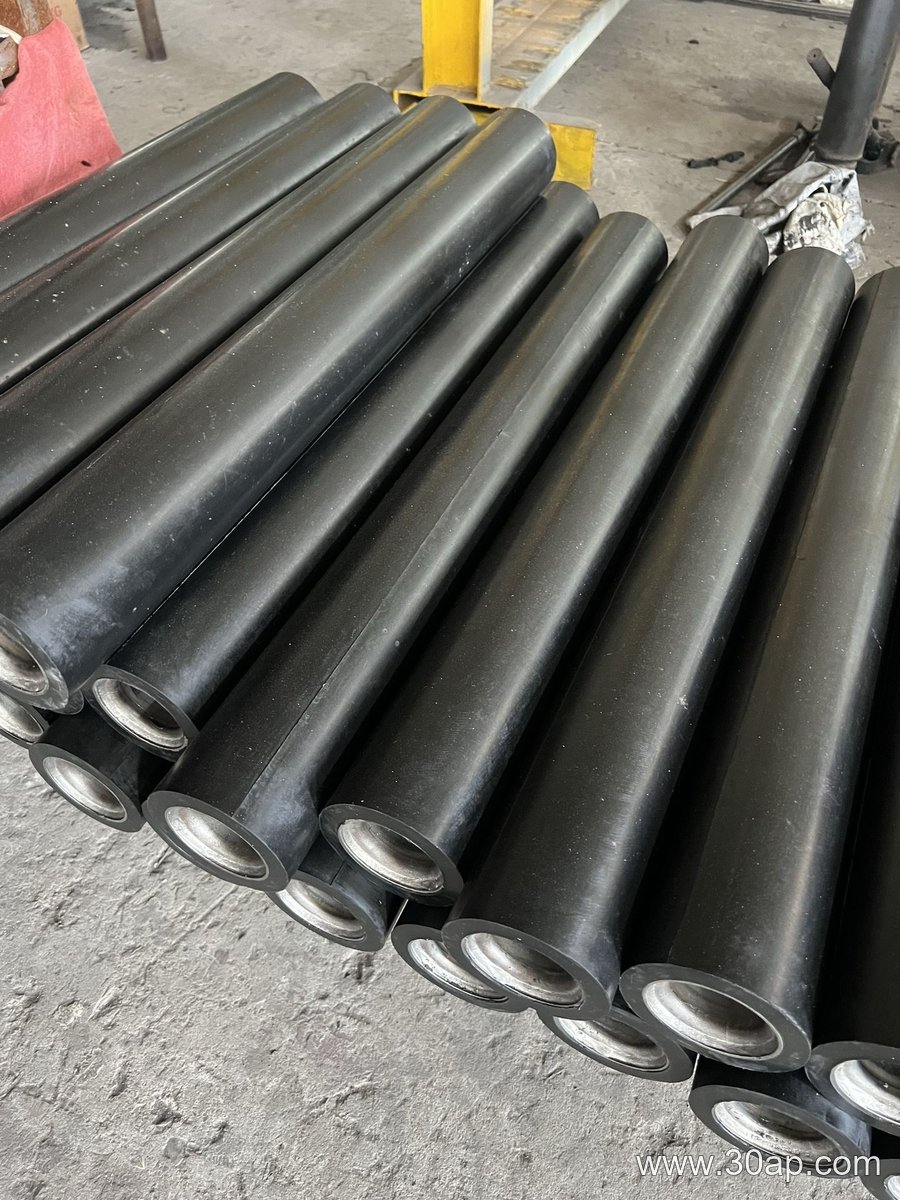
Carbon steel is stiff and cheap to buy, but once the paint scratches it corrodes, and rust can spall and bind the bearing area. A polymer idler roller resists water and mild chemicals, but it is less rigid, so it may need closer roller spacing or a heavier shaft to carry the same load. The trade-off is not which material is best, but which fits the actual duty.
Matching purchase cost to application fit
- Low speed, light load, frequent washdown: polymer idler roller often wins because corrosion drives replacement more than load.
- Higher load or impact: painted steel may cost less up front, but inspect coating quality and seal protection.
- Acidic runoff or salt exposure: polymer usually reduces long-term replacement frequency.
- Budget constrained, dry sections: steel remains acceptable if drainage and inspection are reliable.
Always request an idler quotation that separates shell material, bearing seal, and shaft options, so the purchasing comparison reflects real service fit rather than one headline price.
Flat or Grooved Lagging for a Slow Wet Conveyor Pulley
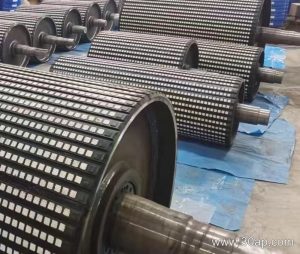
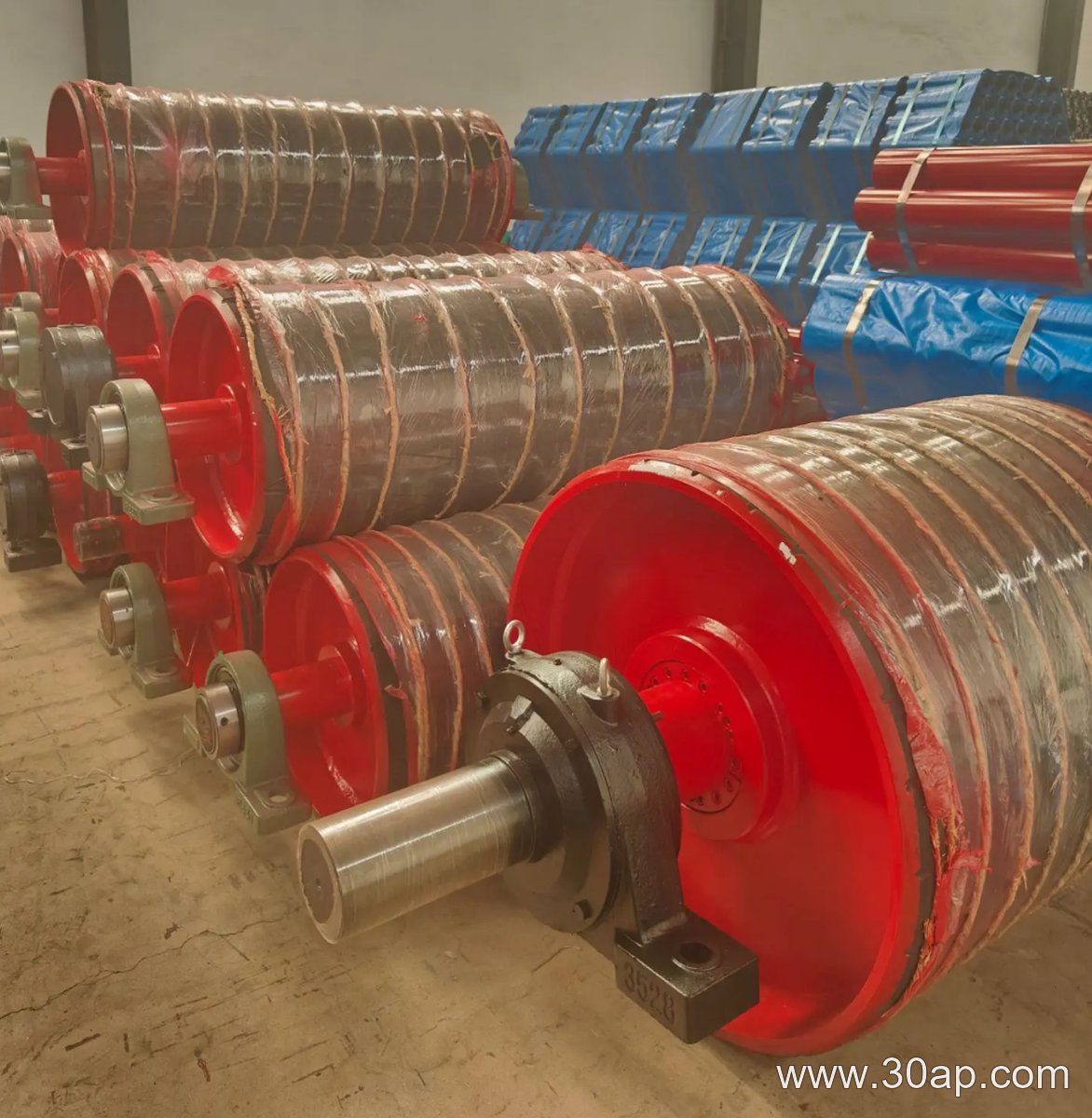
On a wet outdoor conveyor running at low speed, a conveyor pulley with flat rubber lagging can trap water and slip. Grooved lagging channels water away, improving grip. Flat lagging suits dry, clean belts; grooved lagging suits wet, muddy conditions. Choose based on water exposure and speed.
Key Differences and Trade-offs
- Flat lagging: Simple, less costly, but poor water drainage on a wet conveyor pulley.
- Grooved lagging: Better traction in wet conditions, but grooves can clog with sticky mud, requiring more cleaning.
For a slow, wet outdoor conveyor pulley, grooved lagging is often the practical choice, provided debris is managed.
How Does Metal Stamping and Welding Shape a Conveyor Bracket’s Fit on an Idler Frame
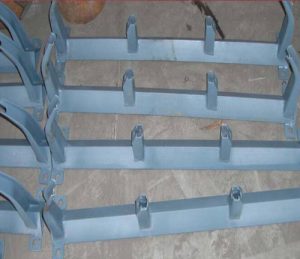
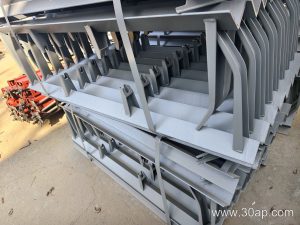
A common misconception is that a conveyor bracket is simply cut and drilled. In practice, its fit depends on stamping, forming, welding, and finishing, and each stage leaves a mark on the finished part.
From Coil to Formed Bracket
Stamping sets hole pitch and edge profile. If the die wears, mounting holes drift, and the bracket will not sit flat on the frame. Welding then joins the base to the upright; too much heat pulls the part out of square. Finishing, such as shot blasting or coating, affects corrosion life but cannot correct a distorted weldment.
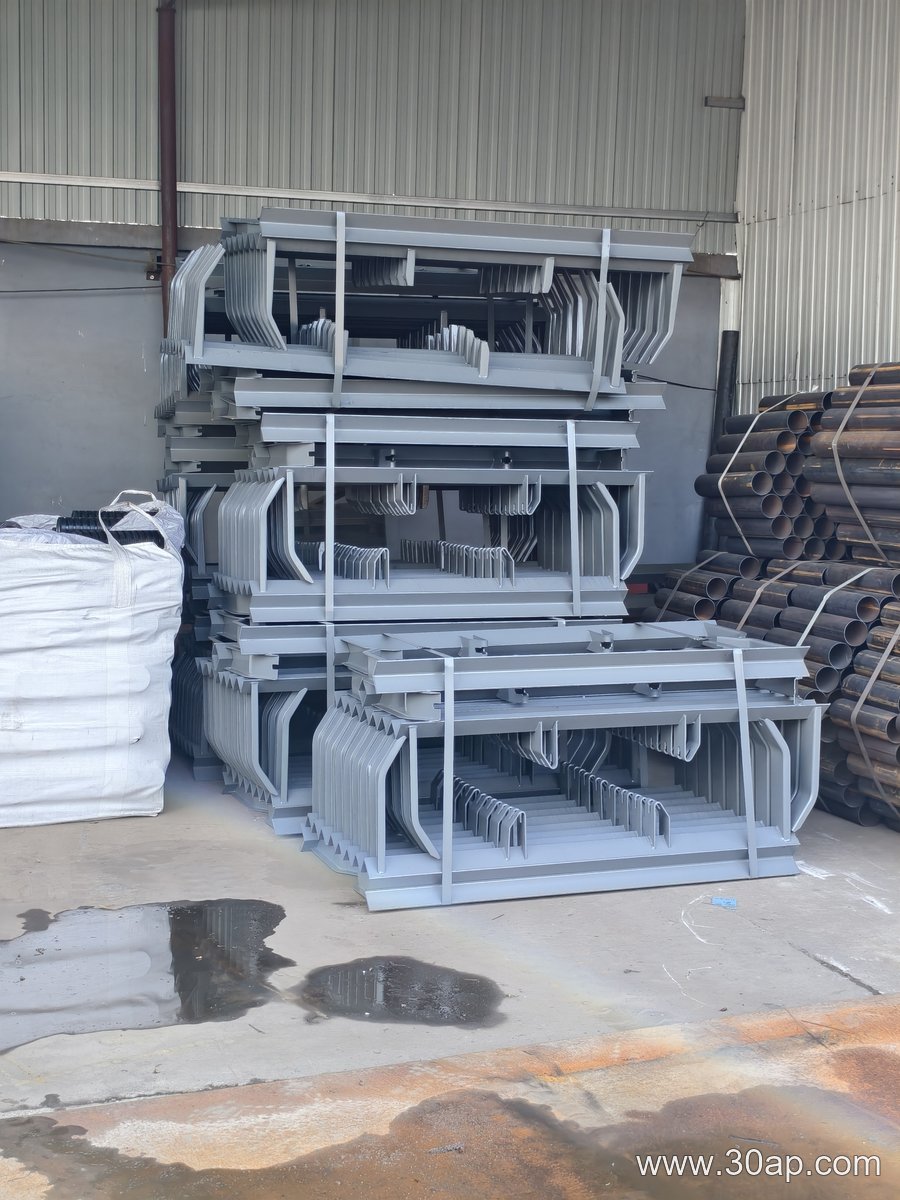
- Stamping controls hole position and flatness.
- Welding controls squareness and joint strength.
- Finishing controls surface protection, not geometry.
A general manufacturing line may use fixtures and gauges to check these stages. The effect on quality is direct: a conveyor bracket that is square and true holds the idler in line, while a distorted one causes belt drift and premature wear.