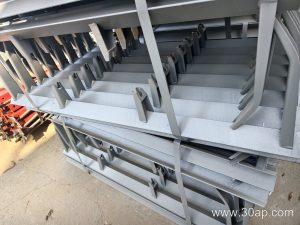
Which Conveyor Pulley Handles a Dusty Quarry Better, Rubber-Lagged or Ceramic-Lagged?
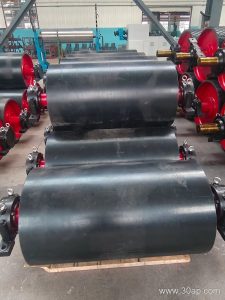
Many assume any lagged conveyor pulley will grip in a quarry. Not so. Rubber lagging offers flexibility and quiet running but wears fast on abrasive dust. Ceramic lagging embeds hard tiles for traction and lasts longer, yet costs more and can damage a delicate belt. Choose rubber for fine, dry dust and moderate tension. Choose ceramic for wet, gritty conditions and high torque, accepting higher initial cost and stricter belt compatibility checks.
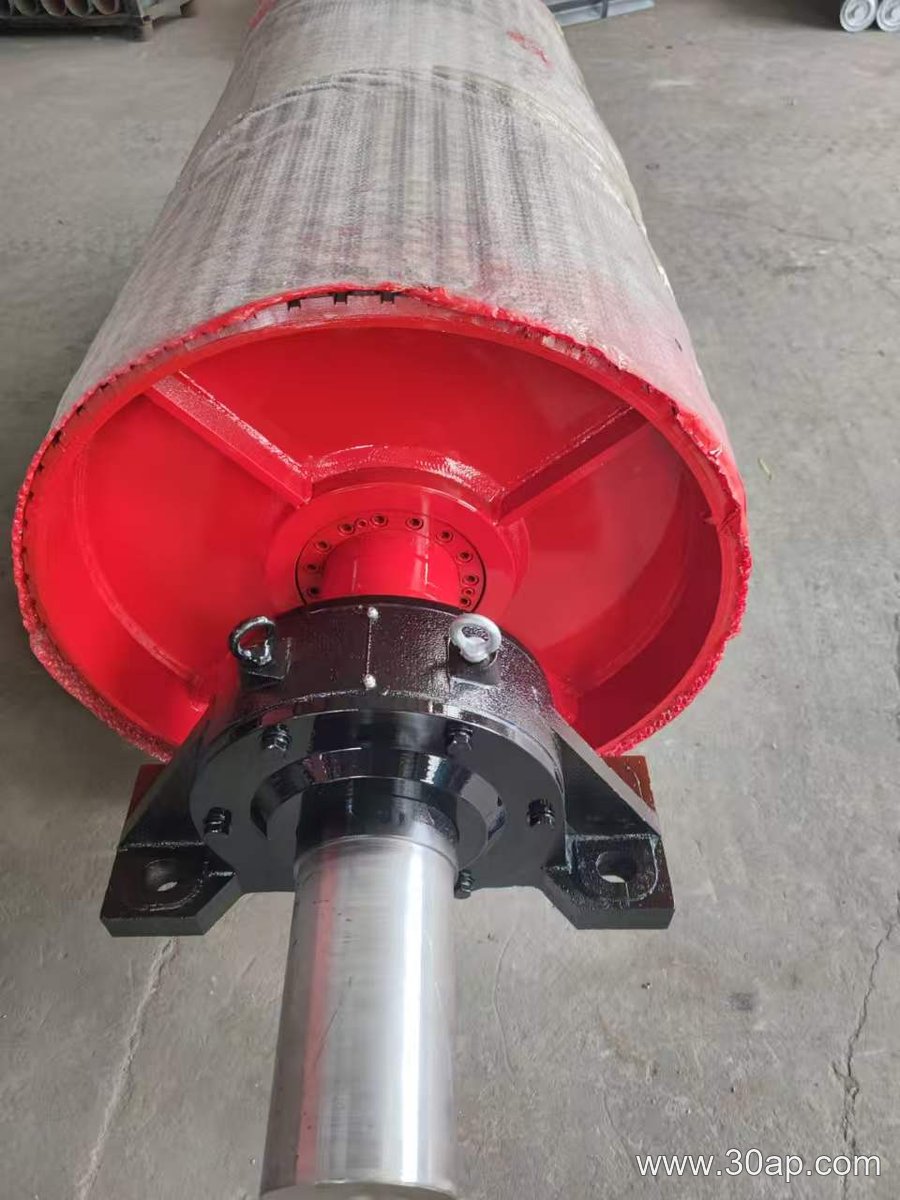
Why the Production Route Shapes a Conveyor Bracket
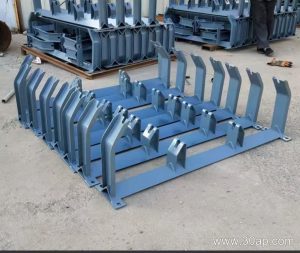
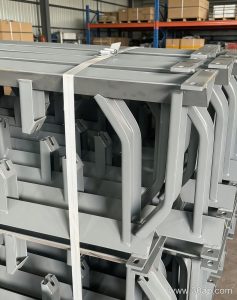
A conveyor bracket in a cement plant must hold idlers steady against dust, heat and vibration. The manufacturing process decides whether that bracket keeps its geometry.
Stages That Affect Finished Quality
Cutting and Forming
Laser or plasma cutting sets the hole pattern; poor edge quality can start cracks. Press braking then controls the bracket’s angles.
Welding
Weld sequence and heat input affect distortion. A warped conveyor bracket will not sit flat on the stringer.
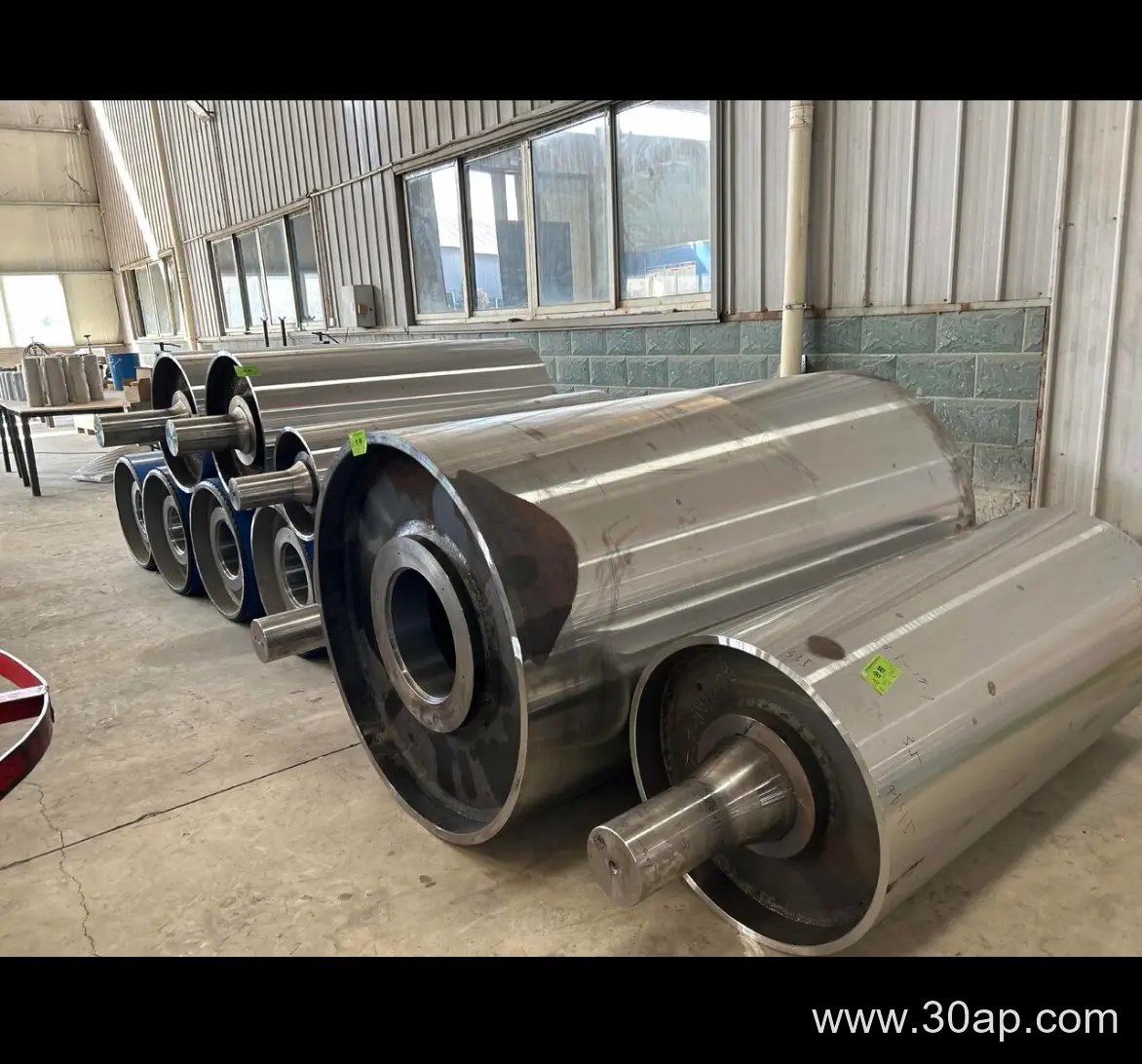
Machining and Coating
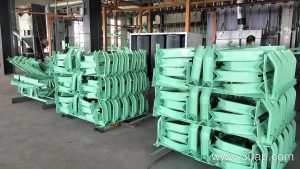
Drilling after welding restores hole alignment. Blasting and coating then protect against cement dust and moisture.
What to Check Before Installation
- Hole spacing matches the drawing.
- Weld seams are continuous where load passes.
- Coating covers edges and threads.
Each stage leaves a trace; inspection confirms the conveyor bracket will fit and last.
Which Conveyor Belt Construction Suits a Cement Plant Clinker Line?
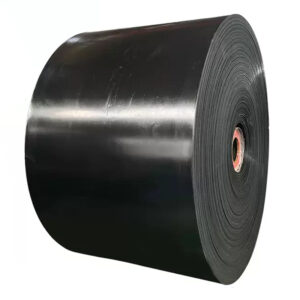
A cement plant rarely uses one conveyor belt design everywhere. Clinker, limestone, and coal each impose different loads. Grouping belts by construction and duty helps you match each line to its worst condition rather than its average one.
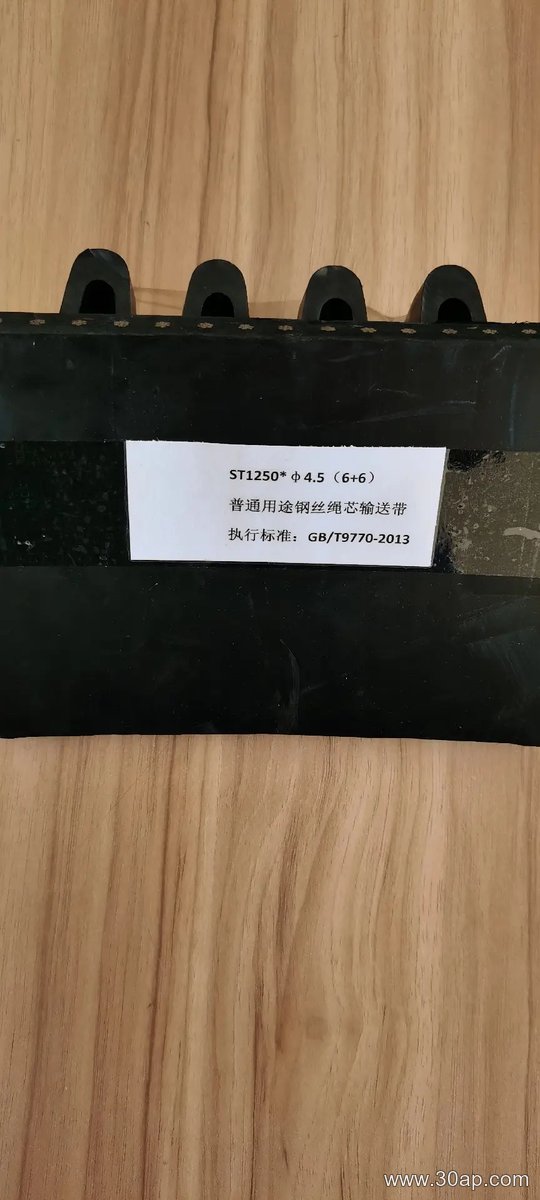
Grouping by Construction and Duty
- Fabric-ply conveyor belt: Moderate tension, shorter flights. Used for additive and finished-cement transfer.
- Steel-cord conveyor belt: High tension, long inclines. Used for raw-material and clinker mainlines.
- High abrasion resistant conveyor belt: Thick covers for sharp clinker and limestone at transfer points.
- Heat-resistant conveyor belt: Compound and carcass designed for hot clinker where temperature is the governing load.
- 2200mm conveyor belt: A wide format for high-tonnage lines where capacity, not tension, drives the choice.
Use the cement plant setting only as context. The deciding inputs remain material, lump size, temperature, and belt speed. No universal specification replaces those checks.
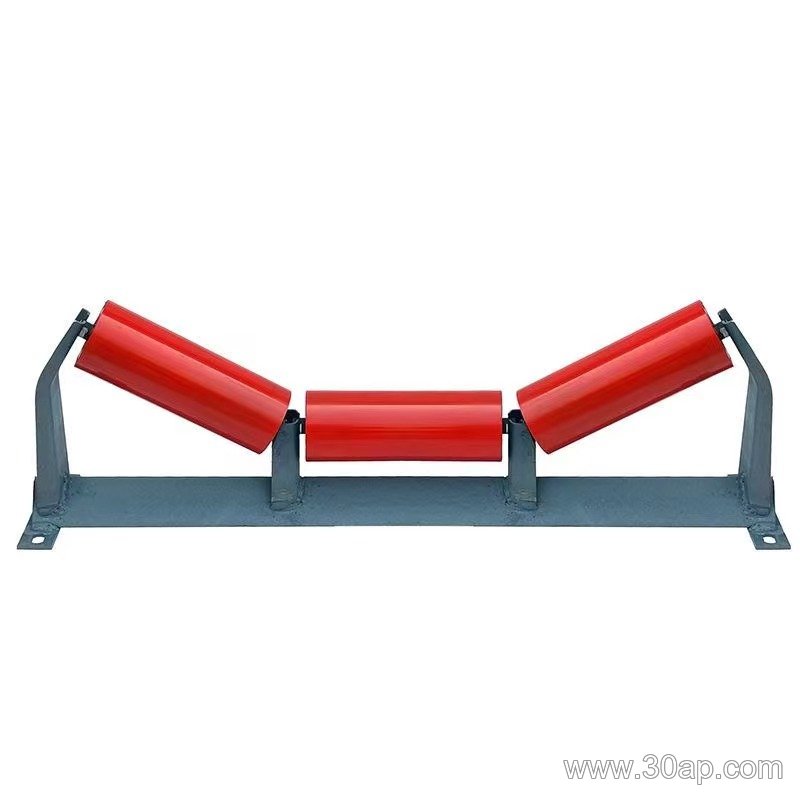
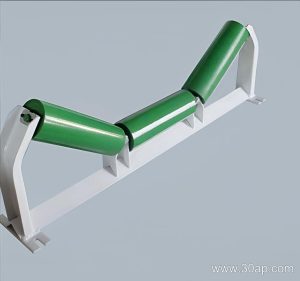
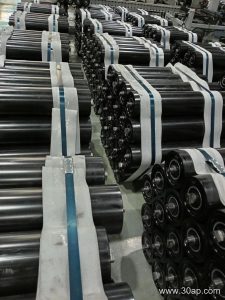
Comparing Polymer and Steel Shells for an Idler Roller
In a bulk-material port terminal, an idler roller faces salt spray and abrasive dust. Two common shell materials are polymer and steel. Polymer resists corrosion and is lighter, lowering structural load. Steel offers higher impact resistance but needs coating or stainless grades to survive. The trade-off is application fit versus purchasing cost: polymer often costs less upfront and lasts well in wet, corrosive zones, while steel may suit high-impact areas despite higher initial price. Specify the idler roller by actual duty, not by material label alone.