Why a Wet Outdoor Conveyor Demands a Different Idler Roller
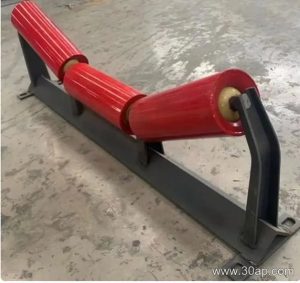
Rain, washdown and slurry spray reach every component. An idler roller that cannot shed water will pull moisture into its bearings.
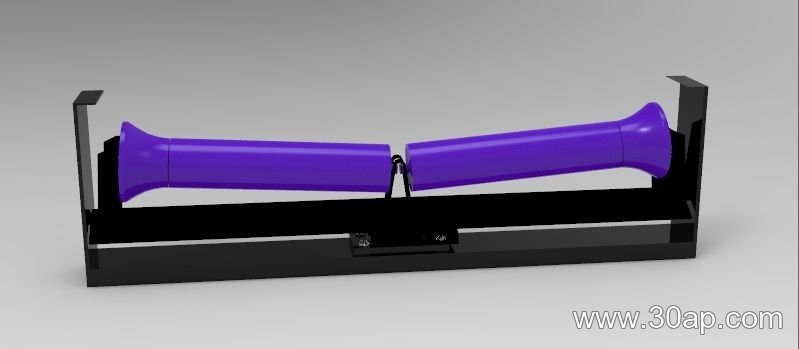
Sealed Versus Open Construction
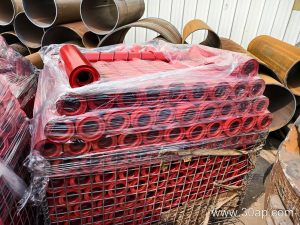
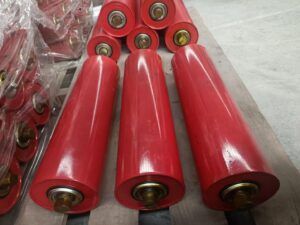
- Sealed idler roller: labyrinth or contact seals block water and grit.
- Open design: drains freely but exposes bearings.
Choose sealed construction when splash is frequent. Choose open only when drainage is excellent and inspection is easy.
Which Standards and Grades Should Guide a Conveyor Pulley Order for a Cement Plant
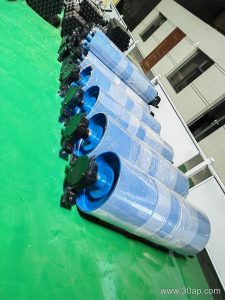
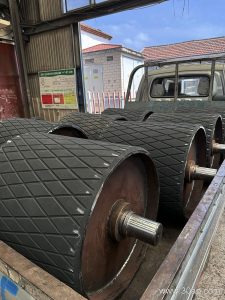
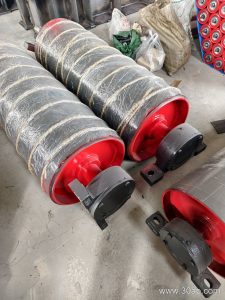
What actually governs a conveyor pulley order? Standards define calculation, welding, balancing and lagging expectations, while grades describe material property ranges. Neither certifies a specific unit; the purchase specification must state the edition, grade and inspection method.
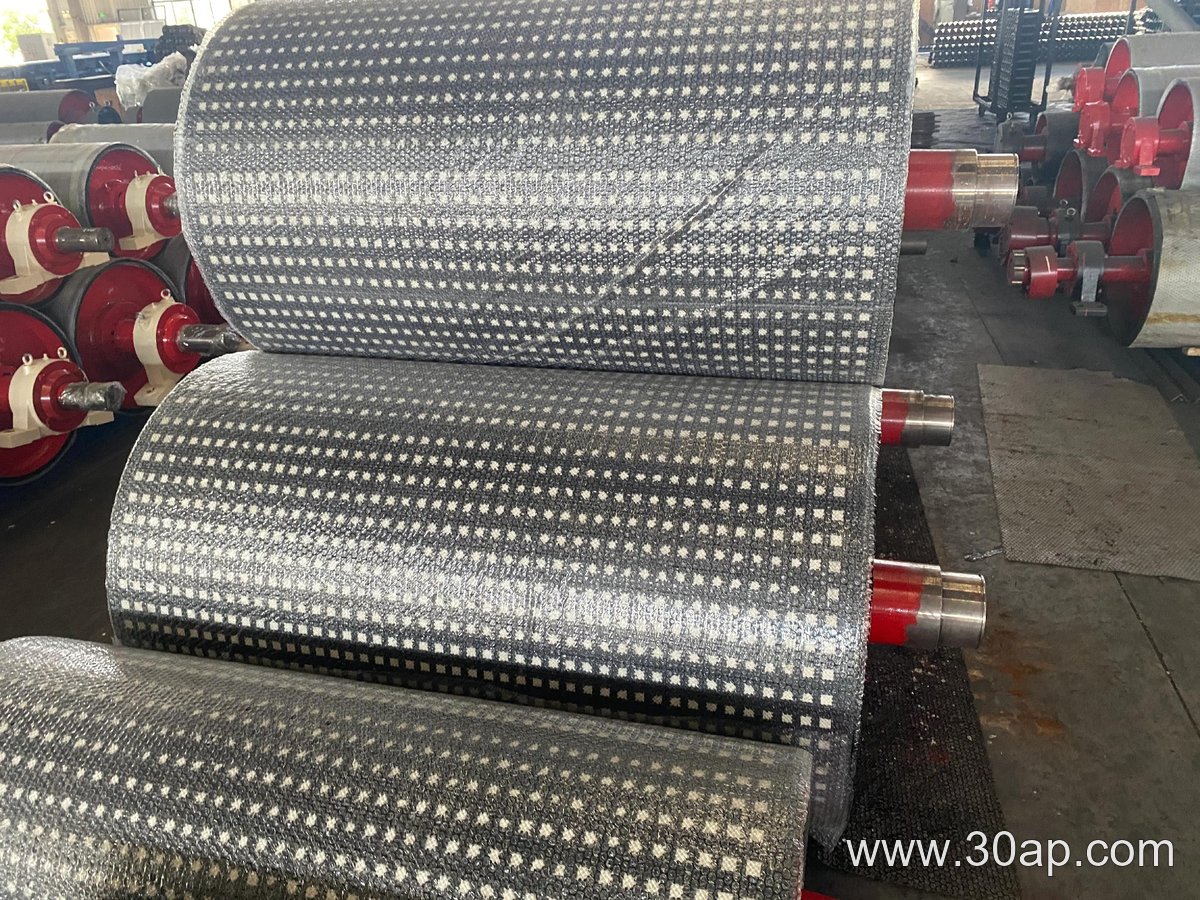
Purpose and Scope in Practice
- Design standards set shaft and shell stress methods.
- Material grades state yield and toughness ranges.
- Balancing and runout limits protect bearings and belt tracking.
In a cement plant, state duty, ambient conditions and lagging type, then ask the supplier to show how the conveyor pulley meets the named clauses.
Inspecting a Conveyor Bracket in Wet Outdoor Service
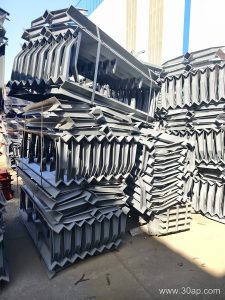
On a wet outdoor conveyor, a conveyor bracket often sits in a splash zone where rain and washdown keep the mounting area damp. Regular inspection should focus on the bracket’s load path, not just its visible surfaces.
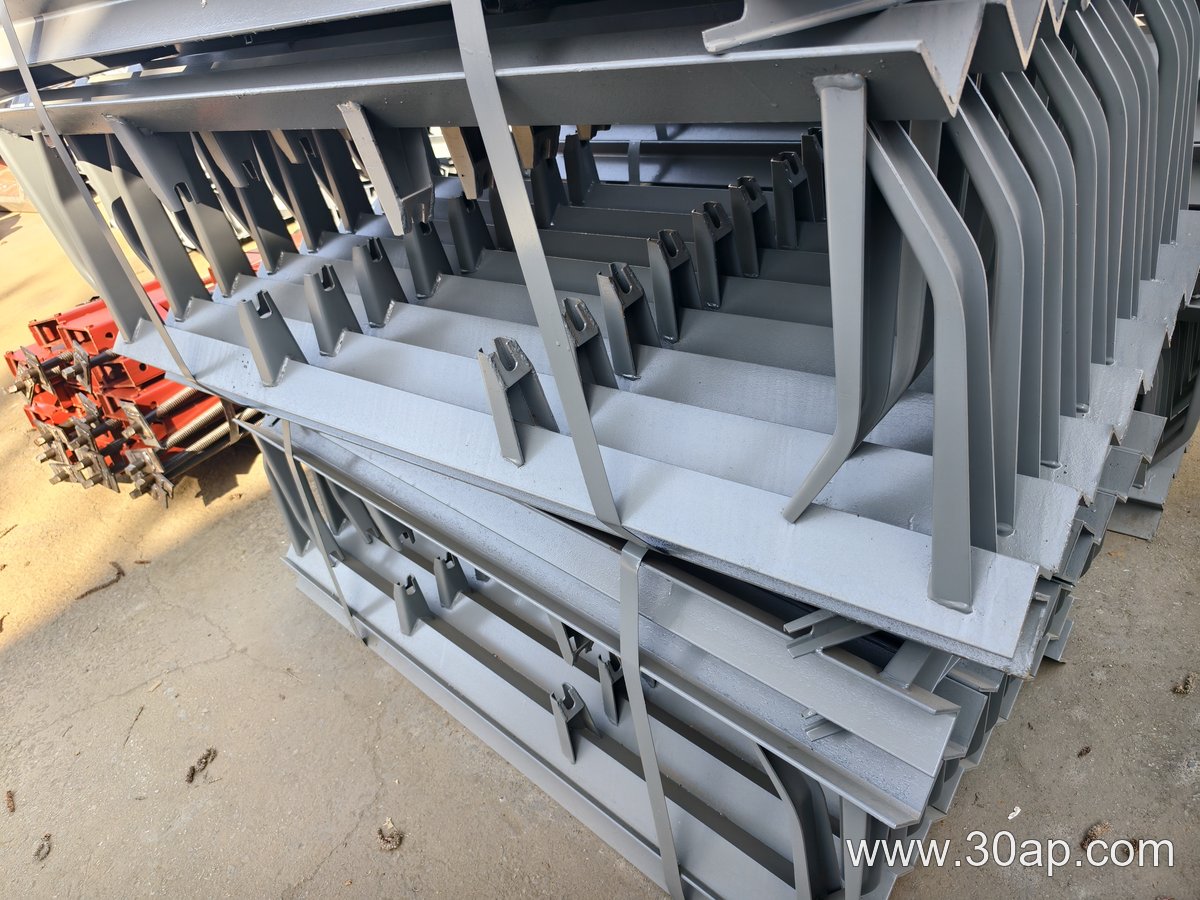
Preventive Maintenance Checks
- Look for water trapped in the bracket’s mounting pockets or around bolt heads.
- Check for rust bleeding at welds and thread roots.
- Feel for looseness by rocking the idler frame while watching the bracket.
- Confirm drainage paths are clear so the bracket can shed water.
Signs Replacement Is Needed
Replace the conveyor bracket if you see cracked welds, deformed legs, heavily wasted section thickness, or bolts that will not hold torque. A bracket with active corrosion at the idler seat may shift alignment and accelerate belt edge wear, even if it still looks intact.
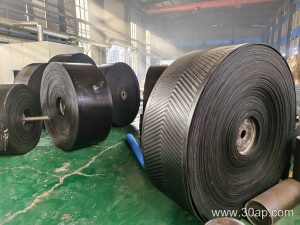
How Does Fabric Weave Tension During Calendering Affect a Conveyor Belt’s Splice Strength?
During calendering, fabric plies are pressed into rubber under controlled tension. If tension is too low, the fabric weave shifts, causing uneven ply separation. If too high, the fabric crimps, reducing adhesion. Both defects weaken splice holding power.
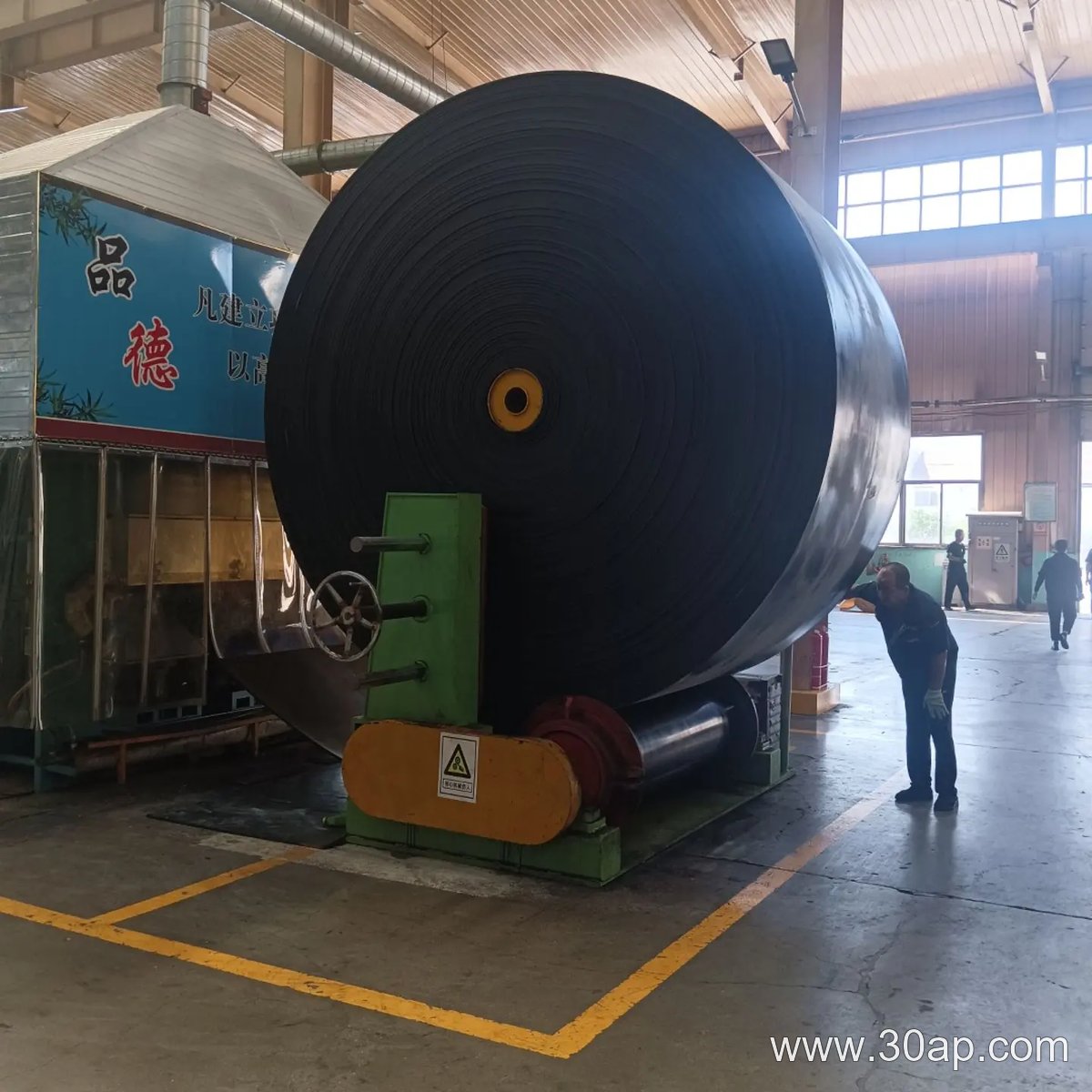
Production Stages That Matter
- Weaving: Loom tension sets warp and weft alignment.
- Calendering: Roll pressure and speed bond rubber to fabric; tension must stay uniform.
- Vulcanization: Heat and pressure lock the structure; residual tension can cause ply slip.
In a general manufacturing line, a conveyor belt with consistent calendering tension shows more reliable finger or step splices. Inspect ply adhesion after cure to confirm process control.