Calculating Conveyor Bracket Dimensions for Wet Environments
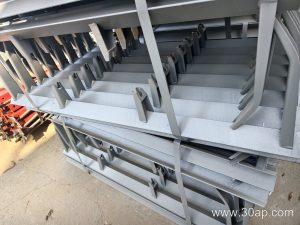
Sizing a conveyor bracket requires balancing span, belt width, and drainage clearances. For a wet outdoor conveyor, assuming a 900 mm troughed belt and a 3 kN idler load, the mounting base calculation must incorporate a corrosion allowance. Engineers determine slot length by adding thermal expansion margins to bolt diameters, using the formula delta L equals length times coefficient of expansion times temperature range. This ensures the conveyor bracket accommodates wet weather shifts without binding structural stringers.
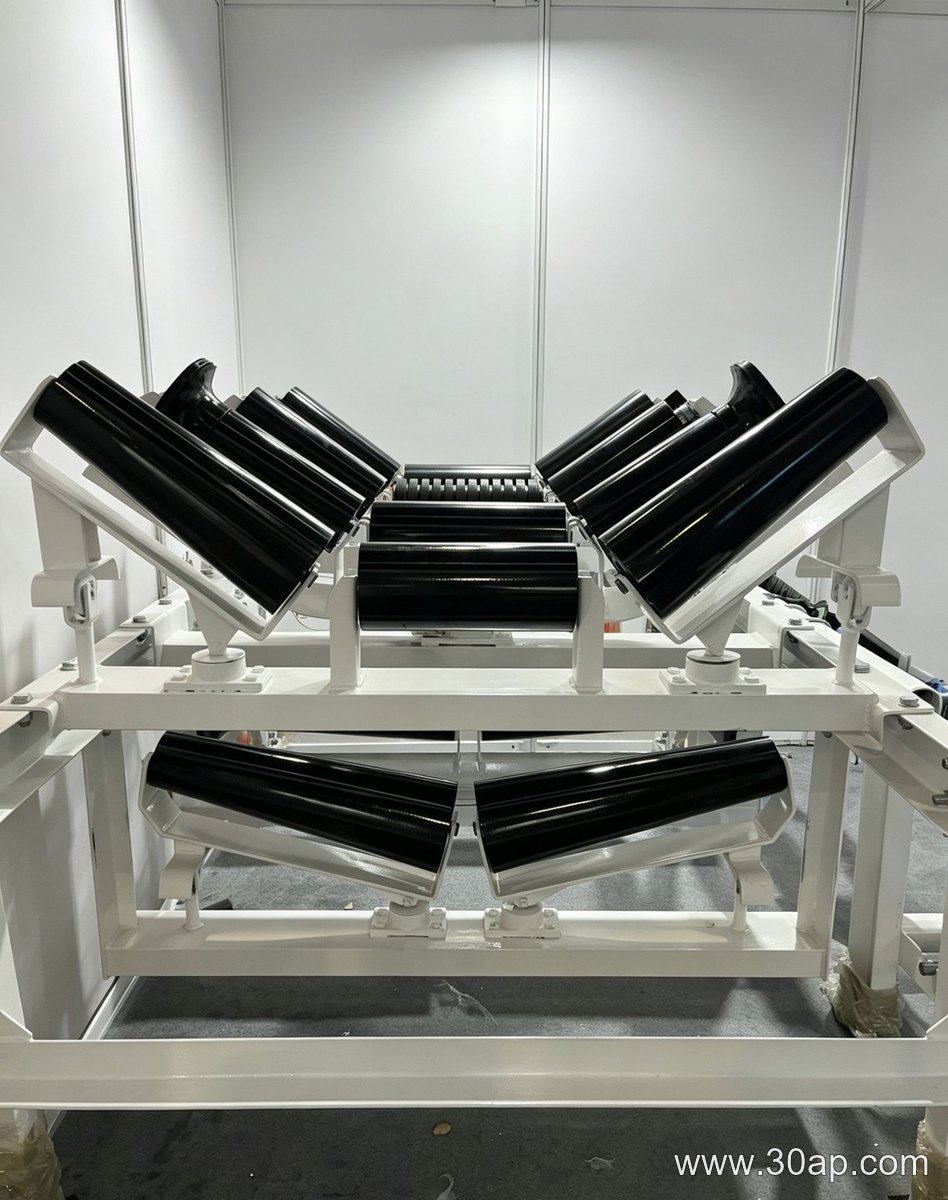
- Assume structural carbon steel with a hot-dip galvanized finish.
- Incorporate a 2 mm corrosion loss factor over the design life.
- Verify bolt-hole elongation limits to prevent slippage under dynamic loads.
Calculating Conveyor Belt Length for Wet Outdoor Layouts
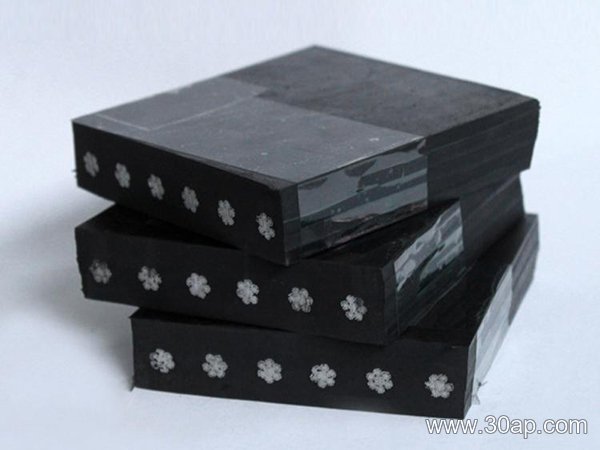
When engineering a wet outdoor conveyor belt circuit, accurate length calculation prevents costly tensioning errors and excessive material waste. The process relies on specific geometric parameters.
Mathematical Assumptions and Units
The calculation assumes a horizontal span of 50 meters, a drive pulley diameter of 0.8 meters, and a tail pulley diameter of 0.8 meters. All linear dimensions are measured in meters.
Step-by-Step Sizing Method
- Double the horizontal center-to-center distance between pulleys to account for top and bottom runs.
- Add the product of pi and the average pulley diameter to account for wrap around both terminals.
- Include a 3 percent safety allowance for mechanical splicing and initial stretch.
Preparation and Mounting Steps
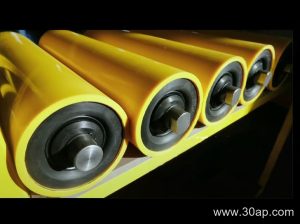
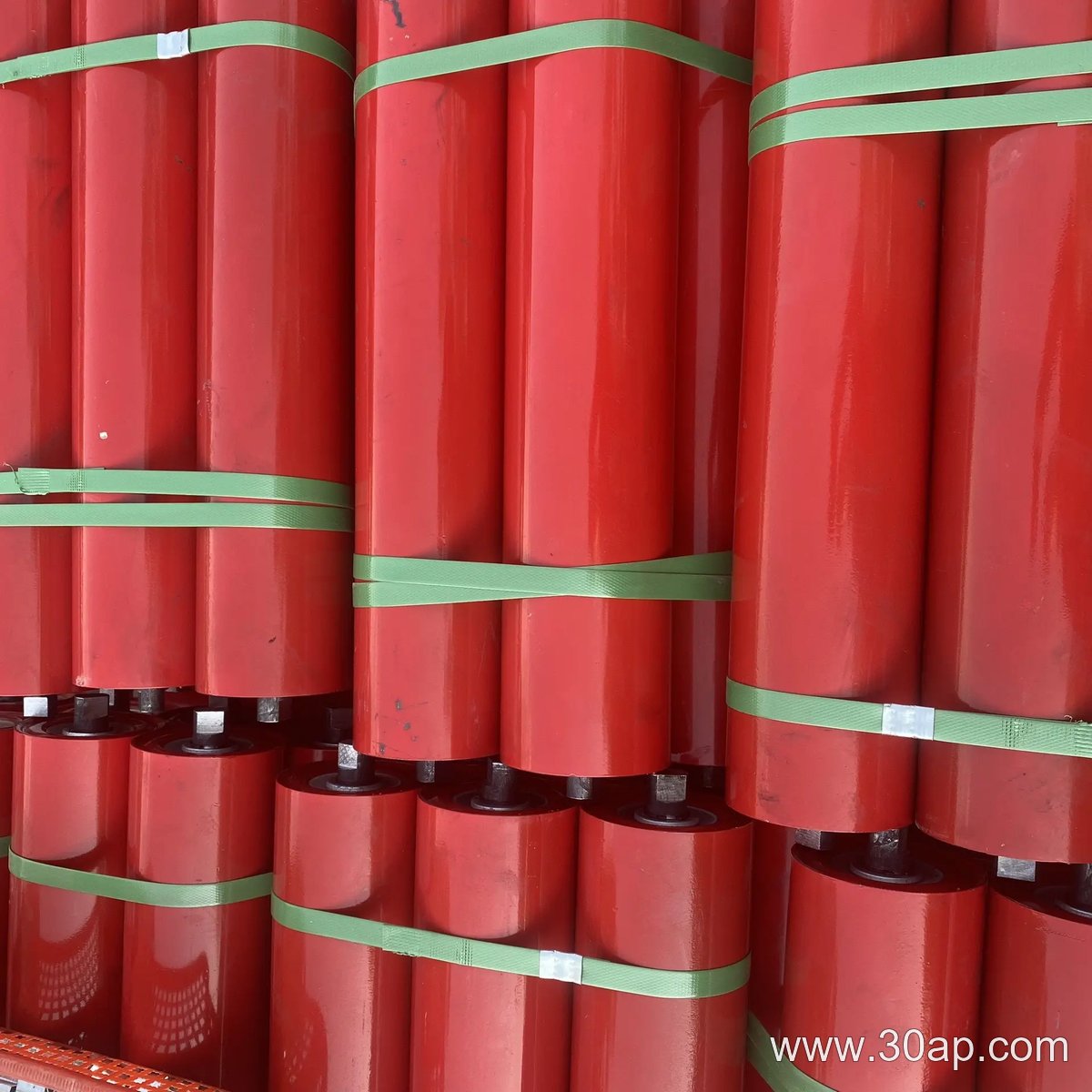
How do technicians properly prepare a general manufacturing line before installing an idler roller? The direct answer involves clearing all mounting surfaces of debris and verifying bracket integrity. Technicians must inspect the structural stringers to ensure they are level and free from warp.
Alignment and Commissioning Checks
- Verify that the idler roller sits perpendicular to the belt travel path to prevent lateral drifting.
- Check that all mounting bolts are torqued securely to the design specifications.
- Perform a manual spin test to confirm the shell rotates freely without bearing bind or abnormal acoustic feedback.
- Run the conveyor under a no-load condition to observe tracking before full production commissioning.
Conveyor Pulley Selection Under Tight Spatial Constraints
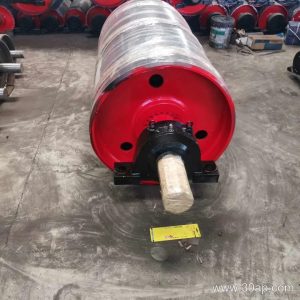
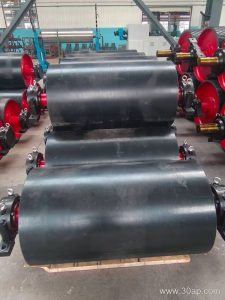
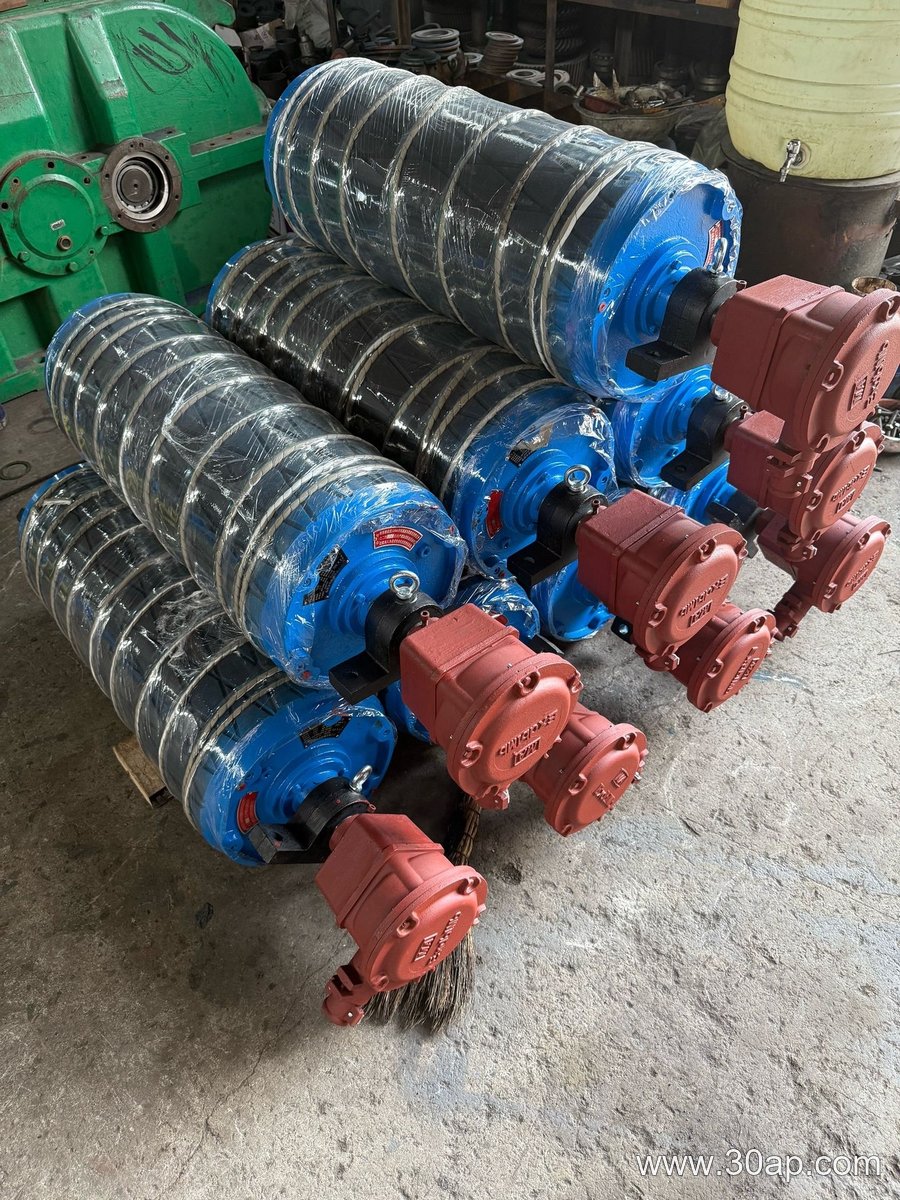
Choosing a conveyor pulley for a dusty quarry involves balancing mechanical loads with strict dimensional limits. For this hypothetical project, a spatial clearance constraint restricts the maximum outer diameter of the conveyor pulley to 500 millimeters, even though belt tension calculations suggest a larger shell. Operating inside a high-abrasion stone-crushing line means the selected conveyor pulley must combine a compact diameter with heavy-duty structural steel to prevent shell flexing.
Key Selection Parameters and Trade-Offs
- Shell thickness increased to compensate for the restricted 500-millimeter diameter under high radial load.
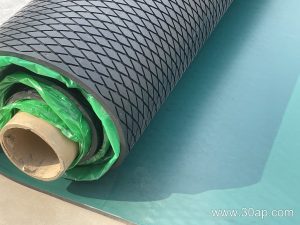
- Vulkanized ceramic lagging chosen to maximize friction despite fine granite dust accumulation.
- Shaft diameter sized to resist fatigue bending moments induced by high belt tensions within the narrow frame.