What a Fabric Core Conveyor Belt Is
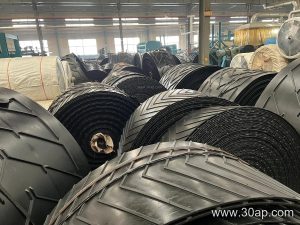
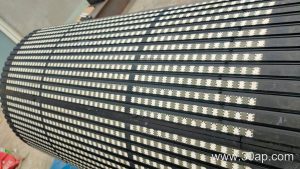
A fabric core conveyor belt is a type of conveyor belt whose load-bearing skeleton is made from layers of woven textile fabric, typically polyester or nylon. These layers, often called plies, are bonded together with rubber and covered on both sides with rubber covers. The fabric core provides strength and flexibility, while the rubber covers protect the carcass from abrasion, impact, and environmental attack. This construction makes the belt suitable for a wide range of bulk material handling applications in industries such as mining, coal, cement, power generation, and sand and gravel plants.
The fabric core conveyor belt is also known as textile conveyor belt or ply conveyor belt. It is distinct from steel cord conveyor belts, which use steel wires for reinforcement. The fabric core design offers good flexibility, resistance to repeated flexing, and reliable performance on conveyors with smaller pulley diameters.
Construction and Materials
The belt is built up from multiple fabric plies, usually 2 to 6 layers, depending on the required strength. The plies are impregnated with rubber compound and assembled under heat and pressure. The top and bottom covers are made of rubber with specific properties to suit the application. Common cover thicknesses include 3+1.5 mm, 4+2 mm, 5+2 mm, 6+2 mm, and 8+3 mm, where the first number indicates top cover thickness and the second number indicates bottom cover thickness.
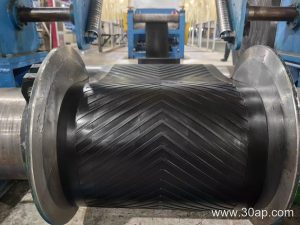
The fabric core can be made of EP (polyester warp, nylon weft) or NN (nylon warp, nylon weft). EP fabric offers low elongation and good dimensional stability, while NN fabric provides high flexibility and impact resistance. The rubber covers can be formulated for different service conditions: abrasion-resistant, heat-resistant, oil-resistant, flame-retardant, anti-static, cold-resistant, acid and alkali resistant, and patterned (such as chevron or wave-edge) for inclined conveying.
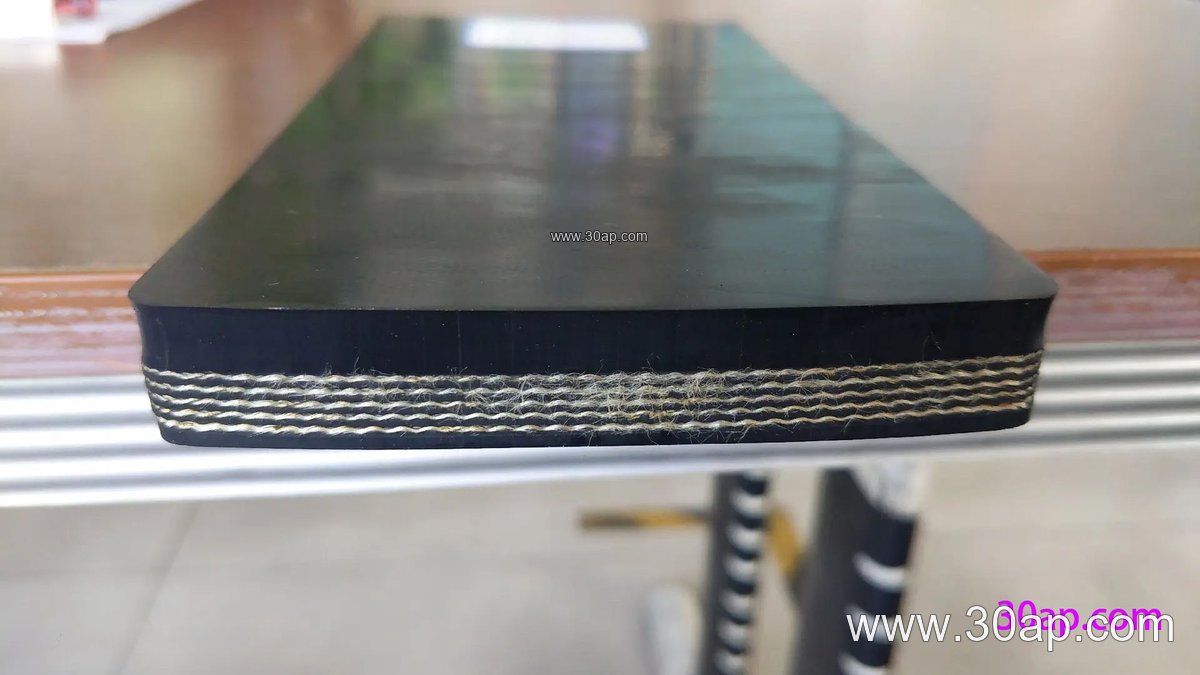
Typical strength grades for fabric core conveyor belts include EP200, EP315, EP400, EP500, EP630, EP800, EP1000, EP1250, EP1600, and EP2000. These grades indicate the nominal tensile strength of the belt in N/mm. The appropriate grade depends on the conveyor design, material weight, and operating conditions.
Common Specifications
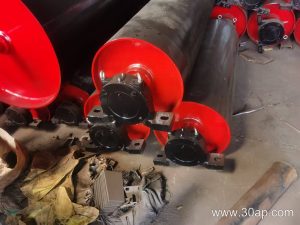
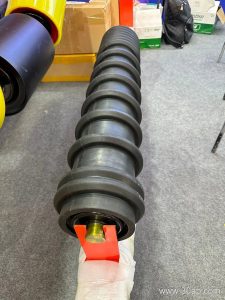
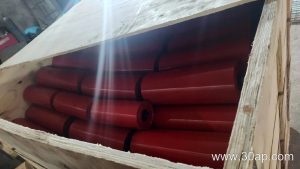
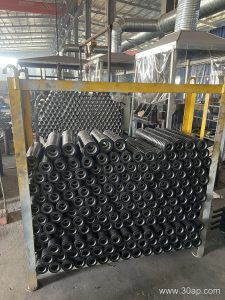
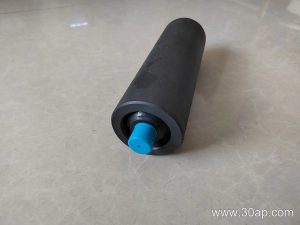
Fabric core conveyor belts are available in a range of widths to match conveyor systems. Common belt widths include B500, B650, B800, B1000, B1200, B1400, B1600, B1800, and B2000. The belt width must be selected to handle the required capacity and material lump size. The fabric core conveyor belt is often used with conveyor pulleys, idler rollers, and conveyor brackets that are sized to match the belt width and load. For example, a B800 belt would typically run on a conveyor with 800 mm wide pulleys and idler rollers. However, the specific pulley diameter and shaft size are determined by the conveyor design and belt tension, not by belt width alone.
Applications in Industry
Fabric core conveyor belts are widely used in mining, coal preparation, cement plants, power stations, and sand and gravel operations. In mining, they transport ore, coal, and waste rock. In cement plants, they carry limestone, clinker, and cement. Power plants use them for coal and ash handling. The fabric core construction is well-suited for conveyors with moderate to high capacity and where flexibility is needed to negotiate transition zones and small pulleys.
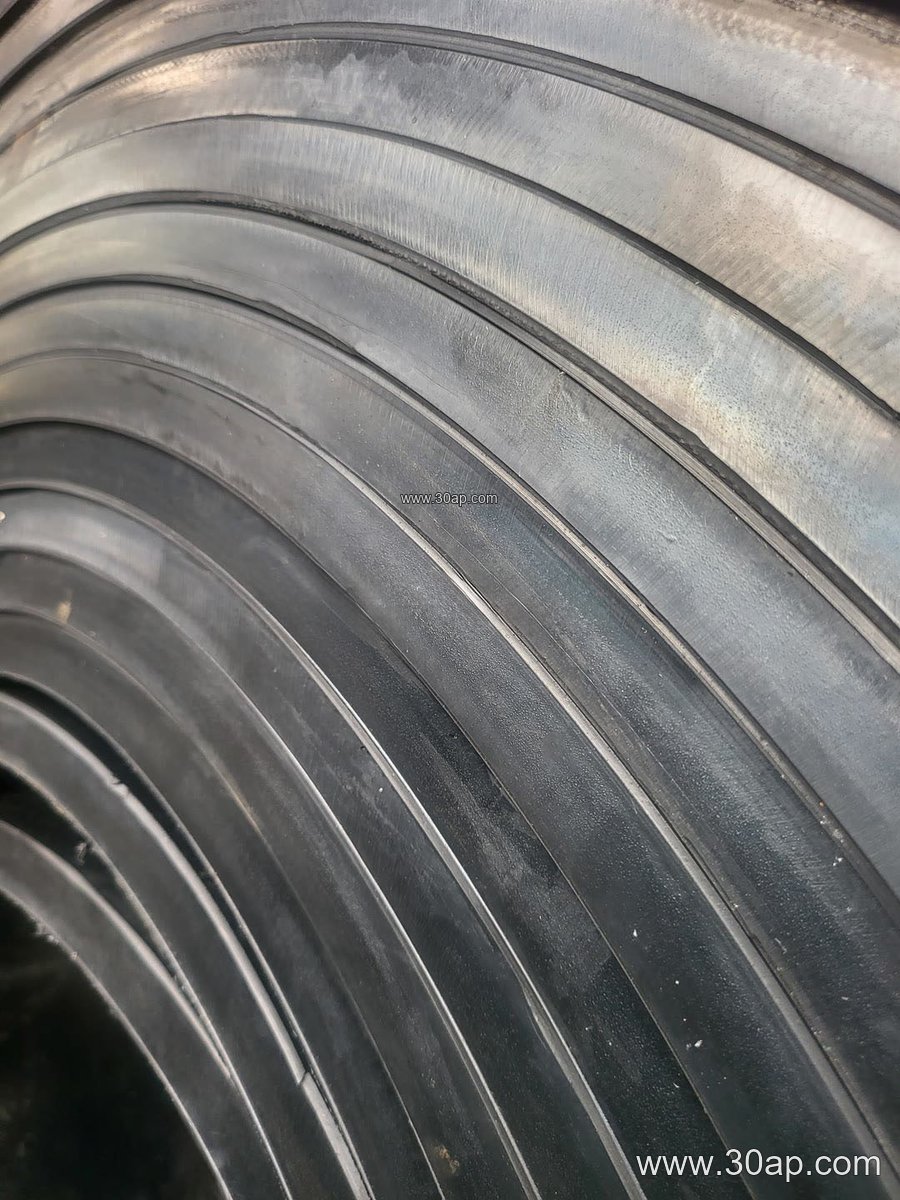
For abrasive materials, belts with abrasion-resistant covers are preferred. In coal mines, flame-retardant and anti-static belts are often required for safety. Heat-resistant belts are used in cement and metallurgical plants where material temperatures are elevated. Oil-resistant belts are chosen when conveying oily materials or in environments with oil contamination.
Selection and Buyer Considerations
When selecting a fabric core conveyor belt, buyers should consider the material to be conveyed, its lump size, temperature, and chemical properties. The required belt strength is calculated based on the conveyor length, incline, capacity, and material weight. The number of plies and cover thickness should be chosen to provide adequate strength and wear life. The pulley diameters and idler roller spacing should be compatible with the belt’s flexibility to avoid excessive stress. Conveyor pulleys, idler rollers, and brackets should be selected to match the belt width and load.
It is important to specify the correct cover grade and type for the environment. For example, a belt with 6+2 mm covers may be suitable for abrasive conditions, while a 3+1.5 mm cover might be adequate for lighter service. The fabric type (EP or NN) affects elongation and impact resistance. Buyers should also consider the availability of belt splicing materials and services. Working with a reputable supplier who can provide technical data and support is recommended.
Proper maintenance, including regular inspection of the belt, pulleys, and idler rollers, helps extend service life. Keeping the belt aligned and avoiding overloads are key to reliable operation. The fabric core conveyor belt remains a versatile and cost-effective solution for many bulk handling applications.