Start With the Duty, Not the Catalog
Selection begins with four inputs: material, speed, temperature, and operating conditions.
Match the Conveyor Belt to Each Input
Material and Speed
- Abrasive clinker favors abrasion-resistant covers.
- Higher speed raises impact and wear demands.
Temperature and Conditions
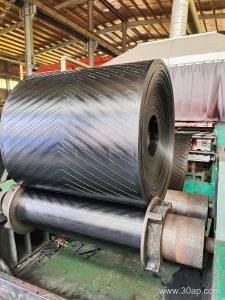
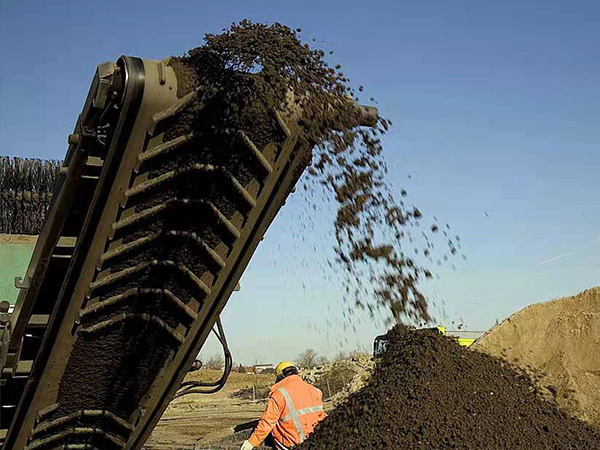
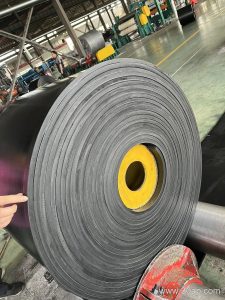
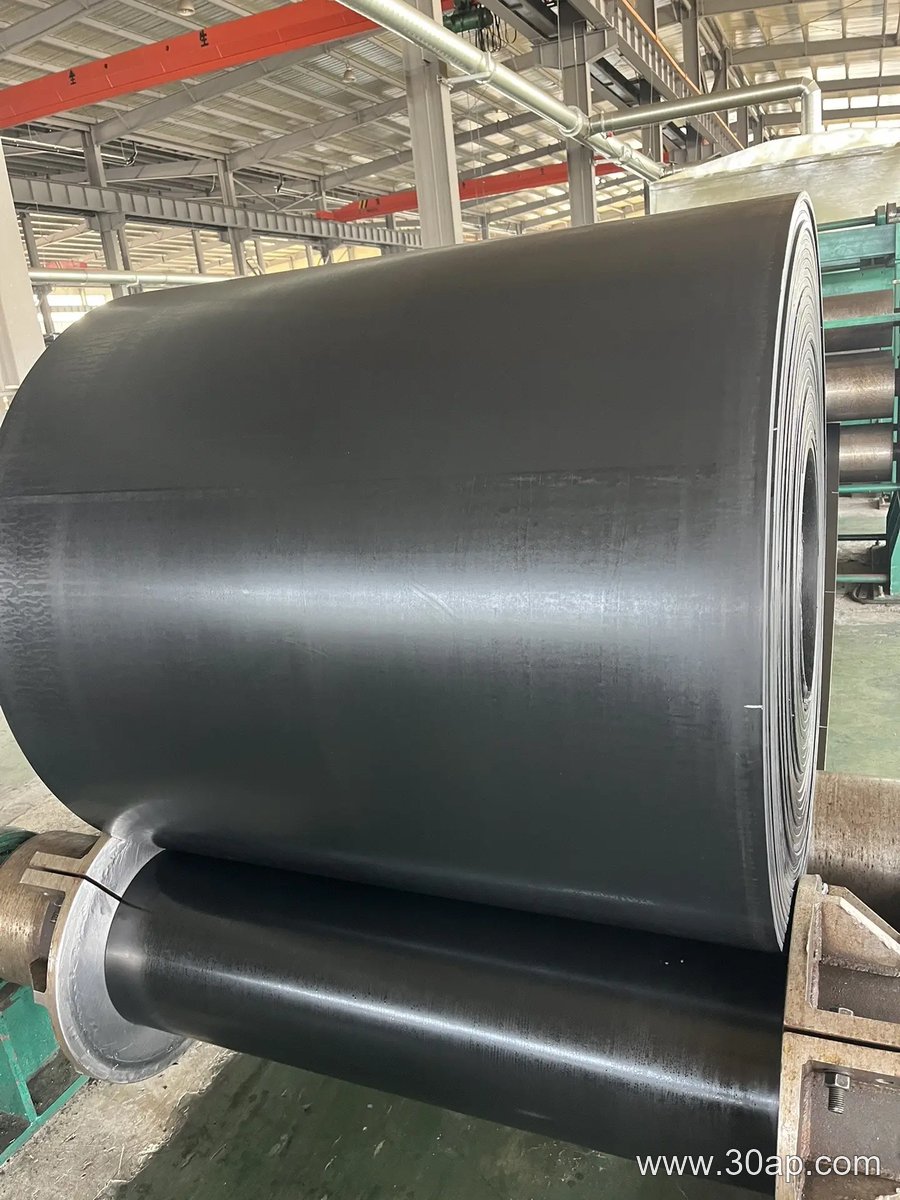
Heat-resistant grades suit hot clinker; a pipe conveyor belt may suit dusty, enclosed routes. For wide lines, a 1000mm conveyor belt or 1500mm wide conveyor belt changes load capacity and tracking sensitivity.
Confirm the Choice
Check pulley diameter, take-up, and transitions before ordering.
Why “Heavy-Duty” Alone Is Not a Grade for an Idler Roller
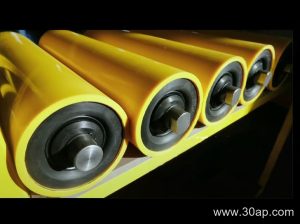
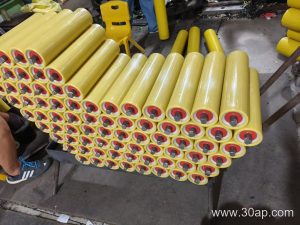
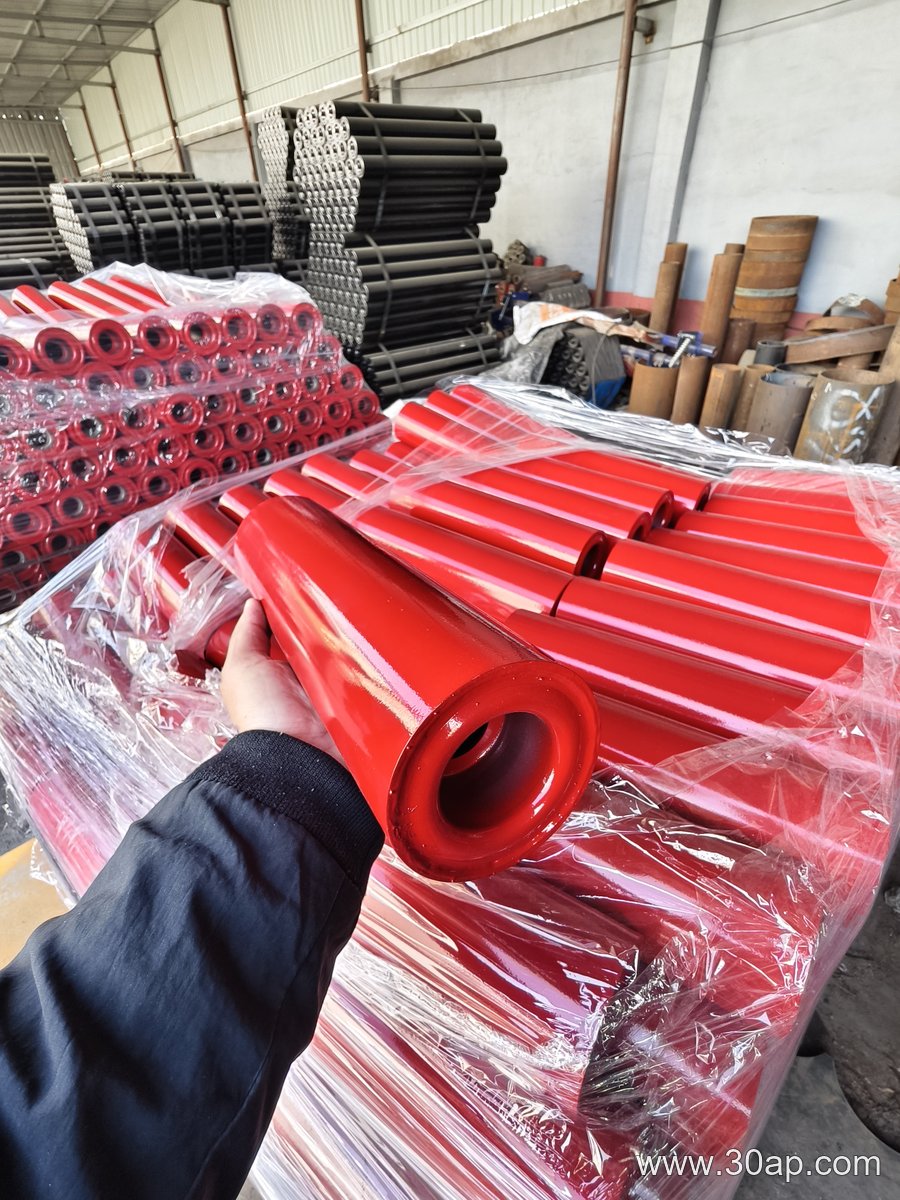
In a dusty quarry, an idler roller is often specified by a single word: heavy-duty. That word is not a grade. Standards and grades exist to connect an idler roller to measurable conditions—load, speed, dust, and expected service interval. The mechanism is straightforward: a standard defines test methods and dimensional boundaries; a grade expresses a performance level within those boundaries. Without both, a buyer compares labels instead of capabilities.
What Standards Cover for an Idler Roller
Relevant standards typically address shaft diameter, bearing housing fit, roller concentricity, and load-carrying classification. They do not promise a specific bearing life, and they do not certify a particular quarry installation. Their purpose is to give a common language: when a supplier states a load rating or a dimensional tolerance, the standard explains how that figure was derived and what scope it applies to.
Grades as a Practical Filter
- Light grade: clean, low-speed, intermittent duty.
- Medium grade: moderate dust and continuous operation.
- Heavy grade: abrasive dust, high load, and limited maintenance access.
In a dusty quarry, the grade should reflect the dust ingress risk as much as the belt load. A medium-grade idler roller with effective sealing may outperform a heavier roller with poor bearing protection.
Reading a Standard Without Overclaiming
Do not assume a standard edition is current or that a product is certified. Instead, ask which clauses the supplier applies and how they test. For a quarry, request the dimensional scope and the load classification method. That is enough to compare two idler rollers honestly.
Wet Outdoor Service: The Real Load Case for a Conveyor Pulley
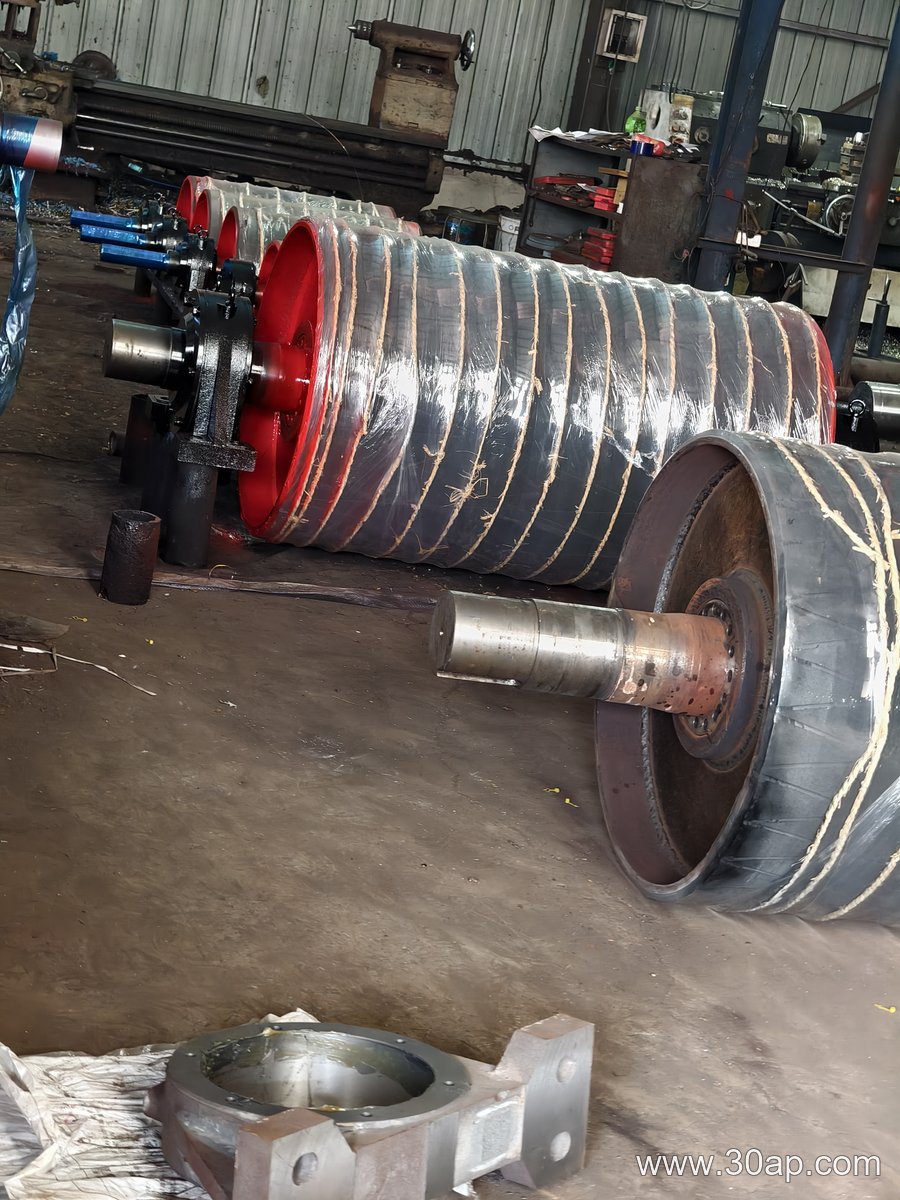
Rain, washdown, and temperature swings turn a conveyor pulley into a corrosion-and-fatigue problem, not just a torque problem. The shell, lagging, and shaft seals each face different attack.
Engineering Trade-Offs in a Conveyor Pulley
Thicker shells resist bending but add inertia and weight. Lagging improves grip when wet but can trap moisture if edges are not sealed. Stainless hardware resists corrosion but may be softer under load.
- Balance stiffness against bearing and shaft loads.
- Choose lagging for wet grip without trapping water.
- Protect seals and end discs, not just the shell.
For a hypothetical wet outdoor conveyor, the goal is a conveyor pulley that drains, seals, and tolerates misalignment without becoming unnecessarily heavy.
Service Factor: The Conveyor Bracket Rating That Changes Your Design Load
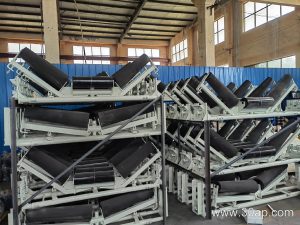
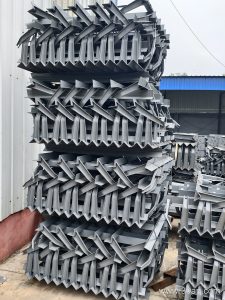
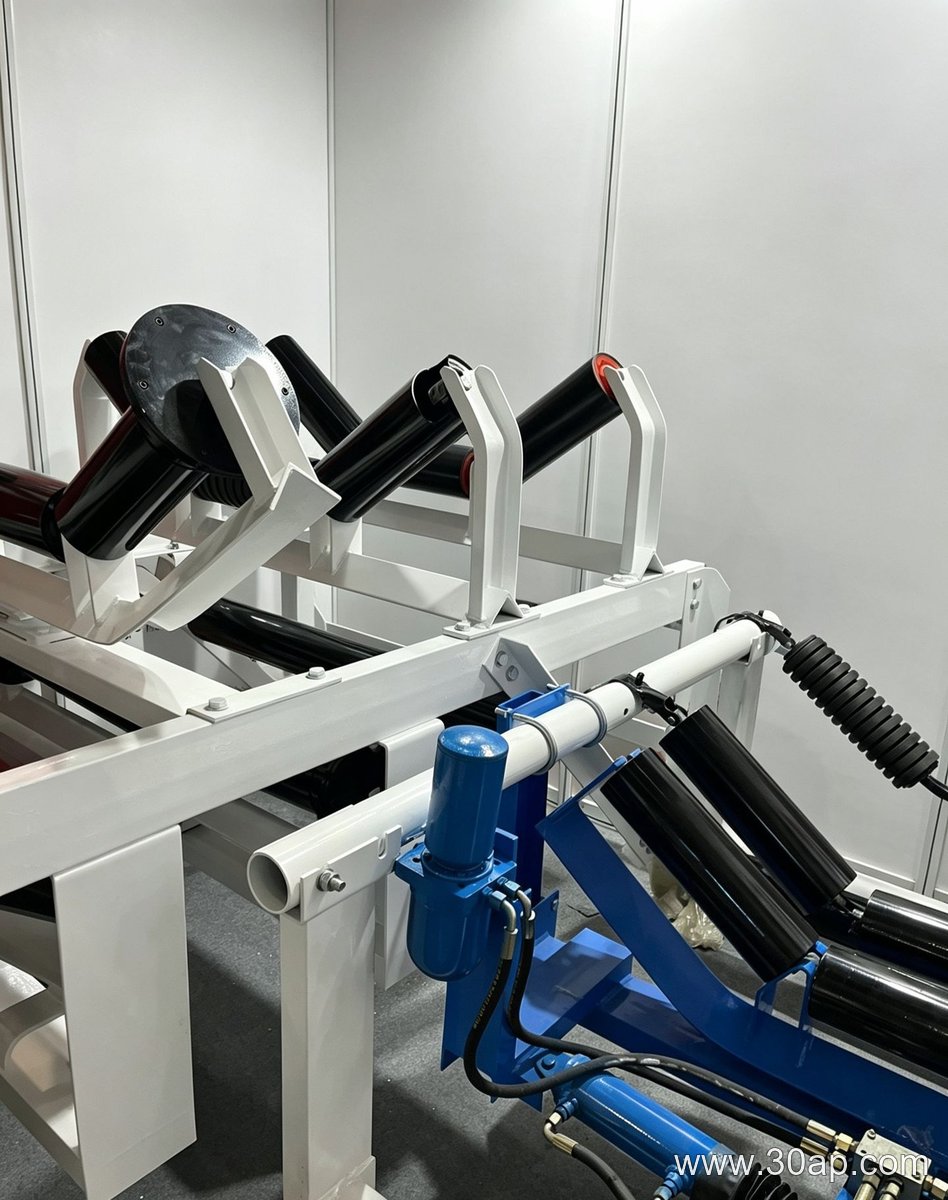
In a mineral-processing plant, a conveyor bracket is often chosen by bolt pattern and steel thickness. But the service factor—a multiplier applied to the calculated load—can matter more. For example, a bracket rated for a 5 kN static load with a service factor of 1.5 is designed for 7.5 kN, affecting plate thickness and weld size. This is a hypothetical illustration; actual values depend on the application.
Why the Service Factor Affects Engineering Decisions
A higher service factor accounts for shock, vibration, and material buildup. In a mineral-processing plant, where fugitive ore dust and start-stop cycles are common, a conveyor bracket with a low service factor may need reinforcement or a different alloy. The trade-off: a higher factor increases cost and weight, but reduces fatigue risk.
Practical Check Before You Specify
- Ask the supplier how the service factor was derived.
- Compare it to the actual duty cycle, not just the average load.
- Confirm the bracket’s allowable stress with the proposed material.
Ignoring this designation can lead to premature bracket failure, even if the static load seems safe.