Conveyor Belt FAQ: Practical Answers for Wet Outdoor Duty
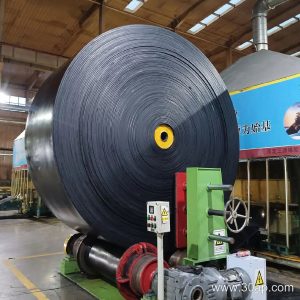
A conveyor belt in rain and mud forces a trade-off: a smooth cover sheds water but slips on inclines, while a chevron conveyor belt grips but traps grit at the cleaning blade. Below are common questions.
Does a chevron conveyor belt need different tracking?
Yes. The raised ribs can catch on return idlers, so side guides and clearance matter.
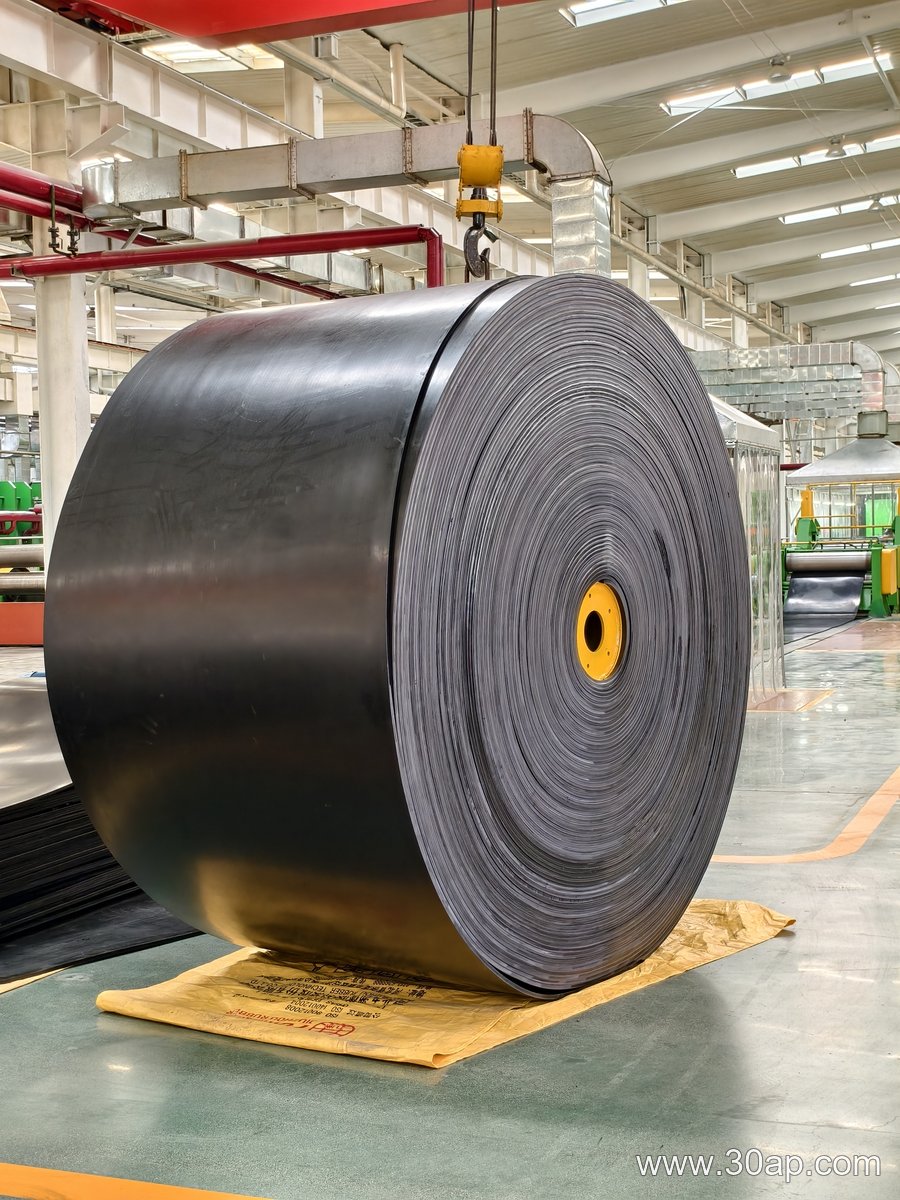
Can I splice a wet conveyor belt outdoors?
Only in a tented, dry zone; moisture ruins adhesion.
Why does tension drift after rain?
Wet material adds load and the carcass can stretch slightly.
Inspecting Idler Rollers Before They Fail
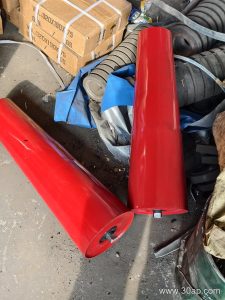
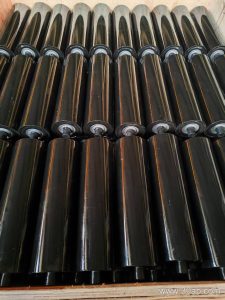
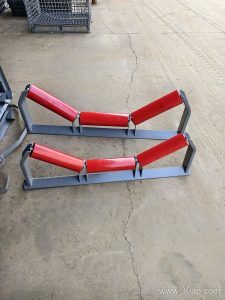
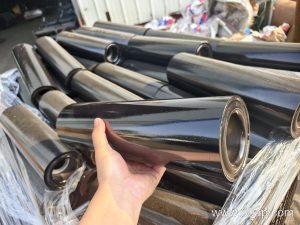
At a bulk-material port terminal, an idler roller runs under constant dust and load. A short scenario: a roller begins to drag, belt tracking shifts, and spillage appears. A compact checklist helps: check for free rotation, unusual noise, seal condition, and shell wear.
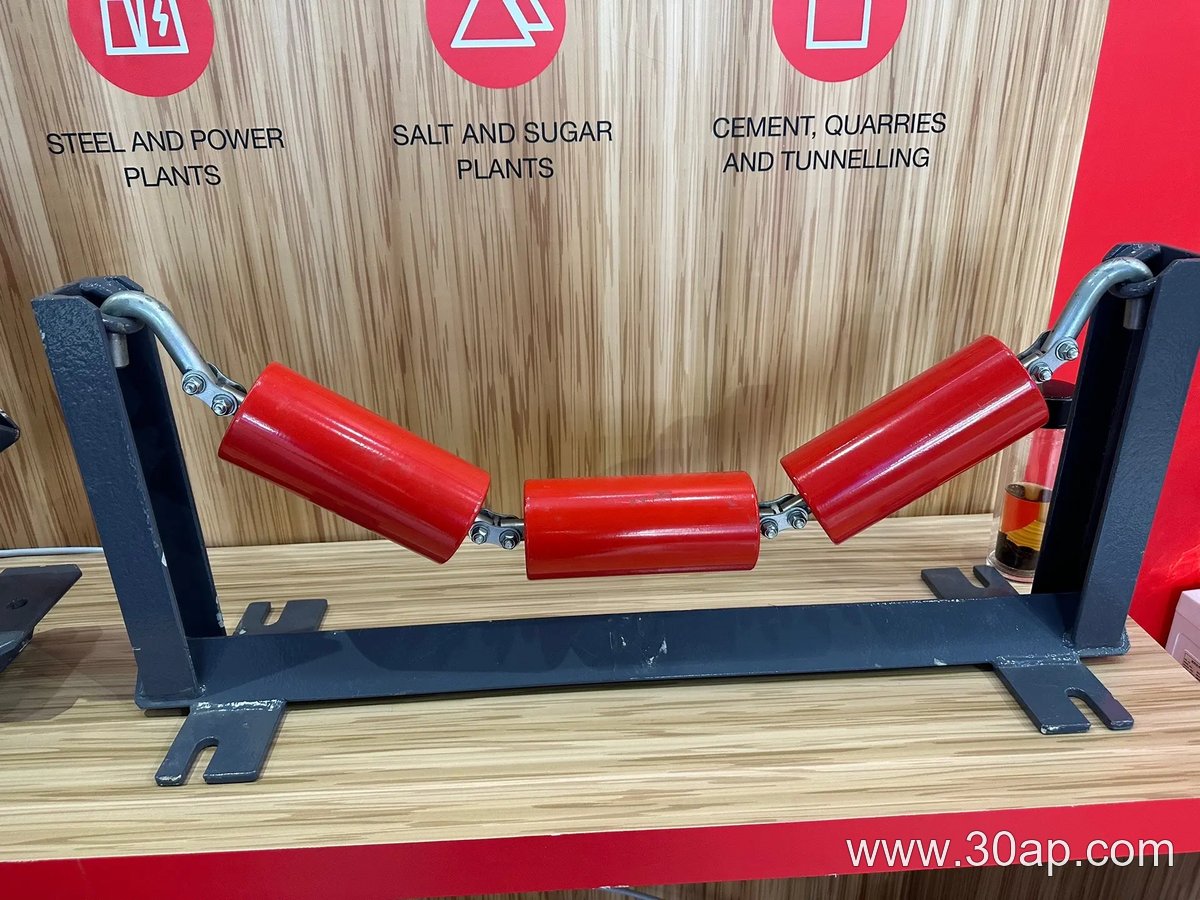
Preventive Maintenance Steps
- Clean debris from the roller and frame.
- Verify alignment and belt contact.
- Listen for bearing squeal or grinding.
- Measure shell wear and shaft play.
Signs Replacement Is Needed
Replace an idler roller when it seizes, leaks grease, has a cracked shell, or shows deep wear grooves. Ignoring these signs increases belt damage and downtime. A planned replacement schedule based on inspection findings is more effective than reactive repairs.
Balancing Load Capacity and Dust Resistance in a Conveyor Pulley
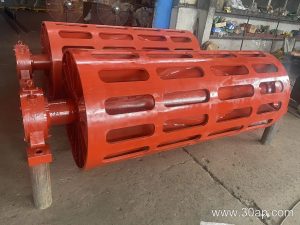
In a dusty quarry, a conveyor pulley must handle abrasive dust without frequent maintenance. The trade-off is between a heavier, more robust design and a lighter one that may fail prematurely. For sourcing from China, accurate specifications and supplier evaluation are key.
Preparing Your Conveyor Pulley Specifications
Start by defining the duty: drive, bend, or take-up. Specify the belt width, pulley diameter, shaft diameter, and lagging type. Include the load, speed, and environmental conditions like dust and temperature. Mention any required standards, such as ISO or CEMA, but avoid assuming a specific edition is current.
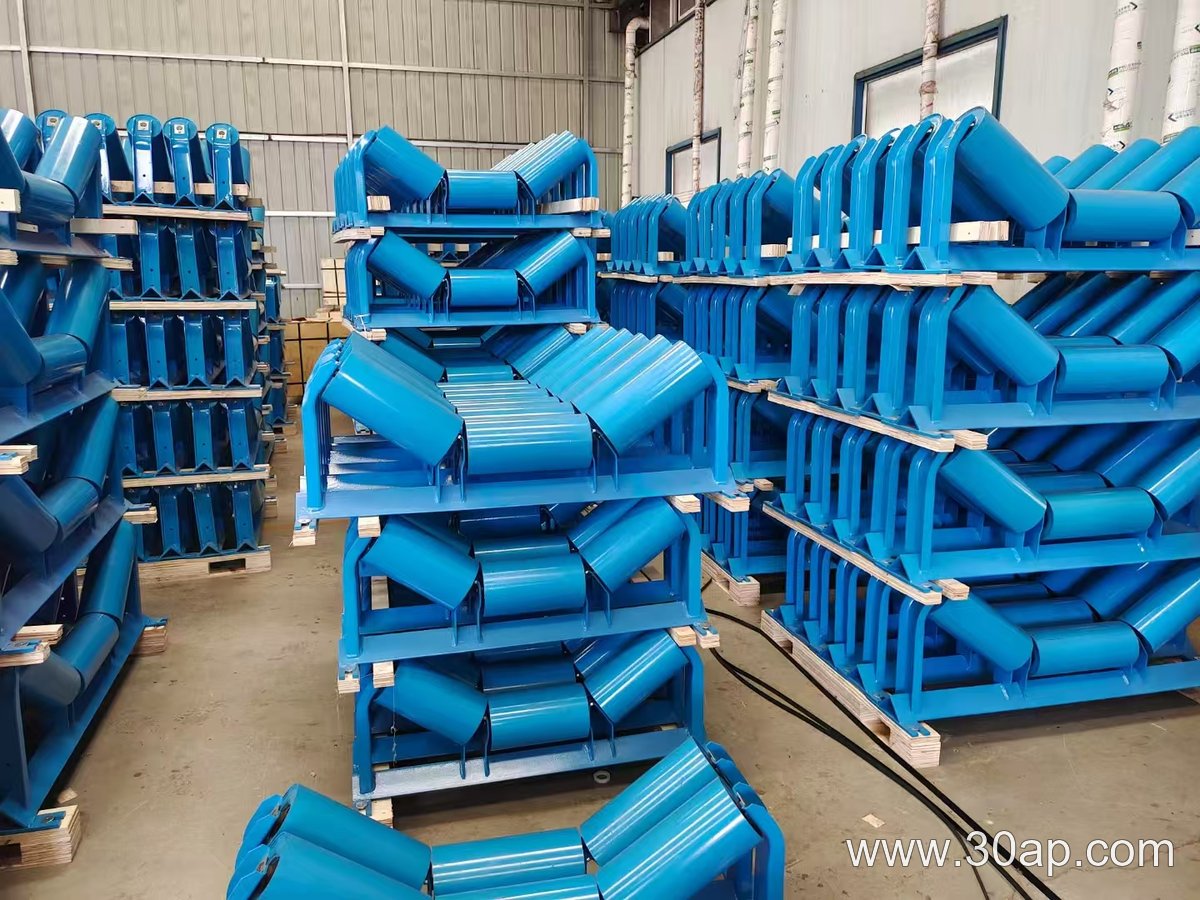
Evaluating a Chinese Conveyor Pulley Supplier
Request detailed drawings, material certificates, and test reports. Check for experience with similar quarry applications. Ask about welding quality, balancing, and lagging application. A supplier that asks about your operating conditions is more likely to deliver a suitable conveyor pulley.
FAQ: Sourcing a Conveyor Pulley from China
What should I verify in a supplier’s factory? Look for consistent welding, proper machining of shaft fits, and dynamic balancing equipment. How do I compare quotes? Ensure each quote is based on the same specifications, including lagging, bearings, and surface treatment.
How Conveyor Bracket Types Differ in a Dusty Quarry
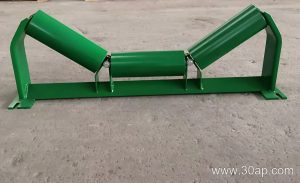
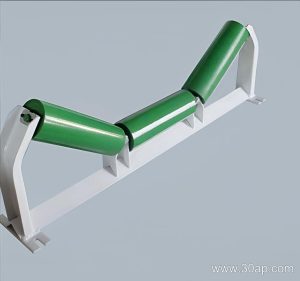
A conveyor bracket holds idlers, stringers, and guards in alignment. In a dusty quarry, classification by construction matters more than catalog weight, because dust finds every gap.
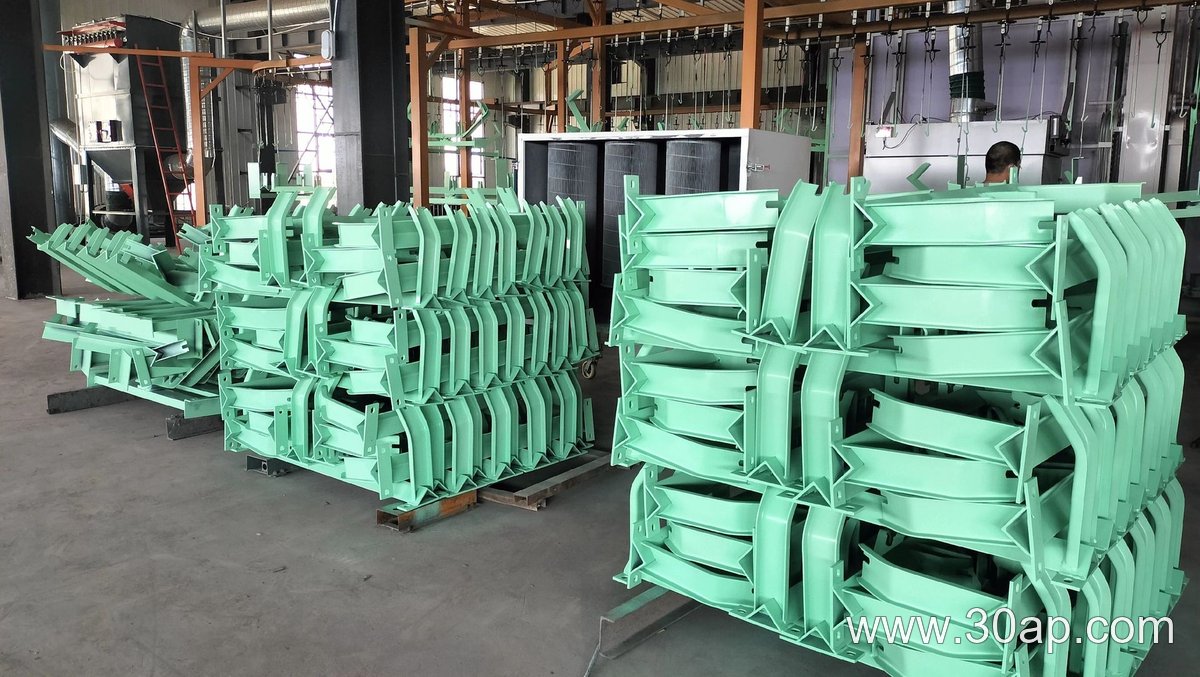
Fixed and adjustable brackets
- Fixed conveyor bracket: welded or bolted one-piece; used on stable, permanent runs where alignment is set once.
- Adjustable conveyor bracket: slotted or shimmed; used where belt tracking or stringer height must be corrected after installation.
Duty-based classes
Heavy-duty conveyor brackets use thicker plate and gussets for high idler loads. Light-duty brackets suit secondary or narrow belts. Specify dust covers and accessible bolt holes in quarry service.