Conveyor Belt Selection and Purchasing Guide
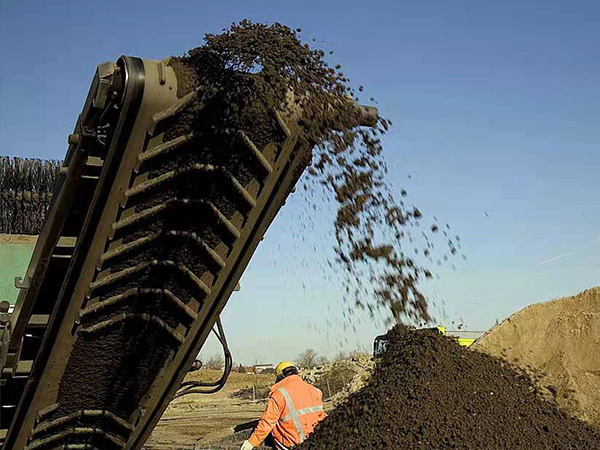
A conveyor belt is the core of any material handling system. Choose the right belt to cut downtime and export costs.
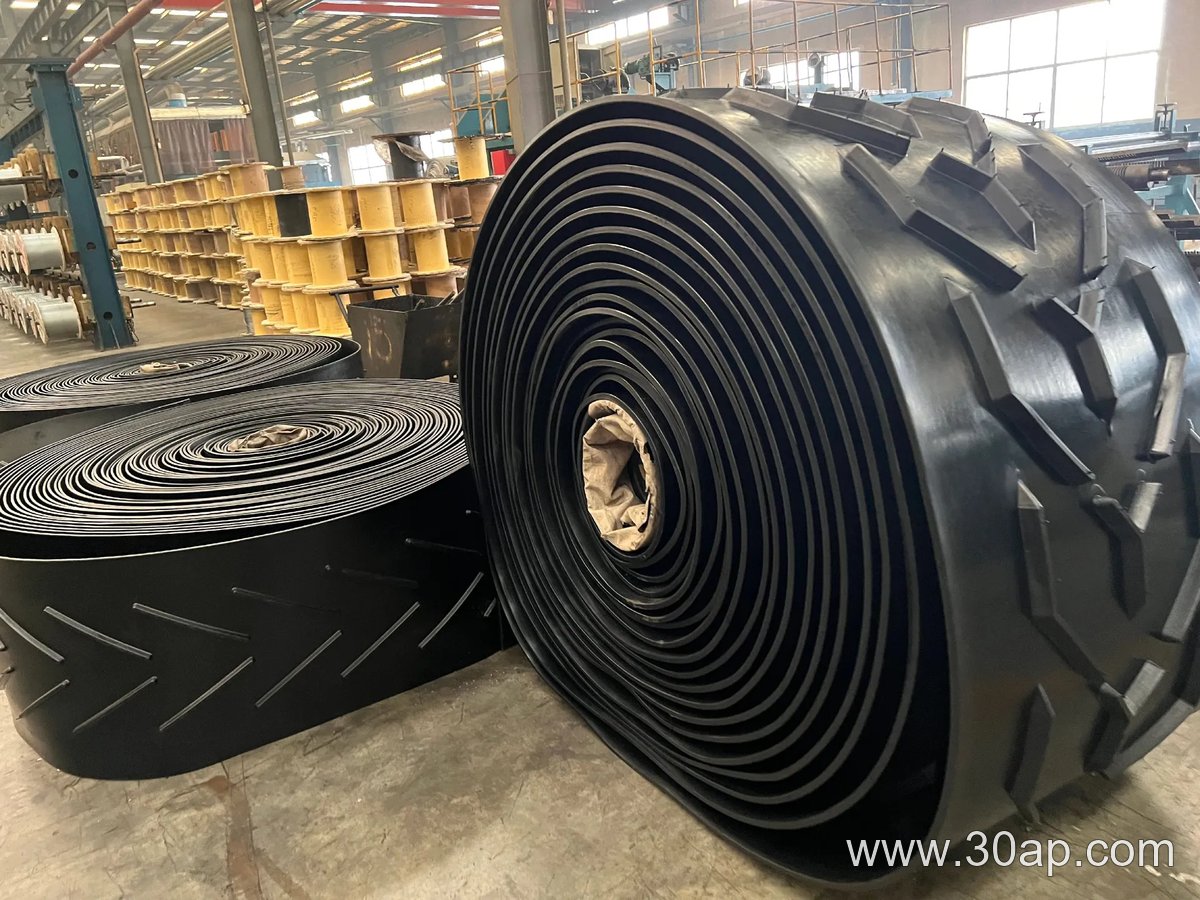
Key Selection Factors
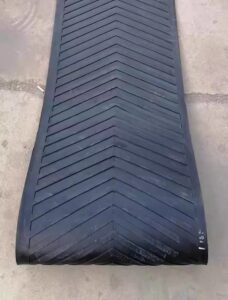
- Load weight and belt tension rating
- Material: rubber, PVC, or steel cord
- Operating temperature and abrasion resistance
- Belt width, length, and splice type
Purchasing Advice
Verify ISO certificates, request test reports, and confirm shipping dimensions. Compare warranty and spare part availability before ordering.
Idler Roller Essentials for Industrial Conveyors
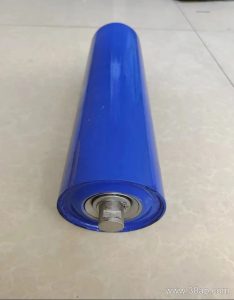
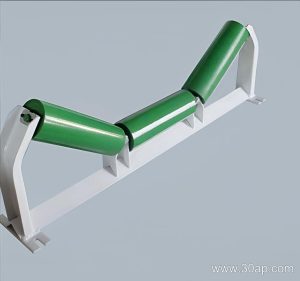
An idler roller supports the belt and reduces friction in bulk handling systems. Choose the right unit to cut downtime and energy costs.
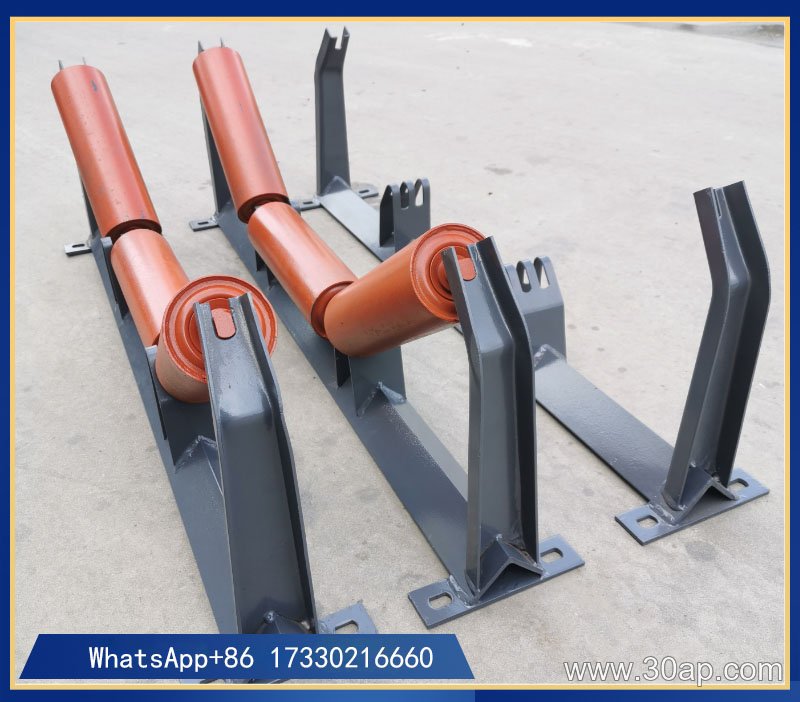
Key Selection Factors
- Load capacity and belt width
- Bearing type and sealing
- Roller diameter and wall thickness
- Material compatibility
Purchasing Advice
Verify shaft tolerance, dynamic balance, and corrosion resistance. Request test data and compare total cost, not just price.
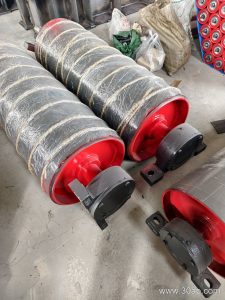
Conveyor Pulley: Core of Belt Systems
The conveyor pulley drives and tensions the belt. Choose the right one for reliability and efficiency.
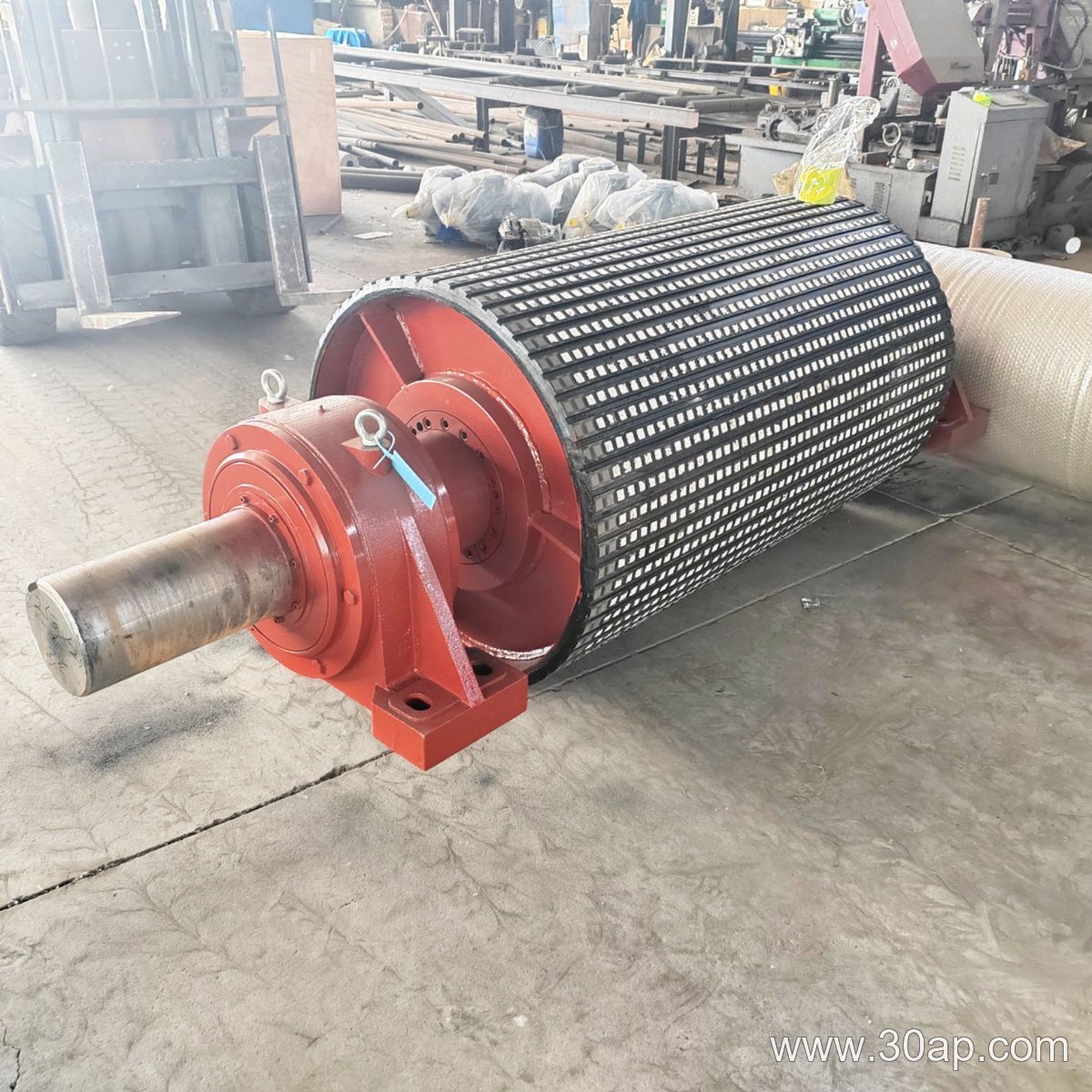
Key Selection Factors
- Load capacity and belt width
- Pulley diameter and face length
- Lagging type for grip
- Bearing and shaft design
Purchasing Advice
Verify material, balance, and alignment. Request load ratings and maintenance schedules. Prioritize suppliers with proven industrial references.
Conveyor Bracket: The Unsung Hero of Industrial Material Handling
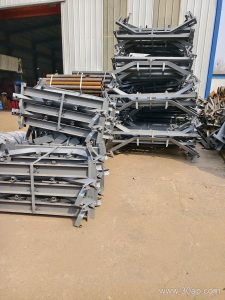
A conveyor bracket is the structural component that connects rollers, idlers, or frames, ensuring smooth and stable conveyor operation. Choosing the right bracket reduces downtime and maintenance costs.
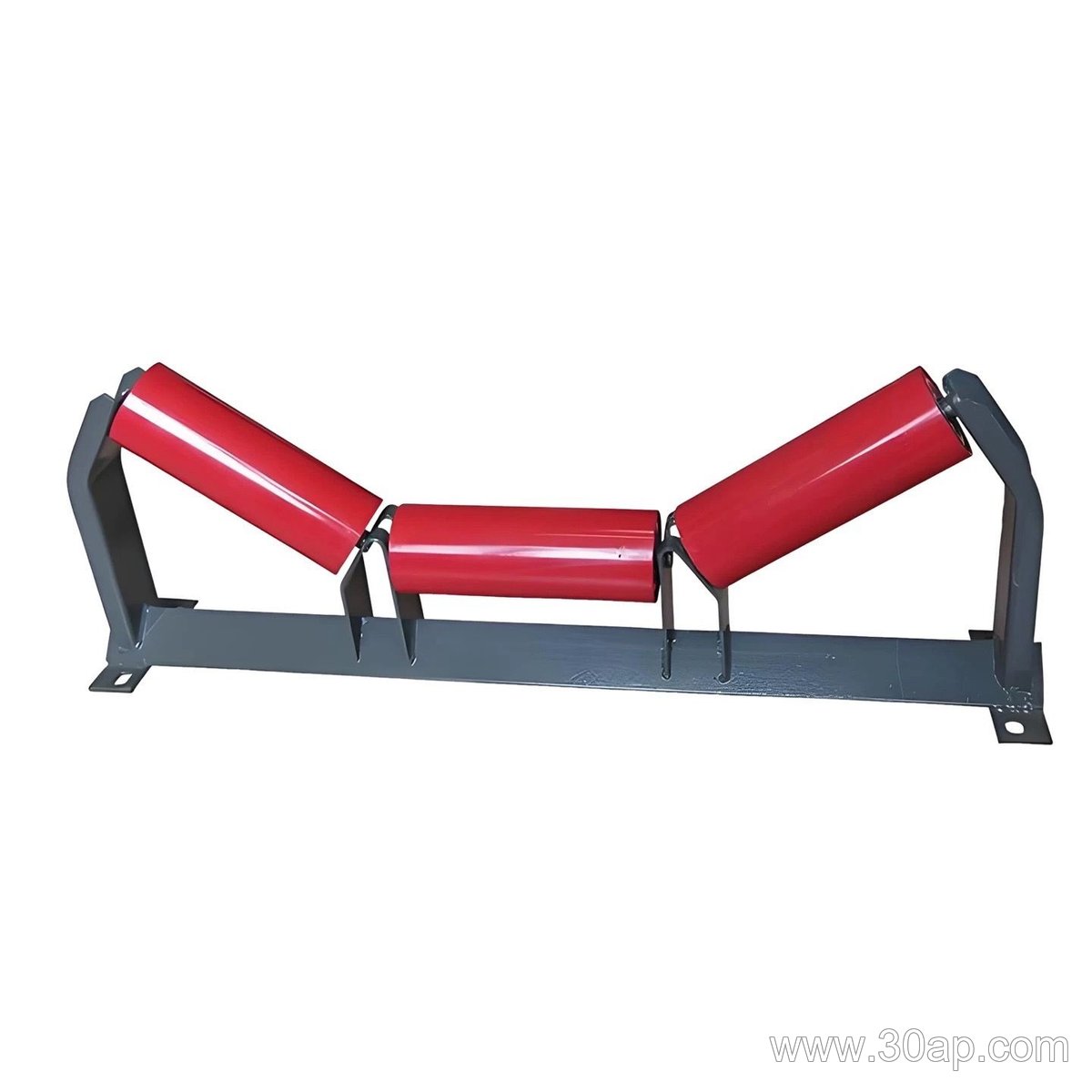
Selection and Purchasing Advice
- Match bracket material to load and environment: mild steel for general use, stainless steel for washdown or corrosive areas.
- Verify mounting dimensions and hole patterns against your conveyor frame and roller shaft.
- Consider adjustable designs for tensioning and alignment.
- Check load ratings and fatigue resistance for continuous duty.
- Buy from suppliers offering consistent tolerances and corrosion protection.