Conveyor Belt Selection and Purchasing Guide
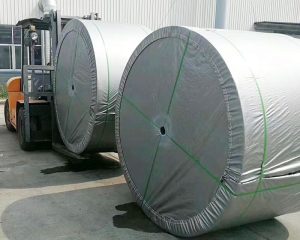
A conveyor belt is the core of any bulk handling line. Match cover compound, carcass, and splice to your material, load, and climate before you buy.

Key selection factors
- Material: abrasive, oily, hot, or food-grade.
- Load and speed: tension rating and pulley diameter.
- Environment: UV, moisture, or extreme temperature.
Purchasing advice
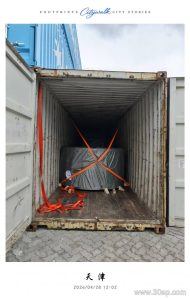
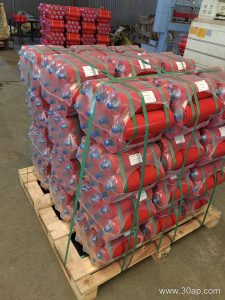
Request test reports, confirm belt width and edge condition, and verify export packing. Compare total cost, not price alone.
Idler Roller Selection and Purchasing Guide
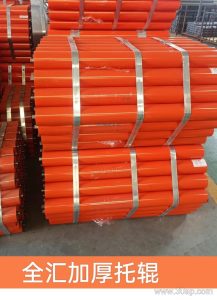
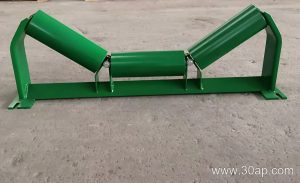
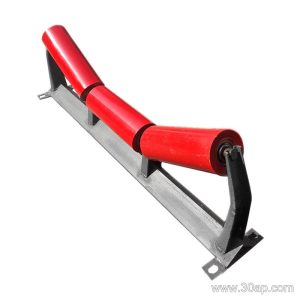
An idler roller supports and guides conveyor belts without driving them. Choosing the right unit reduces downtime and energy costs.

Key Selection Factors
- Load capacity and belt width
- Bearing type: sealed vs. open
- Shell material: steel, stainless, or polymer
- Environmental conditions: dust, moisture, heat
Purchasing Advice
Verify shaft tolerance, roller balance, and grease retention. Prefer interchangeable standard sizes for faster replacement. Request test data on radial runout and service life before bulk ordering.
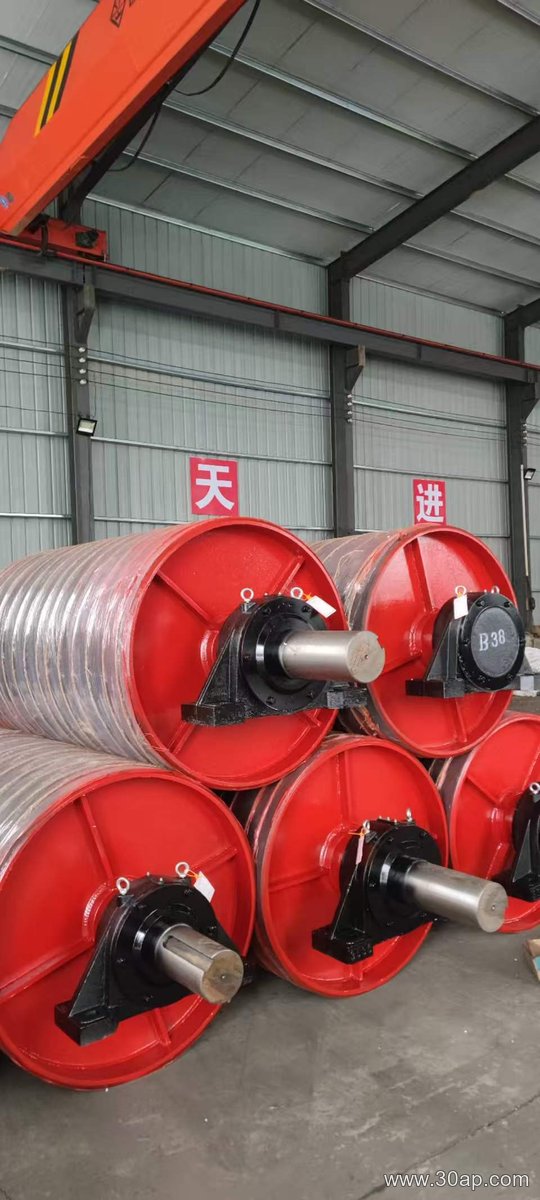
Selecting the Right Conveyor Pulley
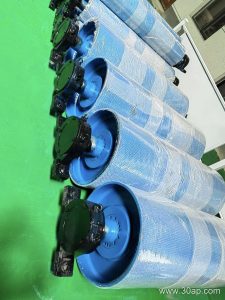
A conveyor pulley drives and tensions the belt. Choose based on load, diameter, lagging, and shaft. For heavy duty, use welded steel with rubber lagging. Check balance and bearing fit. Purchase from certified makers, confirm crown for tracking, and match pulley to belt width. Proper selection cuts downtime.
Conveyor Bracket: The Backbone of Your Material Handling System
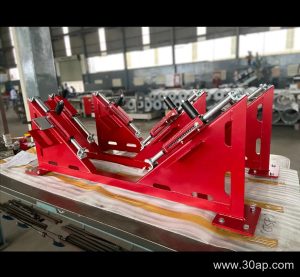
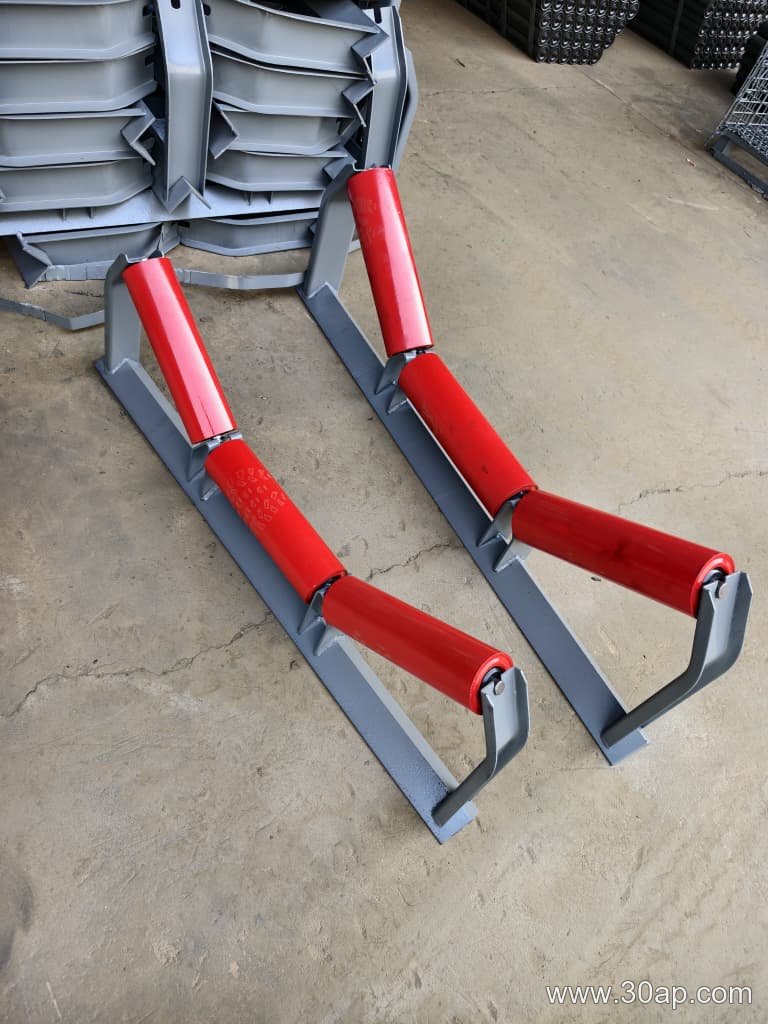
A conveyor bracket is the structural component that supports rollers, idlers, and pulleys, ensuring proper alignment and load distribution. Choosing the right bracket directly affects system uptime and maintenance costs.
Selection and Purchasing Advice
- Match bracket material to your environment: stainless steel for washdown, painted steel for dry indoor use.
- Verify load ratings and bolt-hole spacing against your conveyor frame.
- Prefer adjustable designs for easier belt tracking.
- Check corrosion resistance and compatibility with existing rollers.
Invest in quality brackets to reduce vibration, premature wear, and costly downtime.