Key Factors When Selecting a Conveyor Belt
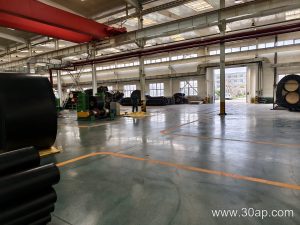
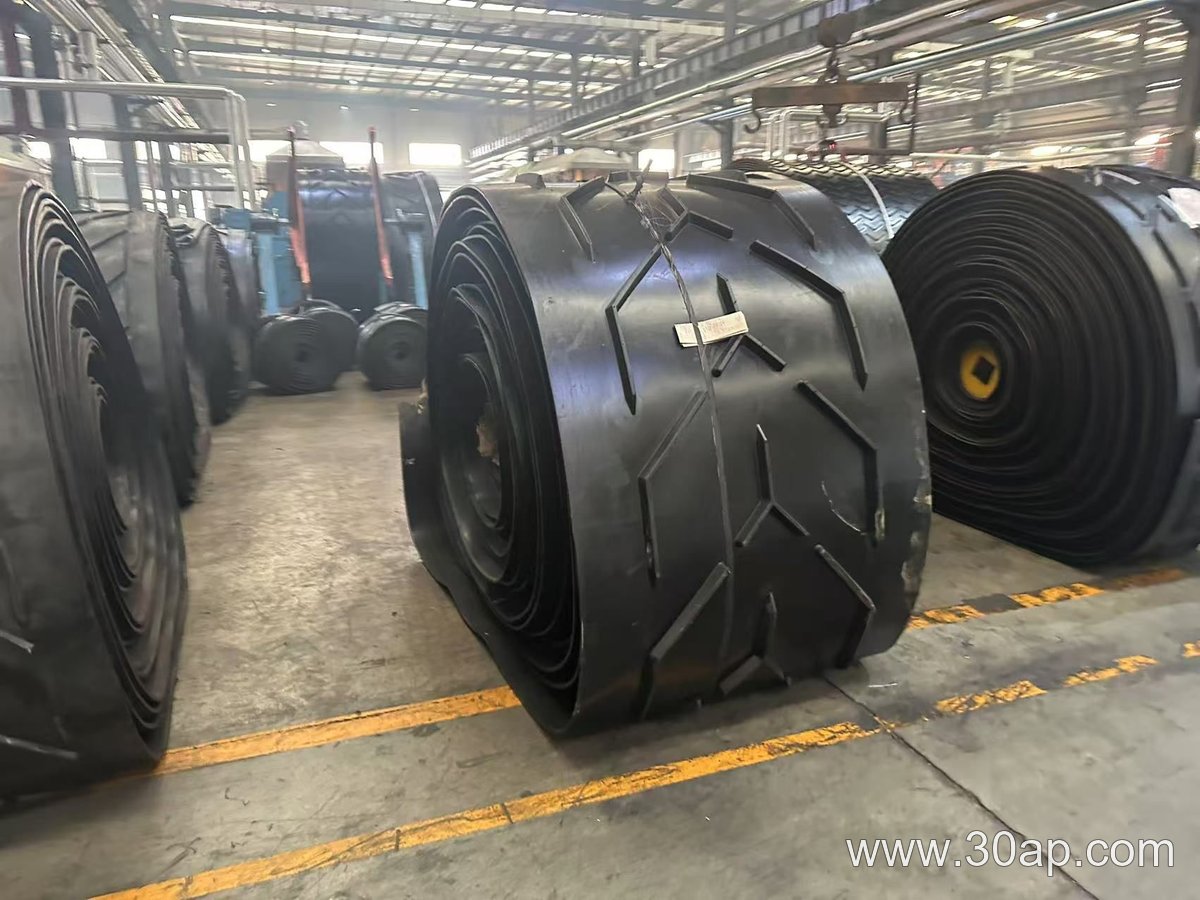
Match belt material to your load, speed, and environment. Consider abrasion, heat, and oil resistance.
Purchasing Checklist
- Confirm carcass type and tension rating.
- Verify cleat or profile needs.
- Check food-grade or fire-safe certifications.
- Review splice method and lead time.
Request test data and warranty terms before ordering.
Idler Roller: Essential Component for Conveyor Efficiency
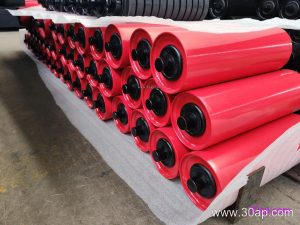
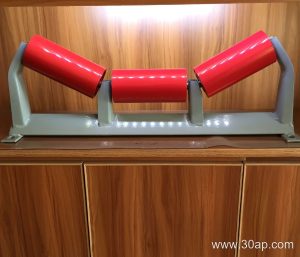
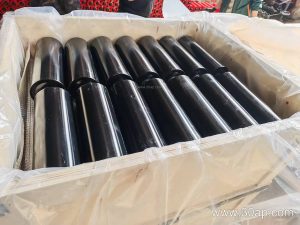
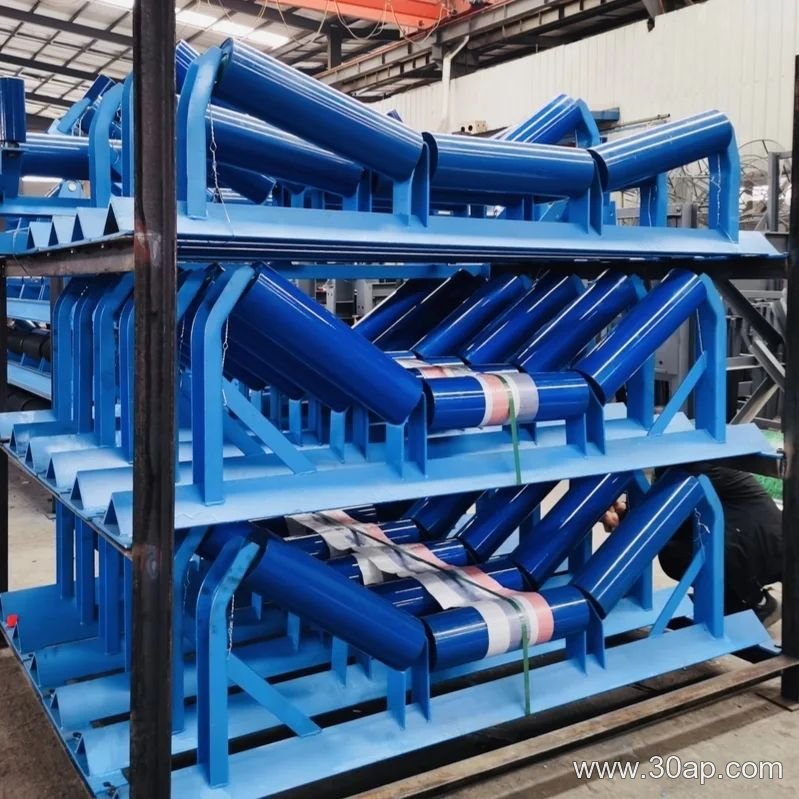
An idler roller supports the belt and reduces friction in bulk handling systems. Choosing the right unit improves uptime and lowers energy costs.
Key Selection Factors
- Load capacity and belt width
- Bearing type: sealed vs. open
- Material: steel, stainless, or polymer
- Environmental resistance to dust and moisture
Purchasing Advice
Verify shaft diameter, mounting style, and rotation speed. Request test data for dynamic load and service life. Buy from suppliers offering consistent tolerances and replacement parts.
Conveyor Pulley Essentials
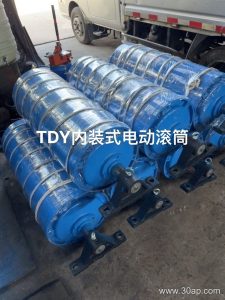
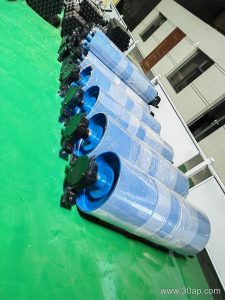
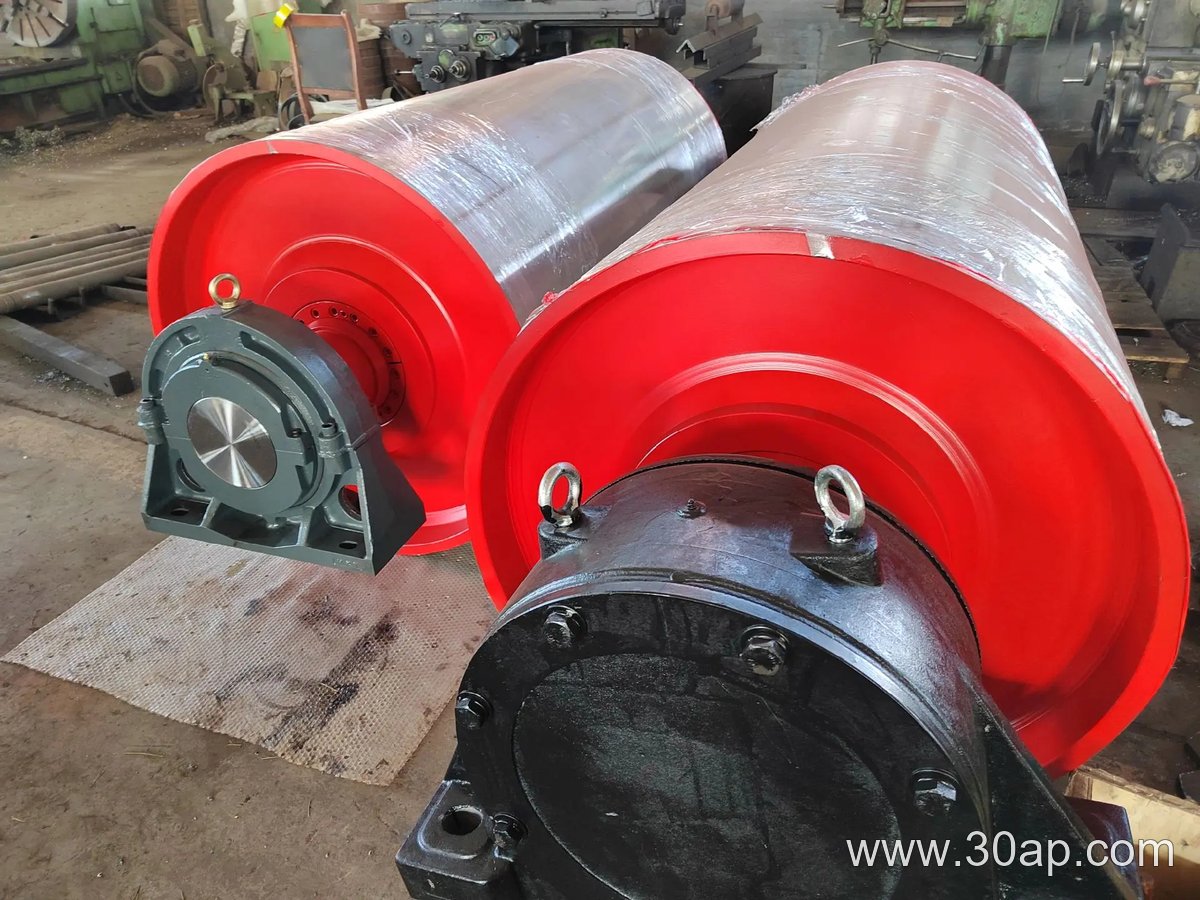
A conveyor pulley drives or redirects the belt. Choose drum or wing type based on load and environment.
Selection Tips
- Match diameter to belt tension and speed.
- Use lagging for grip; rubber for wet, ceramic for high slip.
- Check shaft, bearing, and hub fit.
Purchasing Advice
Verify load capacity, balance, and standards. Compare warranty and lead time before ordering.
Conveyor Bracket: The Backbone of Your Material Handling System
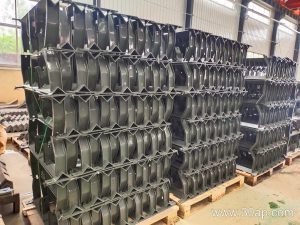
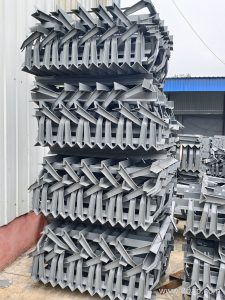
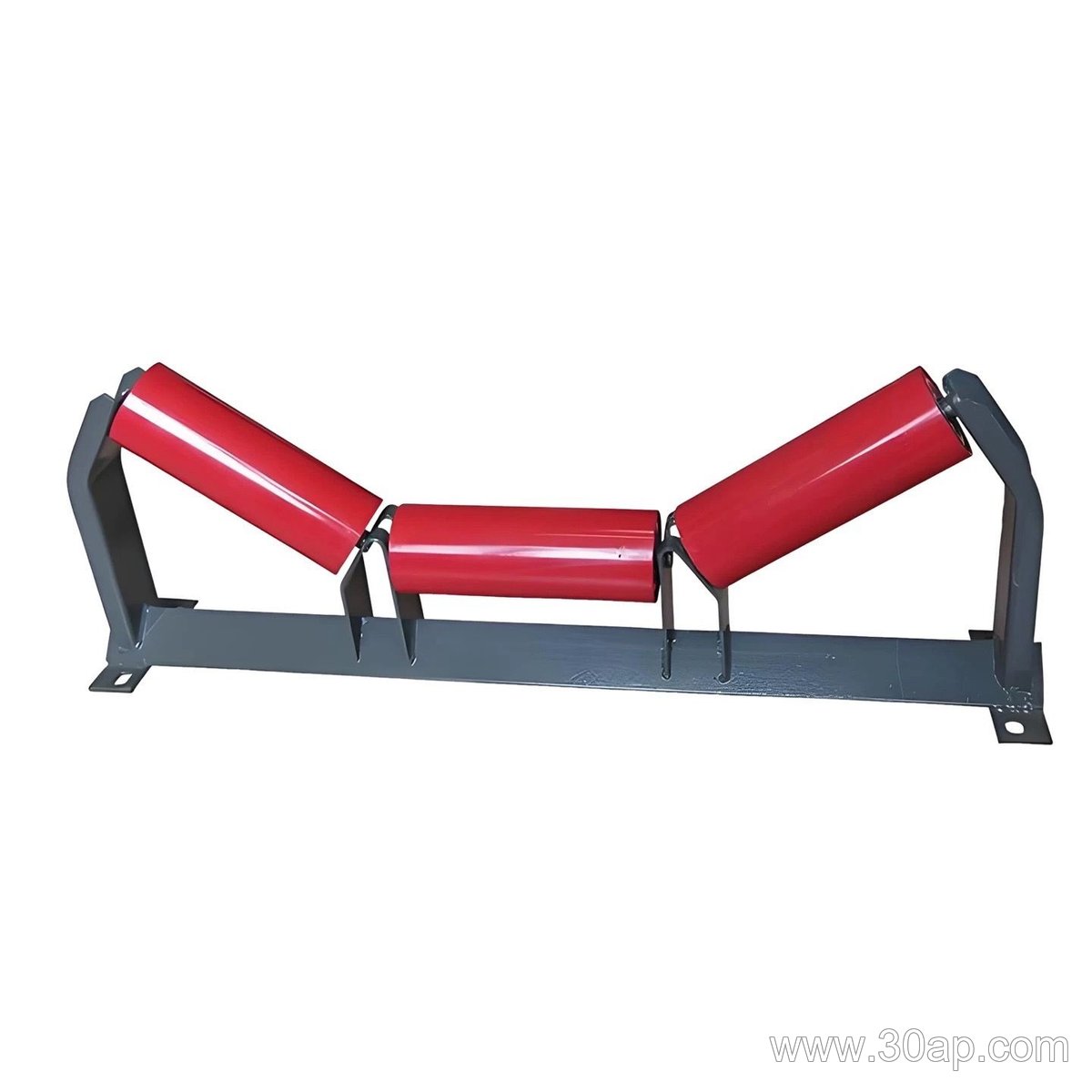
A conveyor bracket connects rollers, frames, and supports, ensuring smooth, safe operation. Choosing the right bracket reduces downtime and maintenance costs.
Selection and Purchasing Advice
- Match load capacity and belt width.
- Choose mild steel, stainless, or aluminum based on environment.
- Verify hole patterns and mounting compatibility.
- Prefer adjustable designs for easy alignment.
- Check corrosion resistance and warranty.