What a Reversible Dynamic Balance Belt Tracker Does
A Reversible Dynamic Balance Belt Tracker is a belt alignment device designed for conveyors that run in both directions. Instead of a fixed guide or a simple side roller, it uses a dynamic balancing action to sense and correct belt drift as the belt moves forward or backward. This makes it different from a one-way training idler, which may only work well in a single direction. In mines, coal preparation plants, cement works, power station coal yards and aggregate quarries, reversible belts are common on shuttle and stacking conveyors, so a tracker that follows the belt direction matters.
How the Tracker Is Built
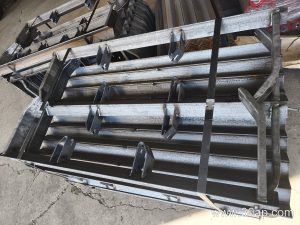
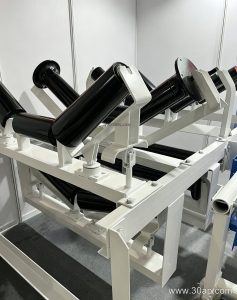
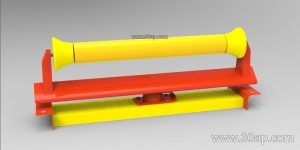
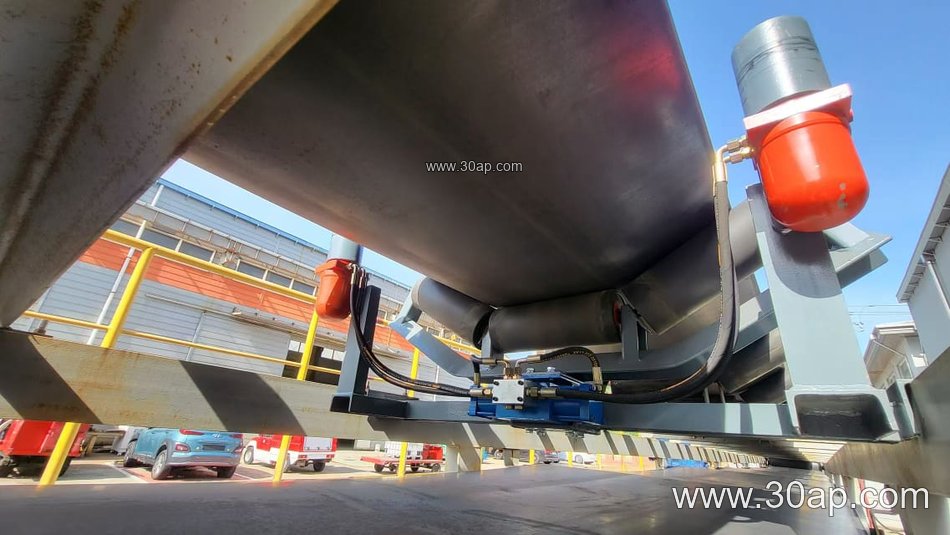
The unit usually combines a pair of angled rollers, a pivoting frame, a central shaft and a linkage that lets the frame swing with belt movement. The balancing principle means the roller pair reacts to the belt edge and steers the belt back toward the centre line. Because the frame can pivot both ways, the same device can serve the forward and reverse travel of the belt. The tracker is normally mounted on the conveyor bracket or frame, close to the point where misalignment begins.
Build details vary by supplier. Buyers should check the roller surface form, frame stiffness, bearing protection and mounting dimensions rather than assuming one design fits every conveyor. A tracker is not a substitute for correct pulley alignment or good loading conditions.
Where It Fits in a Conveyor System
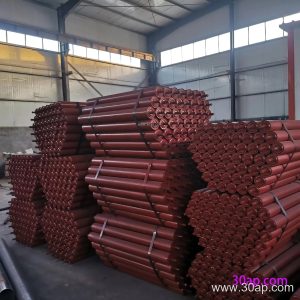
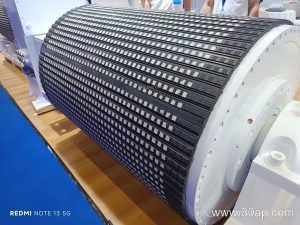
The tracker works alongside the conveyor belt, idler roller, conveyor pulley and conveyor bracket. It is often placed on the carrying side or return side, depending on where drift appears. In a coal mining conveyor or underground mining conveyor, space is tight and maintenance access is limited, so a compact pivoting design can be useful. In a quarry conveyor or crusher conveyor, dust and impact are daily conditions, and the tracker must tolerate grit around its moving parts.
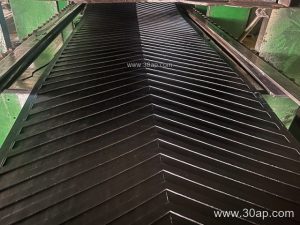
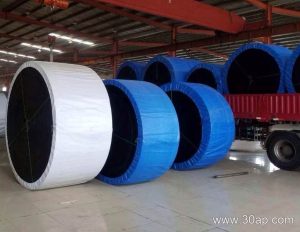
For long overland lines carrying bulk material, a reversible tracker can support belts such as EP conveyor belt, NN conveyor belt or steel cord conveyor belt, provided the belt construction and load are considered. It is not limited to one belt type, and it does not replace the need for proper belt tension.
Common Applications
- Reversible shuttle conveyors in coal yards and power plants
- Stacking and reclaiming belts at ports and bulk terminals
- Cement plant clinker and limestone handling
- Sand and gravel plants with frequent direction changes
- Mining conveyor systems where the belt reverses for loading
Selection Points for Buyers
Before ordering, confirm the belt width, belt speed, running direction, carrying or return position, belt type and the actual misalignment pattern. A 1000 mm or 1200 mm belt on a reversible conveyor may need a different tracker frame than a 650 mm belt, but belt width alone does not fix the shaft size or roller diameter. Provide the site drawing, pulley layout and observed drift so the supplier can match the mounting.
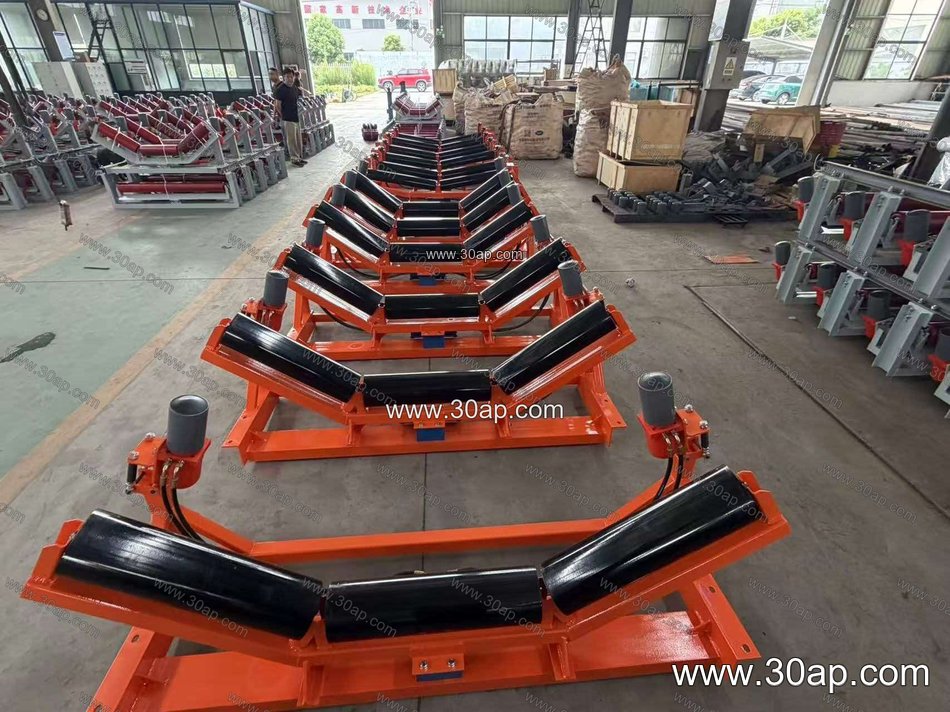
Also ask how the device behaves at start-up, when the belt is empty versus loaded, and whether the return strand needs separate attention. A reversible dynamic balance belt tracker is one part of a belt alignment plan, not a cure for every tracking fault.
Maintenance and Safety
Inspect the tracker for seized bearings, bent frames, build-up of sticky material and loose fasteners. Stop and lock out the conveyor before touching any moving part. Running observations should be made only from a safe position. If the belt still drifts after fitting, check for skewed joints, off-centre loading, sticking idlers and pulley alignment before adding more devices.
For buyers sourcing a 输送带纠偏器 for a two-way conveyor, the key question is whether the unit truly balances in both directions and suits the site conditions. Request the mounting data, roller details and maintenance instructions in writing.