What the EP500 Conveyor Belt Is
The EP500 conveyor belt is a fabric-core rubber belt built around polyester (E) and nylon (P) warp and weft yarns. Its designation places it in the middle-strong range of EP belts: the 500 refers to a nominal tensile strength of 500 N/mm per ply, making it a practical choice for main haulage lines that carry moderate to heavy loads over long distances. Buyers often meet it as an EP rubber conveyor belt in quarry, cement, and power plant circuits, where a balance between strength, troughability, and cost matters more than the extreme tension capacity of a steel cord belt.
Because the carcass is a multi-ply fabric core, the belt tracks well on conventional three-roller idler stations and tolerates the flexing that comes with smaller head and tail pulleys. It is not a substitute for a steel cord conveyor belt in very high-tension single-flight systems, but it fills the gap between lighter EP200 or EP315 grades and the heavier EP630 to EP1000 range.
Construction and Available Configurations
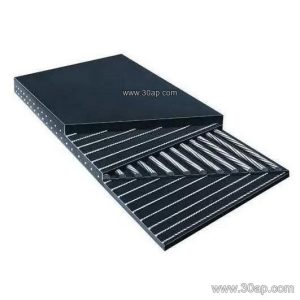
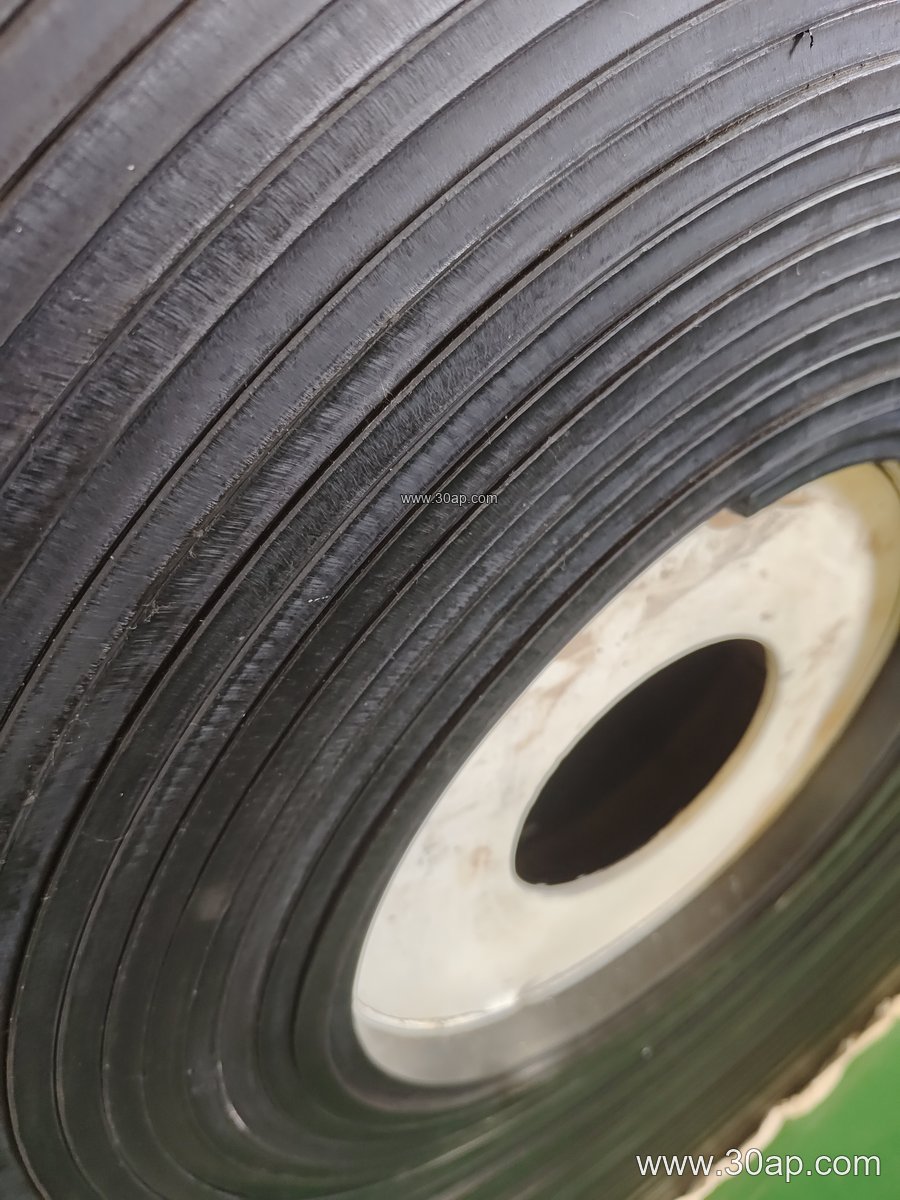
The belt is usually built with two to six plies of EP fabric, bonded with rubber skim compounds and protected by top and bottom cover rubber. Common cover combinations include 4+2 mm, 5+2 mm, and 6+2 mm, with heavier 8+3 mm covers available for sharp, abrasive rock. Cover grade should follow the duty: abrasion resistant compounds for crusher discharge, heat resistant grades for clinker and sinter, flame retardant and anti-static versions for underground coal mining, and oil resistant covers where lubricants or vegetable oils are present.
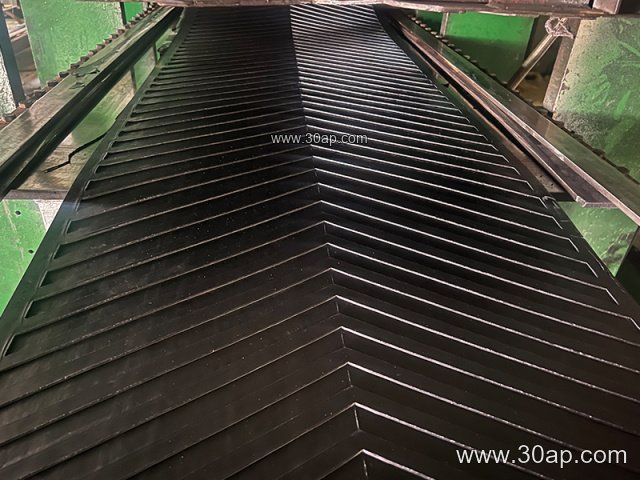
Widths are normally selected from standard ranges such as B650, B800, B1000, B1200, B1400, and B1600, with wider options for high-capacity port and bulk terminals. Edge construction can be cut edge or moulded edge, and special forms such as chevron, corrugated sidewall, or skirted profiles are available when the conveyor has an incline or needs material confinement. These are different belt types, not interchangeable with the flat EP500 profile.
Where It Fits in the Plant
Typical duty points include primary and secondary crushing circuits, screening plants, stockyard feed lines, and transfer conveyors in sand and aggregate operations. In cement plants it may run on raw meal or clinker lines where heat resistance is specified; in coal handling it is often supplied in flame retardant form. The belt also appears in iron ore and copper ore plants, though very abrasive, high-impact loading points may call for a heavier cover or an impact resistant construction. For long overland routes with high tension, designers may compare it with an EP800 or EP1000 belt, or with a steel cord belt, before fixing the final specification.
Selection Notes for Buyers
- Confirm the required tensile grade against the actual calculated belt tension, not only against the tonnage rate.
- Match cover thickness and grade to the material: sharp rock, hot clinker, oily scrap, or fine dust each call for a different compound.
- Check pulley diameters and idler spacing with the belt manufacturer, since fabric belts have minimum pulley requirements.
- For underground coal mining, specify flame retardant and anti-static properties and confirm they suit the local approval scheme.
- State the ambient temperature range if the conveyor operates in cold climates; cold resistant grades are available.
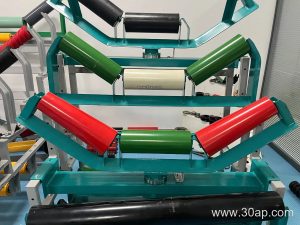
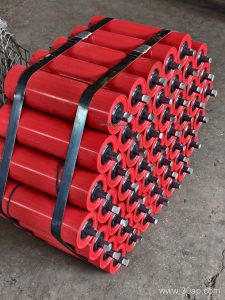
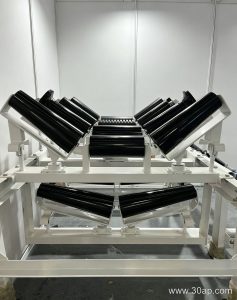
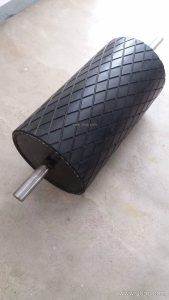
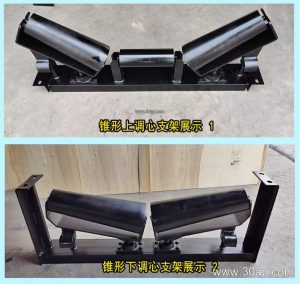
Installation quality also affects life. Proper alignment of conveyor pulleys, free-running idler rollers, and rigid conveyor brackets reduces edge damage and mistracking. Splice type, either mechanical or vulcanized, should be chosen with the same care as the belt itself.
Maintenance and Service Life
Routine checks should cover cover wear, edge condition, splice integrity, and material build-up on return rollers. A belt that is correctly tensioned and kept clear of spillage usually delivers a longer service life than one run loose or overloaded. When replacing a worn belt, record the original width, ply count, cover thickness, and grade so that the next EP500 conveyor belt matches the conveyor design rather than guesswork.