What a Chemical Resistant Conveyor Belt Does
A chemical resistant conveyor belt is a type of rubber conveyor belt engineered to withstand contact with acids, alkalis, salts, and other corrosive substances. Unlike standard belts that may degrade quickly when exposed to aggressive media, this belt uses specially compounded cover rubber and a robust carcass to resist swelling, cracking, and premature failure. In industries such as chemical plants, fertilizer production, mining, and wastewater treatment, this belt helps maintain reliable material flow where ordinary belts would struggle.
The belt is often referred to as an acid and alkali resistant conveyor belt, reflecting its dual resistance to both acidic and basic substances. It is not a replacement for heat resistant or oil resistant belts, but rather a specialized solution for chemical exposure. When specifying, buyers should clearly state the chemical environment and concentration to ensure the correct compound is selected.
Construction and Materials
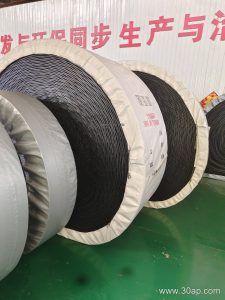
The construction of a chemical resistant conveyor belt typically includes a fabric core or steel cord carcass, covered with a chemically resistant rubber layer. Common carcass options include EP conveyor belt (polyester-nylon) and NN conveyor belt (nylon-nylon), both offering good strength and flexibility. For higher tension applications, a steel cord conveyor belt may be used, though the cover compound remains the key for chemical resistance. The cover rubber usually consists of polymers such as EPDM, chloroprene, or nitrile, blended to resist specific chemicals. Multi-ply fabric core conveyor belt constructions are common, with 2 to 6 plies depending on load requirements.
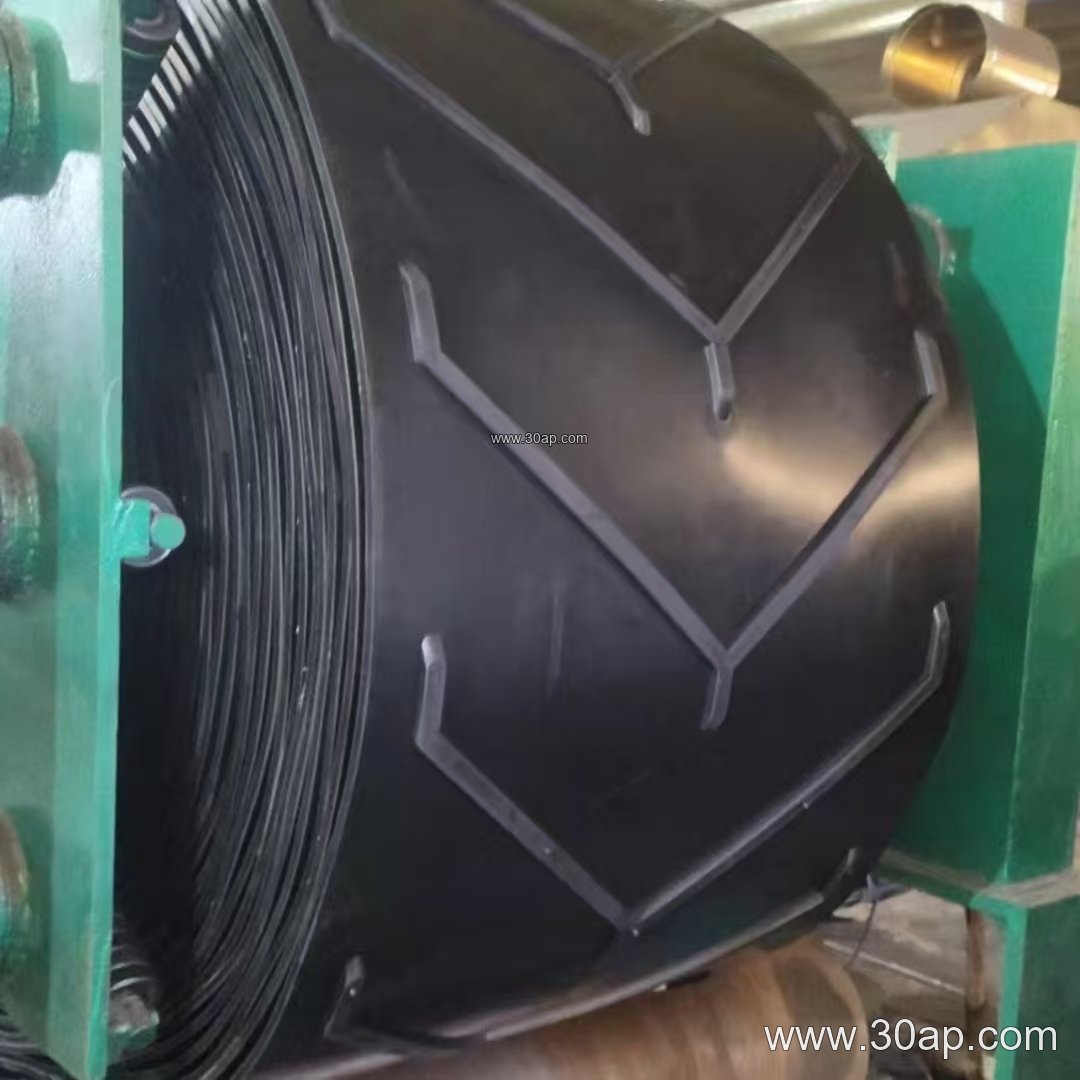
Cover thickness is often specified in combinations like 4+2 mm, 5+2 mm, or 6+2 mm, where the first number indicates the top cover thickness and the second the bottom cover. These values are typical references, and actual thickness should be determined by the severity of chemical exposure and mechanical wear. The belt may also feature an anti-static conveyor belt property if static discharge is a concern, or flame retardant conveyor belt properties for fire safety in hazardous areas.
Where It Is Used
Chemical resistant conveyor belts are found in a range of demanding environments. In the mining industry, they handle ore and minerals that may contain acidic moisture or corrosive compounds. Fertilizer plants use them to transport granules and powders that are chemically aggressive. Chemical manufacturing facilities rely on these belts for moving raw materials and finished products. Waste recycling and treatment plants also benefit, where belts encounter diverse chemical residues.
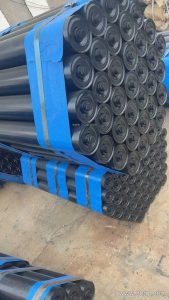
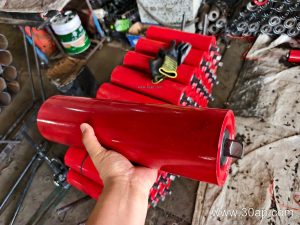
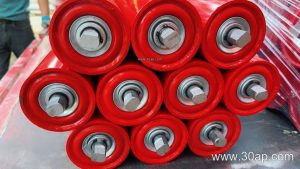
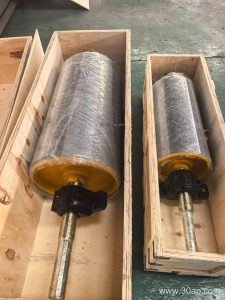
Other industries include cement plants, power plants, and port facilities where bulk materials may have corrosive components. In coal mining, a flame retardant conveyor belt with chemical resistance may be required for underground mining conveyor systems. The belt works alongside conveyor pulleys, idler rollers, and conveyor brackets to form a complete conveying system. Proper alignment and tensioning of these components help extend belt life.
Key Specifications and Selection Factors
When choosing a chemical resistant conveyor belt, several parameters need attention. The belt width should match the conveyor system, with common widths such as 650mm, 800mm, 1000mm, 1200mm, and 1400mm. Wider belts like 1800mm or 2000mm are available for high-capacity operations. The strength grade, such as EP200 or EP400, indicates the belt’s tensile strength and should be selected based on the load and conveyor length. For heavy-duty mining conveyor belt applications, higher grades like EP630 or EP800 may be appropriate.
Chemical resistance is not a single property; it depends on the specific chemicals involved. Buyers should provide details on the substances, concentration, and temperature. The belt’s cover rubber compound can be tailored accordingly. Additionally, consider the mechanical stresses: impact resistant conveyor belt features may be needed if large lumps are loaded, and abrasion resistant conveyor belt properties help if the material is abrasive. The pulley diameters, idler roller spacing, and conveyor bracket design also influence belt performance and should be reviewed with the belt supplier.
Maintenance and Longevity
To maximize service life, regular inspection of the belt surface for signs of chemical attack, such as hardening, cracking, or swelling, is recommended. Cleaning the belt and avoiding spillage of aggressive substances can reduce exposure. Proper tensioning and alignment of conveyor pulleys and idler rollers prevent unnecessary wear. In environments with both chemical and thermal risks, a heat resistant conveyor belt with chemical resistance may be a better fit, but this should be confirmed with the manufacturer. Always follow the supplier’s guidelines for storage and installation to preserve the belt’s properties.
For more information on chemical resistant conveyor belts and related components like conveyor idlers and pulleys, visit our website at www.example.com/chemical-resistant-conveyor-belt. Our team can assist in selecting the right belt for your specific chemical environment.