What a Steel Plant Conveyor Idler Does
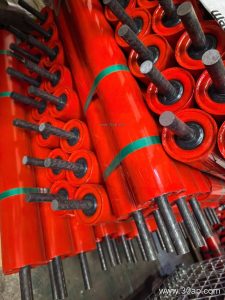
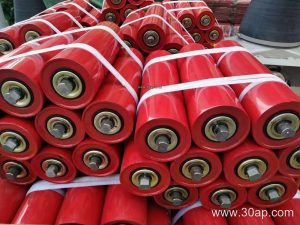
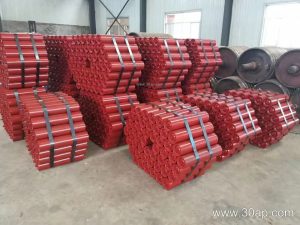
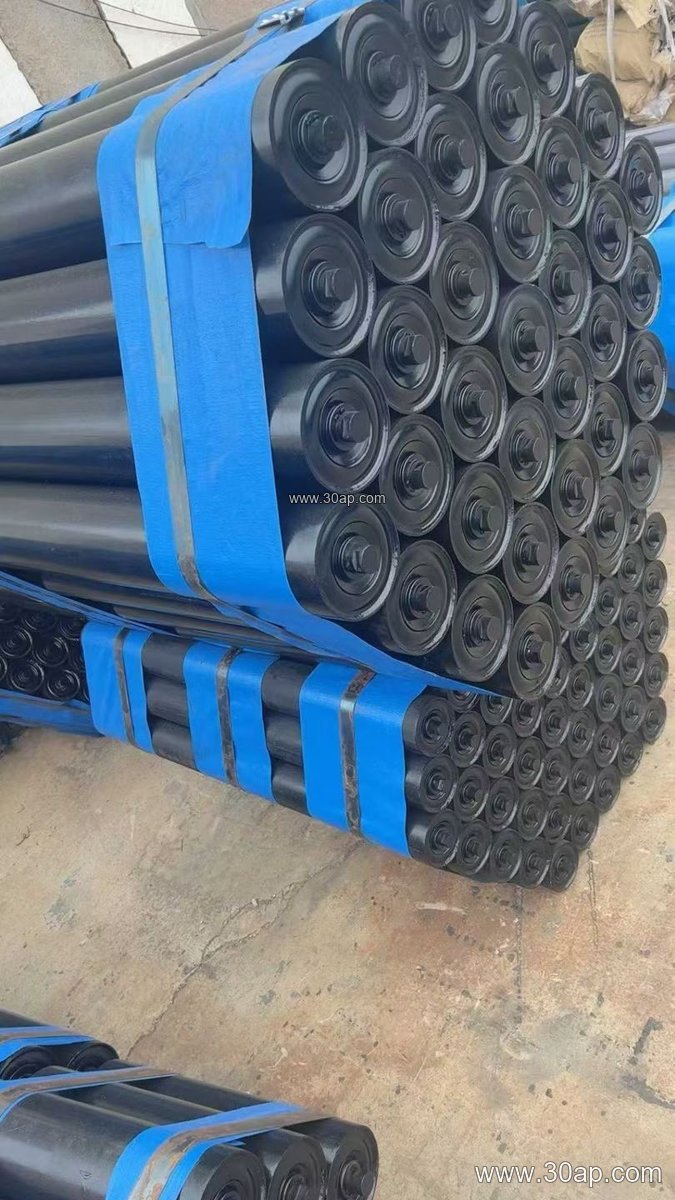
A steel plant conveyor idler is the rotating support that holds a conveyor belt in shape while it carries sinter, pellets, coke, limestone, or hot clinker between process buildings. The idler roller itself is a simple assembly: a steel tube shell, a shaft, bearing housings, and seals at both ends. It sits inside a conveyor bracket or frame, and several idlers together form the trough that keeps bulk material centered on the belt. Because a steel plant often runs conveyors continuously, the idler is judged less by its looks and more by how long it keeps turning freely under dust, heat, and heavy loads.
How the Idler Is Built
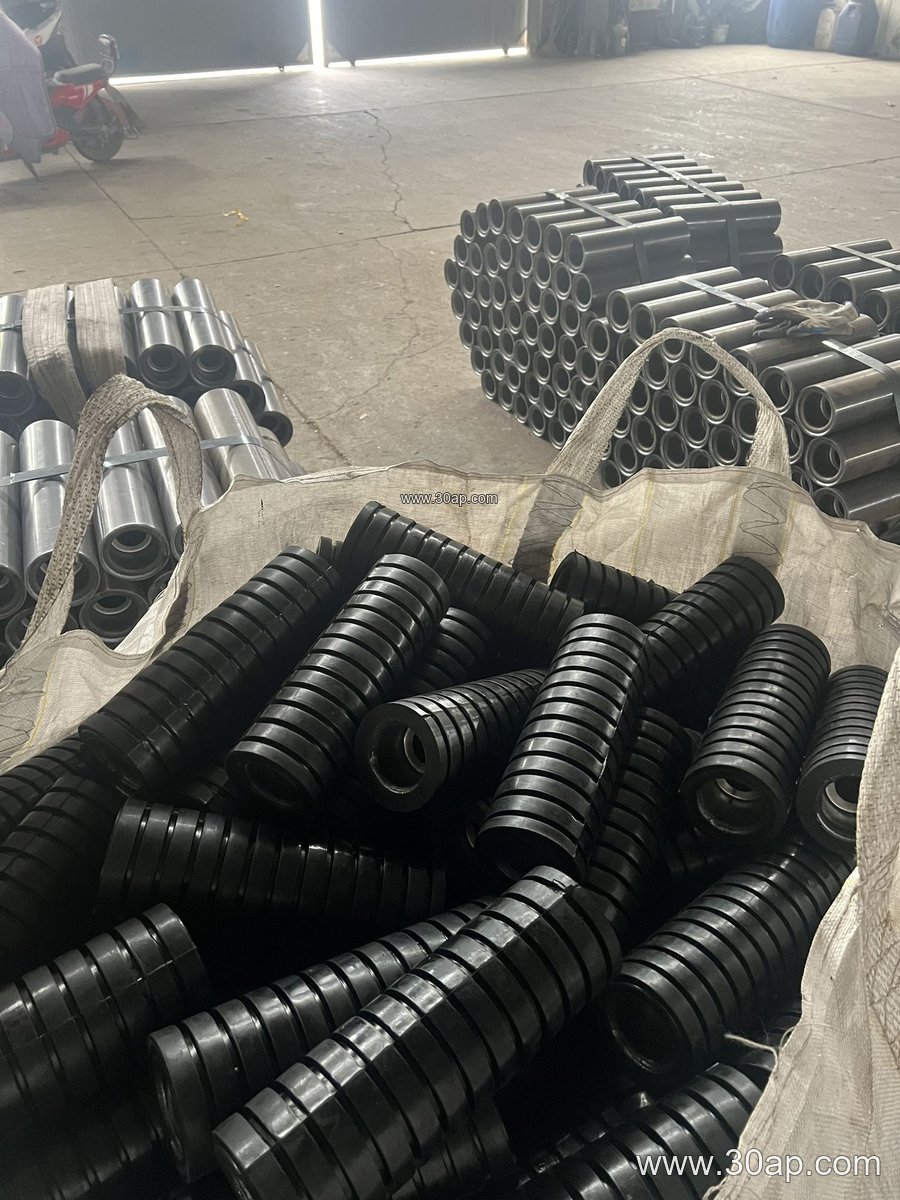
Most steel plant conveyor idlers use a welded or seam-welded tube with machined bearing seats. Common roller diameters include Ø89, Ø108, Ø127, Ø133, Ø159, and Ø178 mm, while larger installations may use Ø194 or Ø219 mm. The shaft is usually cold-drawn steel, and the bearings are typically deep-groove ball bearings such as 6204, 6205, 6305, 6306, 6308, or 6310, selected by load and speed rather than by belt width alone. Sealing matters as much as the bearing: a labyrinth seal with grease retention keeps fine iron ore dust and sinter fines away from the races.
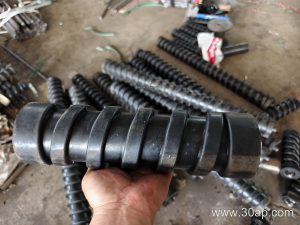
The roller surface can be plain steel, nylon, ceramic, or rubber rings. Rubber-ring impact idlers are common below crusher discharge and transfer points, where lump ore falls onto the belt. Spiral idlers help with sticky material, and self-aligning idlers with tapered rollers correct belt drift on long runs. These are different duties, not interchangeable parts, and each has its own place in the conveyor line.
Where These Idlers Are Used
Inside a steel plant, idlers appear on raw material yard conveyors, sinter plant feed lines, coke oven charging systems, and slag handling belts. The same product also works in a quarry, a limestone mine, a coal washing plant, or a power plant coal yard, because the duty is similar: continuous transport of abrasive bulk material. A conveyor belt carrying iron ore or sinter fines is hard on both the belt cover and the idler shell, so abrasion resistant conveyor belt grades and wear-resistant idler surfaces are often paired. Where material is hot, a heat resistant conveyor belt may run alongside idlers fitted with heat-tolerant bearings and grease.
Matching Idler to Belt Width and Trough Angle
Idler length follows belt width, trough angle, and the number of rolls in the set. Three-roll troughing sets are the usual choice for B800 to B2000 belts. Common examples of roll length are shown below; side rolls and center rolls can differ, so these are reference points rather than fixed rules.
- B500: about 200 mm roll length
- B650: about 250 mm
- B800: about 315 mm
- B1000: about 380 mm
- B1200: about 465 mm
- B1400: about 530 mm
- B1600: about 600 mm
- B1800: about 670 mm
- B2000: about 750 mm
Trough angles of 20, 30, 35, and 45 degrees are common. A steeper trough holds a deeper material bed and reduces spillage, but it also raises the load on the side rolls. Forward tilt of about 1.5 to 2 degrees is used on some troughing idlers to encourage self-centering. On the return side, flat or V-return idlers support the empty belt; these are a separate duty from the carrying idlers and should not be swapped in.
What Buyers Should Check
Before ordering, confirm the belt width, the trough angle, the roll diameter, and the bearing size the conveyor was designed around. Ask about seal type and grease interval, because a poorly sealed idler in a sinter plant can fail within months. Check the shaft end fixing: some frames use a flat on the shaft, others use a through-shaft with external brackets. Verify that the idler roller diameter suits the belt speed, since small rollers turn faster and wear sooner. If the line carries hot material, confirm the temperature range of the bearing grease and the shell finish.
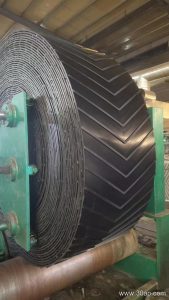
Spare parts planning also matters. Keeping a few complete idler assemblies plus a set of rubber rings for impact positions reduces downtime. For conveyors using a fabric core conveyor belt or a steel cord conveyor belt, idler spacing and roll diameter should follow the belt manufacturer’s recommendation for sag and load. A belt that is too loose between idlers will flex and crack, no matter how good the rollers are.
Maintenance Notes
Listen for a seized idler before it wears a flat spot into the belt. A stuck roller will drag, heat up, and can damage the conveyor belt cover. Replace idlers in sets where possible so the trough stays even. Inspect brackets for corrosion and loose bolts, and clean accumulated dust from the frame. In a steel plant, heat and dust shorten seal life, so a planned replacement interval based on running hours is more reliable than waiting for failure.