What Is an EP300 Conveyor Belt
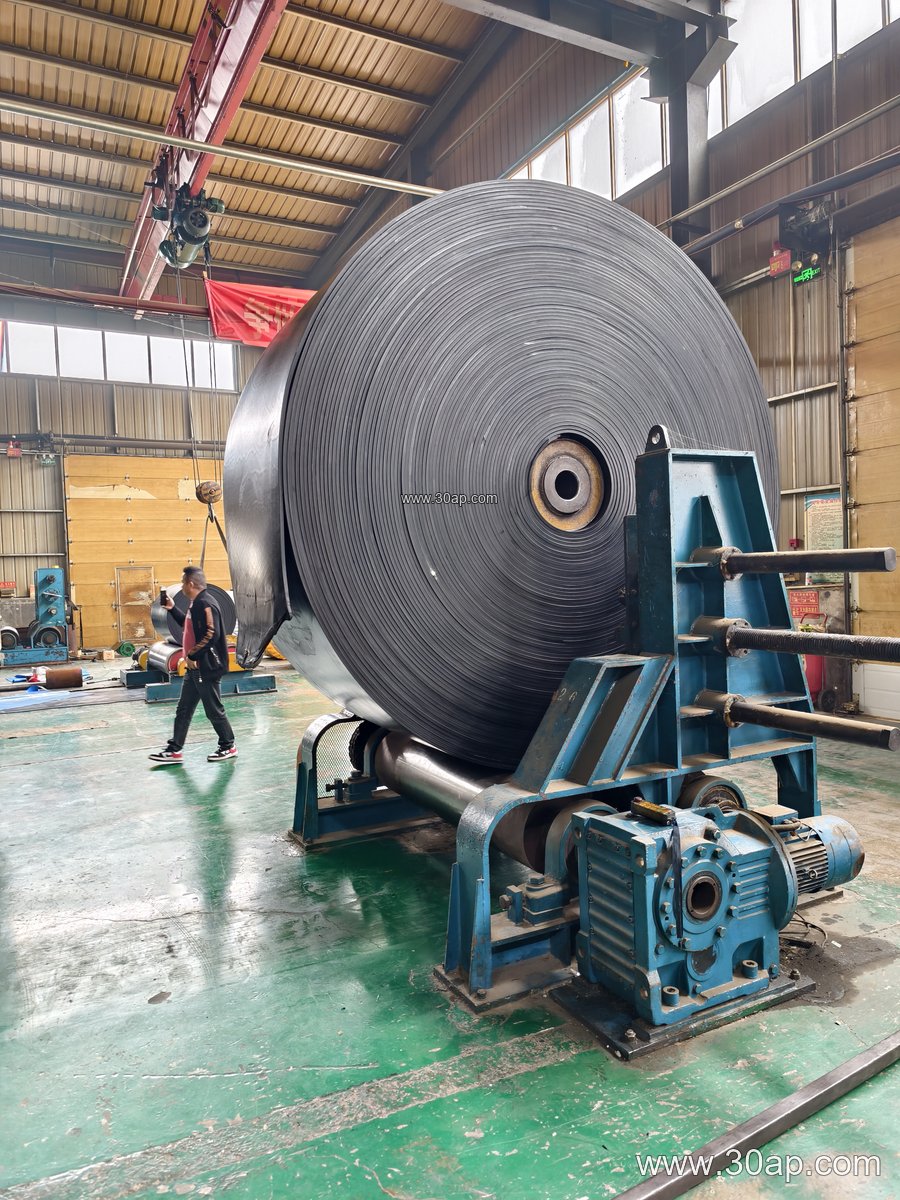
An EP300 conveyor belt is a fabric-core belt built with polyester (E) warp and polyamide (P) weft cords. The “300” refers to the nominal tensile strength of the carcass, typically expressed in N/mm. This places it in the medium-to-high strength range of synthetic fabric belts, making it a practical choice for aggregate, cement, and general bulk material transport where steel cord belts would be overkill but lighter fabric belts would struggle.
Buyers searching for an EP conveyor belt often encounter this product under the equivalent name polyester-polyamide conveyor belt or EP fabric core conveyor belt. These terms describe the same construction; they are not different product types.
Construction and Build
The belt consists of multiple plies of EP fabric embedded in rubber. A typical EP300 might use two to six plies depending on the required strength and the manufacturer’s design. Cover rubber grades are selected for the duty: abrasion resistant for sand and gravel, heat resistant for clinker and sinter, oil resistant for recycled material, and flame retardant for underground coal mining conveyors.
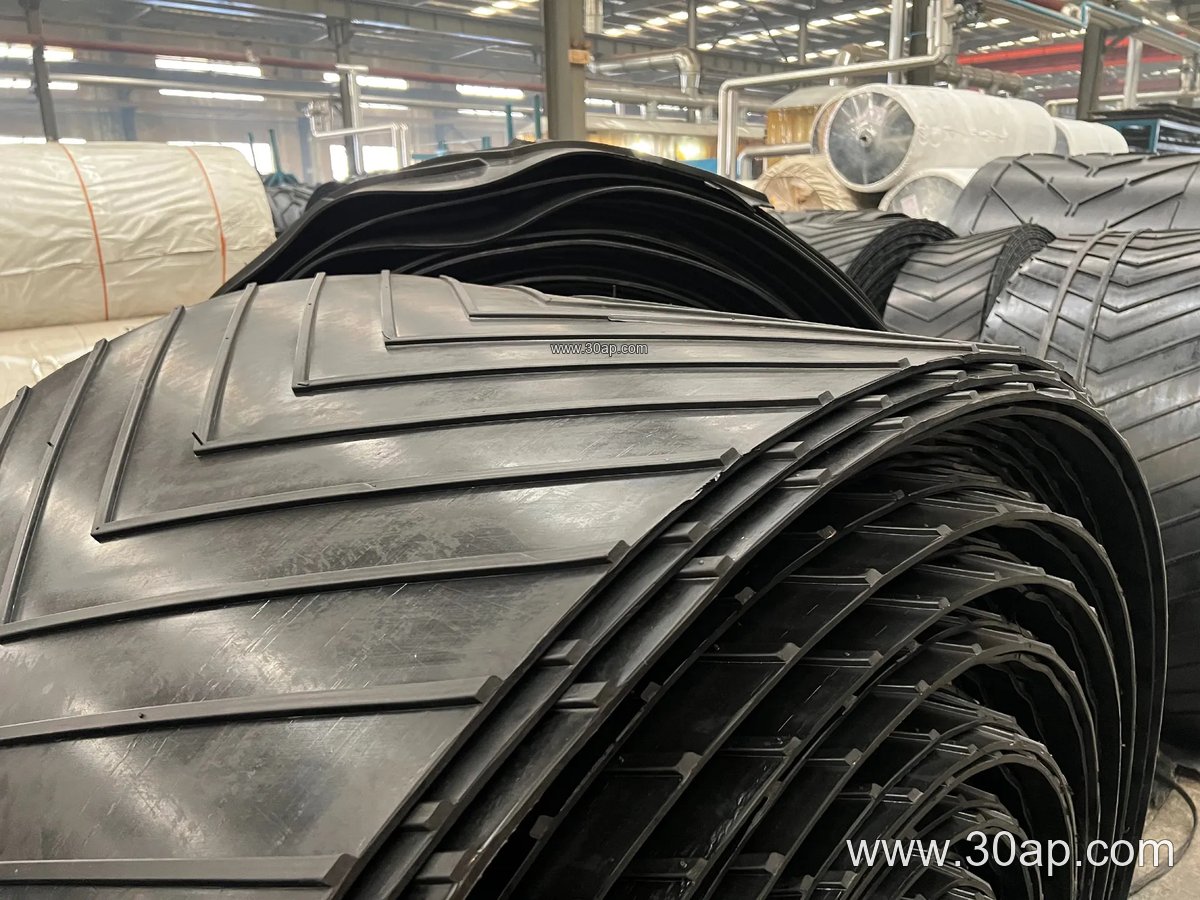
Common cover thickness combinations include 3+1.5 mm, 4+2 mm, 5+2 mm, 6+2 mm, and 8+3 mm. These are reference values; the actual specification should be confirmed against the conveyor design and the material being carried.
Where It Fits in the Conveyor System
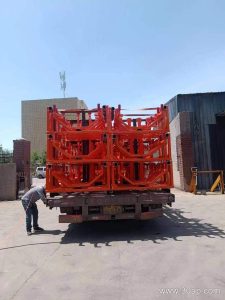
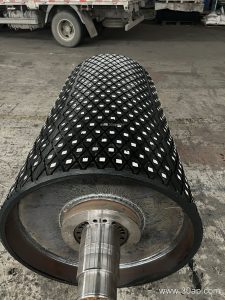
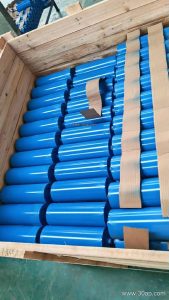
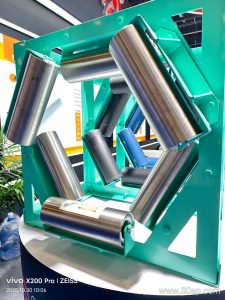
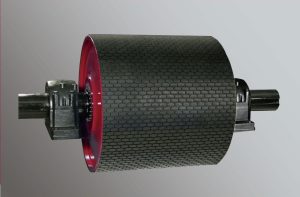
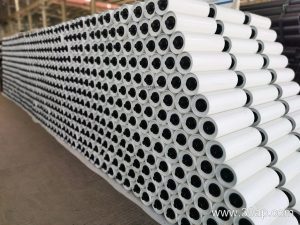
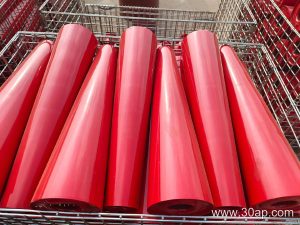
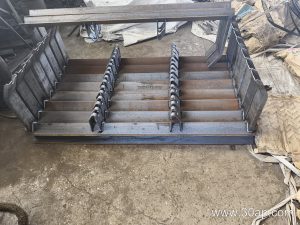
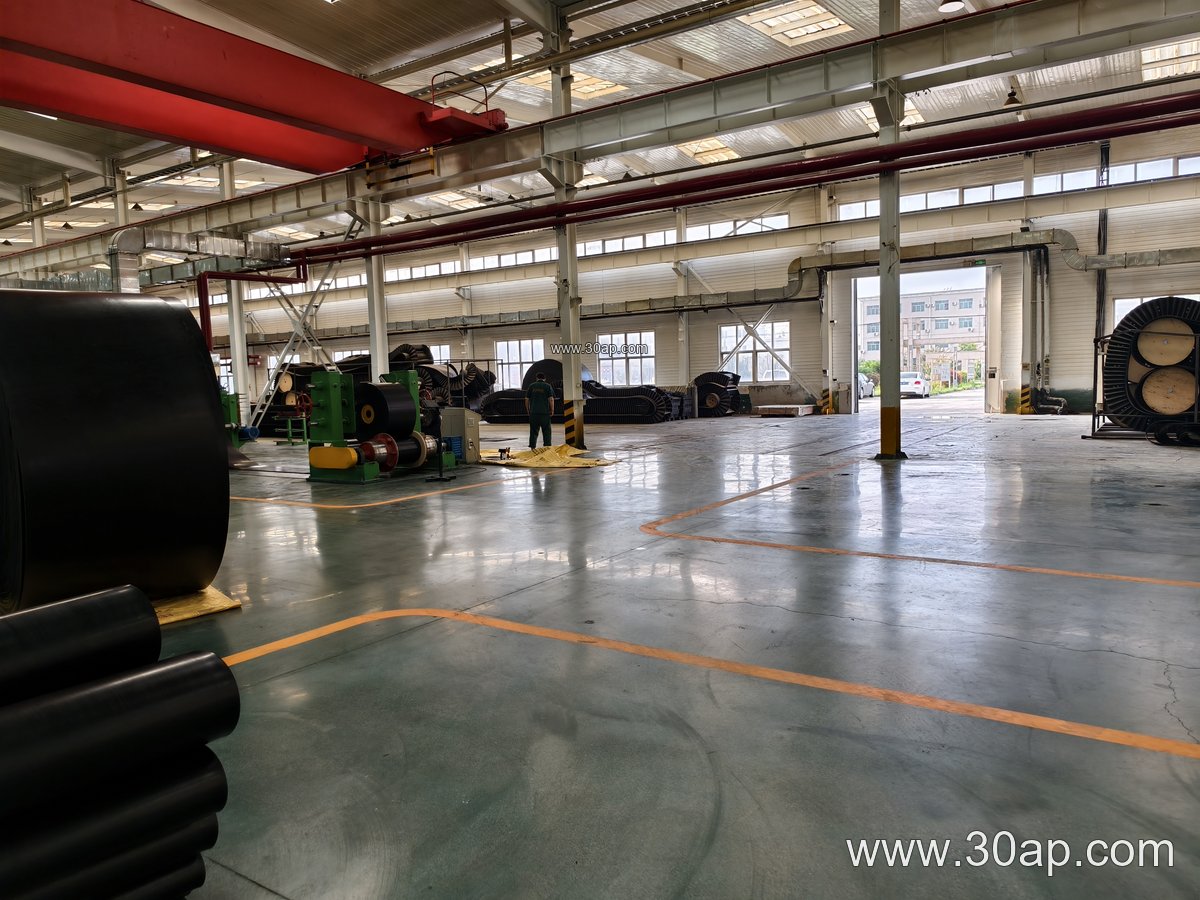
The belt runs over a series of conveyor pulleys and idler rollers supported by conveyor brackets or frames. Drive pulleys transmit power, tail pulleys return the belt, and bend pulleys route it through take-up zones. These pulley types are not interchangeable, and the belt tension rating must suit the drive arrangement.
In a quarry conveyor or aggregate conveyor, an EP300 belt often handles crushed stone, sand, and gravel over moderate to long distances. In a cement plant, it may feed raw meal or clinker. Power plants use it for coal and ash, while port and ship loading conveyors rely on fabric belts for bulk material transfer.
Typical Specifications
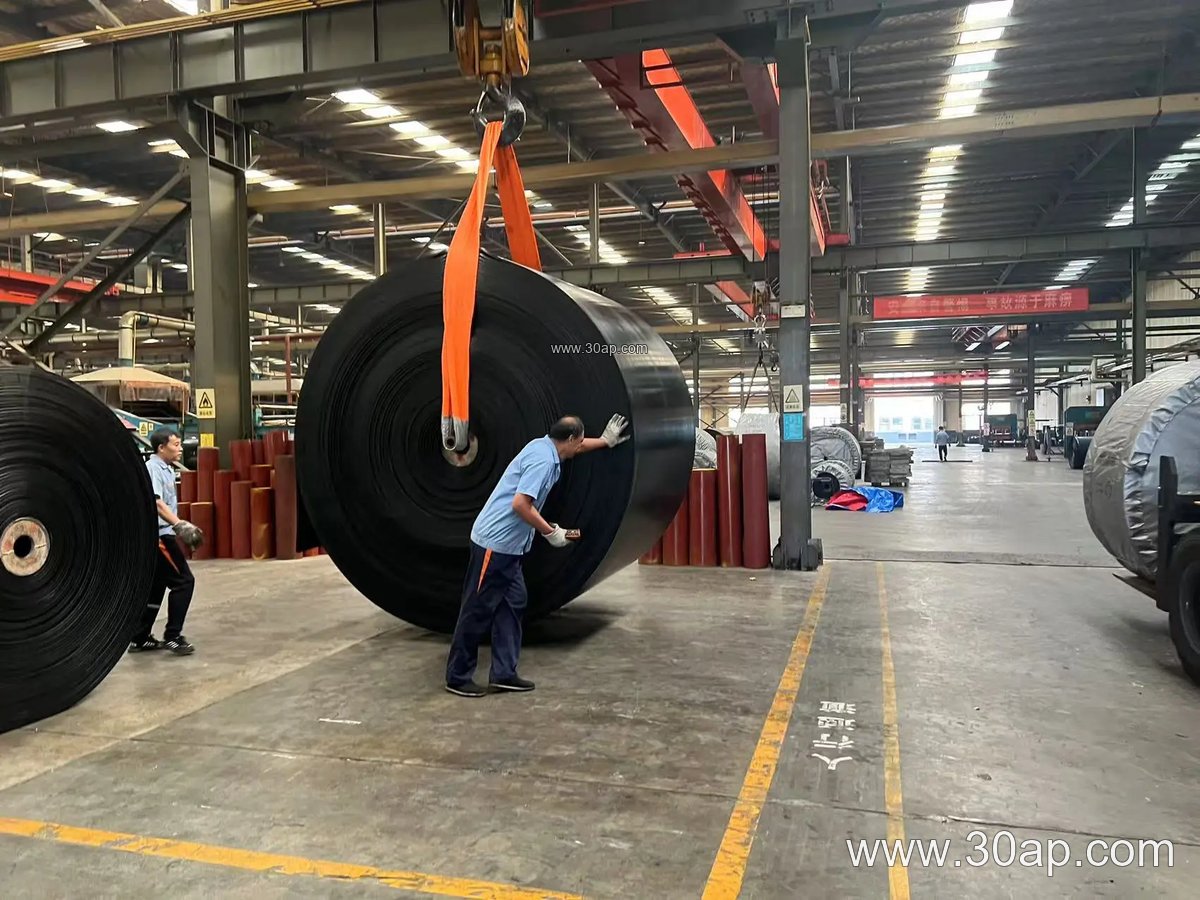
Parameters vary by manufacturer. The table below shows common reference values for EP300 and related EP grades.
| Property | Common Reference Range |
|---|---|
| Tensile strength | EP300 (nominal 300 N/mm); other grades include EP200, EP400, EP500, EP630, EP800, EP1000 |
| Belt width | B500, B650, B800, B1000, B1200, B1400, B1600 mm; wider sizes may be available on request |
| Number of plies | 2 to 6 |
| Cover thickness | 3+1.5, 4+2, 5+2, 6+2, 8+3 mm |
| Cover grades | Abrasion resistant, heat resistant, oil resistant, flame retardant, anti-static, cold resistant |
A belt width does not dictate a single pulley diameter; the pulley size is determined by the belt construction, tension, and conveyor design. Shaft diameter is likewise a design calculation, not a fixed value taken from belt width alone.
Selection and Use Notes
- Confirm the belt’s tensile grade matches the calculated operating tension, including start-up and surge loads.
- Match cover grade to the environment: heat resistant for high temperature conveyor zones, flame retardant for underground coal mining conveyor, abrasion resistant for hard rock.
- Check pulley diameters against the belt manufacturer’s minimum recommendations to avoid excessive flex fatigue.
- Keep idler roller alignment and conveyor bracket condition in good order; misalignment shortens belt life regardless of grade.
- For steep inclines, a chevron conveyor belt or corrugated sidewall conveyor belt may be more suitable than a smooth EP300 belt, but these are different subtypes and should be specified separately.
An EP300 conveyor belt sits in a useful middle ground for bulk material handling. When specified with the right cover grade, ply count, and width, it can serve mines, quarries, cement works, and power plants without the cost and stiffness of a steel cord conveyor belt.