What an Abrasion Resistant Conveyor Belt Is
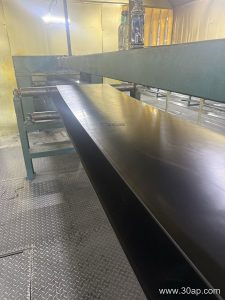
An Abrasion Resistant Conveyor Belt is a rubber conveyor belt built with a cover compound formulated to resist wear from sharp, hard, and fast-moving bulk materials. Instead of failing early through cover thinning, gouging, and edge wear, this belt is designed to keep its carrying surface intact through repeated contact with rock, ore, clinker, and aggregate. Buyers often describe the same product as a wear-resistant conveyor belt or abrasion-resistant rubber belt, and these terms point to the same construction idea: a tough cover over a load-bearing carcass.
The belt is not defined by a single strength class or width. It is defined by the combination of cover quality, carcass type, and thickness that suits a specific conveyor duty. That is why a heavy-duty mining conveyor belt and a lighter aggregate conveyor belt can both be abrasion resistant while sharing little else in common.
How the Belt Is Built
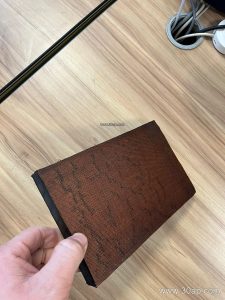
The cover is the first line of defence. Abrasion-resistant compounds typically use natural rubber blends with reinforcing fillers, and the cover thickness is selected according to lump size, drop height, and material sharpness. Common cover builds include 3+1.5 mm, 4+2 mm, 5+2 mm, 6+2 mm, and 8+3 mm, where the first figure is the top cover and the second is the bottom cover. The top cover does most of the work; the bottom cover protects the pulley side.
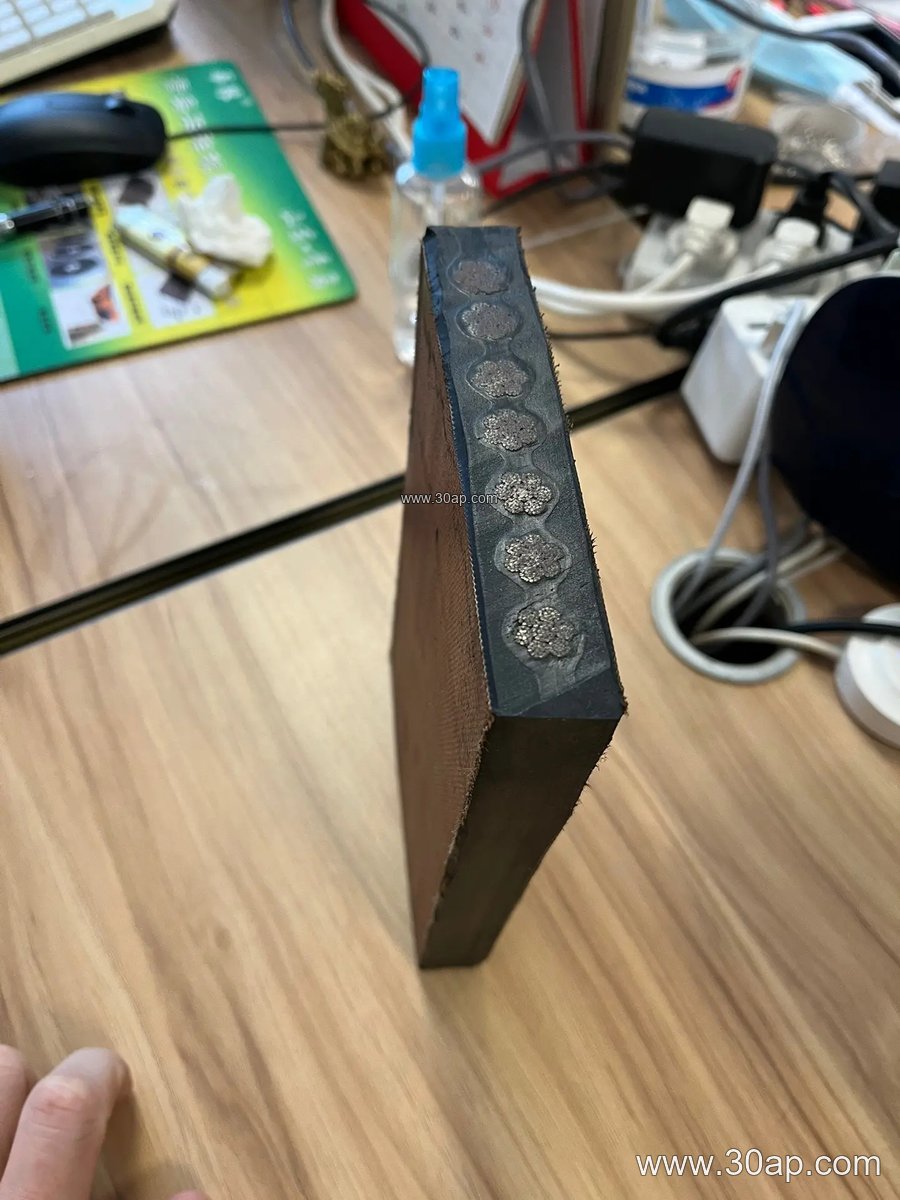
The carcass carries tension and absorbs impact. Fabric-core belts use EP (polyester-cotton) or NN (nylon-nylon) plies, usually 2 to 6 layers depending on strength. Steel cord belts use brass-plated wires for very long runs and high tension. A fabric core conveyor belt with a thick abrasion-resistant cover is a common choice for crusher discharge and screening plants, while steel cord designs suit main haulage lines in mines and ports.
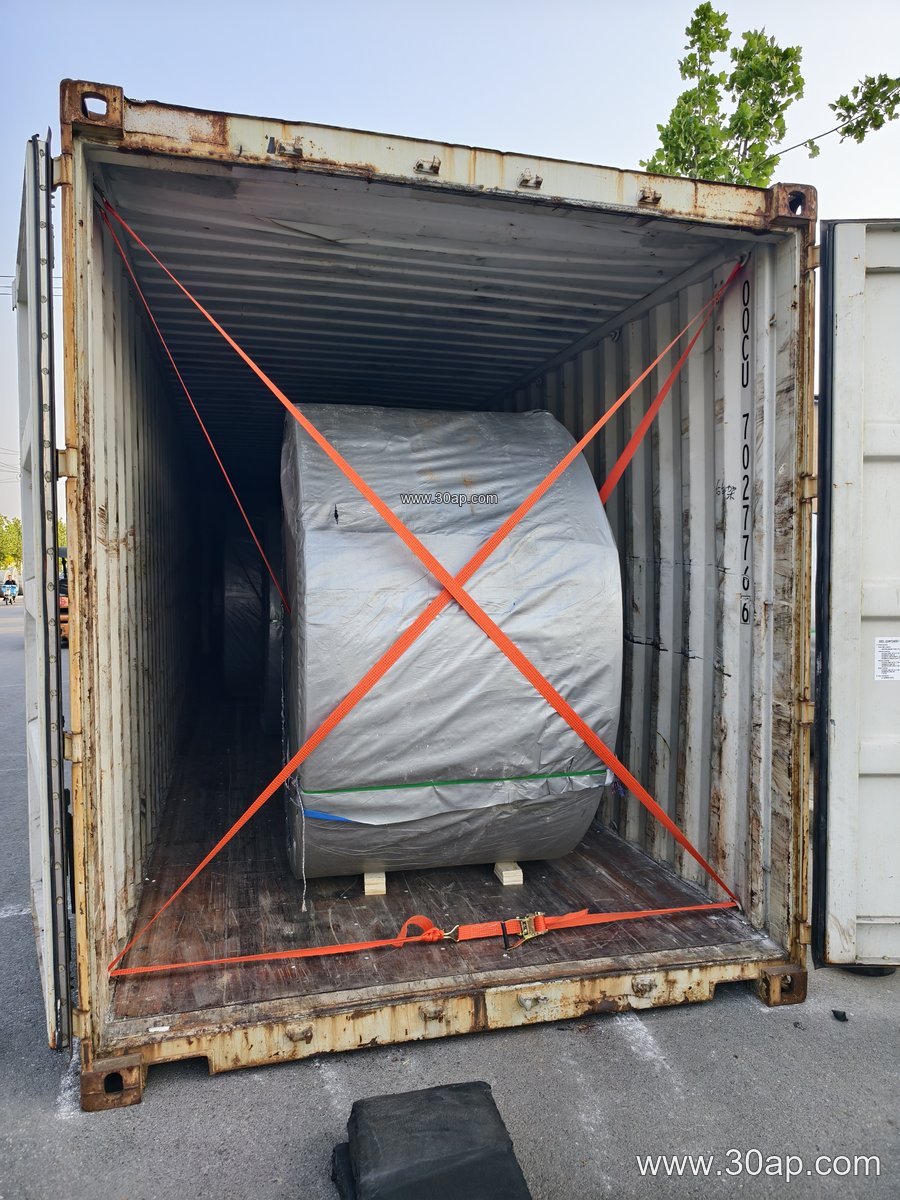
- Cover compound: abrasion-resistant rubber, often with cut and gouge resistance
- Carcass: EP or NN fabric plies, or steel cord
- Edges: cut edges or moulded edges depending on width and application
- Surface options: plain, chevron, or corrugated sidewall when the route needs them
Where It Is Used
Wear is the enemy in almost every bulk handling plant. In a quarry, a quarry conveyor belt moves blasted rock from the crusher to the stockpile, and the cover must survive sharp granite or limestone. In a cement plant, cement conveyor belts handle clinker and limestone, both of which are hot and abrasive when freshly processed. In a coal preparation plant or underground coal mining conveyor system, abrasion resistance is often combined with flame retardant properties, so the belt may need to meet both wear and safety requirements.
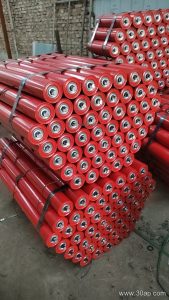
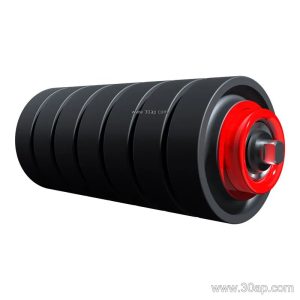
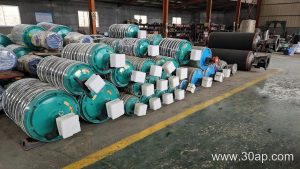
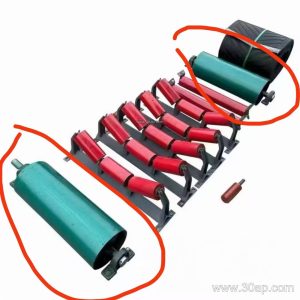
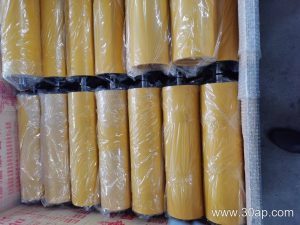
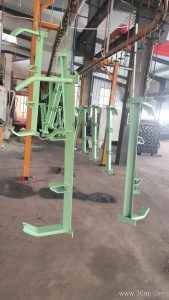
Other typical duties include iron ore and copper ore handling at ports, sinter and coke transfer in steel plants, sand and gravel lines in a sand making plant, and recycling streams where glass and metal fragments attack the cover. In these settings the belt works alongside conveyor pulleys, idler rollers, and conveyor brackets, and the whole system needs to be matched to the belt rather than treated as separate parts.
Carcass and Strength Options
Strength rating is usually written as the breaking strength of the carcass in N/mm. The table below gives common reference values; actual selection depends on the conveyor design, load, and safety factor.
| Belt Type | Common Strength Grades | Typical Use |
|---|---|---|
| EP fabric core | EP200, EP315, EP400, EP500, EP630, EP800, EP1000, EP1250, EP1600 | General bulk handling, crushers, screens |
| NN fabric core | NN100, NN200, NN300, NN400 | Medium-duty conveying, good flexibility |
| Steel cord | ST1000, ST1250, ST1600, ST2000, ST2500, ST3150 | Long runs, high tension, main haulage |
Belt width is chosen from the conveyor design and material size, not from a fixed rule. Common widths range from 500 mm and 650 mm for small plants up to 1800 mm, 2000 mm, and wider for high-capacity port and mine systems. A 1200 mm wide belt or a 1400 mm belt may appear on the same site as different lines, each with its own duty. There is no rule that one belt width matches one pulley diameter; the conveyor pulley, shaft, and bearing sizes are calculated from the actual tension and load.
What a Buyer Should Check
Start with the material: lump size, sharpness, moisture, temperature, and drop height. Then confirm the carcass strength and the cover thickness that the conveyor designer specifies. Ask for the cover grade and the abrasion test data the supplier uses, and compare it with the expected wear life in your plant. For hot clinker or sinter, a heat resistant conveyor belt may be needed instead of, or in addition to, abrasion resistance. For oily materials, an oil resistant conveyor belt protects the rubber from swelling.
Check the splice method, because a poorly made splice can fail long before the cover wears out. Confirm the belt edge condition, since frayed edges on a fabric core belt shorten life quickly. Review the pulley lagging and the condition of idler rollers, as a worn roller or a seized pulley can damage even a high abrasion resistant conveyor belt. Finally, keep spare belt and splice materials on site so that a damaged section can be repaired without a long shutdown.
When the duty is severe, specify a high abrasion resistant conveyor belt and match it with well-maintained conveyor pulleys, idler rollers, and conveyor brackets. This combination gives the best chance of long service in mines, cement works, power plants, and aggregate yards.