What an Impact Resistant Conveyor Belt Is
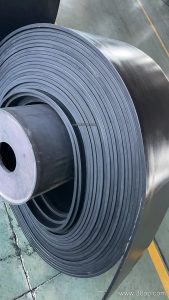
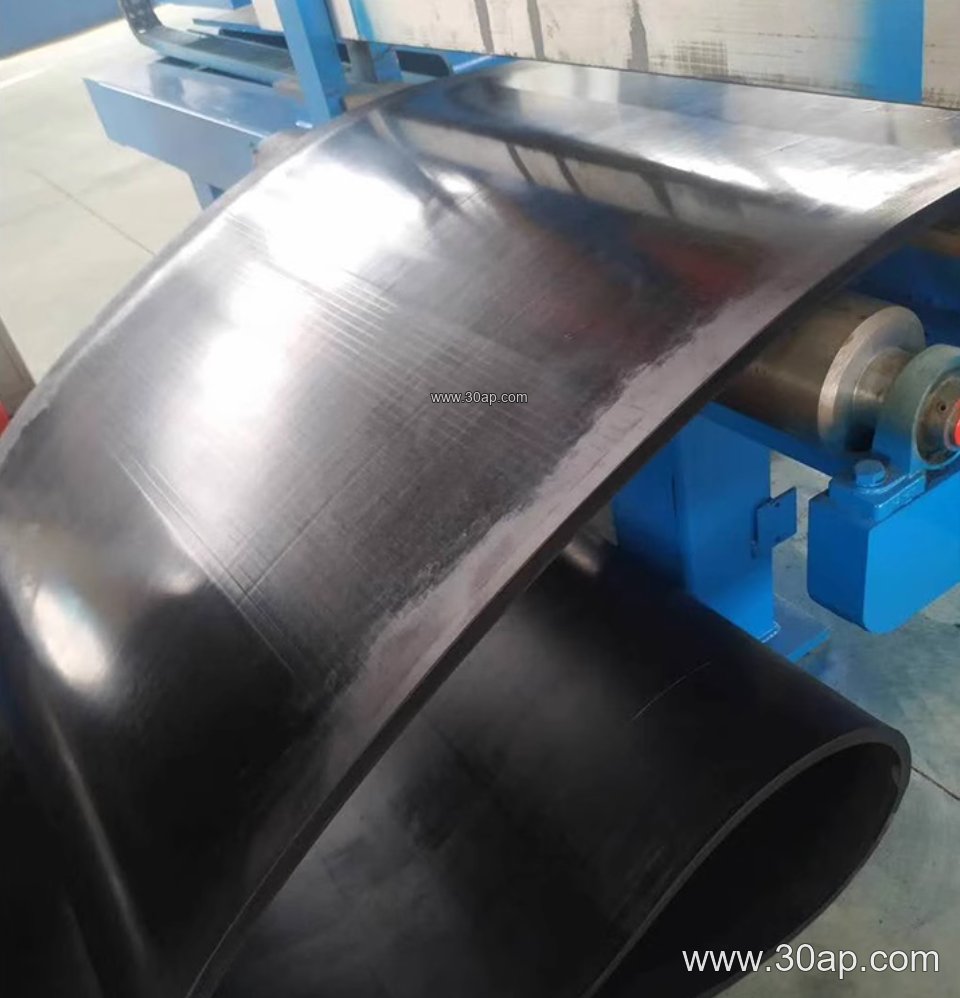
An impact resistant conveyor belt is a heavy-duty belt designed to absorb the shock of large, sharp or falling material without splitting, puncturing or losing its carcass strength. It is not simply a thicker rubber sheet; the construction is balanced so that the belt can take repeated point loads at transfer points, crusher discharges and loading chutes while still tracking and flexing around the pulleys. In plant language it is often called a shock-absorbing belt or a high-impact conveyor belt, and it belongs to the same heavy-duty family as an abrasion resistant conveyor belt, though the two solve different wear problems.
The keyword matters most where stone, ore or clinker hits the belt with speed and mass. That is why this belt is common in mines, coal preparation plants, cement works, power stations, steel plants and sand and gravel yards.
How the Belt Is Built
The impact performance comes from the combination of carcass and cover. A fabric core conveyor belt with multiple plies, or a steel cord conveyor belt where very high tension is required, provides the tensile backbone. The top cover is usually thicker than on a standard belt, and some designs add a breaker layer or a cushion layer under the cover to spread the load away from the impact point.
Typical construction choices include:
- Multi-ply EP or NN carcass for general heavy-duty service
- Steel cord carcass for long centres and high tension
- Thicker top cover with high abrasion resistance
- Breaker fabric or reinforced cushion layer beneath the cover
- Cut-edge or moulded-edge finish depending on the application
For reference, common cover gauges include 5+2 mm, 6+2 mm and 8+3 mm, and carcass plies usually run from 2 to 6 layers. Strength grades are often quoted as EP200, EP315, EP500, EP800 or EP1000, but the correct grade depends on the conveyor design rather than on the impact duty alone.
Where It Fits on the Conveyor
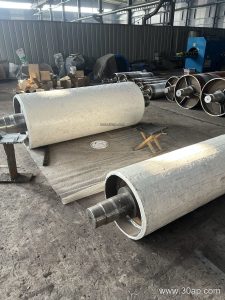
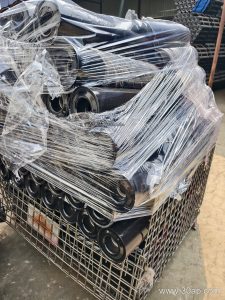
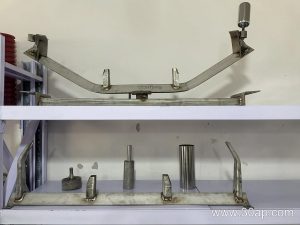
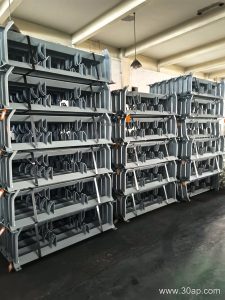
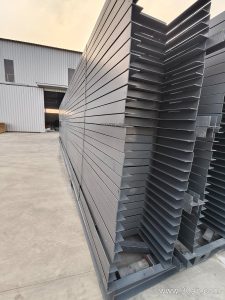
Impact damage rarely happens along the whole route. It concentrates at the loading point, under the chute, at the crusher outlet and where a rock conveyor receives material from a truck or loader. The belt works together with the conveyor pulley, idler roller and conveyor bracket at those points. Impact idlers or cushion idlers under the loading zone support the belt and reduce sag, while the drive pulley, tail pulley and bend pulley each do their own job and are not interchangeable.
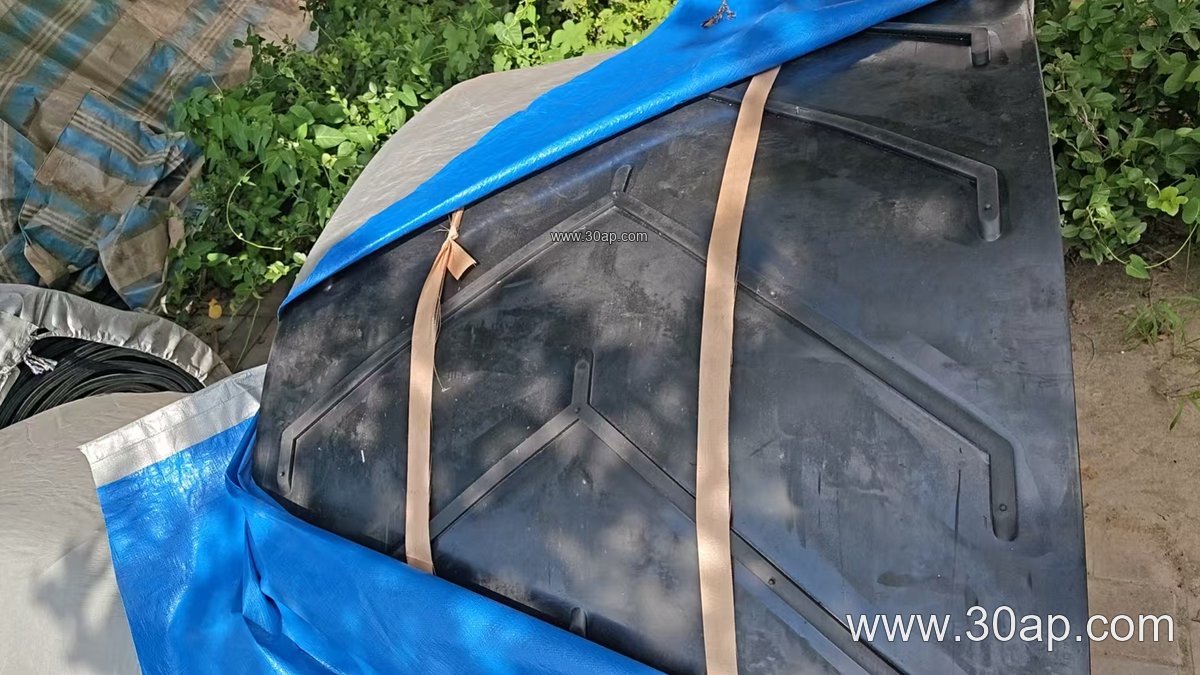
This belt is also used on quarry conveyor belts, aggregate conveyor belts, crusher conveyor belts, ore conveyor belts and bulk material conveyor belts. In underground coal mining, a flame retardant conveyor belt or fire resistant conveyor belt grade may be required, and anti-static properties are often specified. Those properties are separate from impact resistance and should be stated clearly when ordering.
Buyer Checklist and Selection Notes
A buyer should define the material first: lump size, sharpness, drop height, throughput and the frequency of impact. Then confirm the belt width, strength grade and cover thickness with the conveyor designer. A 1200mm wide belt and an 1800mm wide belt can both be built for impact duty, and belt width does not fix pulley diameter or shaft size by itself.
The table below shows common reference values, not universal specifications:
Reference Data
- Belt width: B650, B800, B1000, B1200, B1400, B1600, B1800
- Strength grade: EP200, EP315, EP500, EP630, EP800, EP1000
- Cover thickness: 5+2 mm, 6+2 mm, 8+3 mm
- Carcass: 2 to 6 plies, or steel cord for high tension
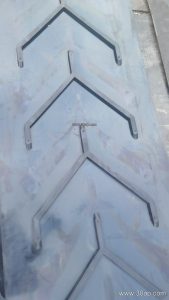
Also check the pulley diameters, the transition distance and the idler spacing near the loading point. If the belt will run in a cold climate, a cold resistant conveyor belt compound may be needed; if oil or chemicals are present, an oil resistant or chemical resistant grade is worth discussing. A skirted conveyor belt or corrugated sidewall conveyor belt is a different solution for steep inclines and should not be treated as a substitute for impact protection on a flat run.
Finally, plan the splice. An endless conveyor belt with a vulcanised joint usually gives smoother running and better impact fatigue life than a mechanical splice. Keep the loading chute aligned with the belt centre, maintain impact idlers and check the conveyor pulley lagging so that the belt is not asked to absorb shock it was never designed for. For more on matching belts with idlers and pulleys, see the conveyor components section at www.beltconveyorparts.com and the heavy-duty belt notes at www.beltconveyorparts.com/impact-resistant-conveyor-belt.
Maintenance Points That Protect Impact Life
Inspect the loading zone weekly for cover gouges, exposed fabric and edge damage. Replace worn impact idlers before they allow the belt to sag into the chute. Keep the tail pulley and bend pulley clean so that material build-up does not create a new impact point. Record cover thickness at fixed points; a belt that is losing cover fast may need a different compound or a lower drop height rather than a stronger carcass.
Used with the right support and a sensible loading arrangement, an impact resistant conveyor belt can keep a crushing line, a coal handling system or a cement plant running with fewer stoppages and less belt replacement work.