What the Idler Bracket Does
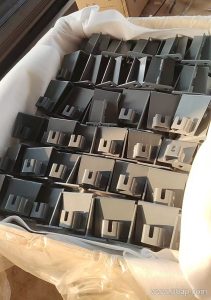
An idler bracket is the structural component that holds conveyor idler rollers in position along a conveyor frame. It sets the trough angle of the carrying side, keeps the rollers at the correct spacing, and transfers the load from the belt and material into the frame. In a quarry, a coal handling plant, or a cement line, the bracket is a small part of the total cost but a large part of how well the belt tracks and how long the rollers last.
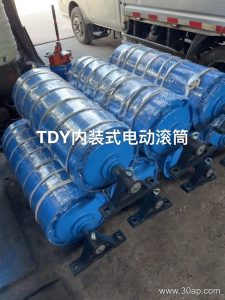
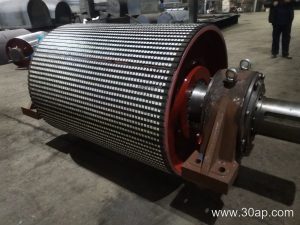
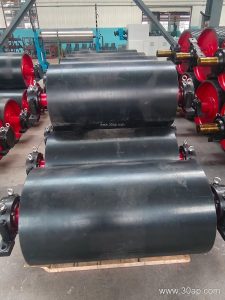
The bracket is often called a conveyor bracket or idler frame, and those names refer to the same item. It should not be confused with a conveyor pulley, which is a driven or return drum at the head, tail, or bend of the system. Pulleys and brackets do different jobs, and drive, tail, and bend pulleys are not interchangeable with each other either.
Construction and Materials
Most brackets are fabricated from angle steel, channel steel, or folded steel plate. The material and thickness are chosen for the belt width, the load, and the environment. A wash plant with wet, abrasive fines needs a different finish and strength level than a dry sand and gravel line.
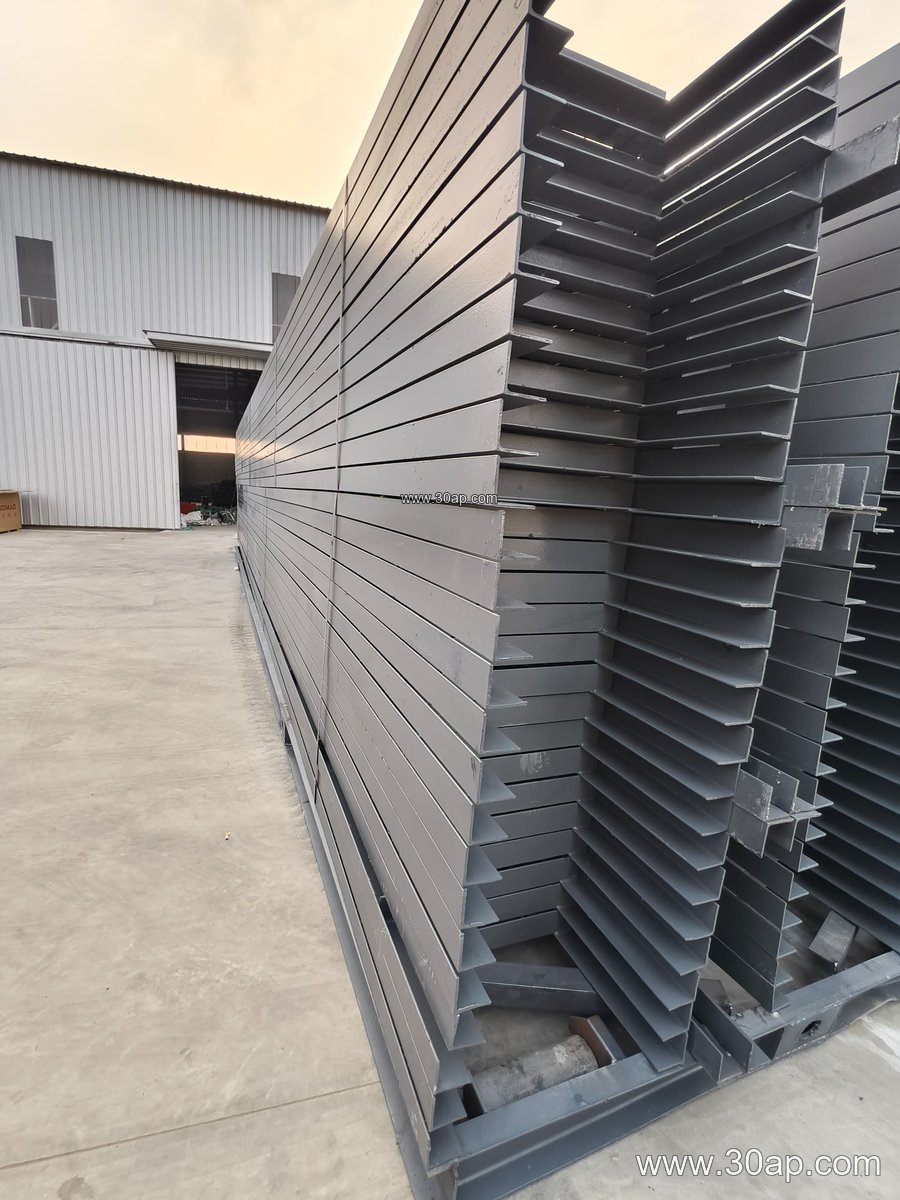
Typical bracket types include:
- Troughing brackets for the carrying side, setting the trough angle
- Transition brackets near pulleys, where the belt changes shape
- Return brackets and V-return brackets under the belt
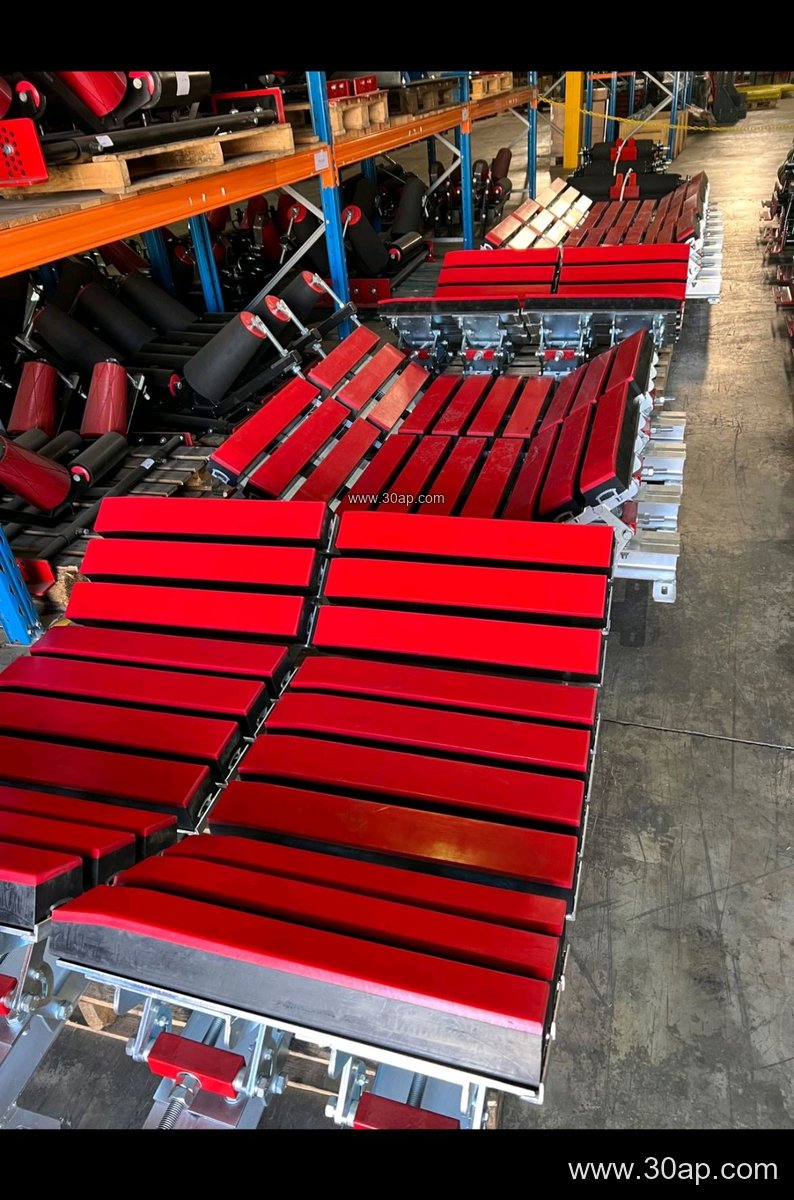
- Impact brackets at load points, paired with impact rollers
- Self-aligning and forward-leaning brackets for tracking control
- Adjustable brackets that allow the trough angle to be changed
Matching Width, Angle, and Roller Diameter
The bracket is designed around the belt width, the trough angle, and the roller diameter. Common belt widths run from B500 through B2000 and beyond, and common trough angles are 20, 30, 35, and 45 degrees. Roller diameters such as Ø89, Ø108, Ø133, Ø159, and Ø194 appear across these ranges. These are reference values, not fixed combinations; a B800 belt may be run at 35 degrees with Ø108 rollers in one plant and at a different angle or roller size in another. Mounting hole spacing and beam length follow the belt width and trough angle and are set by design.
| Belt width | Trough angle | Roller diameter | Typical bracket use |
|---|---|---|---|
| B500 | 20-30 degrees | Ø89 | Light aggregate lines |
| B650 | 30 degrees | Ø89-Ø108 | Sand and gravel conveyors |
| B800 | 35 degrees | Ø108 | General bulk handling |
| B1000 | 35-45 degrees | Ø108-Ø133 | Cement and power plant belts |
| B1200 | 45 degrees | Ø133 | Heavy ore and coal duty |
| B1400-B1600 | 35-45 degrees | Ø159 | High tonnage primary conveyors |
| B1800-B2000 | 35-45 degrees | Ø159-Ø194 | Large port and mine systems |
Where Brackets Are Used
In an iron ore or limestone mine, troughing brackets carry the loaded side of the belt while return brackets support the empty side. At a transfer point in a crushing and screening circuit, impact brackets and rollers absorb the drop of heavy rock. In a coal-fired power plant, flame retardant and anti-static belt constructions are common, and the brackets must be spaced to keep the belt stable. In a cement plant, heat resistant and abrasion resistant belts are often paired with sturdy frames that resist dust and vibration. A port or ship loading conveyor may use wide belts such as 1800mm or 2000mm, where bracket alignment matters even more.
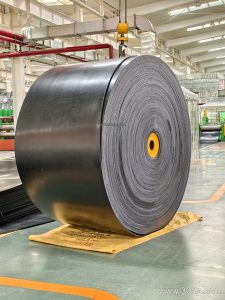
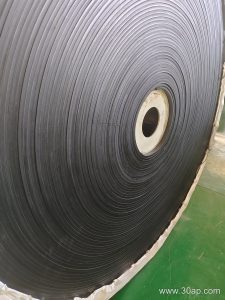
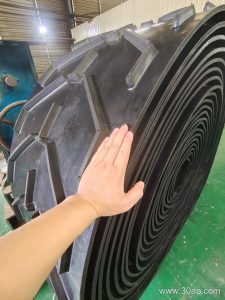
The bracket works together with the conveyor belt, the idler roller, and the conveyor pulley. Poor bracket alignment shows up as edge wear, belt misalignment, and short roller life. When a plant upgrades to a heavier belt, such as an EP200 or EP300 fabric core belt, or a steel cord belt like ST1250, the bracket spacing and roller load rating should be reviewed at the same time.
Buyer Checklist
- Confirm the belt width, trough angle, and roller diameter before ordering; do not assume one width matches one angle.
- Ask for the mounting hole pattern and beam length, since these change with width and angle.
- Match the bracket type to the position: carrying, return, impact, transition, or self-aligning.
- Choose the material finish for the site, whether wet, dusty, or corrosive.
- Check that the bracket suits the roller shaft and bearing housing used in the plant.
- For adjustable brackets, confirm the range of trough angles available.
An idler bracket is simple, but it decides how the belt sits, how the rollers wear, and how much maintenance the conveyor needs. Getting the type, material, and dimensions right at the start is cheaper than correcting belt tracking later.