What Is an Underground Conveyor Belt?
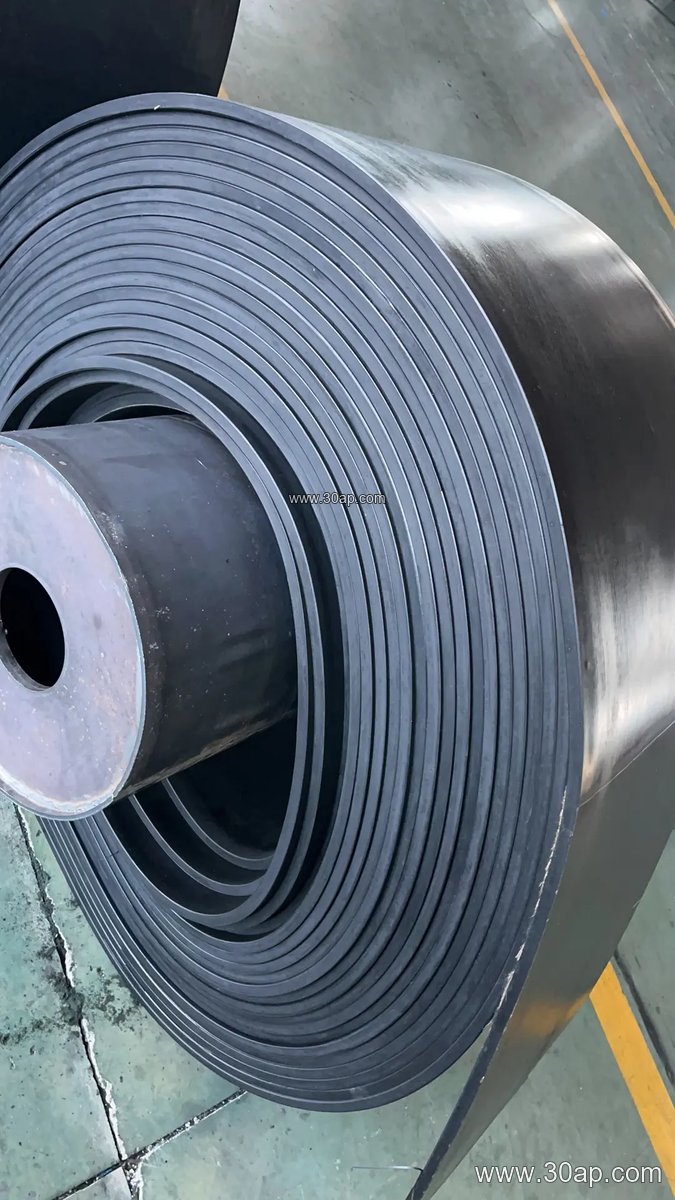
An underground conveyor belt is the continuous load-carrying element of a belt conveyor system installed in tunnels, shafts, and underground mining galleries. It moves bulk materials such as coal, ore, rock, and aggregate from the working face to the surface or to a transfer point. Because underground spaces are confined, the belt must combine high strength, flame resistance, and reliable tracking in a dusty and often wet environment. Common industries include coal mining, metal mines, cement plants, and underground construction projects.
Construction and Key Components
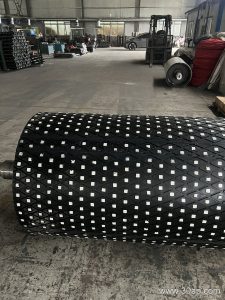
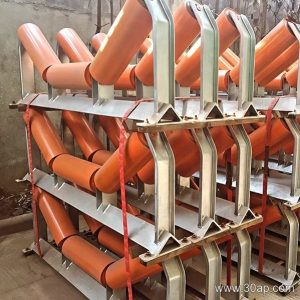
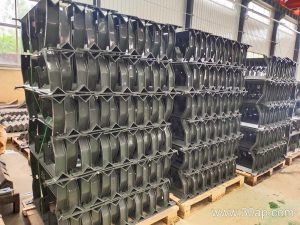
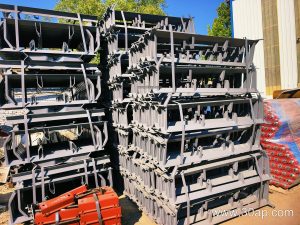
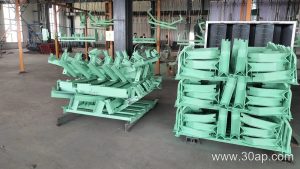
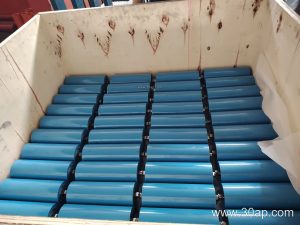
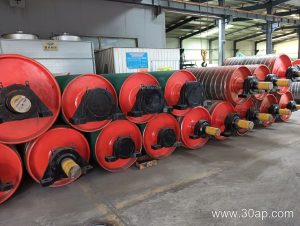
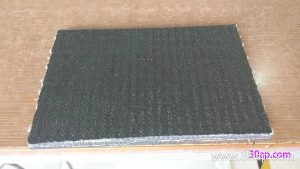
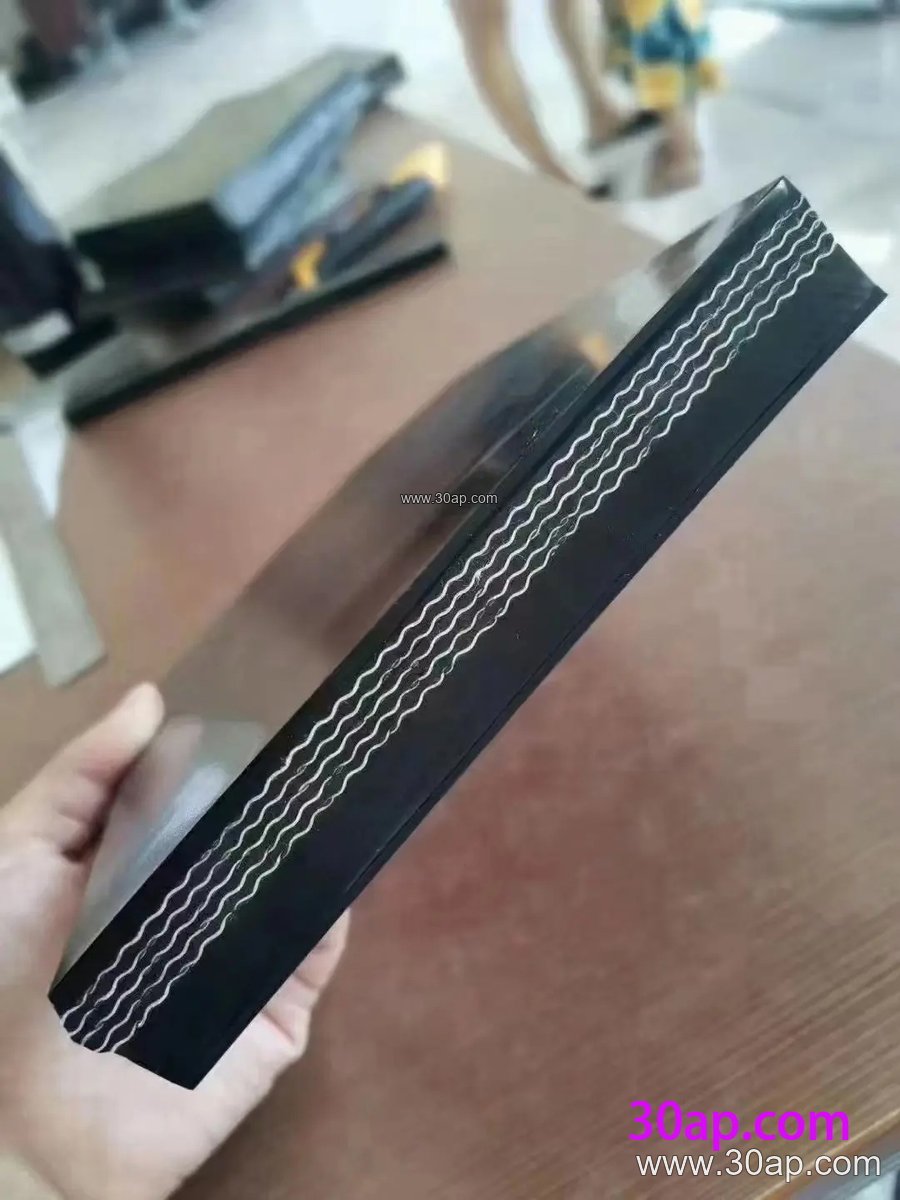
A typical underground belt is built from a fabric core or steel cord carcass covered with rubber or PVC. The carcass provides tensile strength and resistance to impact, while the cover compounds protect against abrasion, moisture, and in some cases oil or heat. For underground coal mining, flame retardant and anti-static properties are usually required, which is why PVG and PVC conveyor belts are frequently chosen. The belt runs over idler rollers, wraps around conveyor pulleys at the drive and tail ends, and is supported by conveyor brackets and frames. Drive, tail, and bend pulleys each have distinct roles and should be specified separately.
Common Belt Types for Underground Service
- PVG conveyor belt – solid woven carcass with PVC or rubber covers, often used in coal mining for flame retardant and anti-static performance.
- EP conveyor belt – polyester fabric core with good strength-to-weight ratio; EP1000 or EP1250 may be selected for longer haulage distances.
- Steel cord conveyor belt – used for high tension and long distance where fabric cores reach their limit.
- Flame retardant conveyor belt – designed to resist fire propagation in underground galleries.
- Abrasion resistant conveyor belt – suitable for hard rock and ore with sharp edges.
- Heat resistant conveyor belt – for materials with elevated temperature, such as clinker or sinter.
Where It Is Used
Underground conveyor belts serve coal mines, metal mines (iron ore, copper ore, gold mining), quarries, cement plants, and power plants that receive fuel through underground galleries. They are also found in tunnel excavation and underground storage facilities. In a coal mining conveyor belt system, the belt works together with idler rollers, conveyor pulleys, and conveyor brackets to maintain continuous flow. The same belt technology can appear in surface operations as a quarry conveyor belt or aggregate conveyor belt, but the underground version places extra emphasis on fire safety and space-saving layout.
Specifications to Discuss with a Supplier
Belt width is selected according to the required capacity and the dimensions of the conveyor structure. Common widths include B500, B650, B800, B1000, B1200, B1400, and B1600 mm. Strength grades for EP belts range from EP200 to EP2000, while steel cord grades may be quoted as ST1000 to ST3150. Cover thickness is often expressed as top plus bottom cover, for example 4+2 mm or 6+2 mm. The table below gives reference values; actual selection depends on the conveyor design and material characteristics.
| Parameter | Typical Reference Range | Notes |
|---|---|---|
| Belt width | B500 to B1600 mm | Wider belts for higher capacity |
| EP strength grade | EP200 to EP2000 | Choose based on tension and safety factor |
| Steel cord grade | ST1000 to ST3150 | For long distance and high tension |
| Cover thickness | 3+1.5, 4+2, 5+2, 6+2, 8+3 mm | Top cover depends on abrasion and impact |
| Carcass plies | 2 to 6 plies | Fabric core construction |
| Special properties | Flame retardant, anti-static, oil resistant, cold resistant | Match to underground conditions |
Buyer Checklist
Before ordering an underground conveyor belt, confirm the material type, lump size, moisture, and temperature. Ask for the flame retardant and anti-static performance if the installation is in a coal mine. Check that the belt width matches the conveyor frame and that the pulley diameters are compatible with the belt construction. Remember that belt width alone does not determine shaft diameter or pulley size; these are separate design choices. For long inclines, consider a pipe conveyor belt or a corrugated sidewall belt only if the layout requires enclosed or steep conveying, but these are different products from the standard flat underground belt. Finally, review splicing method, delivery length, and storage conditions to avoid moisture damage before installation.
For more information on selecting conveyor belts, idler rollers, and pulleys for mining and bulk material handling, visit www.example.com/conveyor-belt and www.example.com/underground-conveyor-belt.