What a High Temperature Conveyor Belt Is
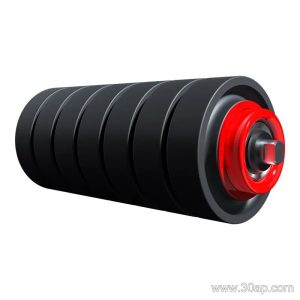
A high temperature conveyor belt is a heat resistant conveyor belt built to carry hot clinker, sinter, cement, ash, foundry sand, or hot castings without the cover hardening and cracking too quickly. The working principle is straightforward: the rubber compound on the carrying side is formulated to resist thermal ageing, and the carcass is protected from heat that passes through the cover. In a cement plant, a power plant, or a steel plant, this belt often sits on the same conveyor structure as an idler roller, a conveyor pulley, and a conveyor bracket, so heat resistance must be matched with the rest of the line.
Construction and Compound Choices
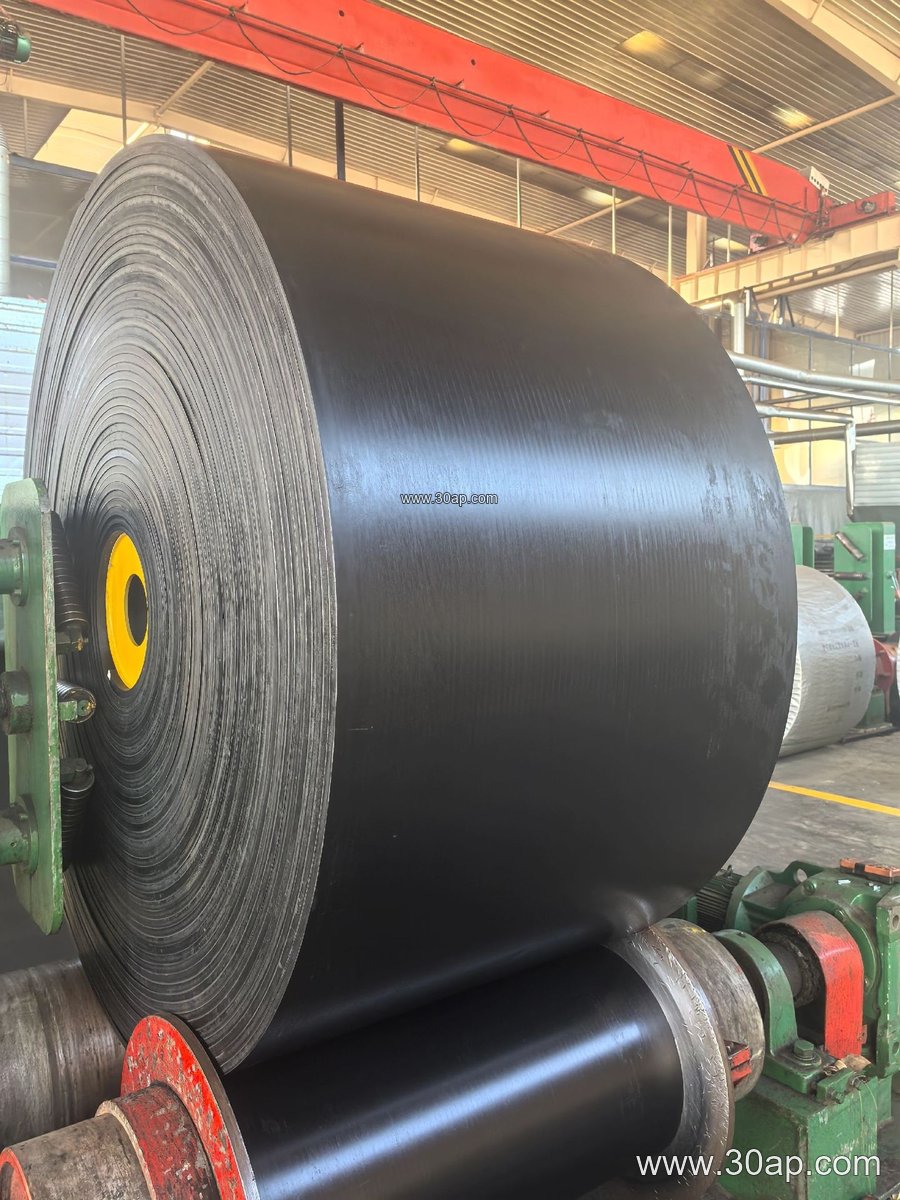
The carcass is usually a fabric core, such as an EP conveyor belt or an NN conveyor belt, with two to six plies depending on the duty. For very hot and heavy duty transfers, a steel cord conveyor belt may be preferred because it offers high tensile strength with less stretch. The cover grade is the key difference from a standard rubber conveyor belt. Common cover thickness combinations include 4+2 mm, 5+2 mm, and 6+2 mm, and heavier builds may use 8+3 mm where abrasion and heat act together.
Heat resistant grades are often grouped by the temperature range they are designed for. A buyer should ask for the continuous service temperature and the peak temperature, because a short surge is not the same as steady heat. Where hot material also slides or drops, an abrasion resistant conveyor belt compound may be needed on top of heat resistance. In coal mining or underground mining, a flame retardant conveyor belt or fire resistant conveyor belt grade may also be required, and those demands should be stated together rather than added later.
Typical Industrial Applications
These belts appear in cement plants handling clinker, in power plants moving ash and limestone, in steel plants carrying sinter and coke, and in foundries where sand and castings are still warm. Quarries and sand making plants sometimes use them after a dryer or kiln, while port and ship loading operations may need them for hot bulk material. In a coal mining conveyor line, heat resistance is usually combined with flame retardant properties, and the same applies to underground coal mining conveyor belts.
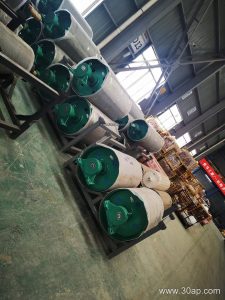
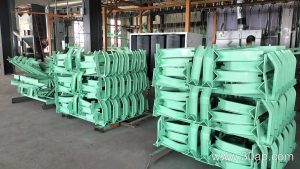
Related equipment matters. A conveyor pulley at the drive end, a tail pulley at the loading point, and a bend pulley in the return run all affect belt tracking and tension. The idler roller spacing and the conveyor bracket layout influence how the belt sits under load. None of these parts can be swapped for one another, and belt selection should follow the conveyor design rather than a single fixed rule. For example, a 1200mm wide conveyor belt is not tied to one pulley diameter; the pulley size is set by the belt construction, tension, and the conveyor designer’s calculation.
Common Sizes and Strength Grades
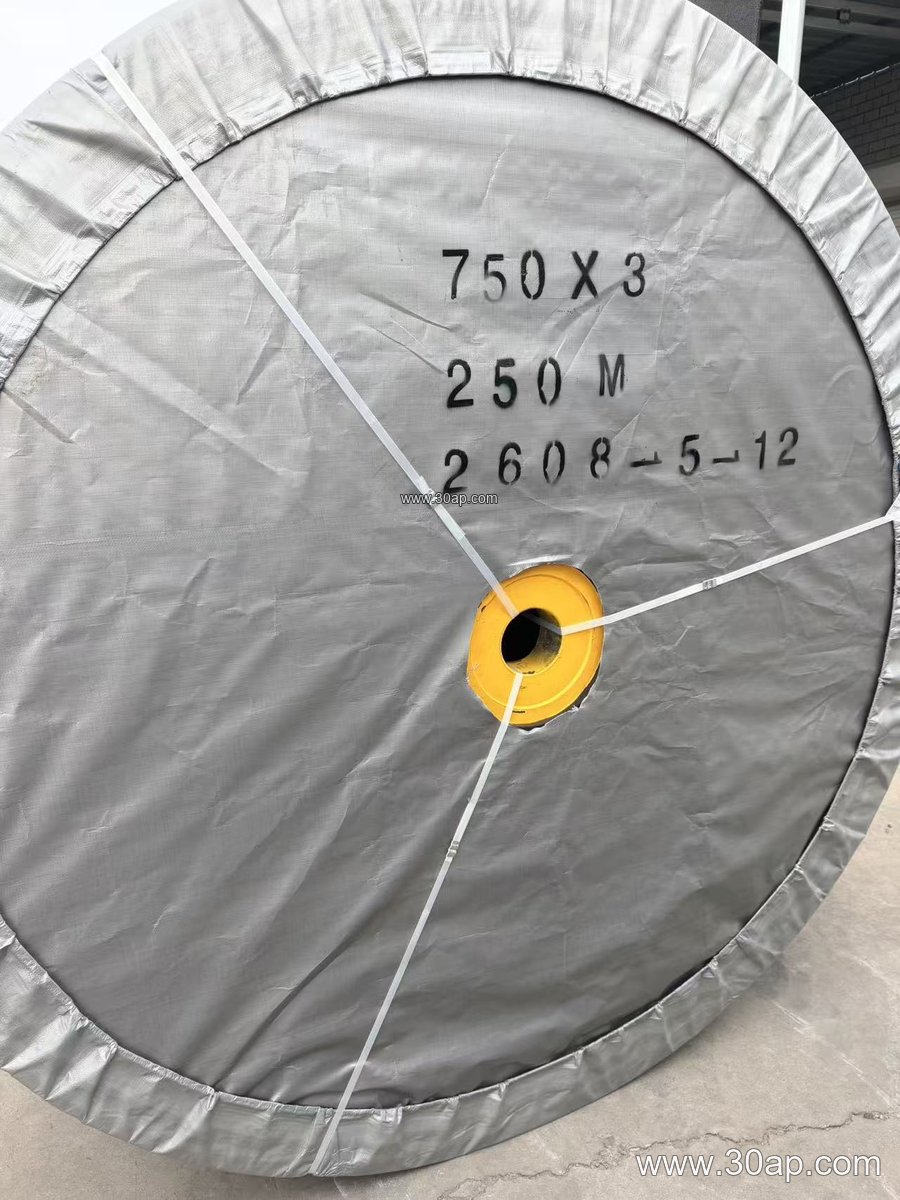
The table below shows reference values that appear in product literature. They are starting points for discussion, not verified universal specifications or a supply promise.
| Parameter | Reference values |
|---|---|
| Fabric core strength grades | EP200, EP315, EP400, EP500, EP630, EP800, EP1000, EP1250, EP1600, EP2000 |
| Belt width | B500, B650, B800, B1000, B1200, B1400, B1600, B1800, B2000 |
| Cover thickness | 3+1.5, 4+2, 5+2, 6+2, 8+3 mm |
| Carcass plies | Usually 2 to 6 layers |
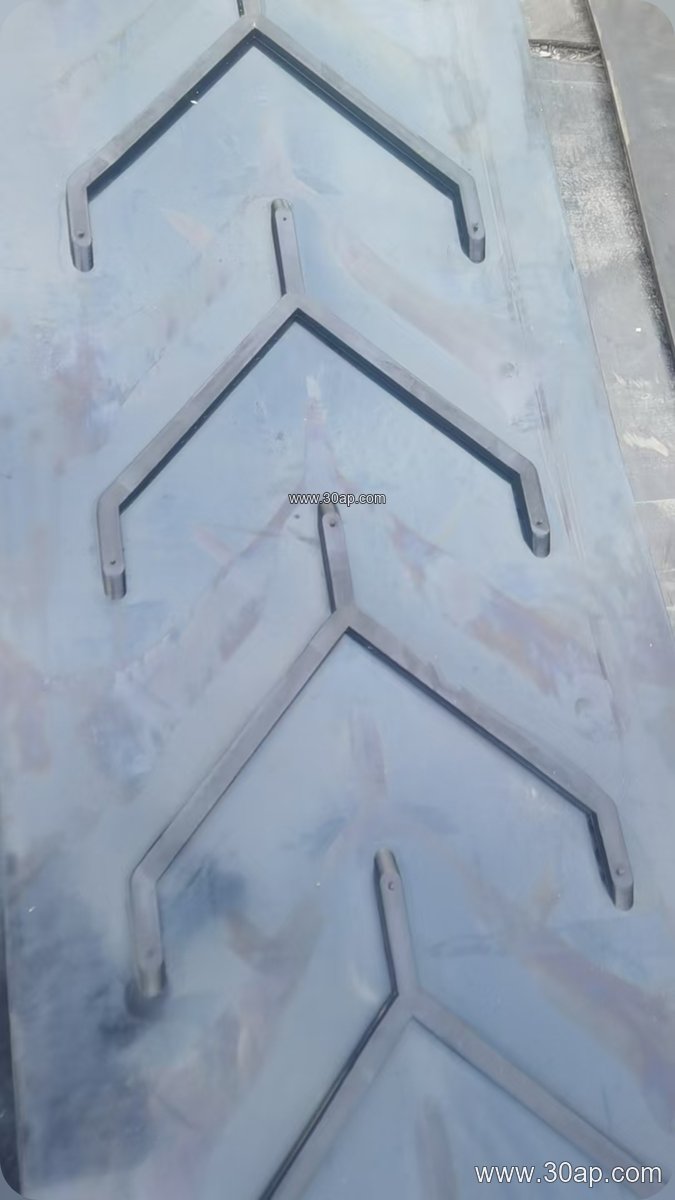
Steel cord grades such as ST1000, ST1250, ST1600, ST2000, ST2500, and ST3150 may be quoted for high tension lines. A fabric core conveyor belt is often enough for medium duty, while a multi-ply fabric core conveyor belt gives more puncture resistance. Where hot material is inclined, a chevron conveyor belt profile can help, and a corrugated sidewall conveyor belt or skirted conveyor belt can contain spillage. These are alternative designs for specific needs, not replacements for the heat resistant belt itself.
Buyer Checklist
- State the material, the continuous temperature, and any short peak temperature.
- Confirm the belt width, strength grade, cover thickness, and number of plies against the conveyor design.
- Check whether flame retardant, anti-static, or oil resistant properties are also required.
- Review the drive pulley, tail pulley, and bend pulley sizes with the conveyor engineer.
- Ask how the belt will be joined; an endless conveyor belt may suit long runs, while field splicing may be needed elsewhere.
- Plan inspection of the idler roller and conveyor bracket condition, since poor support shortens belt life.
For questions about heat resistant conveyor belt grades and matching widths, contact the supplier with the full duty description. A belt that suits a cement plant may not suit a foundry, and the difference usually lies in the compound and the carcass, not in the name on the order.