What a Carbon Steel Conveyor Bracket Does
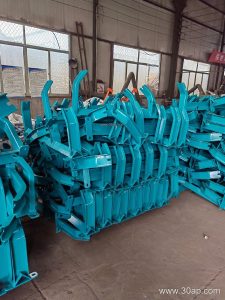
Every conveyor belt needs a solid frame to keep idlers, pulleys, and the belt itself in proper alignment. The carbon steel conveyor bracket is that structural interface. It mounts to the conveyor stringer or frame and holds the idler roller or conveyor pulley in the correct position. Without a rigid, accurately placed bracket, even a premium belt and top-grade rollers will misalign, causing edge wear, spillage, and premature failure.
Carbon steel is the default material for these brackets in most industrial settings because it offers a practical balance of strength, weldability, and cost. In a quarry conveyor line, a cement plant raw-material handling system, or a power plant coal yard, the bracket must resist vibration and occasional impact while keeping the belt tracking true. The same carbon steel conveyor bracket can be found in a sand and gravel plant or a fertilizer bulk handling facility, often as part of a complete conveyor bracket assembly.
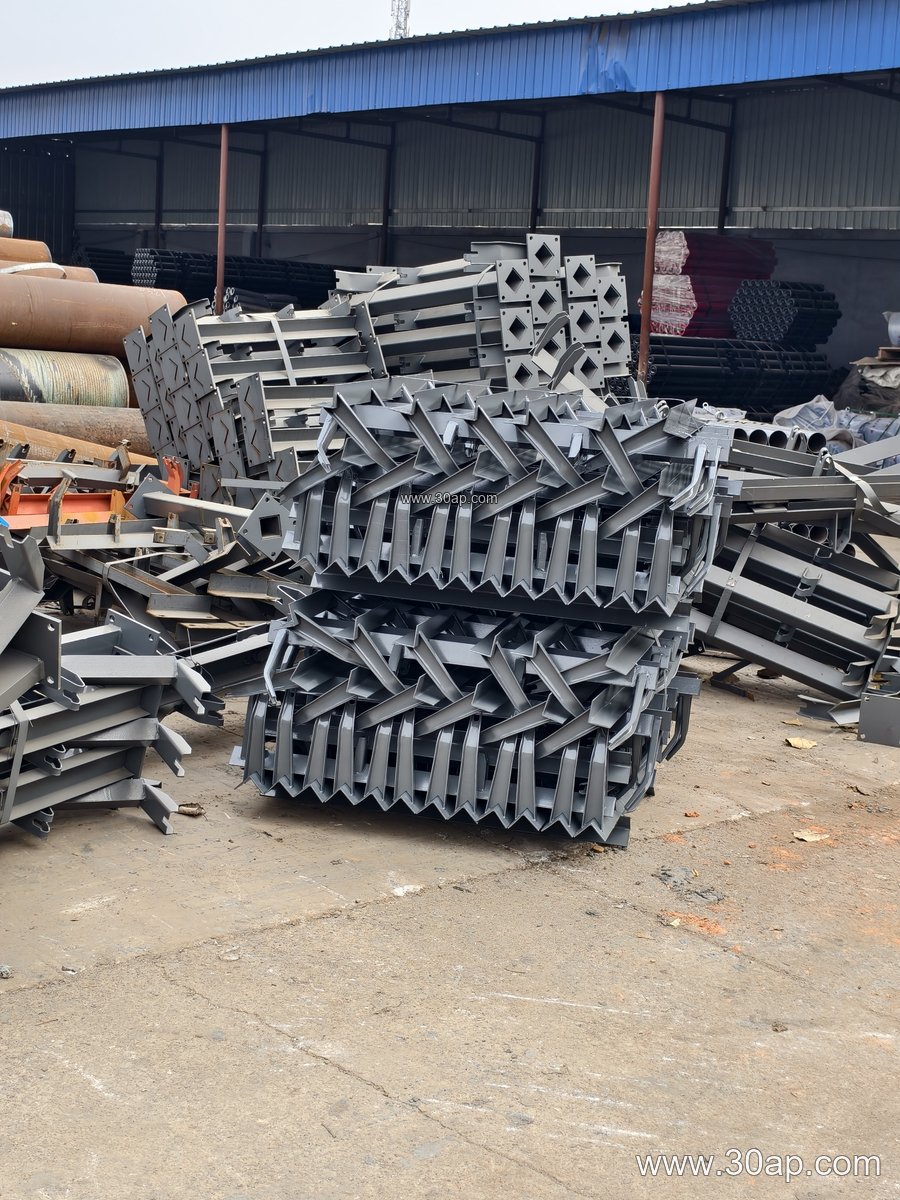
How These Brackets Are Built
Fabrication starts with angle steel, channel steel, or bent steel plate. The choice depends on load and mounting style. A troughing bracket for a 1200mm wide belt carrying dense aggregate will typically use heavier channel sections than a return bracket on a 650mm wide package-handling line. Slots and holes are punched or drilled to match the idler shaft and frame bolt pattern. Many designs include a degree of adjustability so the trough angle can be set during installation.
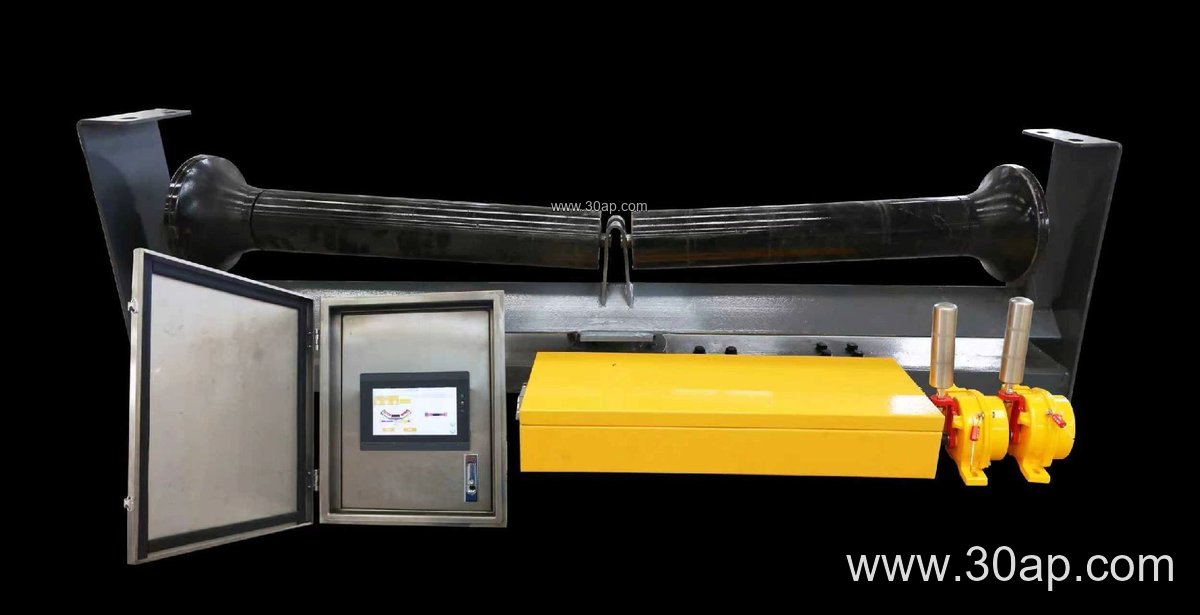
Surface treatment matters too. In a coal mining conveyor system, brackets are often painted or galvanized to slow corrosion. In a limestone quarry, dust and moisture demand tight welds and no crevices where material can pack. The carbon steel conveyor bracket is not a one-size-fits-all part—mounting hole spacing and beam length usually vary with belt width and trough angle, so buyers should confirm dimensions against the conveyor frame drawing rather than assume a standard fit.
Common Types and Where They Sit
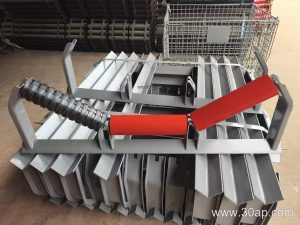
Brackets are named for their position and function. Troughing brackets support the carrying side and set the trough angle. Return brackets hold the belt on the return run, and V-return brackets help center the belt. Impact brackets sit under loading points to absorb fall energy. Transition brackets ease the belt from flat to troughed. Self-aligning brackets allow slight movement to correct tracking.
- Troughing bracket – carrying side, sets 20°, 30°, 35°, or 45° trough angles.
- Return bracket – supports the return belt, often flat or V-shaped.
- Impact bracket – reinforced under crusher or transfer discharge points.
- Transition bracket – gradual change of belt shape near pulleys.
- Adjustable bracket – allows trough angle changes on site.
For example, a B800 belt at 35° with Ø108 idlers is a common combination in a stone crushing plant, while a B1200 belt at 45° with Ø133 idlers might appear in a heavy-duty mining conveyor. These are typical references, not fixed rules—designers may pair other widths, angles, and roller diameters depending on load and belt construction.
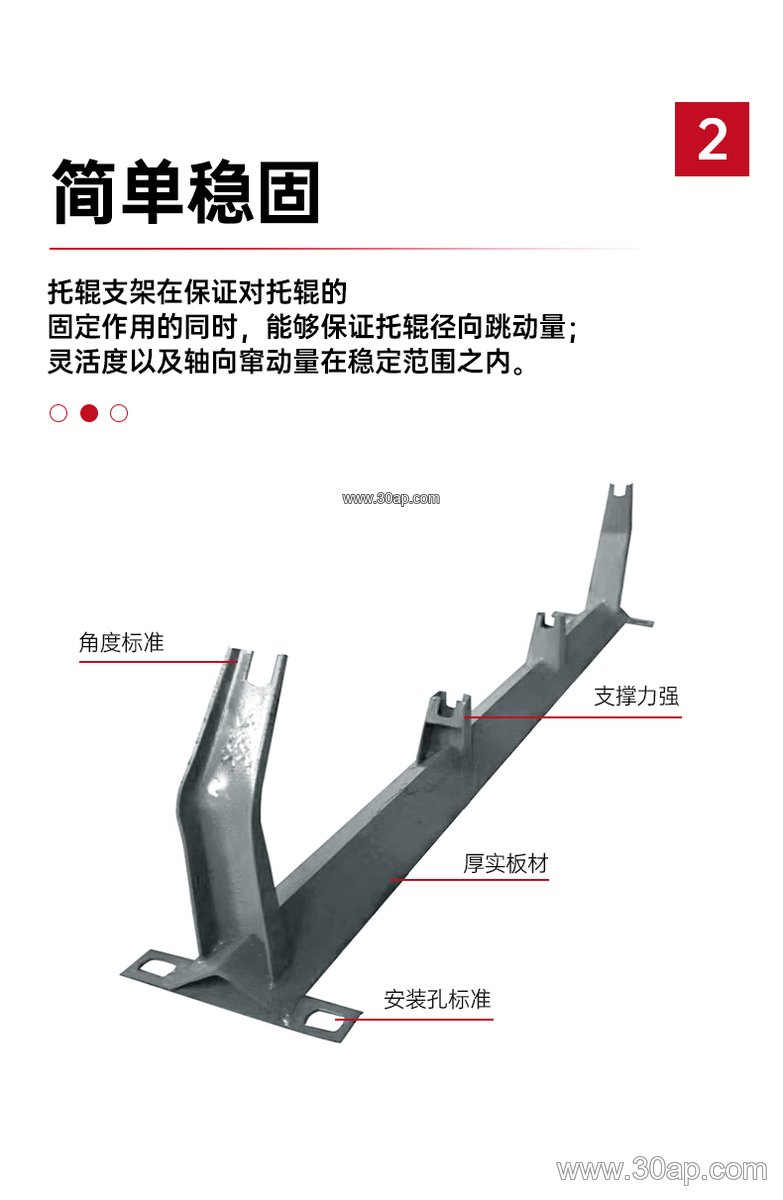
Matching Brackets to Belts and Idlers
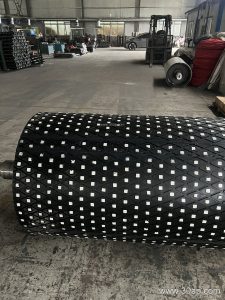
The bracket must fit the idler roller shaft and the belt width. A wider belt usually needs a longer bracket beam and more mounting points, but there is no single shaft diameter tied to a given belt width. Buyers should supply the idler manufacturer’s shaft size and the frame bolt pattern. The same logic applies to conveyor pulleys: a drive pulley, tail pulley, and bend pulley each have their own bracket or bearing housing requirements, and they are not interchangeable.
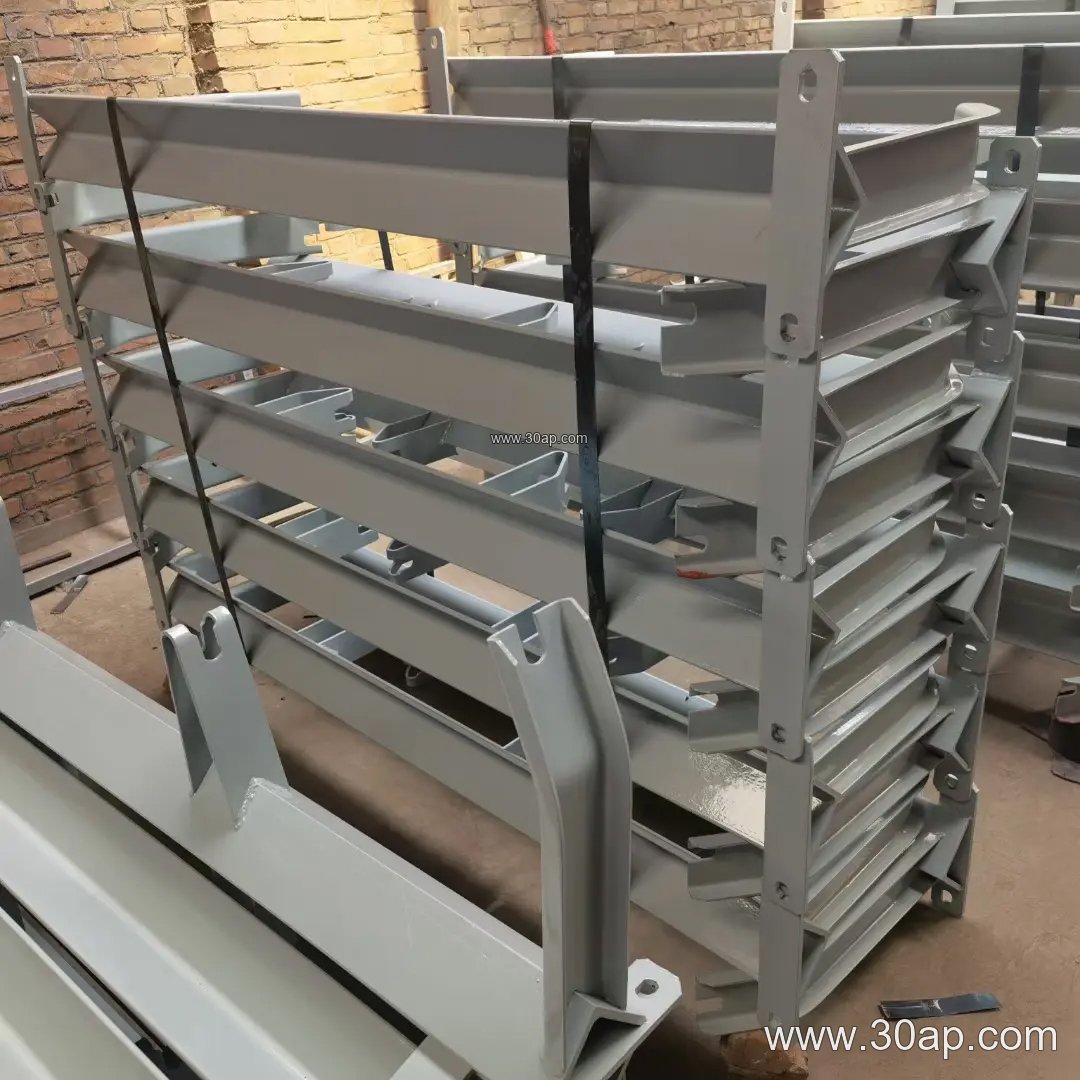
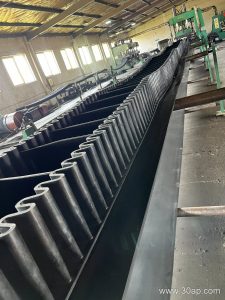
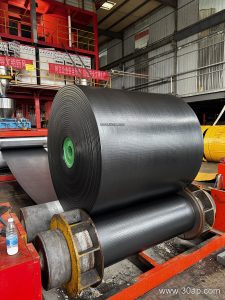
Belt type also influences bracket selection. A heavy-duty mining conveyor belt or steel cord conveyor belt may require stiffer brackets and closer idler spacing. A chevron conveyor belt or corrugated sidewall conveyor belt can affect clearance around the bracket. In food or chemical plants, an oil resistant conveyor belt or heat resistant conveyor belt may call for brackets with specific coatings or stainless alternatives, though carbon steel remains common where corrosion is not severe.
Buyer Checklist
Before ordering a carbon steel conveyor bracket, gather the following: belt width (for example B650, B1000, B1400), required trough angle (20°, 30°, 35°, 45°), idler diameter (Ø89, Ø108, Ø133, Ø159, Ø194), mounting hole spacing, and frame beam dimensions. Confirm whether the bracket is fixed or adjustable, and whether it is for carrying, return, impact, or transition service. Ask for material thickness and surface treatment. For a quarry conveyor or a coal mining conveyor, specify the expected dust and moisture exposure. For a port or ship loading conveyor, consider wind and salt exposure. A clear drawing exchange prevents field modification and downtime.
Finally, remember that the bracket works as part of a system. Pairing it with the correct conveyor idler, pulley, and belt—whether an EP conveyor belt, NN conveyor belt, or steel cord conveyor belt—keeps the whole line running smoothly. A small, well-specified carbon steel conveyor bracket is a low-cost component with an outsized effect on belt life and plant availability.