What a Friction Idler Does on a Conveyor
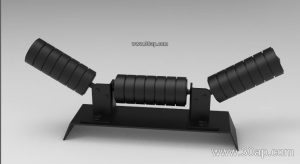
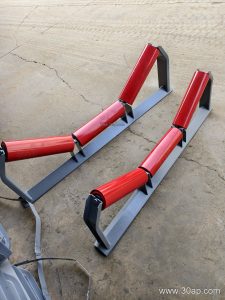
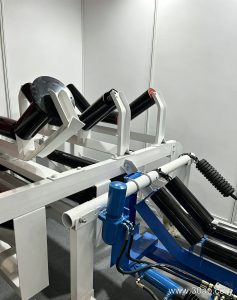
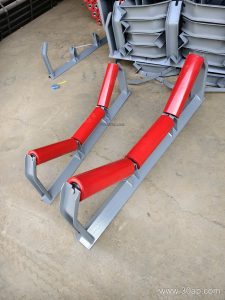
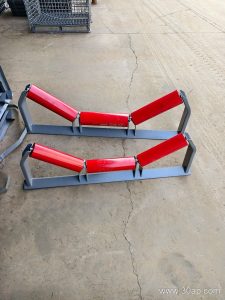
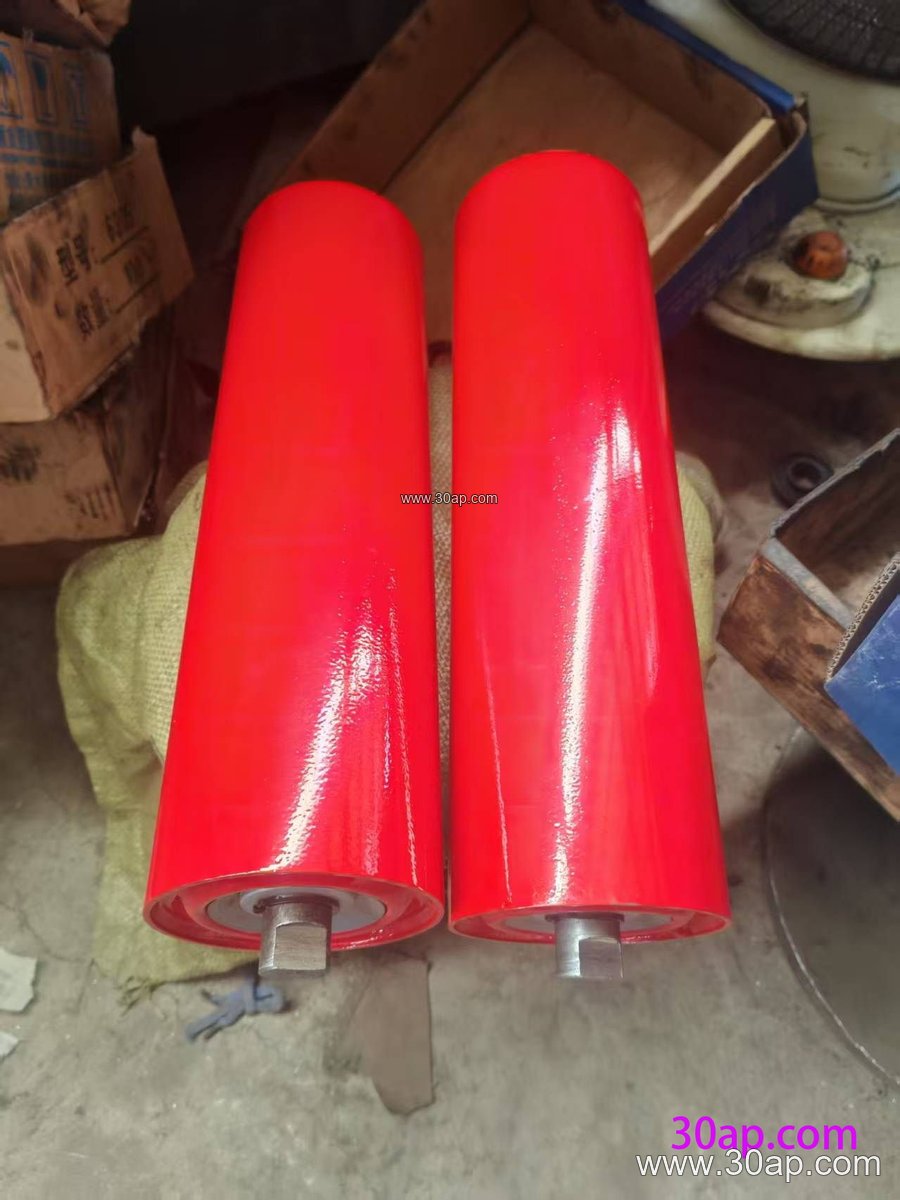
A friction idler is a self-training roller that uses the friction between its surface and the moving conveyor belt to correct misalignment. Unlike a standard carrying idler, which only supports the belt, this roller pivots slightly when the belt drifts, creating a steering effect that guides the belt back to center. In a quarry conveyor or a coal mining conveyor, where belt mistracking can quickly damage edges and spill material, a friction idler helps protect the belt and the structure without external power.
Construction and Key Components
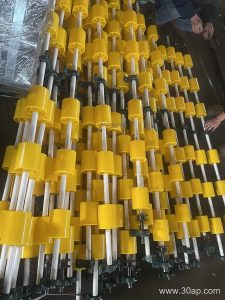
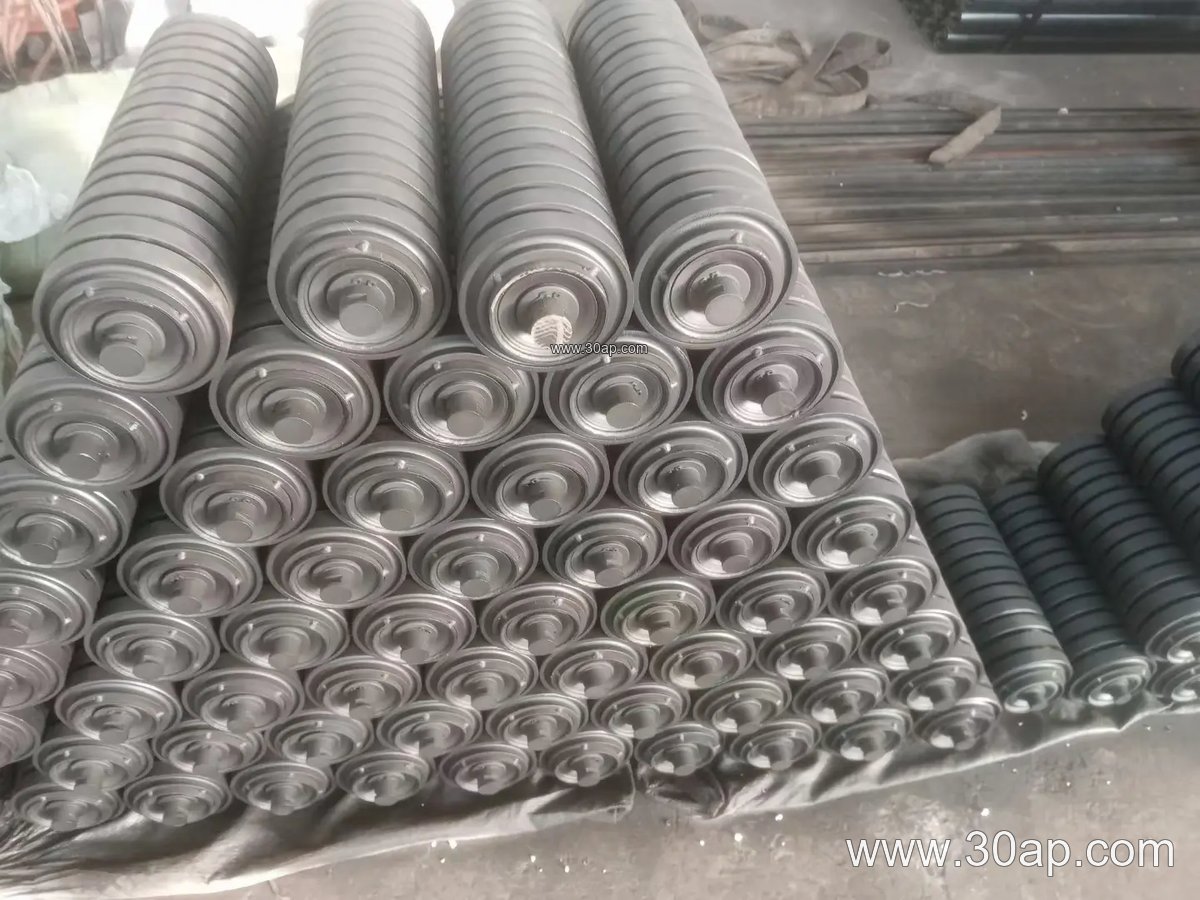
The friction idler is built around a sturdy shaft and a roller shell that may be covered with rubber or polyurethane to increase grip. Inside, sealed ball bearings—common sizes such as 6205, 6305, or 6308—allow smooth rotation while keeping out dust and water. The roller is mounted on a pivoting bracket that enables a small angle of tilt. When the belt contacts the roller off-center, friction forces the roller to swing, and the resulting angle pushes the belt back toward the center line. This self-adjusting action is the core of the design.
Typical Roller Dimensions
Friction idlers are available in a range of roller diameters and belt widths to suit different conveyor capacities. The table below lists common reference values, not fixed combinations.
| Parameter | Common Range |
|---|---|
| Roller diameter | Ø63, Ø76, Ø89, Ø102, Ø108, Ø127, Ø133, Ø159, Ø178, Ø194, Ø219 mm |
| Belt width | B400, B500, B650, B800, B1000, B1200, B1400, B1600, B1800, B2000, B2200, B2400 mm |
| Roller surface | Steel tube, nylon, ceramic, rubber ring |
| Bearing sizes | 6204, 6205, 6305, 6306, 6308, 6310 |
| Idler group | Single roller, two-roller, three-roller troughing |
Roller length varies with belt width, trough angle, and idler arrangement. For a three-roller troughing set, common roller lengths are about 200 mm for B500, 250 mm for B650, 315 mm for B800, 380 mm for B1000, 465 mm for B1200, 530 mm for B1400, 600 mm for B1600, 670 mm for B1800, and 750 mm for B2000. These are examples only; side rollers and center rollers may differ, and actual dimensions are determined by design.
Where Friction Idlers Are Used
Friction idlers are often installed on the carrying side of a conveyor, especially in the transition zone or along long runs where belt tracking is critical. In a limestone mine or a cement plant, they help keep an EP conveyor belt or a steel cord conveyor belt centered under load. They are also useful on the return side when paired with V-type return rollers, though they are not a replacement for those rollers. In coal mining, a flame retardant conveyor belt may be guided by friction idlers to reduce edge wear and material spillage. In a power plant coal handling system, they support smooth operation of the belt conveyor and reduce maintenance downtime.
Selection and Maintenance Tips
When choosing a friction idler, match the roller diameter and bearing size to the belt width and load. A wider belt such as a 1200mm wide conveyor belt generally requires a larger roller diameter and a heavier bracket than a 650mm belt, but no single size is mandatory for every conveyor. Consider the environment: in a dusty quarry or a wet coal plant, sealed bearings and rubber-covered rollers offer better grip and longer life. Regular inspection of the pivot mechanism and roller surface helps maintain tracking performance. A worn rubber cover or a stiff pivot can reduce effectiveness, so periodic cleaning and lubrication of moving parts are recommended.
For more information on conveyor components such as conveyor belt, idler roller, conveyor pulley, and conveyor bracket, please visit our website.