What Is a Conveyor Bend Pulley
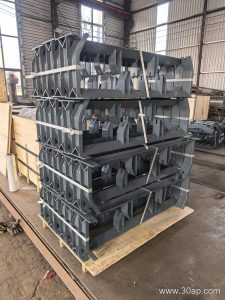
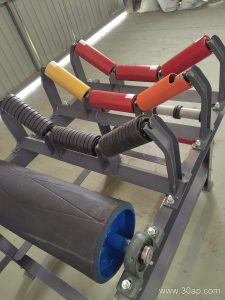
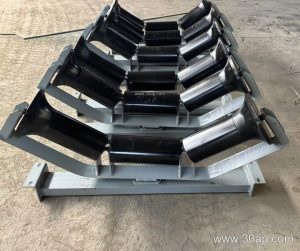
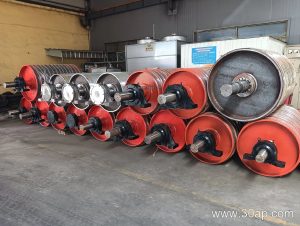
A conveyor bend pulley, also called a redirect pulley, is a non-drive pulley that changes the direction of the conveyor belt without transmitting power. It is commonly installed at the tail end, tensioning station, or along the return run to guide the belt back into the carrying path. Unlike the drive pulley, which grips and moves the belt, or the tail pulley, which maintains belt tension at the loading point, the bend pulley simply redirects belt travel. This distinction matters when specifying components, because drive, tail, and bend pulleys are not interchangeable. A bend pulley works with the conveyor belt and idler rollers to keep the system aligned and efficient, and it is often supported by a sturdy conveyor bracket.
Construction and Key Features
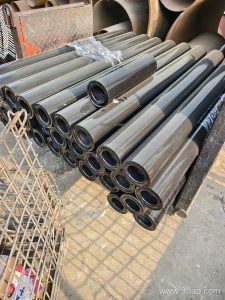
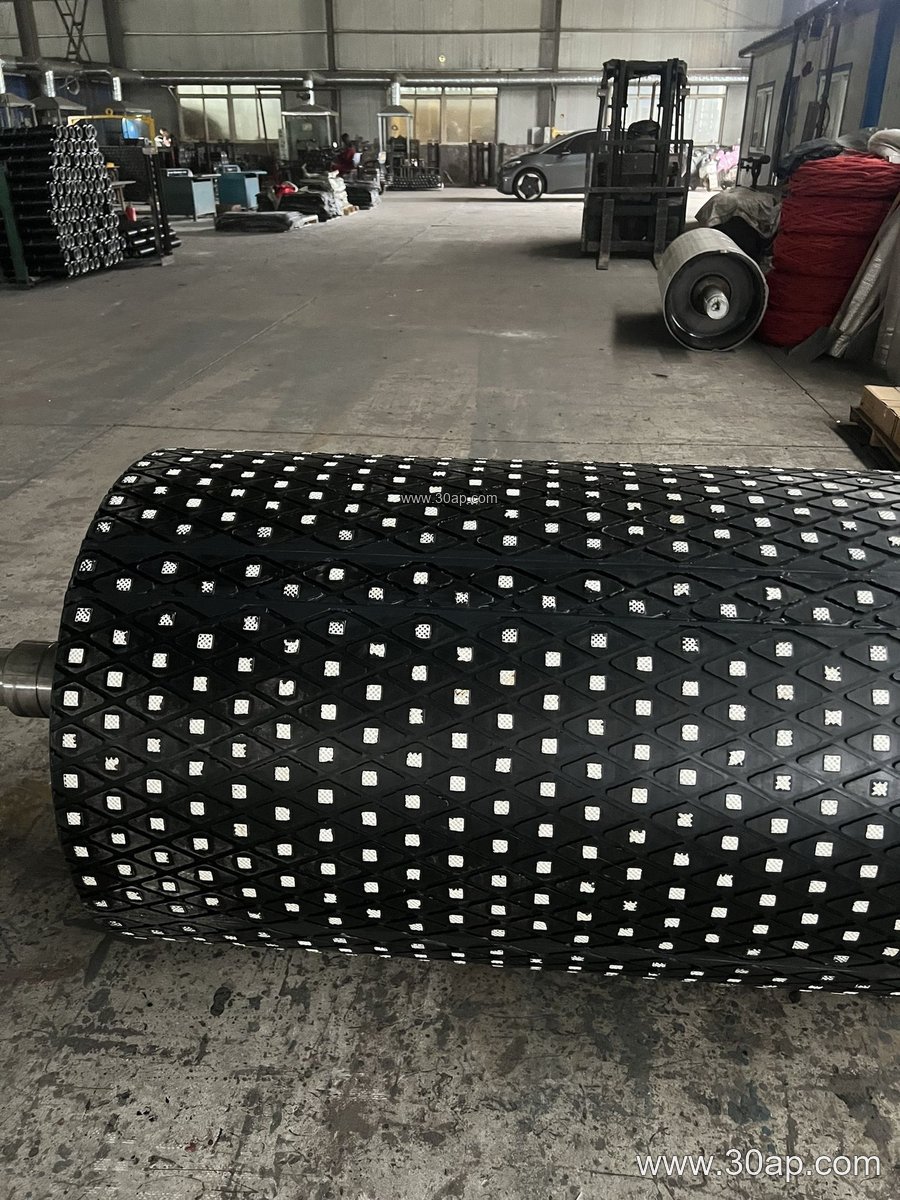
Most bend pulleys are built with a cylindrical shell, a shaft, and bearing housings. The shell may be seamless steel tube or fabricated from rolled plate, and the shaft is sized according to torque and load rather than belt width alone. Common shaft diameters include Ø50, Ø60, Ø70, Ø80, Ø90, Ø100, Ø120, Ø140, Ø160, Ø180, and Ø200 mm. Surface options range from plain finish to rubber lagging applied by cold bonding, hot vulcanizing, or casting. Lagging thicknesses of 8, 10, 12, 15, and 20 mm are frequently used to improve traction or protect the belt. For dusty or wet conditions, diamond or herringbone lagging can help shed material. The pulley face width is usually wider than the belt, for example a B800 belt may use a face width around 950 mm, but this is a reference, not a fixed rule.
Where It Fits in the Conveyor System
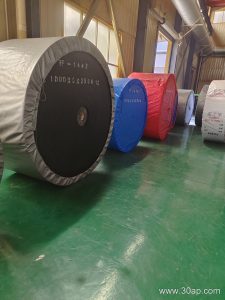
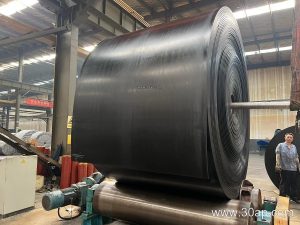
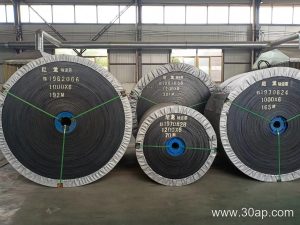
Bend pulleys appear in many bulk handling operations, including limestone quarries, cement plants, and power plant coal yards. In a typical arrangement, the belt leaves the drive pulley, travels over carrying idlers, discharges at the head, and then returns through a series of bend pulleys and a tensioning pulley before reaching the tail pulley. The bend pulley may be positioned to increase wrap angle on the drive pulley or to route the belt around obstructions. In mining and quarry circuits, a heavy-duty bend pulley with abrasion resistant lagging often works alongside an EP conveyor belt or a steel cord conveyor belt to handle high tension and sharp materials.
Common Types and Configurations
Although the bend pulley is the main subject, it helps to know how it compares with other pulley types. Drive pulleys transmit power, tail pulleys set tension at the loading end, and bend pulleys redirect the belt path. Within the bend category, you may find fixed-axis bend pulleys, self-aligning bend pulleys, and wing-type pulleys for sticky materials. Diameters commonly range from Ø200 to Ø800 mm for bend applications, while larger diameters such as Ø1000 or Ø1250 mm may be used on high-tension systems. A B1200 belt might pair with a Ø1000 bend pulley in one design, while a B800 system could use a Ø500 pulley; these are examples only, as the correct diameter depends on belt speed, tension, and space.
Buyer Checklist for Conveyor Bend Pulley Selection
When specifying a conveyor bend pulley, gather the following information: belt width (B400 to B2400 are common), belt type and tension rating, pulley diameter, shaft diameter, lagging requirement, bearing type, and mounting position. Confirm the pulley face width and the conveyor bracket dimensions to ensure proper fit. Consider environmental factors such as dust, moisture, temperature, and fire risk. In coal mining or underground applications, flame retardant and anti-static properties may be required for the conveyor belt and related components. For abrasive materials like iron ore or copper ore, a high abrasion resistant conveyor belt and a lagged bend pulley can extend service life. Always request drawings and material certificates from the supplier and verify that the pulley is designed for the actual load, not just the belt width.
Maintenance and Troubleshooting
Regular inspection of the bend pulley includes checking lagging wear, bearing temperature, shaft alignment, and belt tracking. Misalignment can cause edge wear on the conveyor belt and premature bearing failure. Lubricate bearings according to the manufacturer schedule and replace worn lagging before it damages the belt. Keep the area around the pulley clean to prevent material buildup that can affect belt path. In dusty plants, such as cement or aggregate operations, schedule more frequent cleaning and inspection. A well-maintained bend pulley contributes to the overall reliability of the conveyor system and helps protect the conveyor belt investment.