What a Port Bulk Material Conveyor Idler Does
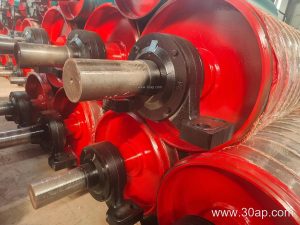
At a port, bulk cargo moves from ship unloaders and stackers through long belt lines before it reaches storage or rail. The port bulk material conveyor idler is the rotating support under the conveyor belt that carries that load. In everyday terminal language it is simply called a belt idler or idler roller. It is not a drive pulley, tail pulley or bend pulley; those are conveyor pulleys that transmit power and change belt direction. Idlers roll with the belt and keep it shaped, aligned and supported.
Port duty is rarely gentle. Iron ore, coal, fertilizer, grain and aggregate bring dust, moisture, salt air and impact from transfer chutes. A well-chosen idler roller protects the conveyor belt, reduces spillage and keeps the line running between shift changes.
How the Idler Is Built
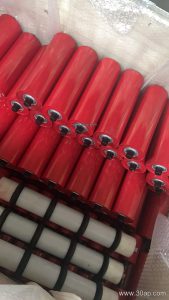
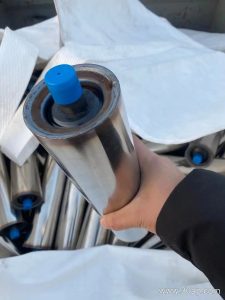
Most terminal idlers share a simple structure: a steel tube shell, a shaft, bearing housings at both ends, and a sealing system. The shell may be plain steel, nylon-coated, ceramic-covered or fitted with rubber rings. Seals matter as much as the tube, because fine ore dust and salt spray are the usual causes of early bearing failure.
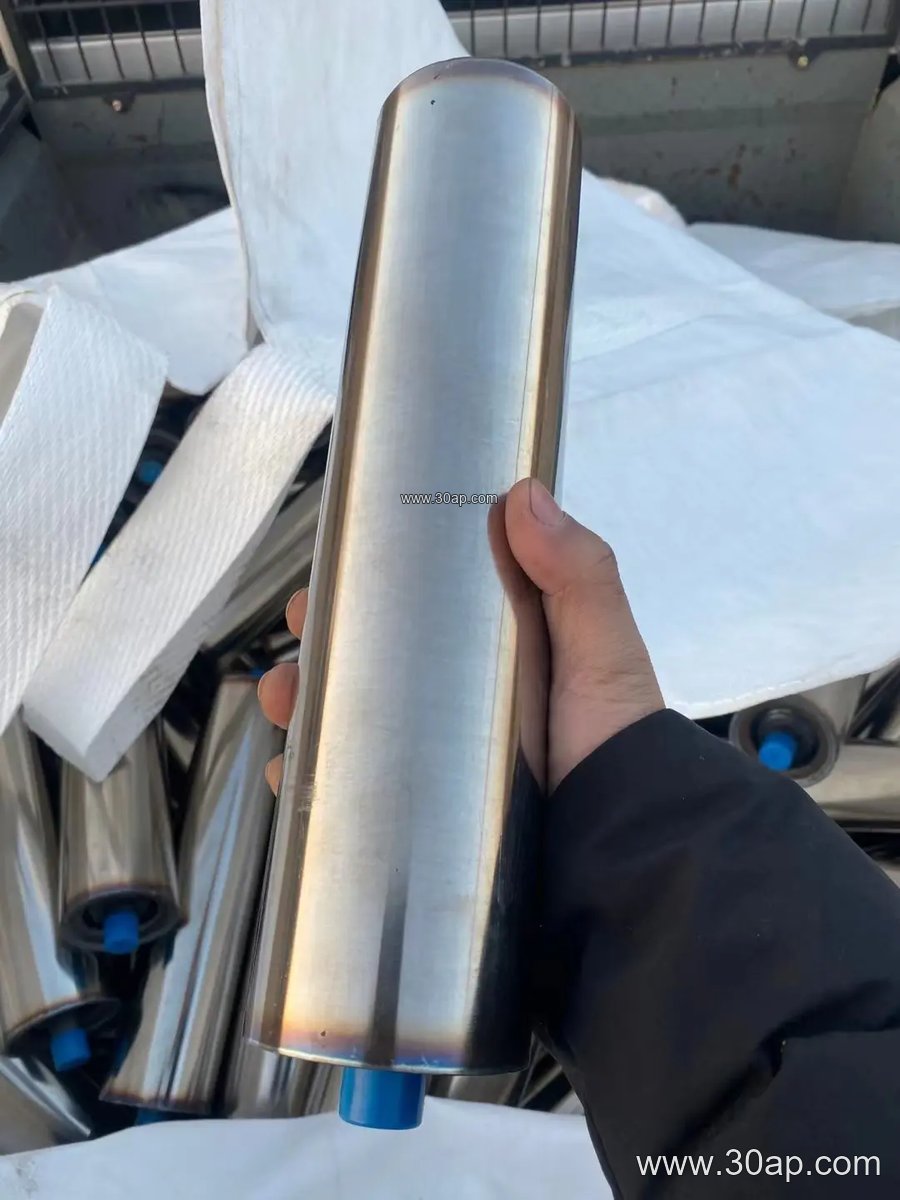
Common bearing sizes include 6204, 6205, 6305, 6306, 6308 and 6310. Bearing choice follows load, speed and shaft design, so a given roller diameter does not lock the idler to one bearing number. The conveyor bracket and frame also affect mounting height and alignment.
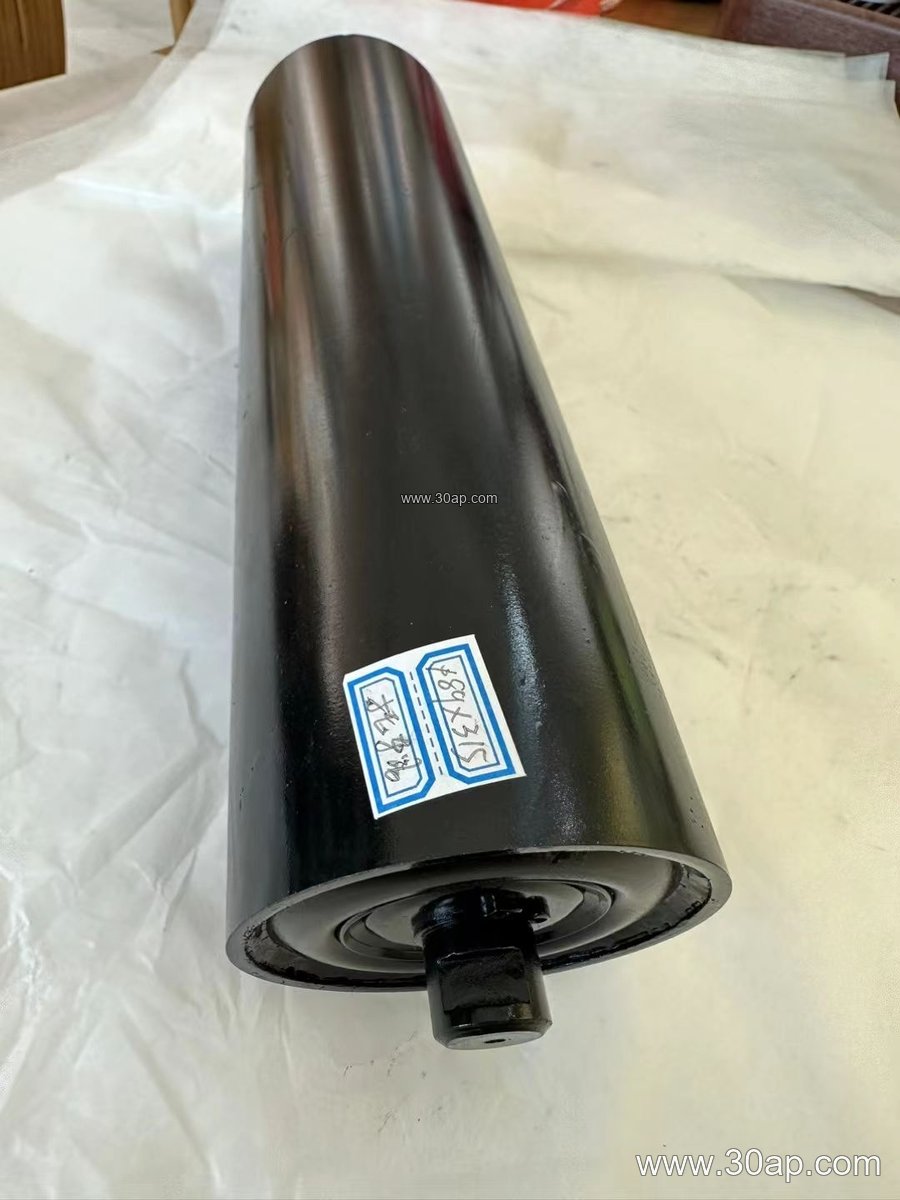
Common reference dimensions
The table below shows typical idler diameters and belt width ranges used in port and bulk handling layouts. These are reference values for discussion, not a fixed supply list.
- Idler diameter: Ø63, Ø76, Ø89, Ø102, Ø108, Ø127, Ø133, Ø159, Ø178, Ø194, Ø219 mm
- Belt width: B400, B500, B650, B800, B1000, B1200, B1400, B1600, B1800, B2000, B2200, B2400
- Trough angle: 20, 30, 35 or 45 degrees
- Trough sets: single roller, two-roller, three-roller
- Roller surface: steel tube, nylon, ceramic, rubber ring
Roller length changes with belt width, trough angle and set type. For a three-roller trough set, common examples are about 200 mm for B500, 250 mm for B650, 315 mm for B800, 380 mm for B1000, 465 mm for B1200, 530 mm for B1400, 600 mm for B1600, 670 mm for B1800 and 750 mm for B2000. Side rollers and centre rollers can differ, so the figure is a starting point rather than a rule.
Where Idlers Sit on a Port Conveyor
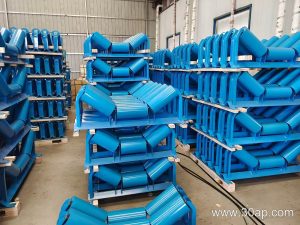
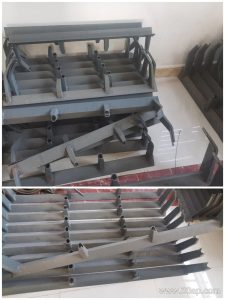
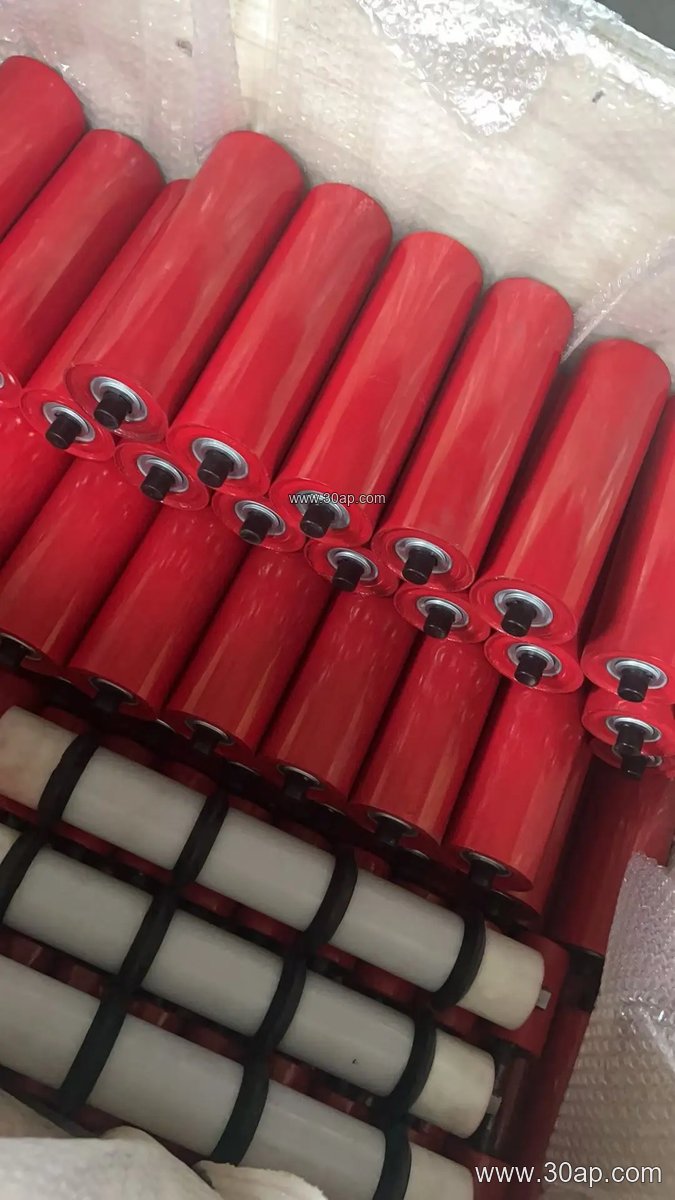
On the carrying side, three-roller trough idlers hold the belt in a trough so that ore or coal does not spill. A 35-degree trough is common on high-capacity lines, while 20 or 30 degrees may suit lighter material. Transition idlers ease the belt from flat to troughed shape near pulleys. On the return side, flat return idlers or V-return idlers support the empty belt.
Impact zones below loading chutes often use impact idlers or rubber-ring impact idlers to absorb falling material. Self-aligning idlers, including friction and tapered types, help correct belt drift on long dockside runs. Spiral idlers can reduce sticking material in wet or sticky cargo. These are idler variants, not replacements for the main port bulk material conveyor idler on the line.
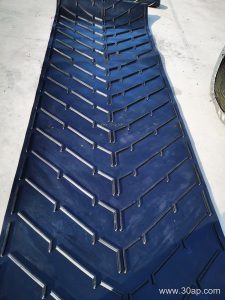
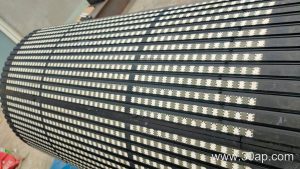
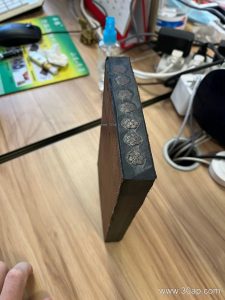
Port conveyors often run abrasion resistant conveyor belt, EP conveyor belt or steel cord conveyor belt, depending on tonnage and distance. A heavy-duty mining conveyor belt may appear on ore lines, while a flame retardant conveyor belt is specified where coal dust and fire risk require it.
Buyer Checklist Before Ordering
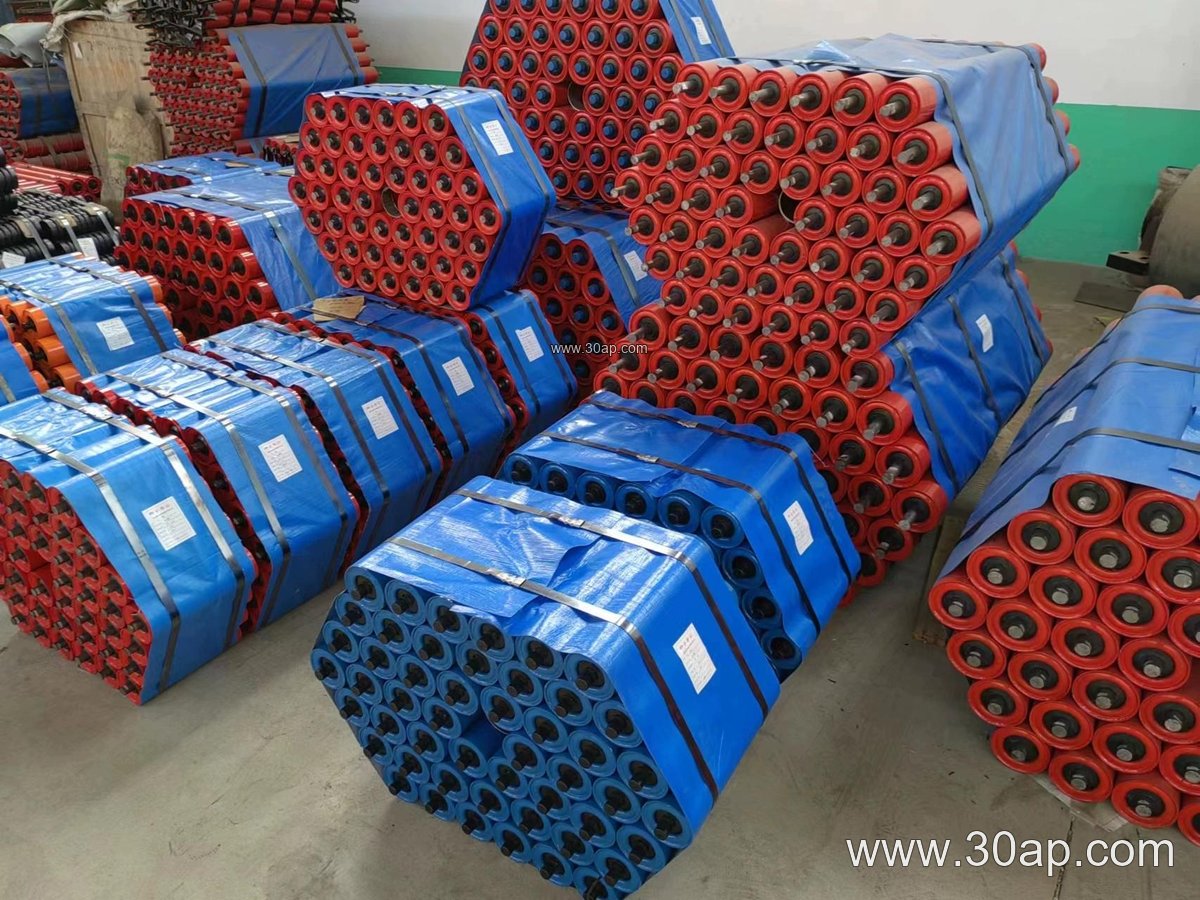
Start with the belt width, trough angle and set type. Confirm the roller diameter and shaft end detail that fit the existing conveyor bracket. Check the sealing arrangement for salt air and fine dust, and ask how the bearing housing is protected. For impact areas, state the drop height and lump size rather than choosing a standard roller.
Ask for the roller length and centre-to-centre mounting dimensions, not just the diameter. Confirm whether the shell is steel, nylon, ceramic or rubber ring, and whether the application needs a self-aligning or spiral design. Keep spare idler rollers for wear points, and inspect for seized bearings, worn shells and belt misalignment on a regular schedule.
Whether the terminal handles coal, iron ore, copper ore, fertilizer or grain, matching the idler to the conveyor belt, pulley layout and cargo conditions is the practical route to fewer stoppages. A correctly specified port bulk material conveyor idler is a small component with a large effect on belt life and terminal throughput.