What a Nylon Idler Is and Where It Fits
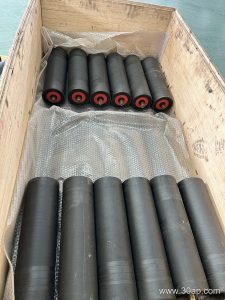
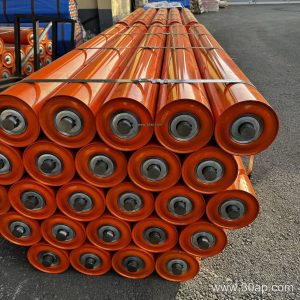
A nylon idler is a conveyor idler roller whose outer shell is made from nylon rather than the more common steel tube. It sits under the carrying or return strand of a conveyor belt and supports the belt and its load while turning freely on its bearings. Because the rolling surface is a polymer, the roller is lighter than a comparable steel idler, quieter in operation, and less likely to mark or scuff the belt cover. In a quarry, a cement plant, or a power plant coal yard, these properties often matter more than raw load capacity.
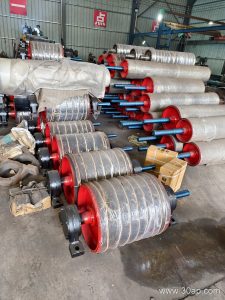
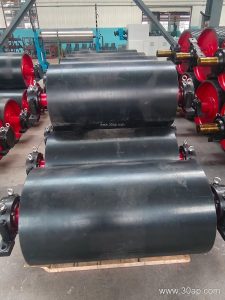
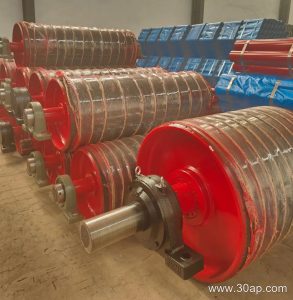
The nylon idler should not be confused with a conveyor pulley. A conveyor pulley is a drum that drives, tails, or bends the belt at the ends of a conveyor; drive, tail, and bend pulleys are separate components and are not interchangeable with any idler. The nylon idler is a mid-span support, and its job is to keep the belt tracking smoothly between those pulleys.
How the Roller Is Put Together
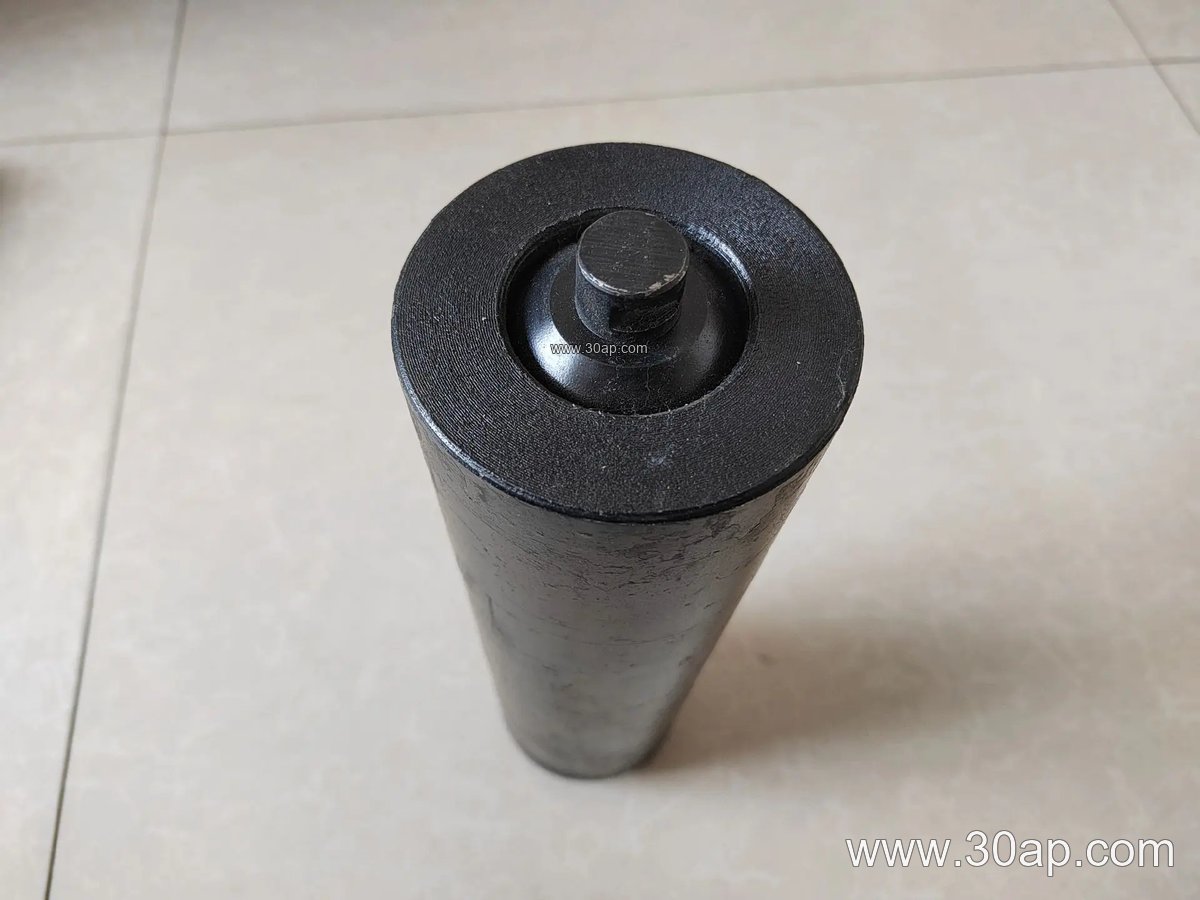
A typical unit combines a nylon shell, a shaft, and a pair of sealed bearing housings. The shell may be a single moulded piece or a nylon sleeve fitted over a core. Bearings are usually deep-groove ball bearings in sizes such as 6204, 6205, 6305, 6306, 6308, or 6310, selected to suit the shaft and the load rather than tied to a single roller diameter. Seals are the detail most worth checking: fine dust from a crusher or a sand making plant will destroy an unsealed bearing long before the nylon wears out.
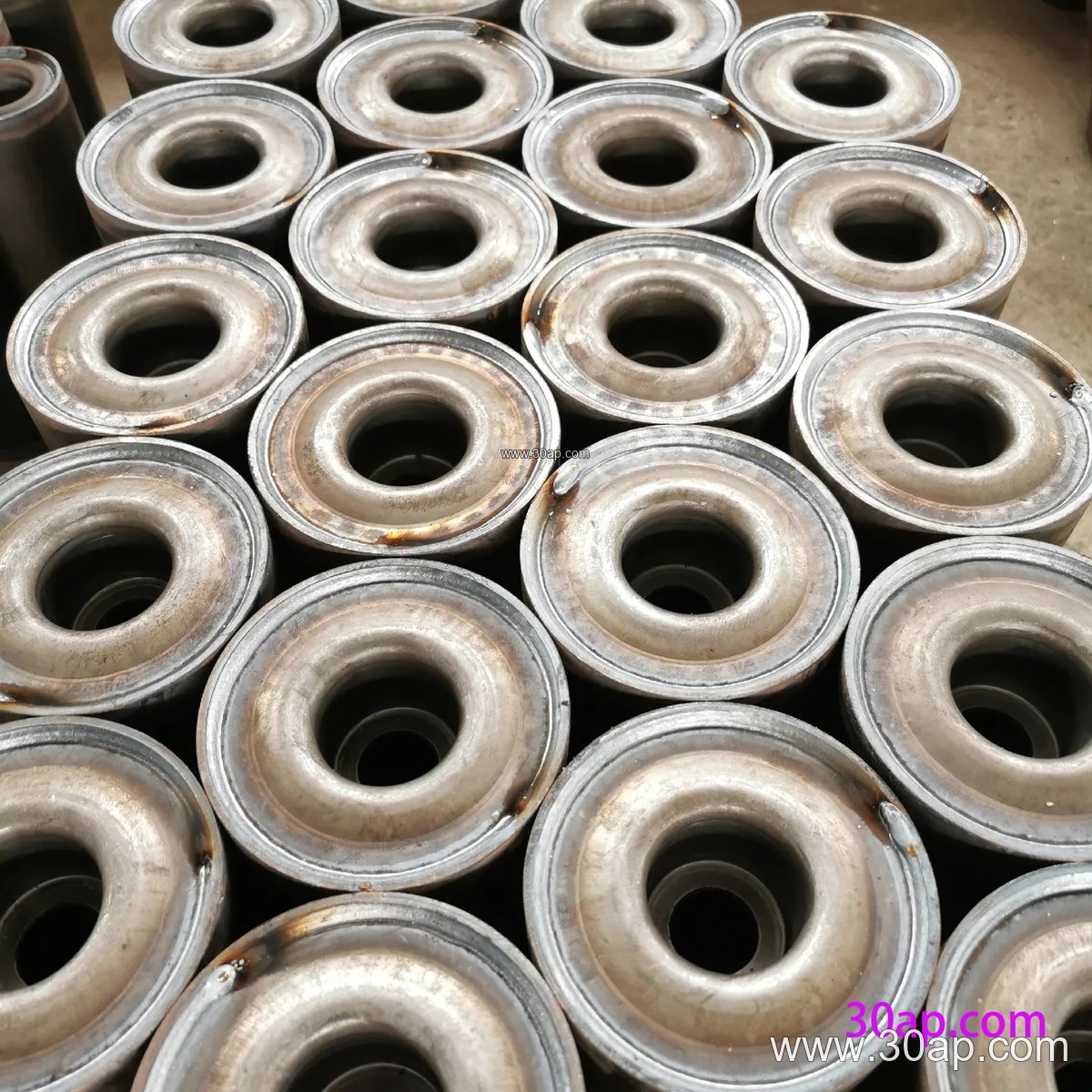
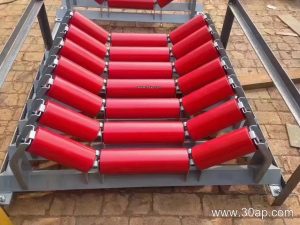
Nylon idlers are made in the same roller diameters as steel versions, commonly Ø63, Ø76, Ø89, Ø102, Ø108, Ø127, Ø133, Ø159, and larger sizes for heavy belts. They can be supplied as single rollers or assembled into two-roller and three-roller troughing sets, with trough angles of 20, 30, 35, or 45 degrees depending on the material and belt width.
Matching Roller Size to Belt Width
Roller length follows belt width, trough angle, and the type of idler set. The figures below are common reference values, not fixed pairings; side rollers and the centre roller of a three-roll set can differ, and the final length is set by the conveyor design.
| Belt width | Typical roller length, three-roll troughing |
|---|---|
| B500 | about 200 mm |
| B650 | about 250 mm |
| B800 | about 315 mm |
| B1000 | about 380 mm |
| B1200 | about 465 mm |
| B1400 | about 530 mm |
| B1600 | about 600 mm |
| B1800 | about 670 mm |
| B2000 | about 750 mm |
Note that a given belt width does not dictate one shaft diameter, and one roller diameter does not belong to one belt width only. A 1200 mm conveyor handling dense iron ore will generally need a larger shaft and bearing than the same width carrying grain, and the belt speed and load per metre both enter the calculation.
Where Nylon Idlers Earn Their Place
The light weight is a real advantage on long return runs and on conveyors where rollers are replaced by hand. In a limestone quarry or an aggregate line, a nylon return idler reduces the effort of maintenance and cuts the rotating mass that the belt must drag. In a concrete mixing plant or a fertilizer handling line, the non-marking surface helps protect the belt cover on a clean installation.
Nylon is not the answer everywhere. On a primary crusher discharge where lumps fall hard onto the belt, a rubber-disc impact idler or a steel-shell roller with a thick wall is usually the better choice, because nylon can crack under sharp point loading. The same applies to very hot material from a sinter strand or a cement kiln, where heat would soften the polymer. For those duties a heat resistant conveyor belt paired with steel or heat-rated rollers is more sensible. Where the belt itself is a heavy-duty mining conveyor belt or a steel cord conveyor belt carrying ore at high tension, nylon idlers can still be used, but the bearing and shaft selection must be checked against the actual load.
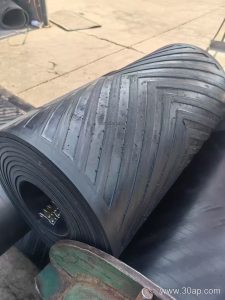
Nylon shows up on pipe conveyor belt return runs, on chevron conveyor belt lines where the raised cleats need smooth support, and on skirted conveyor belt installations where spillage is contained. Users of EP conveyor belt, NN conveyor belt, and multi-ply fabric core conveyor belt often specify nylon rollers on the return side simply to keep belt wear low. If the belt is a flame retardant conveyor belt for an underground coal mining conveyor, check that the roller’s antistatic and fire behaviour suits the same environment.
What to Confirm Before Ordering
- Roller diameter and roller length, plus the trough angle if a set is required.
- Shaft diameter, bearing size, and seal type for the actual dust and moisture level.
- Load per roller and belt speed, so wall thickness is not undersized.
- Whether the location is carrying or return, and whether impact or heat rules nylon out.
- Mounting details for the conveyor bracket and frame, so the roller drops in without modification.
A nylon idler is a simple part, but it is chosen on details. Get the diameter, length, bearing, and seal right, and it will run quietly for a long time between the head and tail pulleys of almost any bulk handling line.