What Makes a High-Capacity Idler Different
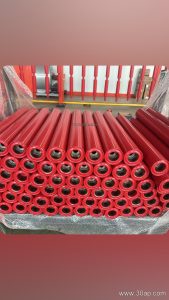
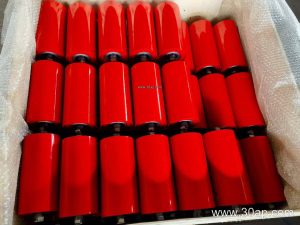
A high-capacity idler is a conveyor idler roller built to carry heavier loads, wider belts, and more abrasive materials than a standard-duty unit. It is not simply a thicker tube; the bearing selection, seal design, shaft dimensions, and roller-end welding all work together to handle the continuous stress found in primary crushing circuits, stockyard conveyors, and long overland lines. Where a standard idler might serve a 800mm wide conveyor handling moderate tonnage, a high-capacity idler is more often specified for 1200mm to 1800mm wide belts carrying high-density ore or aggregate.
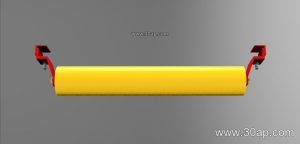
The term describes a performance class rather than a single shape. A high-capacity idler can be a three-roll troughing set on the carrying side, a return roller underneath, or a impact idler at a transfer point. What stays consistent is the load rating and the expectation of longer service life under punishing conditions.
Construction Details That Matter
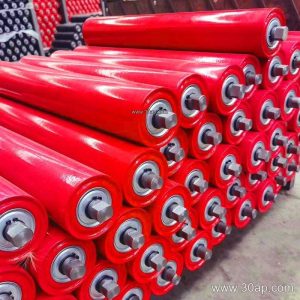
Roller diameter is the first visible clue. Heavy-duty troughing idlers commonly use diameters from 127mm to 194mm, with 159mm and 178mm appearing on large mining and port conveyors. A larger diameter reduces bearing rpm for a given belt speed, which helps in high-tonnage service. Tube wall thickness also increases, and the roller surface may be plain steel, nylon-coated, or fitted with rubber rings for impact absorption.
Bearing housings are typically sealed for life, with common bearing numbers including 6305, 6306, 6308, and 6310 depending on shaft and load requirements. The seal arrangement matters as much as the bearing itself in dusty quarries and coal preparation plants. A multi-labyrinth seal with a grease-filled cavity keeps fine grit away from the rolling elements.
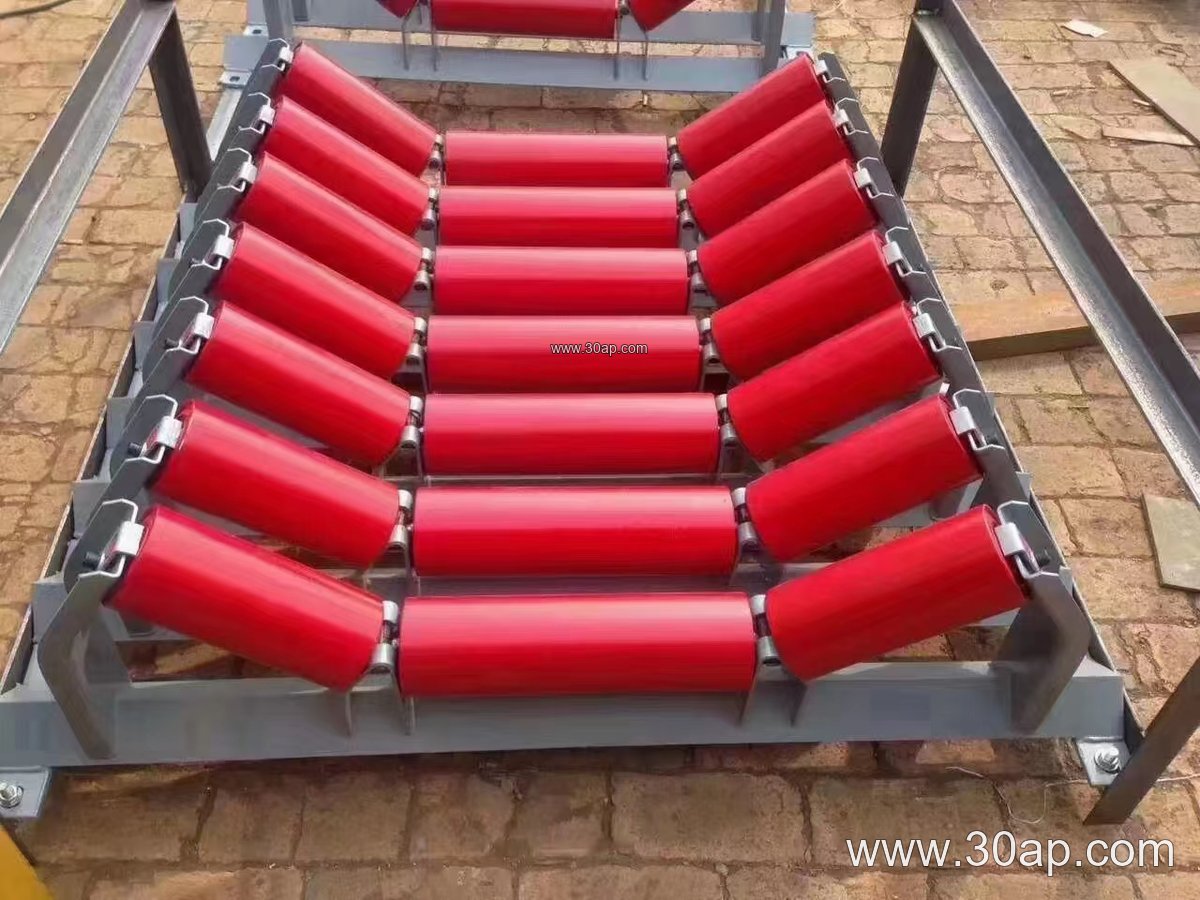
Shaft ends are machined to fit conveyor brackets, and the flat or groove dimensions must match the bracket type used on the conveyor structure. This is a detail buyers should confirm early, because a high-capacity idler that does not seat correctly in the bracket can cause belt misalignment and premature failure.
Where High-Capacity Idlers Are Used
These idlers appear in primary and secondary crushing plants, where lump sizes are large and impact loads are severe. In a copper or iron ore concentrator, the conveyor feeding the crusher may use impact idlers with rubber rings at the discharge point, followed by heavy three-roll troughing sets along the main run. The same approach applies in a limestone quarry or a sand and gravel line, where the belt carries sharp, dense material.
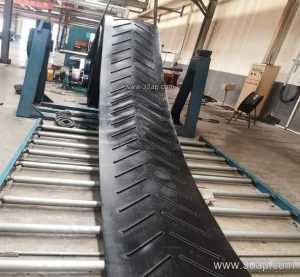
Power plant coal handling and port ship-loading conveyors also rely on high-capacity idlers because of long distances and continuous operation. A steel cord conveyor belt on an overland line needs stable roller support to maintain trough shape and avoid edge damage. In cement plants, the clinker conveyor and the raw material handling sections are common locations for this class of idler.
Trough Angle, Belt Width, and Roller Length
The trough angle affects how the belt carries the load. Common angles are 20, 30, 35, and 45 degrees. A 35-degree three-roll set is a frequent choice for bulk material, while 45 degrees can be seen where extra capacity is needed within a given belt width. The roller length in a three-roll troughing set changes with belt width, trough angle, and roll arrangement. The following examples show typical center roll lengths, not fixed rules:
| Belt Width | Typical Center Roll Length (Example) |
|---|---|
| B500 | 200 mm |
| B650 | 250 mm |
| B800 | 315 mm |
| B1000 | 380 mm |
| B1200 | 465 mm |
| B1400 | 530 mm |
| B1600 | 600 mm |
| B1800 | 670 mm |
| B2000 | 750 mm |
Side rolls may differ from the center roll, and the final length depends on the idler frame design. Buyers should not assume that a given belt width automatically dictates one shaft diameter; shaft size is selected from load calculation, bearing bore, and bracket dimensions.
Selection and Maintenance Notes
When specifying a high-capacity idler, provide the belt width, belt speed, material density, lump size, and the conveyor section where the idler will be installed. For a transfer point, mention impact conditions so rubber-ring impact idlers can be considered. For a return run, state whether a flat return or V-return is required. Also confirm the bracket type and the shaft end details.
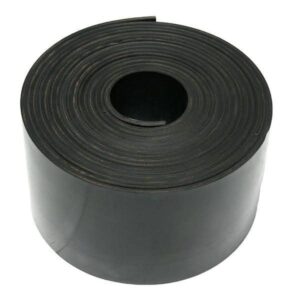
During operation, listen for unusual noise and check for roller seizure during scheduled inspections. A seized idler can wear through a conveyor belt quickly, especially on a heavy-duty mining conveyor belt carrying abrasive ore. Keep spare idlers for critical drives and transfer sections, and rotate stock so seals do not age in storage. For conveyors using a rubber conveyor belt or an EP conveyor belt, idler condition directly affects belt tracking and edge wear, so maintenance of the idler fleet is part of belt protection.
In short, a high-capacity idler is a load-rated component that should be matched to the conveyor duty, not chosen by belt width alone. Getting the roller diameter, bearing, seal, and bracket interface right is what keeps a bulk handling line running.