What an Anti-Static Conveyor Belt Does
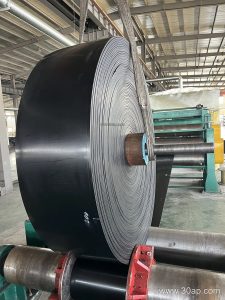
An anti-static conveyor belt is a rubber or fabric-reinforced belt designed to limit the buildup and discharge of static electricity while material moves along the conveyor line. Static charges accumulate naturally when a belt surface rubs against the drive pulley, tail pulley, idler roller, and the conveyed material itself. In dusty environments such as coal preparation plants, cement mills, power plants, and aggregate yards, an uncontrolled discharge can create sparks that are especially dangerous around combustible dust or flammable vapor. By providing a controlled path for surface charges to dissipate, the antistatic conveyor belt reduces that ignition risk and also helps prevent nuisance shocks to operators.
How the Belt Is Built
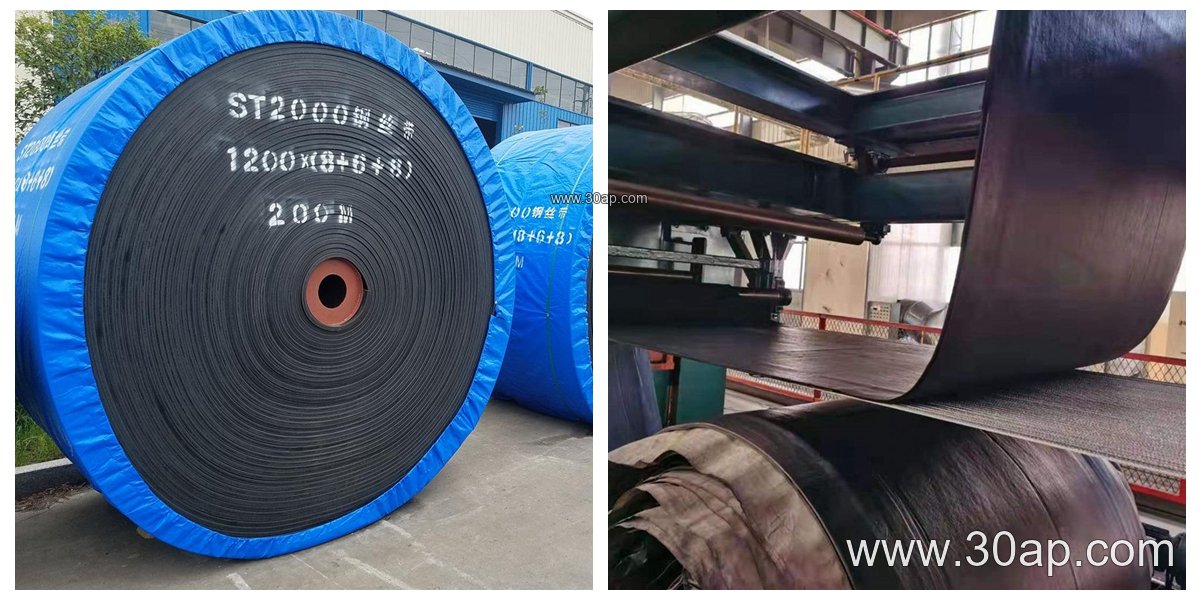
The static-dissipating behavior usually comes from conductive compounds added to the rubber cover, combined with a conductive path through the belt structure. Many designs use a fabric core — an EP conveyor belt with polyester warp and polyamide weft, or an NN conveyor belt with nylon warp and weft — where the carcass gives tensile strength and the cover compounds carry the dissipative property. A multi-ply fabric core conveyor belt is common in medium-duty service, while heavy-duty mining lines may use a steel cord conveyor belt for very high tension. For underground coal work, a PVG conveyor belt with a flame retardant and antistatic cover is frequently specified alongside the static-control requirement.
Typical Industries and Duty Conditions
- Coal mining and underground coal mining: where flame retardant and antistatic properties are both needed on the same belt.
- Cement plants and power plants: dusty limestone, clinker, and coal feed lines.
- Quarries and sand making plants: aggregate conveyor belts moving crushed stone in dry conditions.
- Ports and ship loading: bulk material conveyor belts where dust clouds form during transfer.
- Recycling and chemical handling: where fine particles and dry powders build charge quickly.
Where the material is also abrasive, a high abrasion resistant conveyor belt grade can be combined with antistatic cover compounds. Where oil mist or chemical splash is present, an oil resistant conveyor belt or chemical resistant conveyor belt specification may be needed, and the antistatic property should be confirmed for that compound rather than assumed.
Specifications Buyers Commonly Review
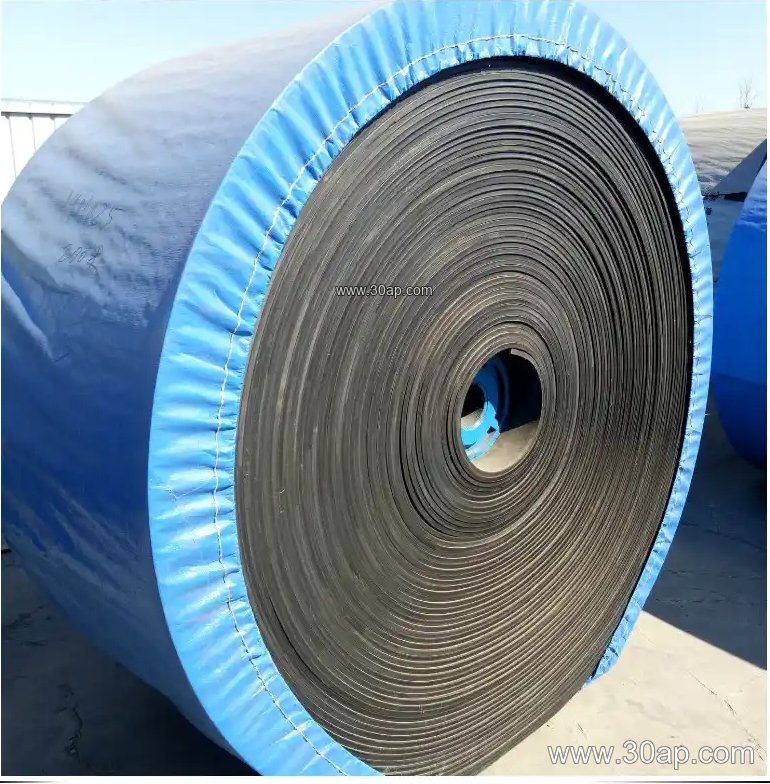
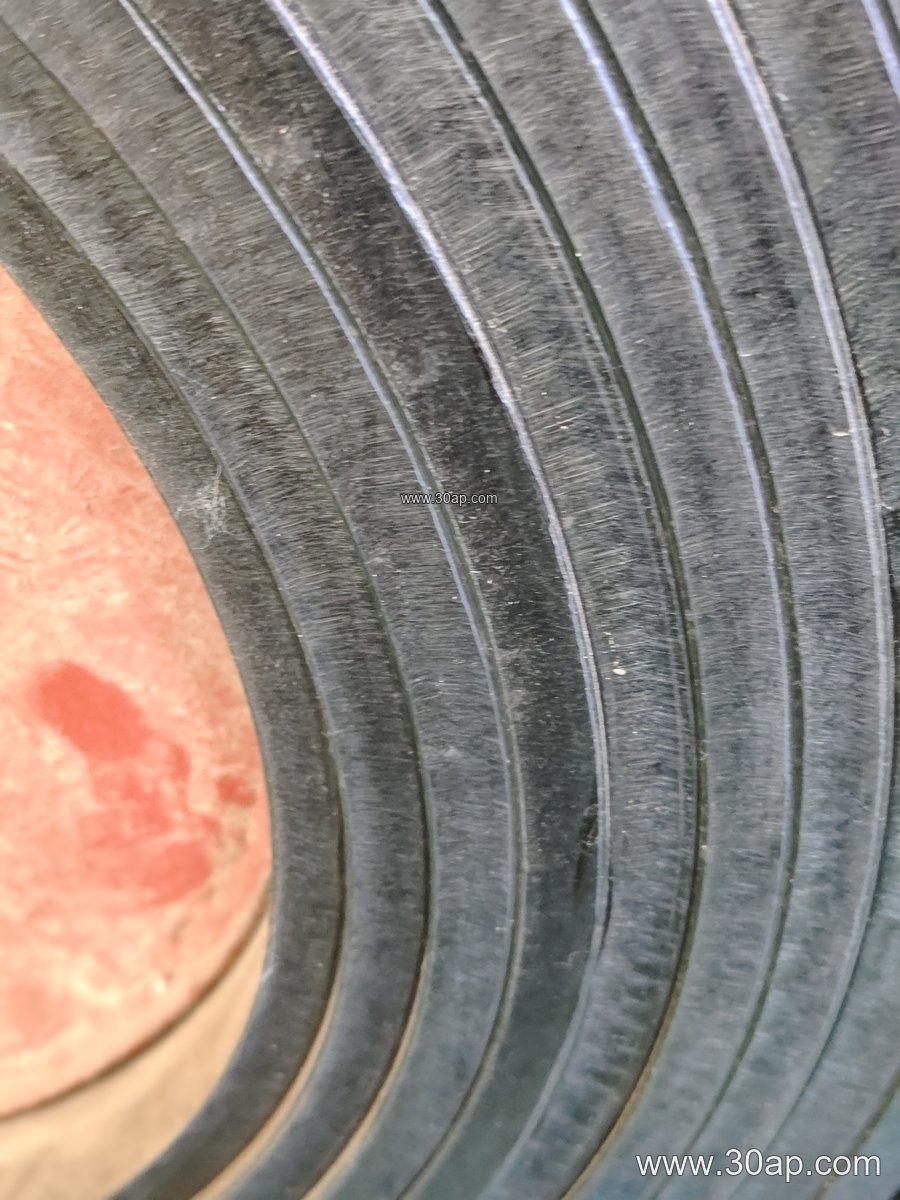
There is no single mandatory size. Belt width and strength are chosen from the conveyor design, material lump size, and required capacity. The table below shows typical reference ranges; actual values are confirmed per project by the manufacturer.
| Parameter | Common reference values |
|---|---|
| Belt width | B500, B650, B800, B1000, B1200, B1400, B1600, B1800, B2000 mm |
| Fabric core strength (EP) | EP200, EP315, EP400, EP500, EP630, EP800, EP1000, EP1250 |
| Fabric core strength (NN) | NN100, NN200, NN300, NN400 |
| Steel cord strength | ST1000, ST1250, ST1600, ST2000 |
| Cover thickness | 3+1.5, 4+2, 5+2, 6+2, 8+3 mm |
| Carcass plies | 2 to 6 plies, depending on belt type and duty |
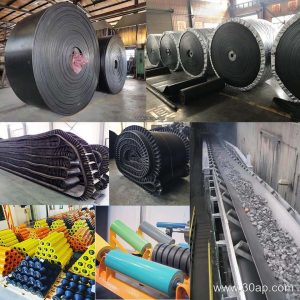
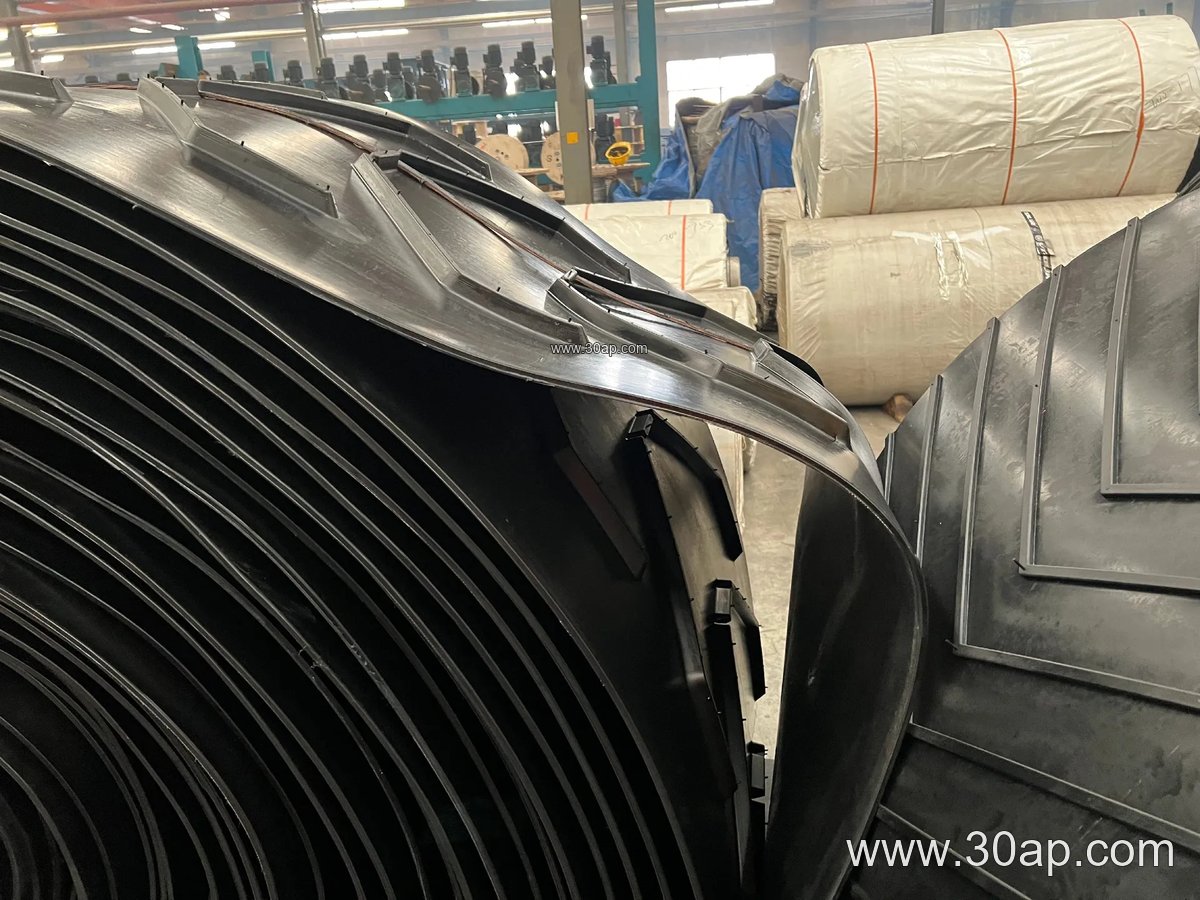
Surface form is a separate decision. A chevron conveyor belt or corrugated sidewall conveyor belt can be supplied with antistatic covers for inclined runs, but those features address material retention, not static control, and should be requested together with the dissipative requirement.
Selection and Maintenance Notes
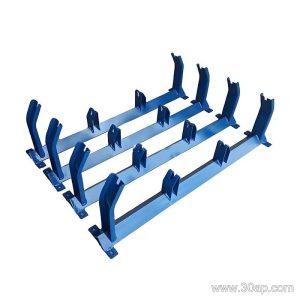
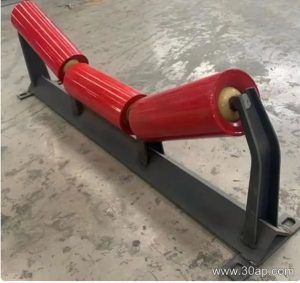
When specifying, state the material, dust classification, ambient temperature, and whether the belt runs underground. A flame retardant conveyor belt or fire resistant conveyor belt grade is often combined with antistatic properties in coal mining conveyor belts and underground mining conveyor belts, while a heat resistant conveyor belt or cold resistant conveyor belt may be needed in power plant or cold-climate service. Check that the antistatic performance is maintained after splicing; an endless conveyor belt joint that uses non-conductive splice material can interrupt the discharge path. Keep the belt, idler roller, and conveyor pulley surfaces clean, since caked dust and worn covers can raise resistance. Inspect the conveyor bracket and frame grounding as part of routine checks, because the belt alone does not earth the system. For sourcing, ask for the compound data and splice method rather than relying on a product name, and confirm widths and strengths against the actual conveyor layout.