What a Conveyor Frame Does on the Line
A conveyor frame is the structural backbone that holds every rotating and load-bearing component of a belt conveyor in the right position. It carries the idler roller sets, supports the conveyor pulley at the head and tail, keeps the belt path stable, and transfers the load into the ground or the steel structure above. On a quarry conveyor belt line or a power plant coal handling system, the frame is the element that turns separate parts into a working machine. Without a straight, well-aligned frame, even a high-quality conveyor belt will wander, spill material and wear unevenly.
The frame is not a single welded box. It is a system of stringers, cross members, legs, brackets and mounting plates, and each part has a defined job. The design detail on conveyor frame assemblies decides how easily idlers can be replaced, how well the belt tracks, and how long the structure survives in a dusty, abrasive environment.
How the Structure Is Built
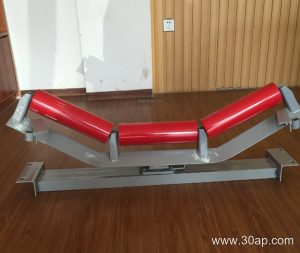
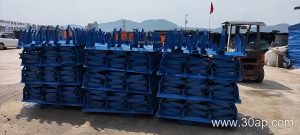
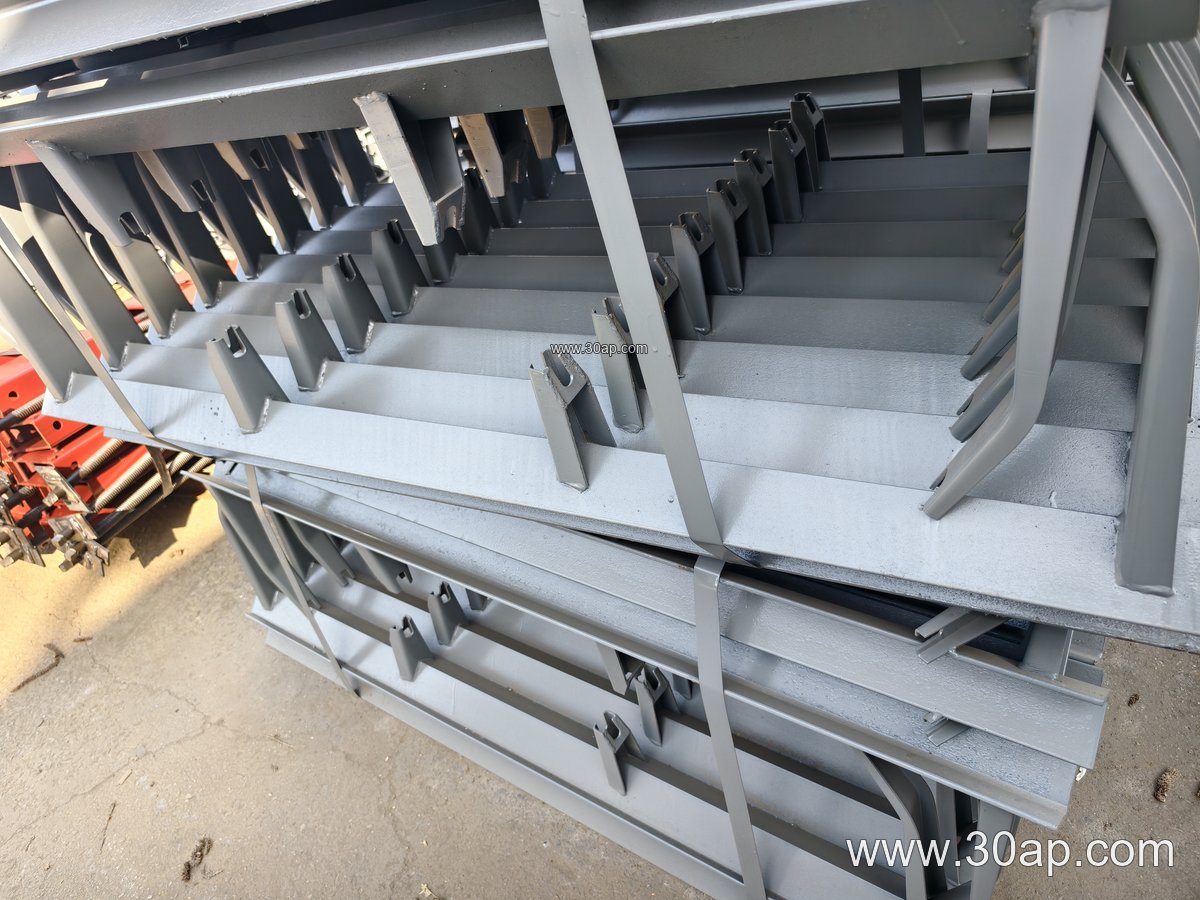
Most frames are fabricated from angle steel, channel steel or folded steel plate. Stringers run along the belt direction and carry the idler stations; cross beams tie the two sides together and keep the width constant. Legs or trestles lift the line to the required height, and conveyor bracket plates position each idler set at the correct trough angle and elevation.
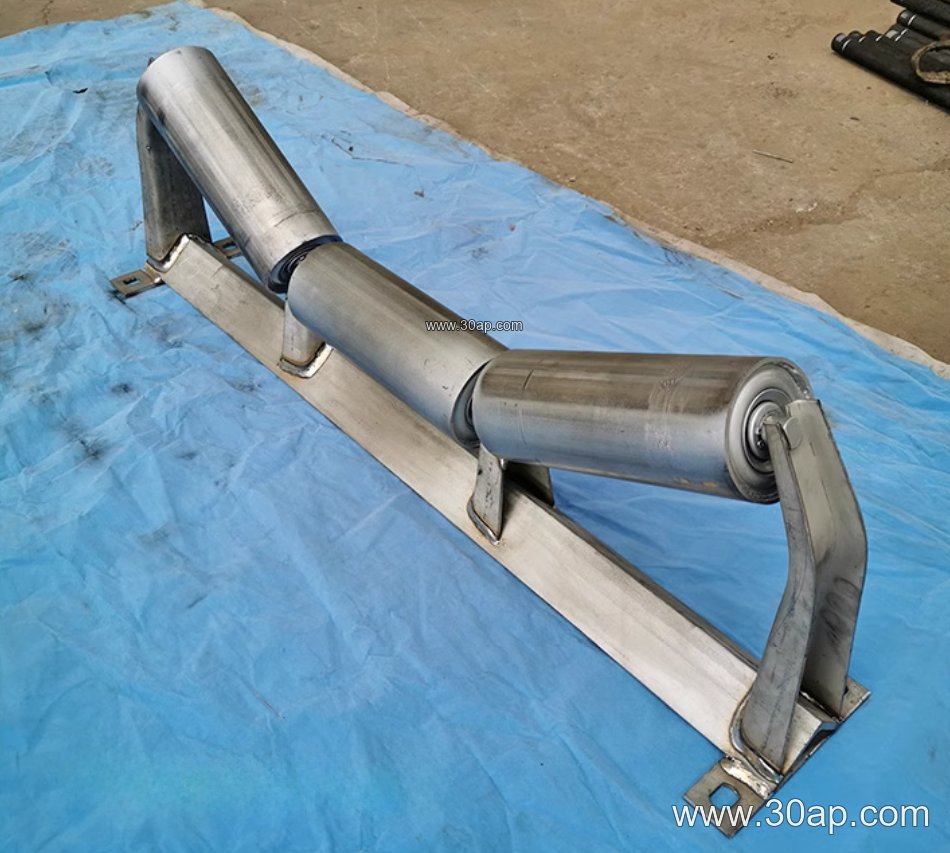
Three construction choices appear again and again:
- Bolted frames — easy to transport and adjust on site, common on long overland lines and in plants where modifications are expected.
- Welded frames — stiffer and often used for heavy-duty mining conveyor belt duties where vibration and impact are high.
- Modular frames — standardized sections that speed up installation and spare-part planning.
Surface treatment matters as much as the steel. Hot-dip galvanizing suits wet or coastal port installations, while painted frames are typical indoors. In a coal preparation plant, frame steel is usually specified with attention to fire safety and dust accumulation, because material build-up on cross members can become a hazard.
Idler Stations and Trough Angle
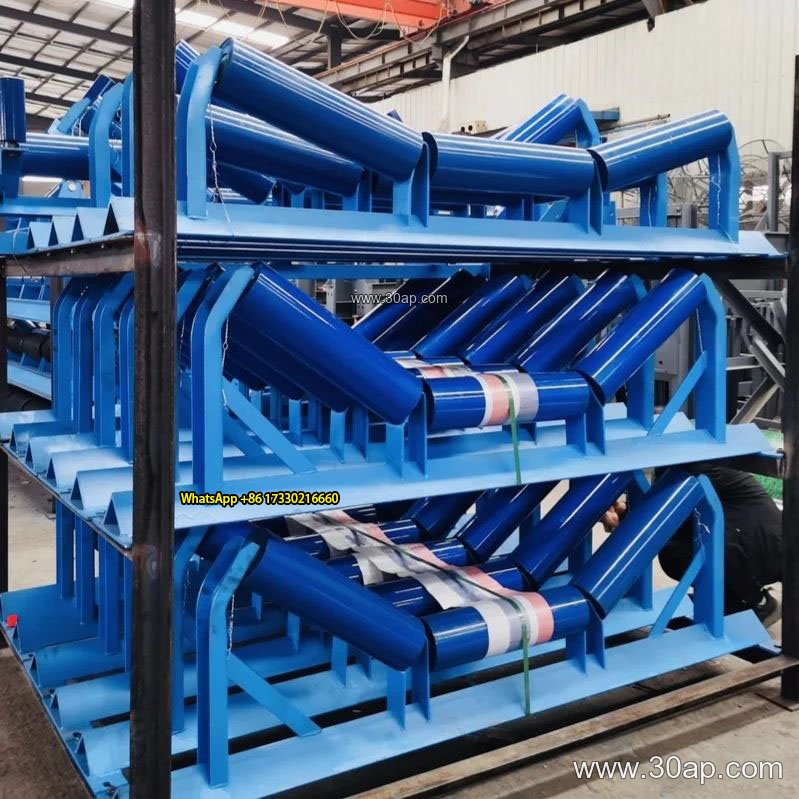
The frame determines the trough angle of the carrying idlers. Common values are 20, 30, 35 and 45 degrees, and adjustable frames can move between these positions. A 35-degree trough is widely used for bulk material, while 45 degrees helps contain a wide, fast belt. The return side usually uses flat or V-return stations, and the transition zone between the tail pulley and the first full trough station needs its own transition frame to avoid stressing the belt edges.
Typical reference combinations look like this, but they are design options rather than fixed rules:
| Belt width | Trough angle | Idler diameter | Typical duty |
|---|---|---|---|
| B650 | 30 degrees | Ø89 | Light aggregate line |
| B800 | 35 degrees | Ø108 | Sand and gravel plant |
| B1200 | 45 degrees | Ø133 | Cement or coal handling |
| B1400 | 35 degrees | Ø159 | Iron ore and heavy bulk |
| B1800 | 45 degrees | Ø194 | Large port or mine duty |
Belt width, trough angle and roller diameter are matched by calculation, not by a single table. A wider belt does not automatically require one specific pulley size, and shaft diameters must be confirmed from the actual load case.
Where Frames Are Used
You will find these structures in almost every bulk handling route. In a limestone quarry, a frame carries the crusher conveyor belt from the primary crusher to the screening tower. In a steel plant, frames support sinter and coke lines where heat-resistant conveyor belt grades are needed. In a port, long jetty frames handle iron ore and copper ore with steel cord conveyor belt constructions. Grain silos and fertilizer plants use lighter frames with food grade or chemical resistant belts, while tunnel spoil lines rely on compact, relocatable frames.
For more detail on matching frames with belts and rollers, see www.example.com/conveyor-frame and the related notes on www.example.com/idler-roller.
Adjustable Versus Fixed Frames
Fixed frames are simple, rigid and economical, and they suit lines where the belt path never changes. Adjustable frames allow the trough angle and sometimes the idler spacing to be changed, which helps during commissioning or when material characteristics shift. Self-aligning and forward-tilted stations are often mounted on frames designed to correct minor belt wander, but they do not replace proper pulley alignment.
What Buyers Should Check
- Confirm the belt width and the required trough angle before ordering stringers.
- State the idler diameter and the mounting hole spacing; these vary with belt width and frame type.
- Ask for the leg height and support spacing, since these follow the conveyor profile.
- Check the steel section and finish against the environment — dust, moisture, heat or corrosion.
- Verify that head and tail pulley centers match the frame length; drive, tail and bend pulleys are different components and are not interchangeable.
A well-specified conveyor frame keeps the belt, idlers and pulleys working as one system, and it is the cheapest place to prevent tracking trouble later.