What an Anti-Static Conveyor Belt Is
An anti-static conveyor belt is a rubber or fabric-reinforced belt designed to bleed off static electricity that builds up as the belt runs over pulleys and idler rollers. In dry, dusty operations such as coal mining, cement plants, power stations, quarries and sand and gravel yards, friction between the belt cover and the material can generate a charge. If that charge cannot dissipate, it may discharge through the frame, the conveyor bracket or nearby equipment, creating a spark risk and interfering with sensors and control electronics. The anti-static belt is the same product family as a standard rubber conveyor belt, but its compound and construction are adjusted so surface and volume resistance stay within a controlled range.
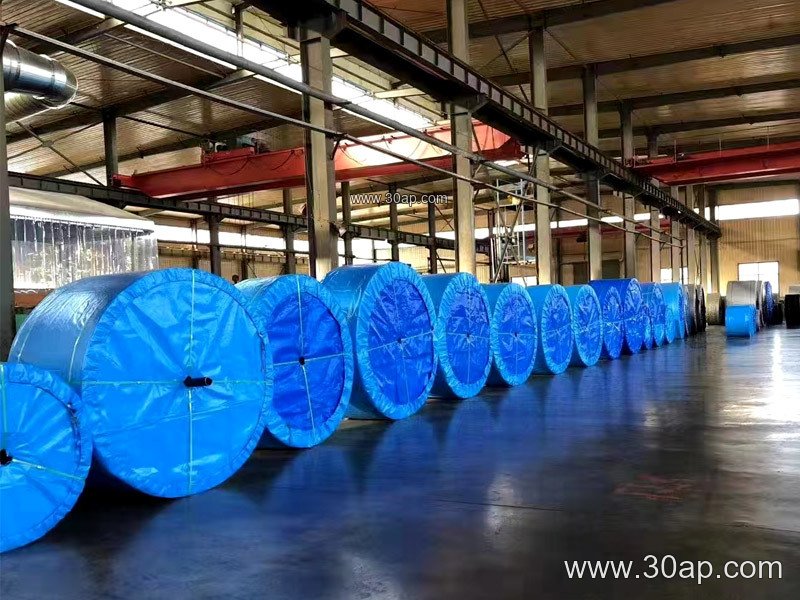
How the Belt Is Built
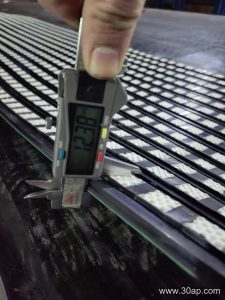
Most anti-static belts use a fabric core, typically EP (polyester-cotton) or NN (nylon) canvas, bonded with skim rubber and protected by top and bottom covers. Conductive carbon black or special additives are compounded into the cover rubber, and in some designs a conductive layer or edge path helps the charge move toward the grounded conveyor structure. The carcass may be 2 to 6 plies depending on load, and cover thickness is commonly quoted as 3+1.5, 4+2, 5+2, 6+2 or 8+3 mm. Because the belt must still carry the load, an anti-static conveyor belt is often also available as an abrasion resistant conveyor belt or a flame retardant conveyor belt, so buyers should specify which properties take priority.
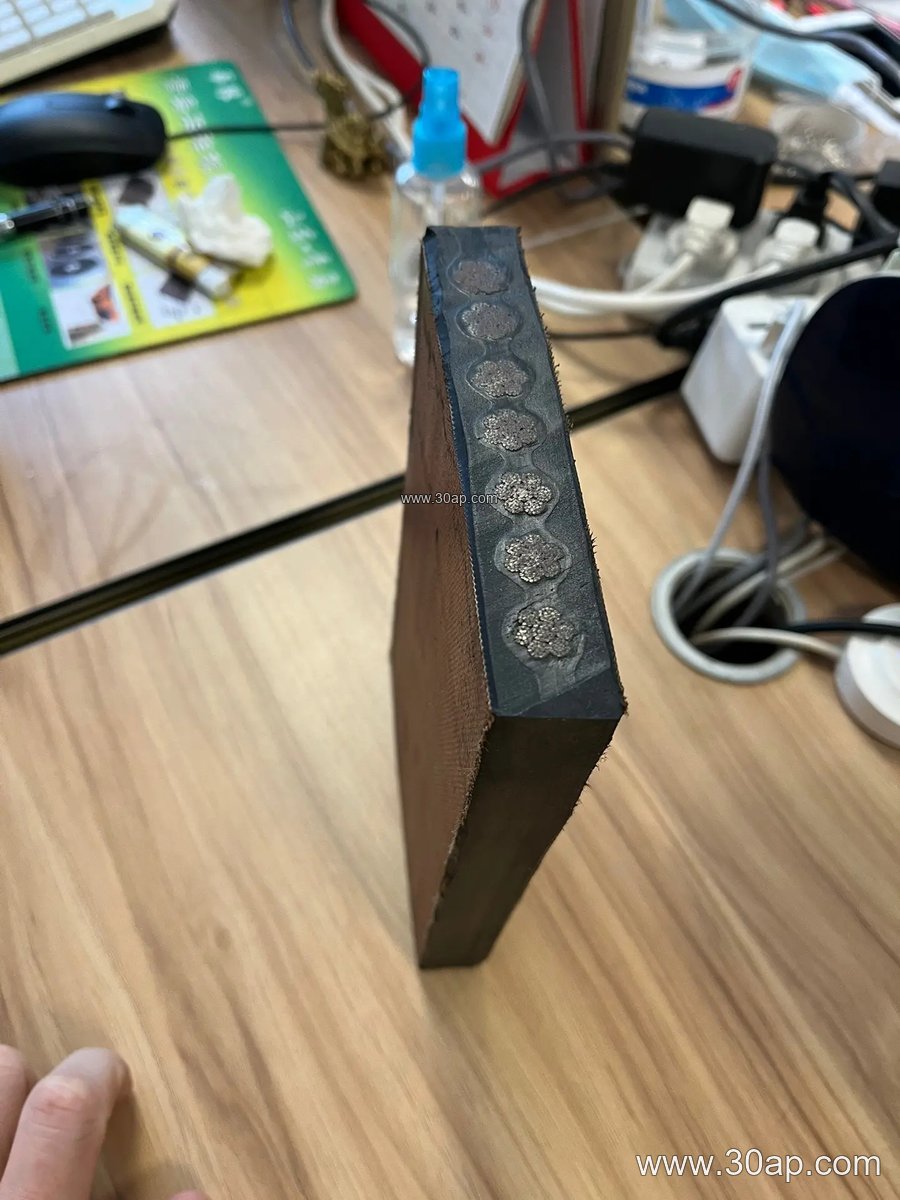
Typical Specifications
Values below are common reference ranges, not universal guarantees. Final figures are confirmed by the manufacturer against the actual duty.
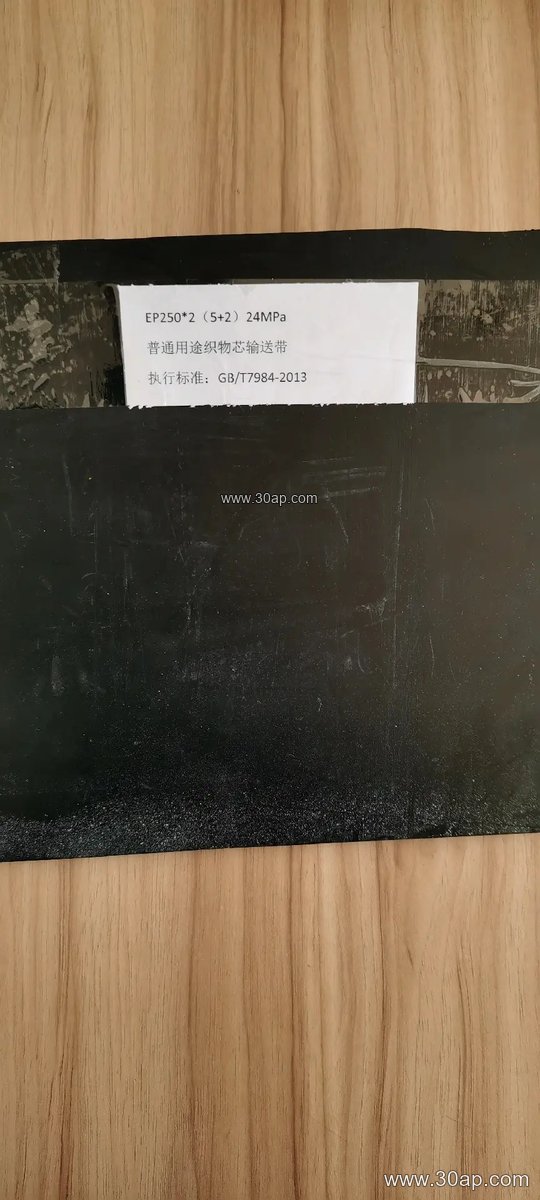
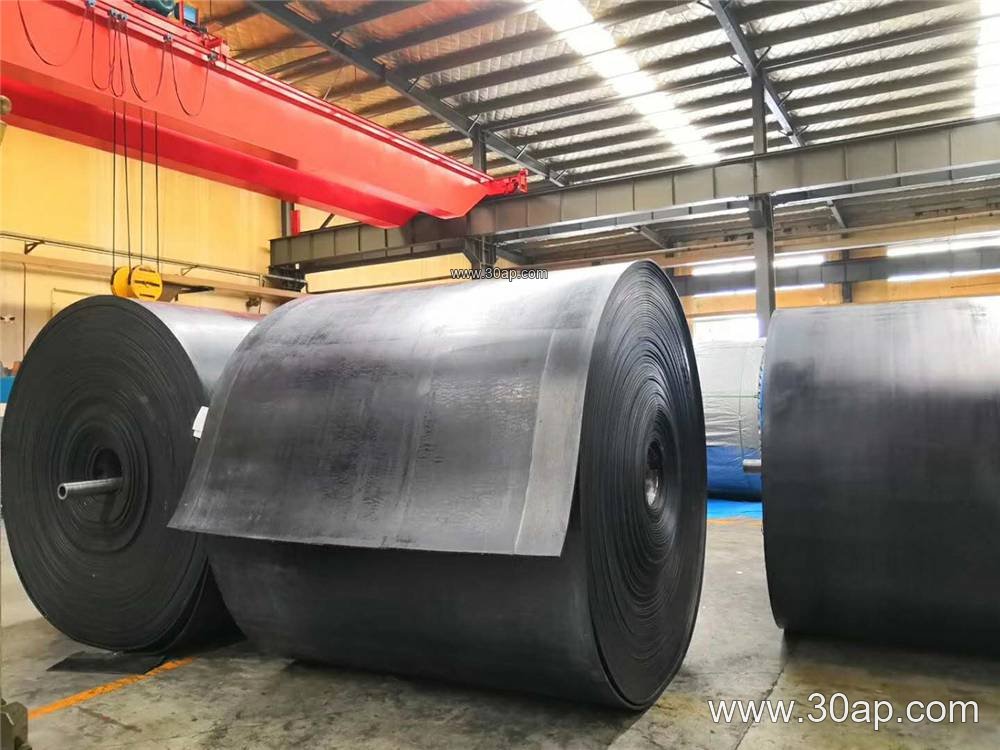
- Core types: EP conveyor belt, NN conveyor belt, multi-ply fabric core
- Strength grades: EP200, EP400, EP630, EP800, EP1000, EP1250
- Belt widths: B500, B650, B800, B1000, B1200, B1400, B1600, B1800
- Cover grades: anti-static, abrasion resistant, flame retardant, oil resistant
- Cover thickness: 3+1.5 mm to 8+3 mm
Where It Is Used
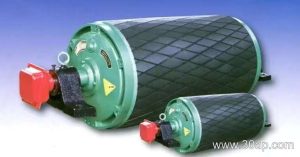
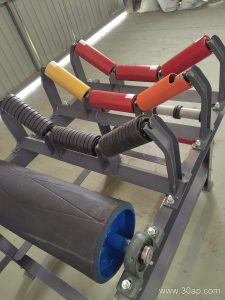
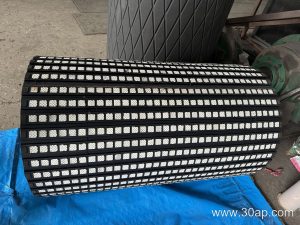
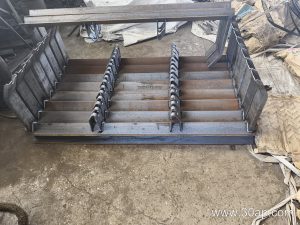
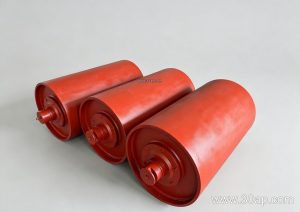
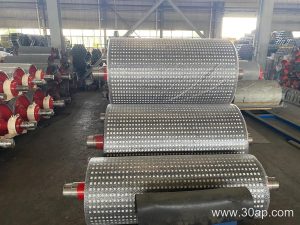
The belt fits anywhere dry bulk material moves and static is a concern. In underground coal mining conveyor systems it is often combined with flame retardant and fire resistant requirements, and PVG or PVC belts may be chosen where the whole belt must meet underground rules. Cement plants use it on clinker and raw meal lines; power plants use it on coal handling and ash systems; quarries and aggregate plants use it on crusher conveyor and screening circuits. Ports and ship loading terminals handling ore or grain also benefit, as do recycling lines where mixed waste and plastic dust create charge. The belt works alongside conveyor pulleys, idler rollers and conveyor brackets, and grounding of the steel structure remains essential.
Selection Points for Buyers
Start with the material: lump size, moisture, temperature and whether dust is combustible. Confirm the required strength grade and ply count, then the belt width that matches the conveyor frame. State the anti-static requirement clearly, because a standard EP conveyor belt or NN conveyor belt will not necessarily dissipate charge. If the line carries hot clinker, a heat resistant conveyor belt grade may be needed; if oil is present, an oil resistant cover; if the belt runs in freezing conditions, a cold resistant compound. For steep inclines, a chevron conveyor belt or corrugated sidewall belt may be considered, but the anti-static property should be requested on that pattern as well. Check that the splice method preserves conductivity across the joint, and confirm how the belt will be grounded through the conveyor pulley and frame.
Installation and Maintenance Notes
Static control depends on the whole system, not the belt alone. Keep the belt tracking straight so edges do not rub, maintain idler roller alignment, and avoid excessive belt speed that increases charge generation. Clean dust from the conveyor bracket and pulley faces, and verify grounding straps periodically. Inspect covers for cracks, gouges and worn edges, since damaged covers can change resistance. Store spare belts away from oils and direct sunlight, and record the strength grade, width and cover thickness so replacements match the original design. For more on matching belts with rollers and frames, see conveyor belt and idler roller references.