What a Guide Idler Does on a Belt Conveyor
A conveyor belt guide idler is a small but important component that keeps the belt running where it should. In practice, the term usually refers to a self-aligning idler roller, often called a training idler or aligning idler, mounted on the carrying or return side to correct slight belt drift. When a belt wanders toward one side of the frame, the guide idler touches the belt edge and steers it back toward the center. This protects the conveyor belt from edge damage and reduces spillage at transfer points.
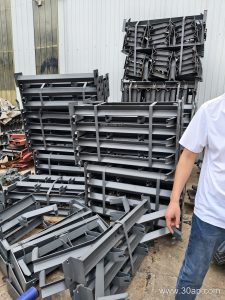
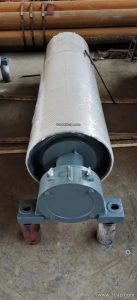
Guide idlers are not drive pulleys. A conveyor pulley at the head end transmits power, and a tail or bend pulley changes belt direction; those are different components with different jobs. The guide idler works alongside them, usually somewhere along the carrying run or return run, supported by a conveyor bracket or frame.
How the Guide Idler Is Built
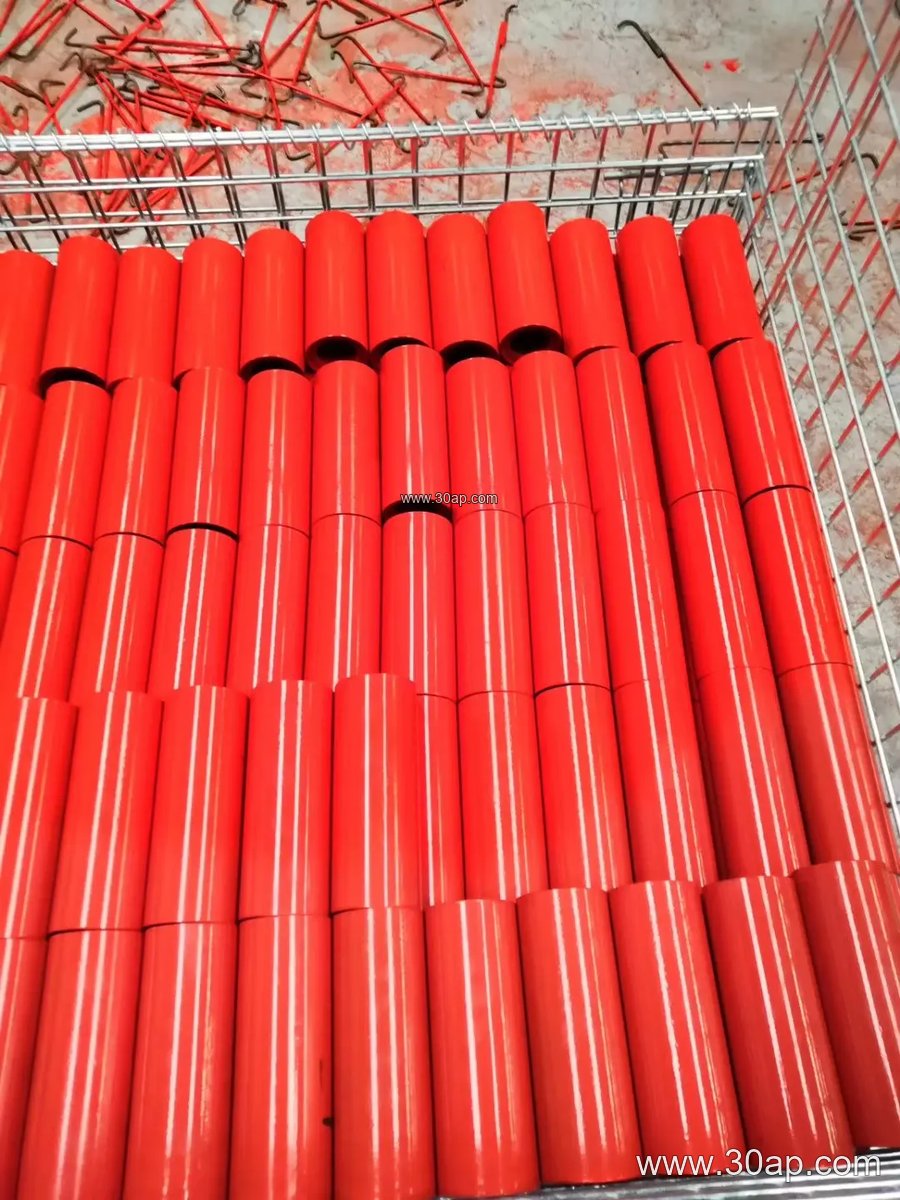
A typical guide idler combines a steel tube shell, a shaft, bearing housings, and a sealing arrangement. The roller surface may be plain steel, nylon, rubber-covered, or ceramic-covered depending on the duty. Seals matter in dusty plants, because fine material from a crusher or a coal yard can shorten bearing life if it reaches the housing.
Common roller diameters for this kind of idler include Ø89, Ø102, Ø108, Ø127, Ø133, and Ø159 mm, with larger sizes used on heavy-duty frames. Bearings are often 6204, 6205, 6305, 6306, or 6308, matched to the shaft and load rather than to belt width alone. A guide idler may be a single roller, a pair of angled rollers, or a small assembly with vertical rollers that contact the belt edge.
Where Guide Idlers Fit in Bulk Handling
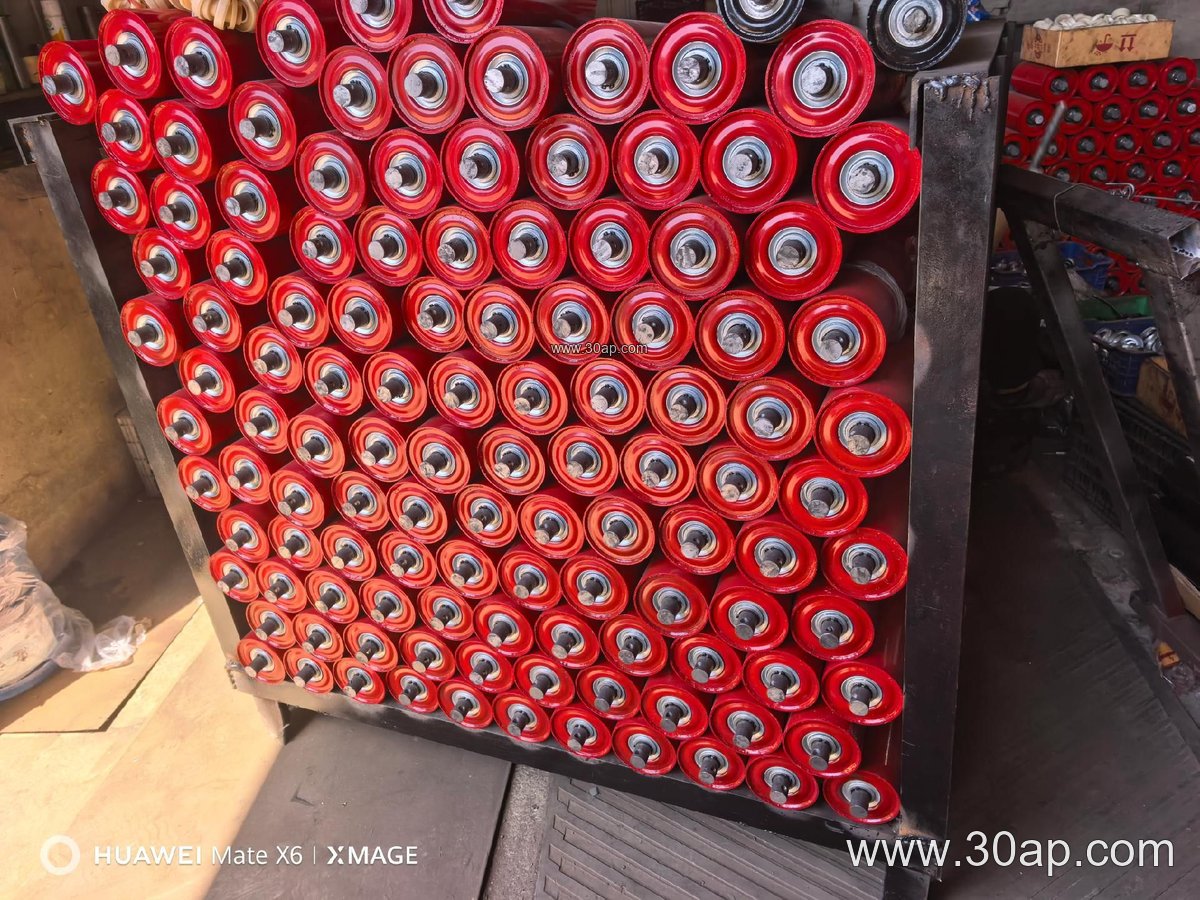
These idlers appear in quarry and aggregate lines, limestone and iron ore operations, coal washing plants, cement plants, power station coal handling, and port loading systems. In a crusher discharge conveyor, belt tracking can shift quickly when feed is uneven, so a guide idler near the loading point helps. On a long overland run carrying abrasive bulk material, several training stations may be spaced along the frame.
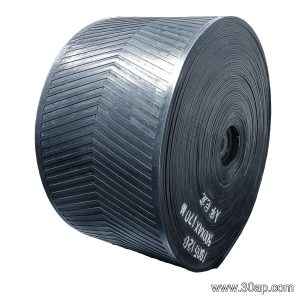
They also suit lines using a heavy-duty mining conveyor belt, a flame retardant conveyor belt in underground work, or a heat resistant conveyor belt near kiln and clinker areas. The guide idler itself must tolerate the local environment, so sealing and roller surface choice should follow the site conditions rather than a single universal rule.
Matching the Guide Idler to Belt Width and Frame
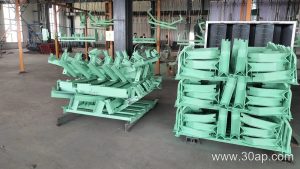
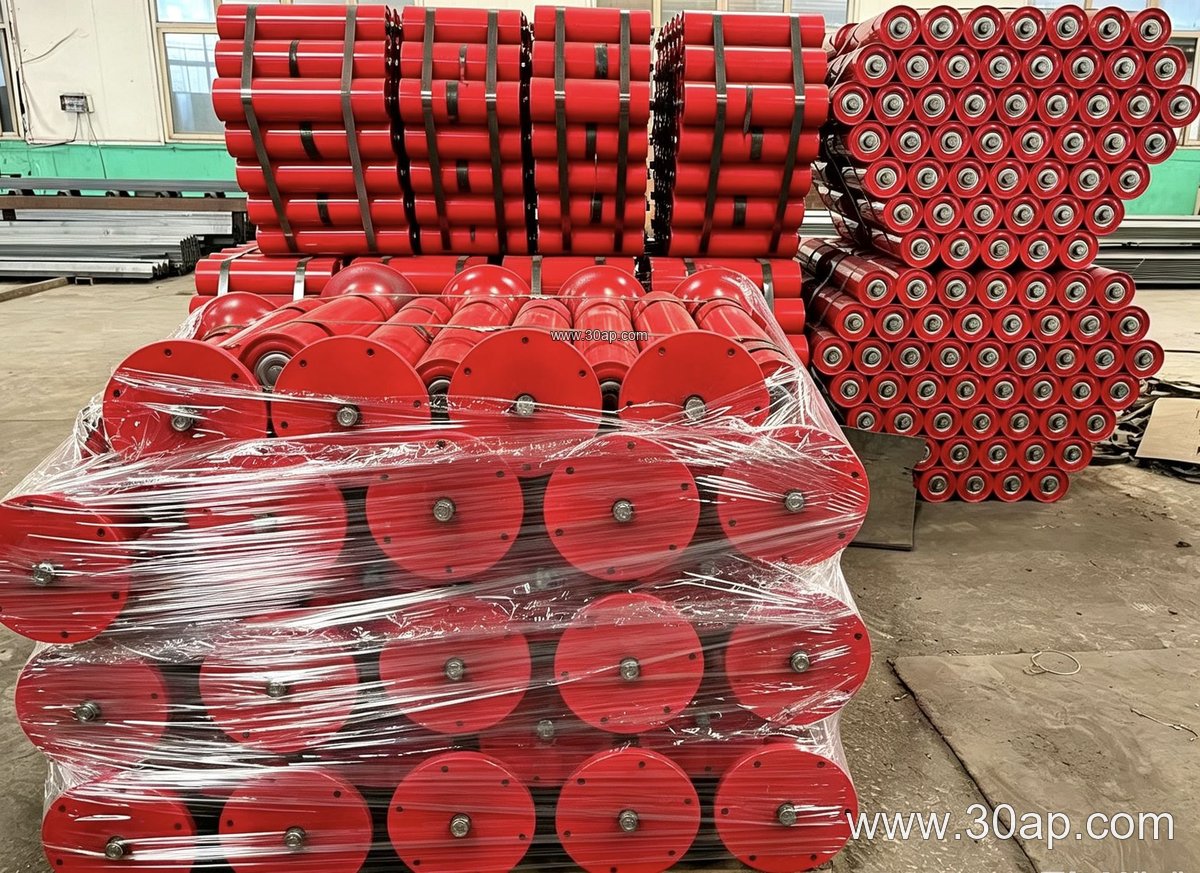
Belt width sets the general frame envelope, but it does not fix one shaft diameter or one roller size. A B650 belt and a B1200 belt need different frame spans, and the idler length changes with the trough configuration and the mounting position. For reference, three-roll troughing sets often use roller lengths near 250 mm for B650, 380 mm for B1000, and 465 mm for B1200, but side rollers and center rollers can differ, and guide idlers are usually specified by the frame design.
Common belt widths in plant data range from B400 and B500 up to B2000 and B2400. A guide idler for a 1200mm wide conveyor belt is not automatically the same as one for an 1800mm wide conveyor belt, and the designer should confirm the mounting height, clearance, and angle. If the conveyor uses a pipe conveyor belt or a corrugated sidewall belt, the tracking arrangement may need special attention because the belt profile is not flat.
Selection and Maintenance Points for Buyers
- Confirm whether the idler is for the carrying side or return side, and whether it is a friction self-aligning type, a tapered aligning type, or a vertical-edge guide arrangement.
- Check the roller diameter, shaft size, bearing number, and seal type against the actual frame and dust level.
- Consider the material being carried: abrasive ore, wet coal, cement dust, or hot clinker each puts different demands on the roller surface and bearing protection.
- Ask how the idler mounts to the conveyor bracket and whether adjustment slots allow fine tracking correction.
- Plan inspection intervals for belt edge wear, roller rotation, and seal condition; a seized guide idler can wear the belt edge quickly.
For plants running an EP conveyor belt, an NN conveyor belt, or a steel cord conveyor belt, the guide idler should be selected together with the belt construction and the conveyor pulley layout. A well-chosen training idler supports the whole conveyor belt system, while a poorly matched one may simply add another wear point.