What a Steel Plant Conveyor Belt Has to Handle
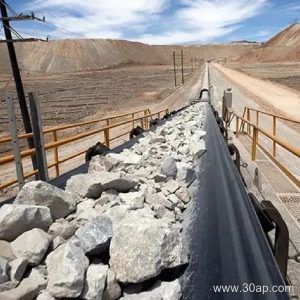
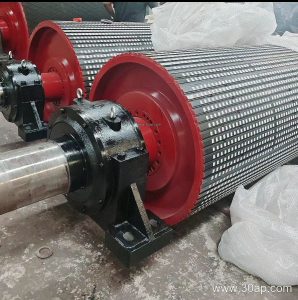
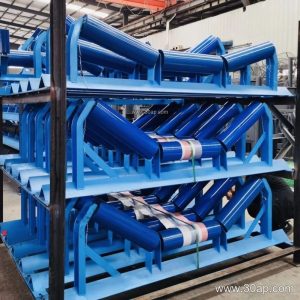
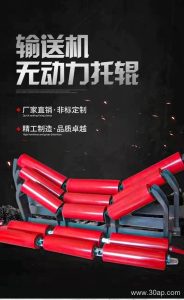
A steel plant conveyor belt moves sinter, pellets, coke, limestone, iron ore, slag and finished product through dusty, hot and often cramped transfer points. The duty is rarely gentle. Material may arrive hot from a cooler, sharp from a crusher, or wet and sticky from a stockyard. That is why the belt on a steel plant conveyor is usually selected as a system component rather than as a simple length of rubber. The belt, the idler roller under it, the conveyor pulley at each end and the conveyor bracket that holds the frame together all have to suit the same duty class.
The working name for this product is a steel plant conveyor belt. The accurate equivalent is a heavy-duty industrial conveyor belt engineered for steelmaking material handling. Both describe the same item; neither should be confused with the drive pulley, tail pulley or bend pulley, which are separate components with separate jobs.
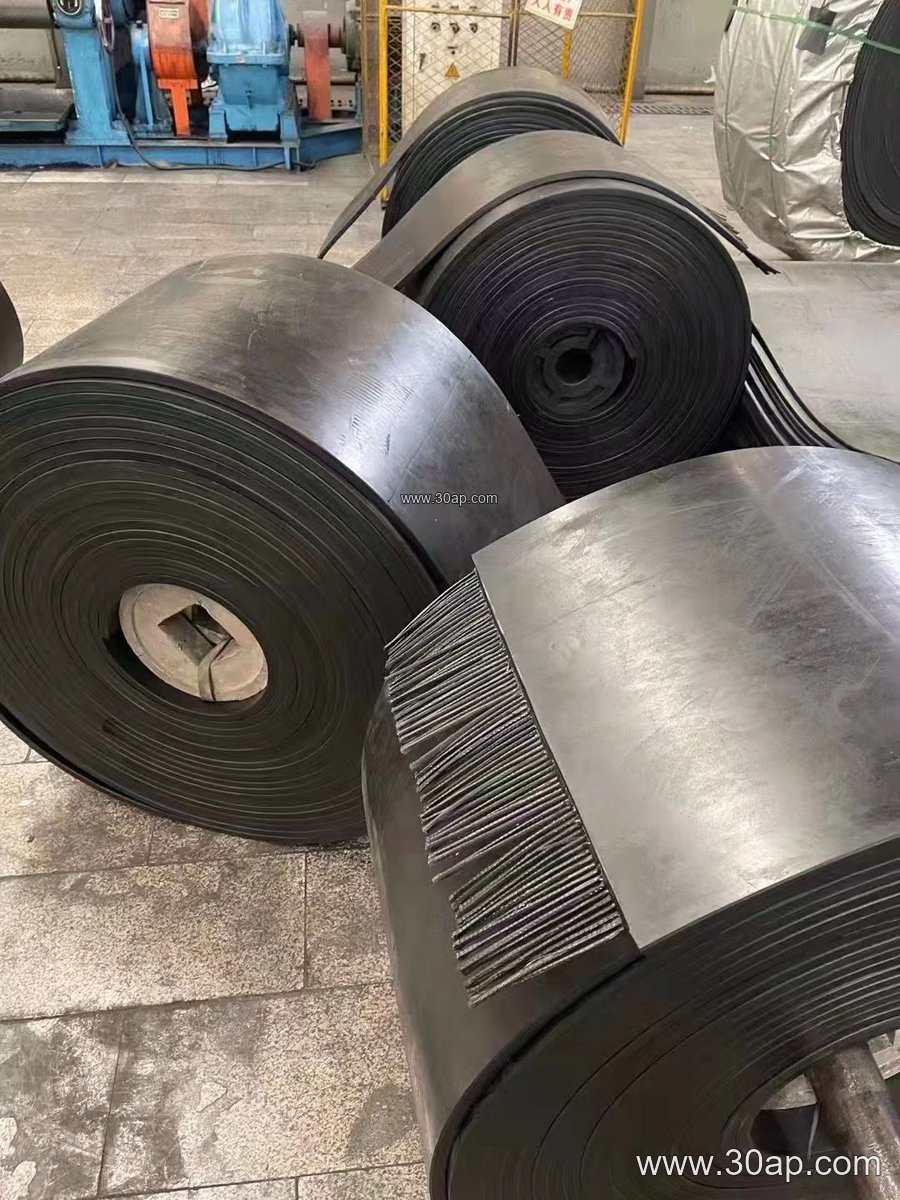
Construction and Common Belt Types
Most belts in this service are fabric core or steel cord reinforced. A multi-ply fabric core uses EP or NN fabric layers for flexibility and resistance to impact, while a steel cord belt uses parallel wire ropes for very long runs and high tension. Cover compound is chosen for the dominant wear mode: abrasion, heat, oil, flame or a combination.
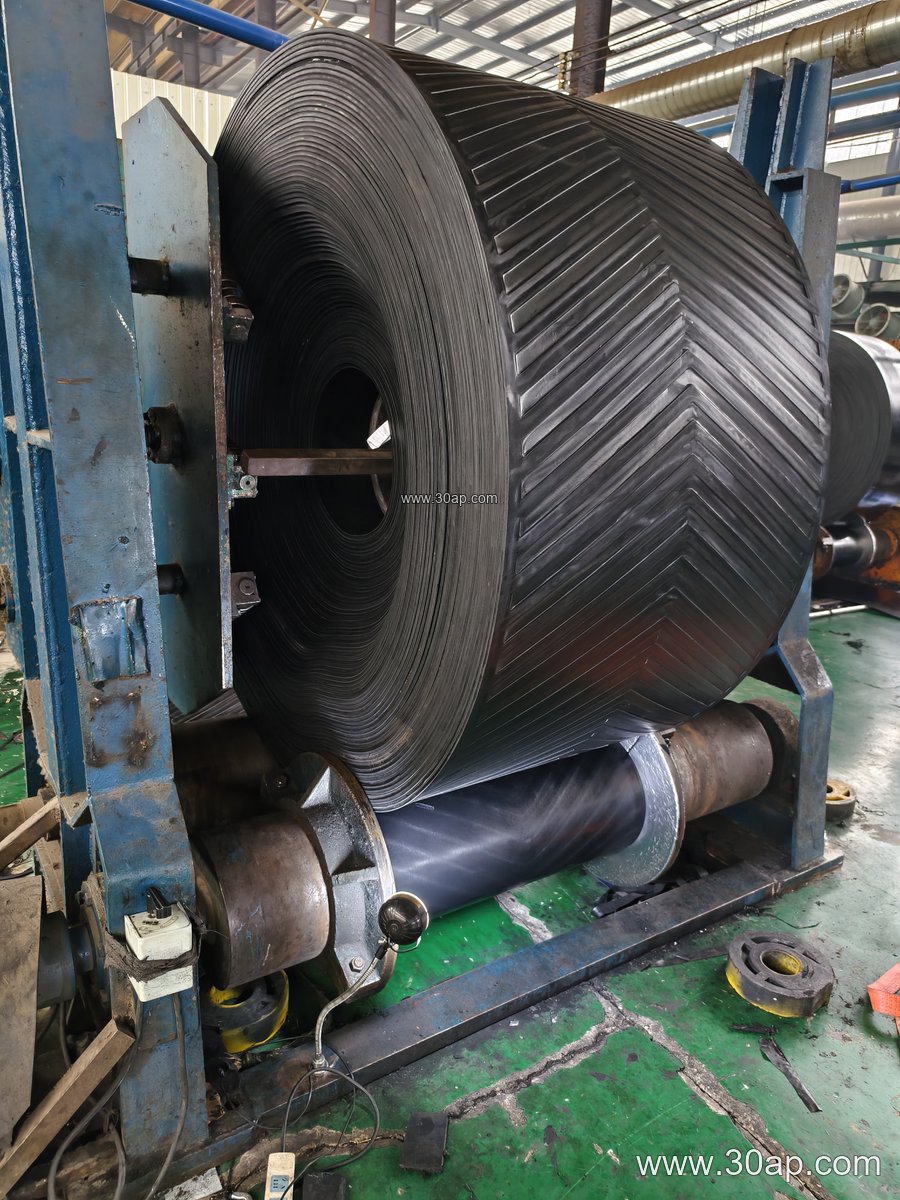
- EP conveyor belt and EP rubber conveyor belt for general bulk handling
- NN conveyor belt where high elasticity and impact absorption help
- Steel cord conveyor belt for long centre distances and heavy tension
- Heat resistant conveyor belt and high temperature conveyor belt near sinter and coke
- Abrasion resistant conveyor belt and high abrasion resistant conveyor belt at transfer points
- Flame retardant conveyor belt and fire resistant conveyor belt in enclosed galleries
- Oil resistant conveyor belt near lubrication and hydraulic areas
- Anti-static conveyor belt where dust ignition is a concern
Sidewall and cleat designs also appear: a corrugated sidewall conveyor belt or skirted conveyor belt contains material on steep inclines, and a chevron conveyor belt improves grip on slopes. These are variants of the same product family, not replacements for the main belt specification.
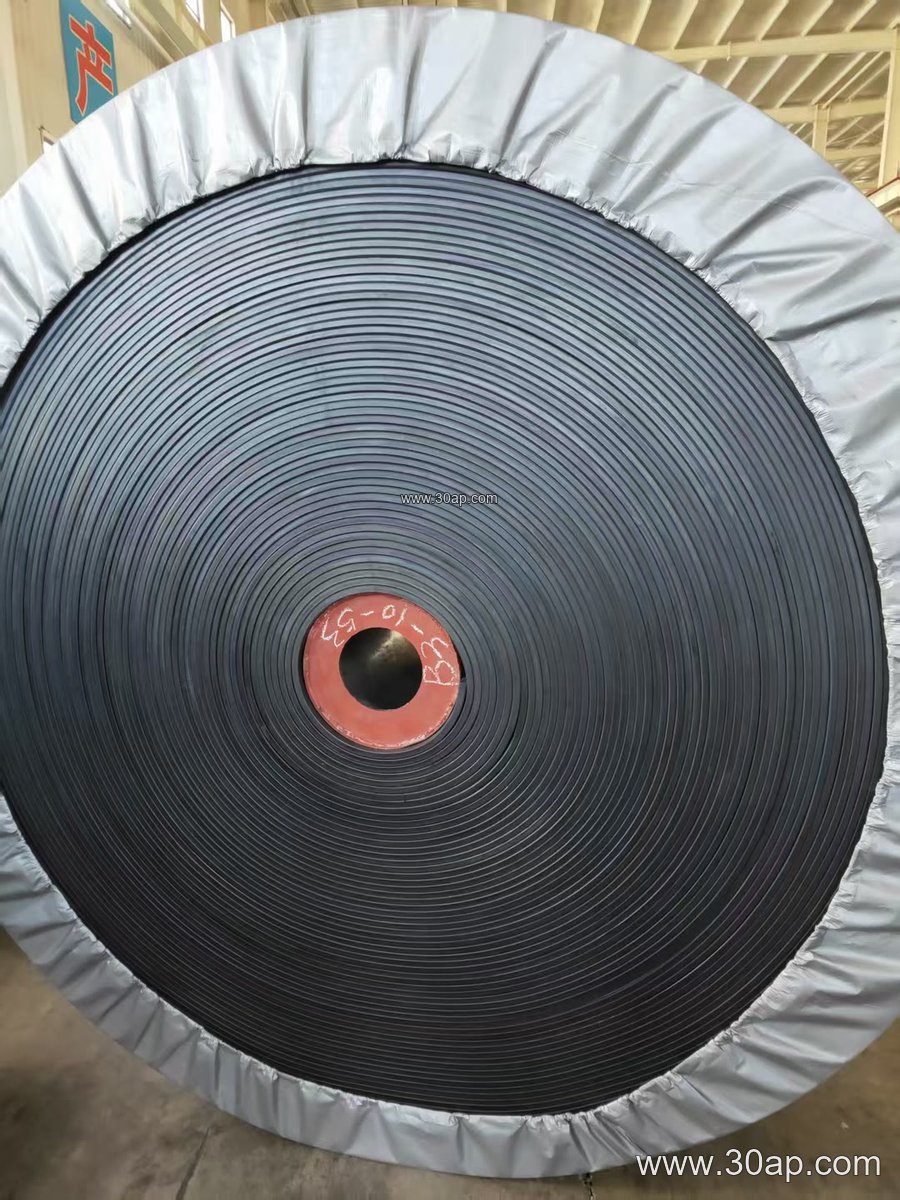
Reference Data for Early Planning
The values below are common reference ranges, not fixed combinations. Final choice depends on the conveyor design, material temperature, lump size and loading method.
| Parameter | Typical reference values |
|---|---|
| Fabric core grade | EP200, EP315, EP400, EP500, EP630, EP800, EP1000, EP1250, EP1600 |
| Steel cord grade | ST1000, ST1250, ST1600, ST2000, ST2500 |
| Belt width | B500, B650, B800, B1000, B1200, B1400, B1600, B1800, B2000 |
| Cover thickness | 3+1.5 mm, 4+2 mm, 5+2 mm, 6+2 mm, 8+3 mm |
| Fabric plies | Usually 2 to 6 layers |
A belt width does not dictate one pulley diameter, and shaft size must be calculated from the actual load case rather than guessed from width alone. A 1200mm wide conveyor belt may run on several different pulley sizes depending on tension and wrap angle.
Where It Runs in the Plant
Steel plant belts appear at raw material yards, coke ovens, sinter plants, blast furnace charging, converter shops, continuous casting, slag handling and finished product dispatch. The same plant may use a coal conveyor belt, an ore conveyor belt, a limestone belt and a scale or dust belt within a few hundred metres. Neighbouring industries face similar demands, so a quarry conveyor belt, aggregate conveyor belt, cement conveyor belt or power plant conveyor belt often shares specification logic with steel plant equipment. For very long overland links, a pipe conveyor belt may enclose the material to control dust.
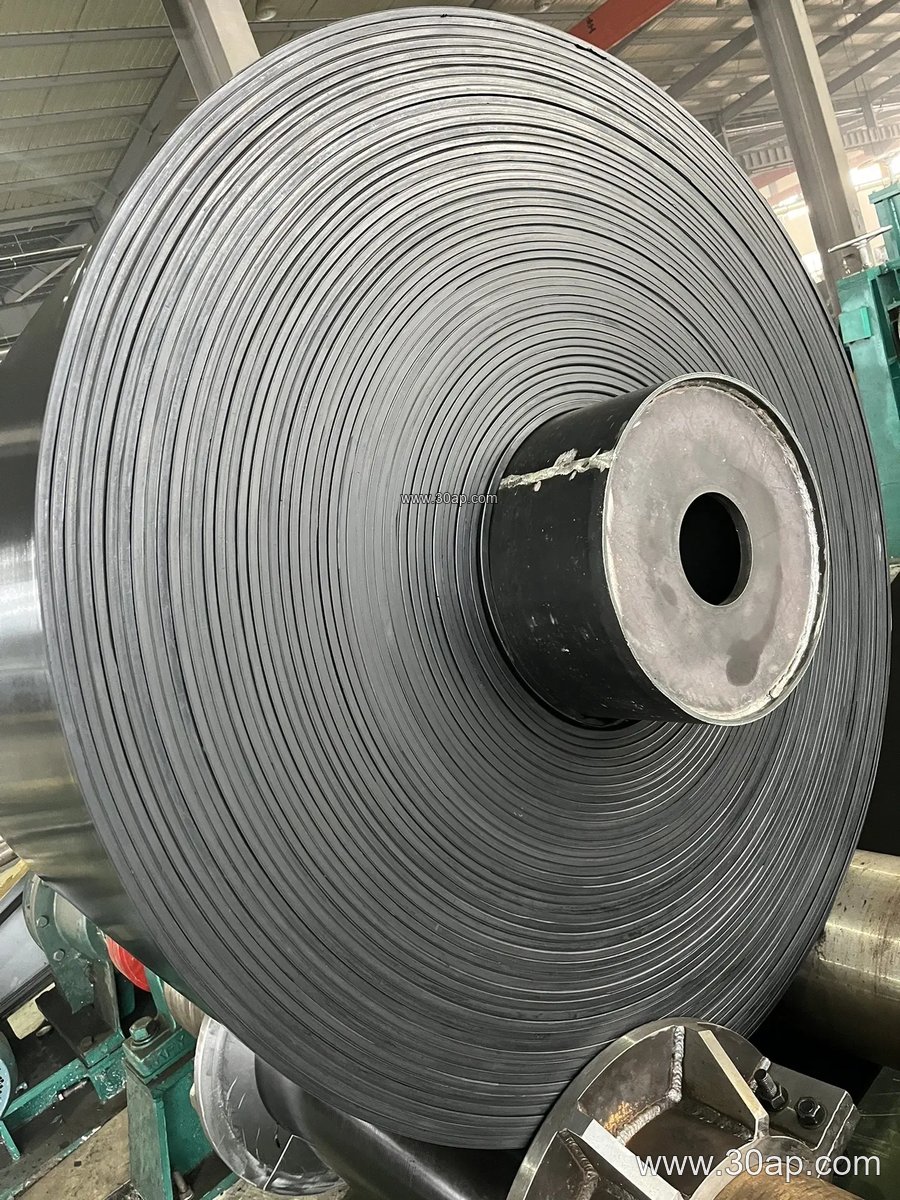
Buyer Checklist
Before ordering, confirm the material type, maximum lump size, temperature at the belt surface, presence of oil or chemicals, and whether the gallery is classified as a fire-risk area. Check the conveyor pulley arrangement, including drive, tail and bend pulleys, and verify that the idler roller spacing suits the belt stiffness. Confirm that the conveyor bracket and frame dimensions match the selected width and trough angle. Ask for the cover grade and ply or cord construction in writing, and request a jointing method that suits the chosen belt. A spare endless conveyor belt for a critical transfer point can reduce downtime, but storage conditions matter for rubber compounds. For dusty steel plant service, an anti-static and flame retardant combination is often reviewed together with the heat rating.
More specification notes for steel plant conveyor belts, idler rollers, conveyor pulleys and brackets are available at www.beltconveyorsolution.com for buyers comparing heavy-duty options.