What an Iron Ore Conveyor Pulley Does
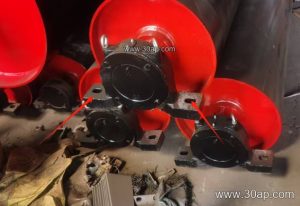
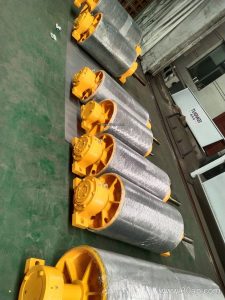
An iron ore conveyor pulley is the cylindrical component that drives or redirects the conveyor belt in a bulk material handling system. In iron ore operations—whether at a mine, a crushing and screening plant, or a pelletizing facility—the pulley must withstand abrasive dust, heavy loads, and frequent starts and stops. Unlike a standard conveyor pulley used in lighter applications, this component is typically built with a thick shell, reinforced shaft, and wear-resistant lagging to handle the dense and sharp nature of iron ore.
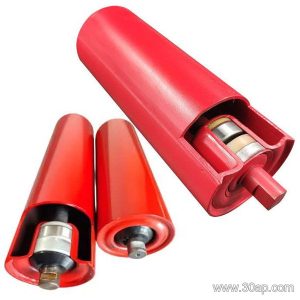
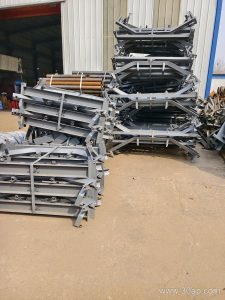
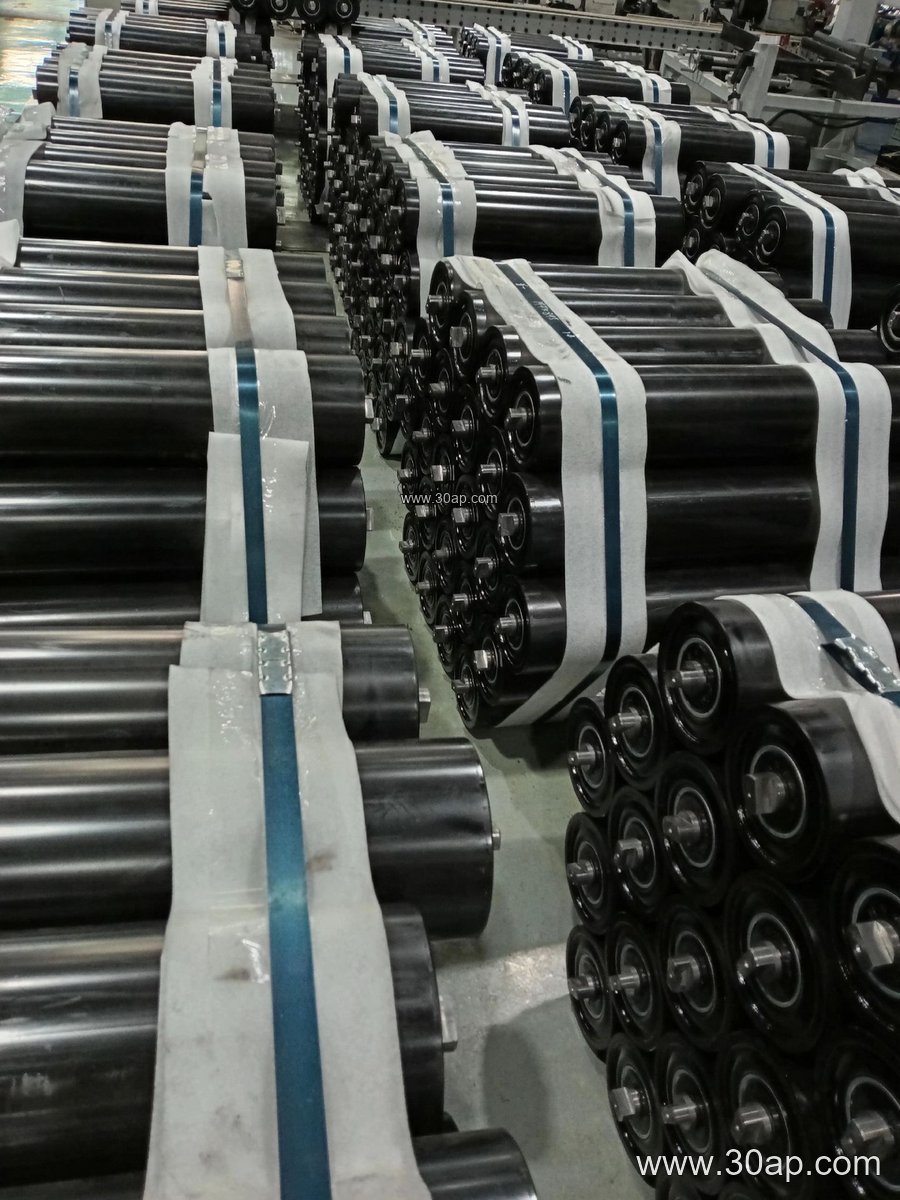
The pulley works together with the conveyor belt, idler roller, and conveyor bracket to keep material moving efficiently. While the drive pulley transmits power to the belt, tail and bend pulleys guide its return path. These subtypes are not interchangeable; each has a distinct role in the conveyor loop.
Construction and Key Components
An iron ore conveyor pulley usually consists of a steel shell, two end discs, a through shaft, and bearing housings. The shell is often machined from seamless pipe or rolled plate, with welded hubs for strength. Lagging is applied to the shell surface to improve grip and protect against abrasion. Common lagging options include plain rubber, diamond pattern, herringbone, and ceramic tiles, with thicknesses typically ranging from 8 mm to 20 mm.
The shaft diameter is determined by torque and load requirements, not simply by belt width. For example, a pulley for a B1200 belt might use a shaft of Ø120 or Ø140, but this depends on the actual conveyor design. Bearing selection and housing seals are critical to keep fine iron ore dust out of the rotating parts.
Where It Is Used
Iron ore conveyor pulleys are found in several demanding environments. In a crushing and screening circuit, they handle the discharge from crushers and feed onto conveyor belts that carry ore to stockpiles. In a pellet plant, they operate in dusty, high-tonnage lines that run continuously. Port facilities use them on ship loading conveyors where reliability is essential. The pulley must cope with the abrasive nature of iron ore, which can quickly wear standard rubber surfaces.
Other industries such as coal mining, cement plants, and power plants also use heavy-duty pulleys, but the iron ore version is often built with extra wear protection. For instance, a coal mining conveyor belt may require flame retardant properties, while an iron ore conveyor pulley focuses on abrasion resistance and structural strength.
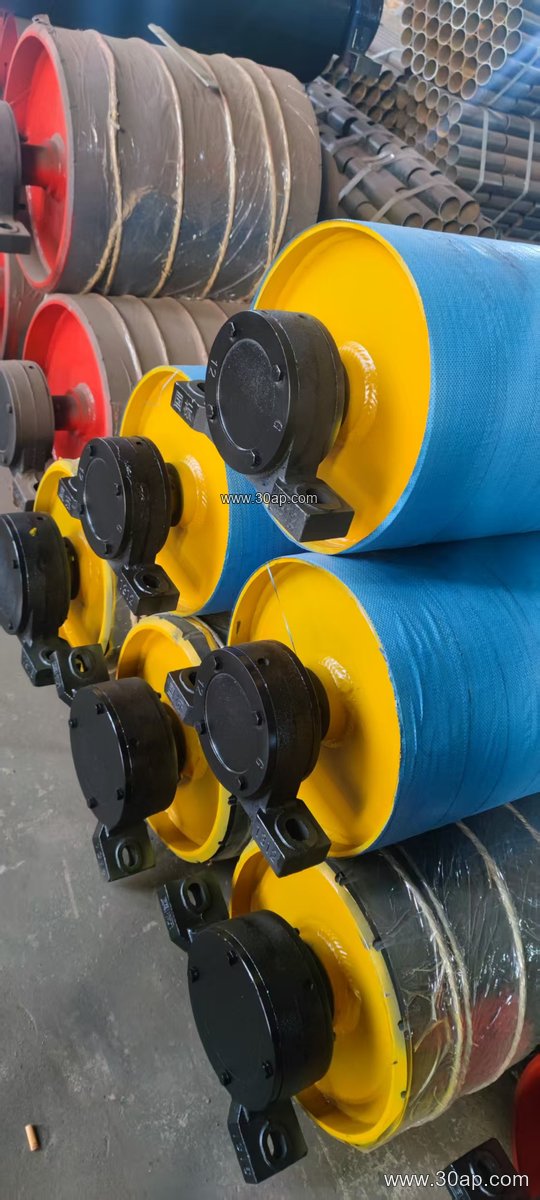
Matching the Pulley to the Belt and Application
Selecting the right iron ore conveyor pulley involves considering belt width, pulley diameter, lagging type, and shaft size. The pulley face width is usually slightly wider than the belt; for a B1000 belt, a pulley face of about 1150 mm is common. Diameter choices range from Ø200 for small tail pulleys to Ø1800 for large drive pulleys, but there is no fixed rule that one belt width matches only one diameter. A B800 conveyor might use a Ø500 drive pulley and a Ø400 tail pulley, depending on tension and space.
The table below shows typical combinations for reference, not as mandatory specifications.
| Belt Width (mm) | Common Pulley Face (mm) | Typical Diameter Range (mm) | Typical Shaft Range (mm) |
|---|---|---|---|
| B500 | 600 | Ø250–Ø400 | Ø50–Ø80 |
| B650 | 750 | Ø315–Ø500 | Ø60–Ø100 |
| B800 | 950 | Ø400–Ø630 | Ø70–Ø120 |
| B1000 | 1150 | Ø500–Ø800 | Ø80–Ø140 |
| B1200 | 1400 | Ø630–Ø1000 | Ø90–Ø160 |
| B1400 | 1600 | Ø800–Ø1250 | Ø100–Ø180 |
| B1600 | 1800 | Ø1000–Ø1400 | Ø120–Ø200 |
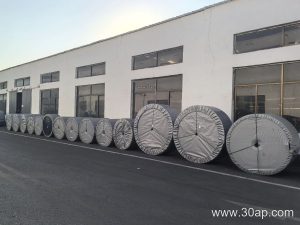
For high-abrasion iron ore, diamond or ceramic lagging is often preferred over plain rubber. The pulley must also be balanced for the belt speed and load. When specifying, consider the conveyor belt type—such as steel cord or multi-ply fabric—because tension and stiffness affect pulley loads.
Buyer Checklist
- Confirm the pulley’s role: drive, tail, bend, or take-up. Each has different design priorities.
- Check lagging material and thickness against the ore’s abrasiveness and moisture level.
- Verify shaft diameter and bearing size based on calculated torque, not just belt width.
- Ensure the pulley face width accommodates belt tracking and splice thickness.
- Ask for dynamic balancing if the pulley will run at high speed.
- Review the connection between pulley and conveyor bracket for ease of maintenance.
In iron ore handling, a well-chosen pulley reduces downtime and extends the life of the entire conveyor system. Whether you are specifying a single replacement or designing a new line, focus on the specific load and environment rather than generic rules. For related components like the conveyor belt, idler roller, and pulley assembly, consult your conveyor designer to ensure compatibility.