What a 315mm Diameter Conveyor Pulley Is
A 315mm diameter conveyor pulley is a key rotating component in a belt conveyor system, used to support and drive the conveyor belt. With a nominal diameter of 315 millimeters, this pulley size falls into the medium range and is often chosen for applications where space is limited but sufficient torque transmission is required. It is commonly manufactured as a drive pulley, tail pulley, or bend pulley, each serving a distinct role in the conveyor loop. The 315mm diameter conveyor pulley is not a one-size-fits-all solution; its selection depends on belt width, load conditions, and the specific position in the conveyor.
Construction and Design Features
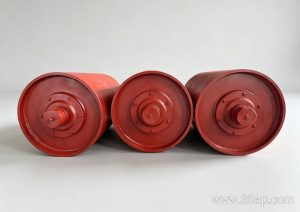
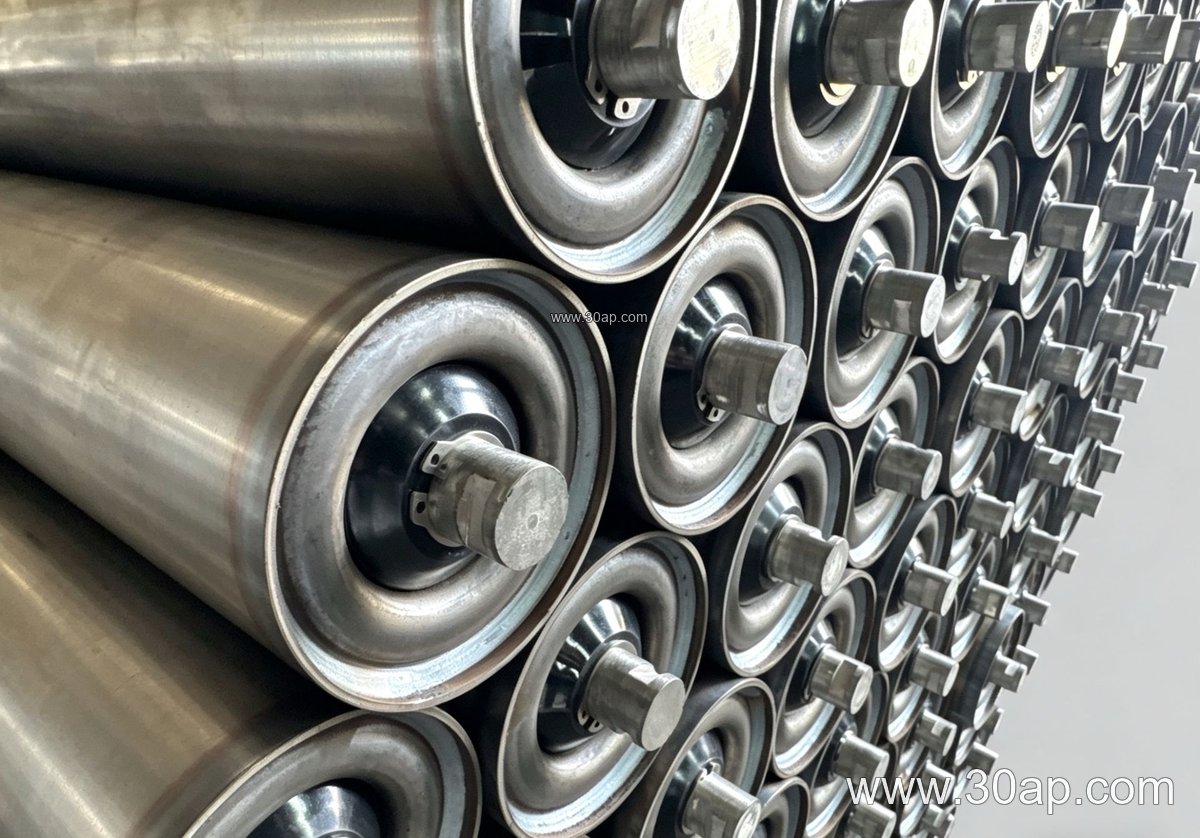
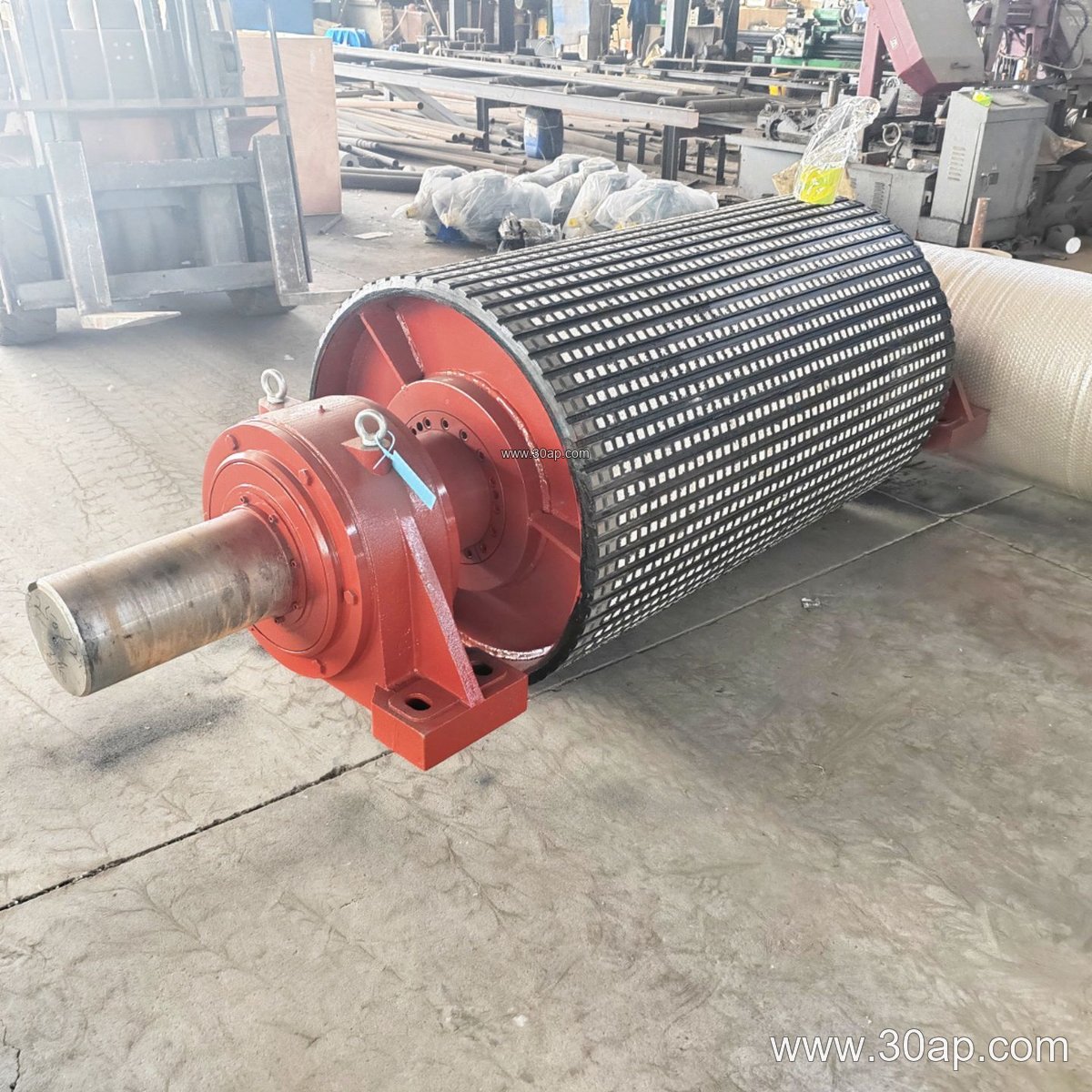
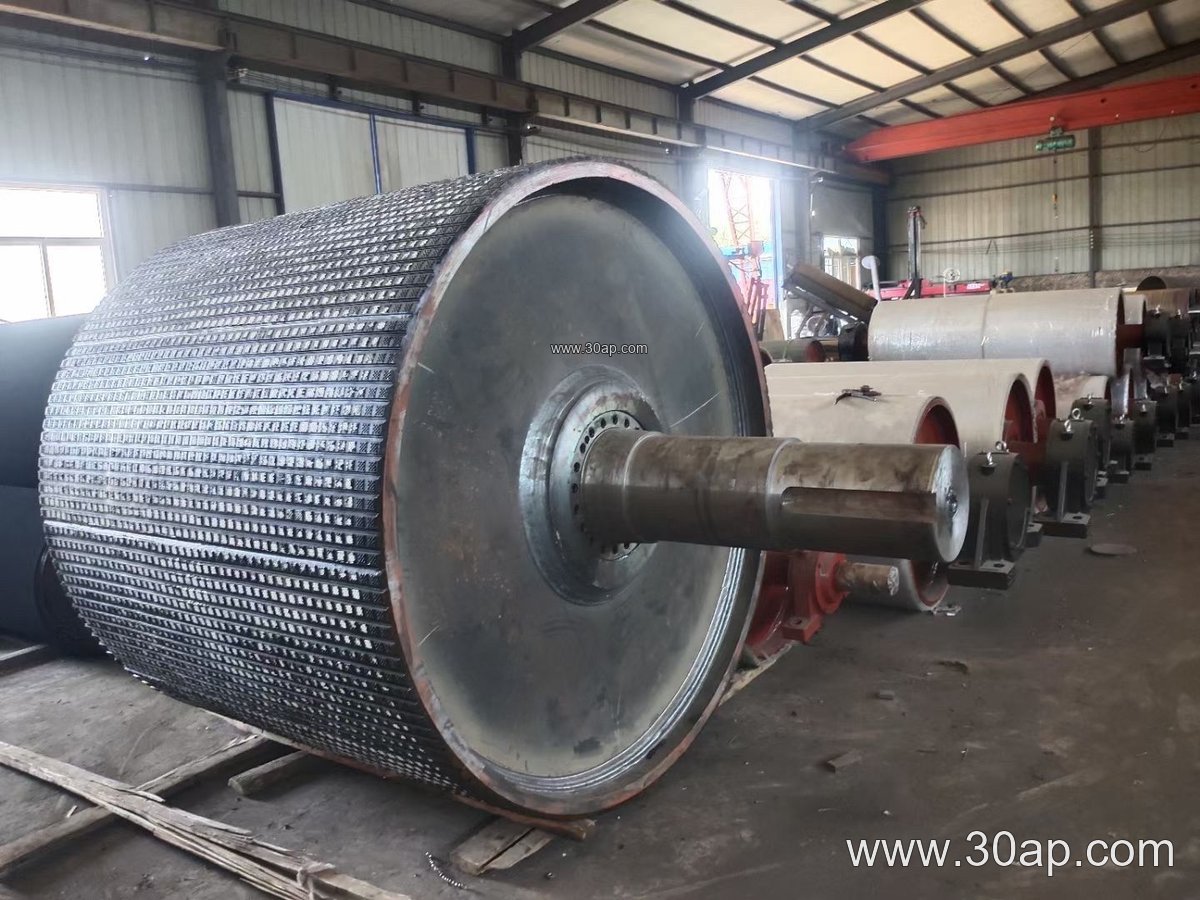
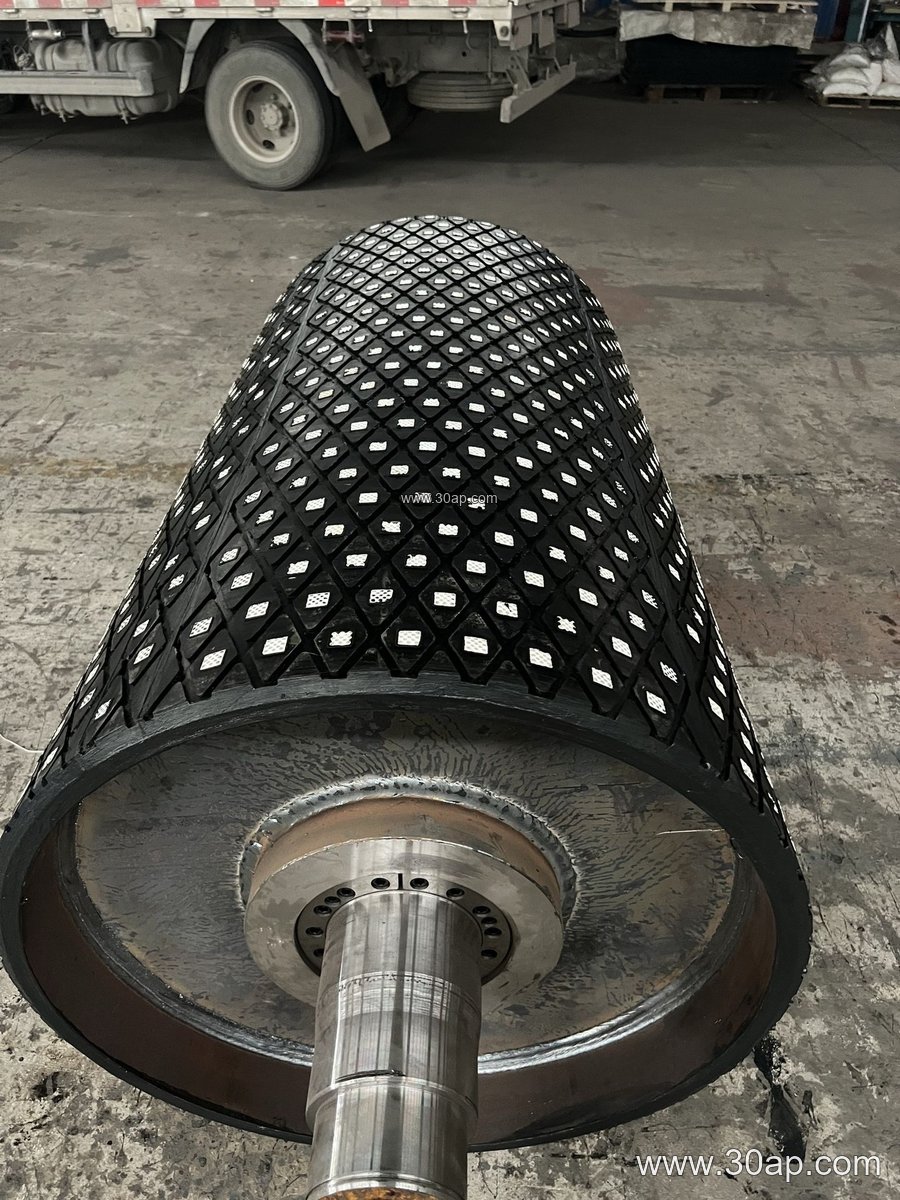
Typically, a 315mm diameter conveyor pulley consists of a cylindrical shell, end discs, a shaft, and bearing housings. The shell is usually made from steel pipe or rolled plate, machined to ensure concentricity. The shaft is sized according to the torque and bending loads, not simply by belt width. Common shaft diameters for this pulley size might range from Ø80 to Ø120, but the exact value must be determined by the design engineer. Surface options include plain steel, rubber lagging (cold-bonded or hot-vulcanized), diamond grooving, herringbone grooving, or ceramic lagging. Lagging thicknesses of 8 mm, 10 mm, or 12 mm are frequently used to improve grip and reduce belt slip. The pulley is balanced dynamically to minimize vibration at operating speeds.
Where It Fits in a Conveyor System
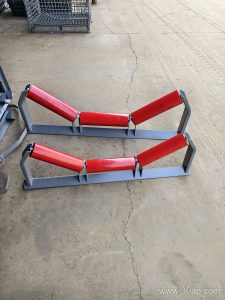
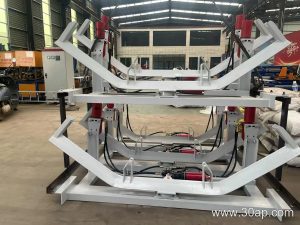
The 315mm diameter conveyor pulley can be found in various positions. As a drive pulley, it transmits power from the motor to the belt; as a tail pulley, it provides belt tension and guidance; as a bend pulley, it changes the belt direction. In a quarry or aggregate plant, this size might be used on a medium-duty conveyor transporting crushed stone. In a cement plant, it could serve on a clinker or raw material belt. The 315mm diameter conveyor pulley is also suitable for auxiliary conveyors in a power plant or a coal washing facility. Its moderate size makes it a good fit for conveyors with belt widths around 800 mm to 1200 mm, though other combinations are possible. The pulley works in harmony with the conveyor belt, idler rollers, and conveyor brackets to ensure smooth material flow.
Specifications and Selection Guidelines
When specifying a 315mm diameter conveyor pulley, several parameters must be considered. The table below lists common reference values; actual requirements should be confirmed with the manufacturer.
| Parameter | Common Options / Range |
|---|---|
| Diameter | 315 mm (Ø315) |
| Belt width (examples) | B800, B1000, B1200 |
| Pulley face width | Typically wider than belt width, e.g., 950 mm for B800, 1150 mm for B1000, 1400 mm for B1200 |
| Shaft diameter | Ø80, Ø90, Ø100, Ø120 (determined by torque and load) |
| Lagging type | Plain, rubber lagging, diamond grooving, ceramic lagging |
| Lagging thickness | 8 mm, 10 mm, 12 mm, 15 mm |
| Bearing type | Self-aligning ball bearing or spherical roller bearing |
| Pulley type | Drive, tail, bend, take-up, snub |
Selection should consider the conveyor’s power, belt tension, and environmental conditions. For abrasive materials, a rubber lagged pulley with increased thickness may be beneficial. In coal mining, flame retardant and anti-static properties of the belt and lagging are important. The 315mm diameter conveyor pulley must be matched with the correct shaft and bearing size to ensure reliable operation.
Maintenance and Compatibility
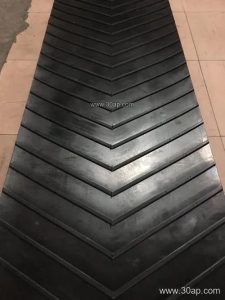
Regular inspection of the 315mm diameter conveyor pulley helps prevent unplanned downtime. Check lagging wear, bearing condition, and shaft alignment. Lubricate bearings according to the manufacturer’s schedule. The pulley should be compatible with the conveyor belt specification; for example, a heavy-duty mining conveyor belt may require a pulley with robust lagging. Related components such as idler rollers and conveyor brackets should also be inspected to maintain the entire system’s efficiency. When replacing a pulley, always verify the diameter, face width, shaft size, and lagging type to avoid mismatch.
Buying Considerations
Buyers should provide the conveyor design details: belt width, belt speed, motor power, material characteristics, and operating environment. For instance, in a sand and gravel line, an abrasion resistant conveyor belt paired with a properly lagged pulley will last longer. In a fertilizer plant, chemical resistant lagging may be needed. The 315mm diameter conveyor pulley is available in various configurations; confirm the required shaft diameter based on torque calculations, not just belt width. Ask for a dimensional drawing and material certificates if needed. Remember that the pulley is part of a system—its performance depends on correct installation and alignment with the conveyor belt, idler rollers, and conveyor brackets.