What Is a Conveyor Pulley Assembly?
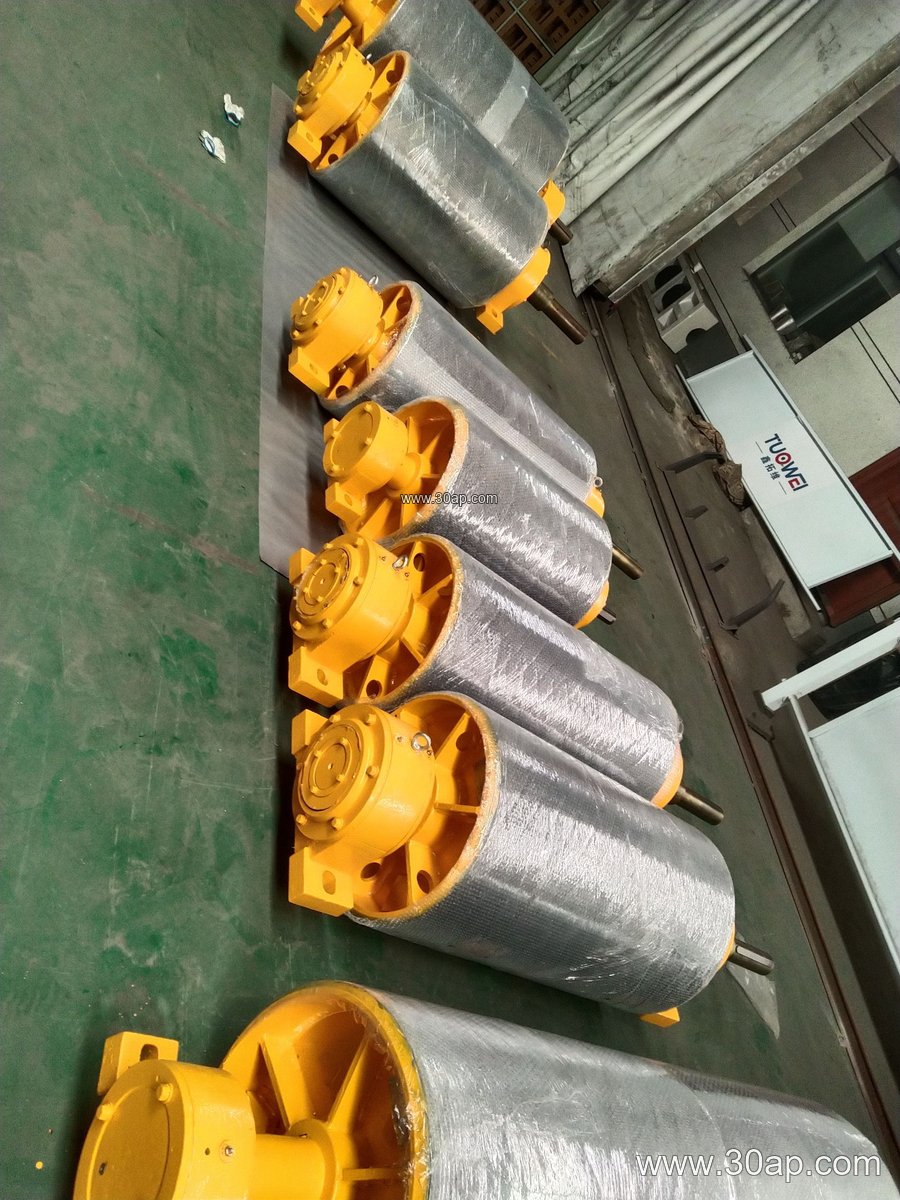
A conveyor pulley assembly is the rotating heart of a belt conveyor system. It consists of a cylindrical shell, shaft, bearings, and locking elements, often enhanced with lagging. This assembly transmits motion to the conveyor belt and supports its return path. In quarry and aggregate operations, a well-built pulley assembly keeps material flowing smoothly from crushers to screens. Whether you call it a conveyor pulley assembly or a pulley drum assembly, the function remains the same: reliable power transmission and belt guidance.
Construction and Key Components
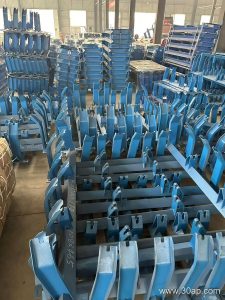
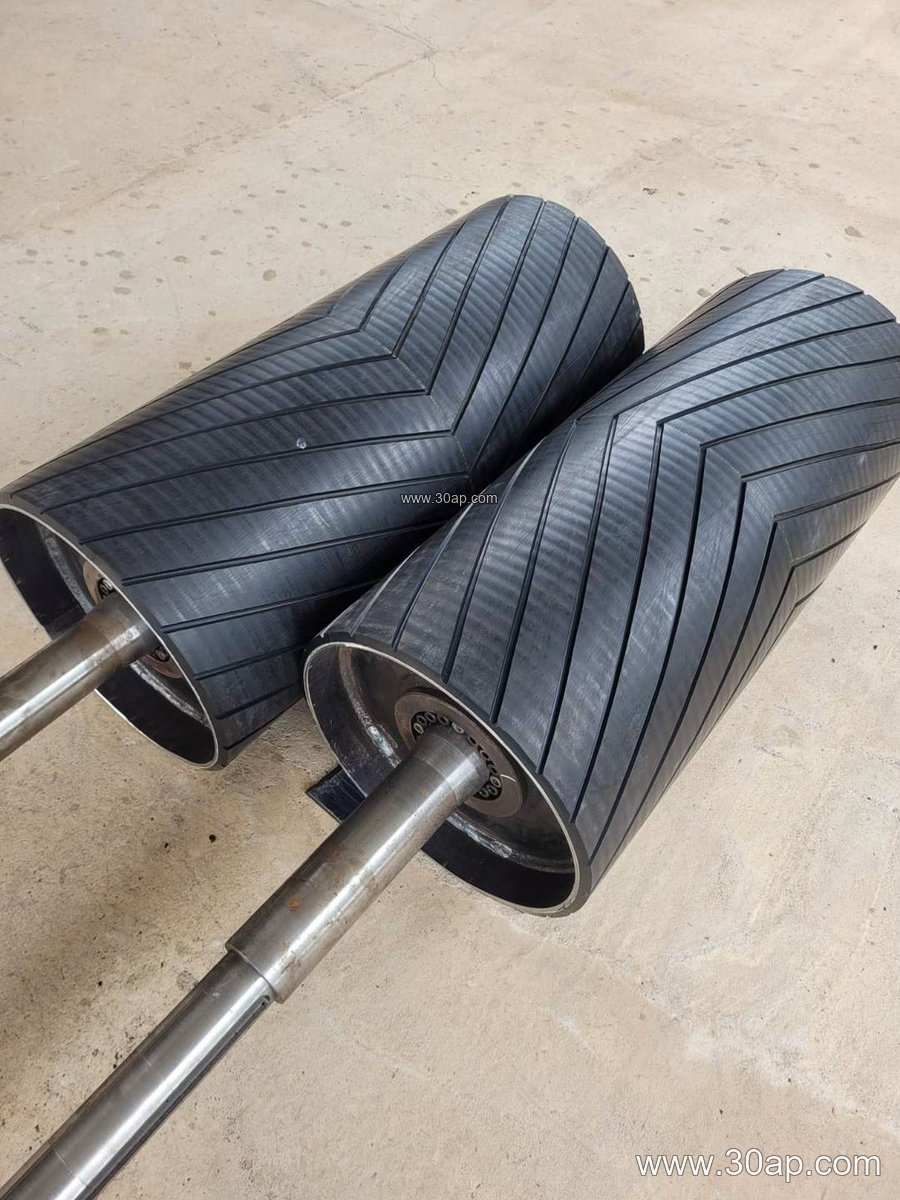
The shell is typically made from rolled steel, machined for balance. The shaft is sized by torque and load, not simply by belt width. Bearings are housed in sturdy pillow blocks or flanged housings, and locking assemblies secure the shell to the shaft. Lagging—rubber, ceramic, or diamond pattern—improves grip and protects the shell. For abrasive conditions like iron ore or copper ore transport, ceramic lagging is a common choice. A conveyor bracket supports the bearing housing and ties the assembly to the conveyor frame.
Types and Their Roles
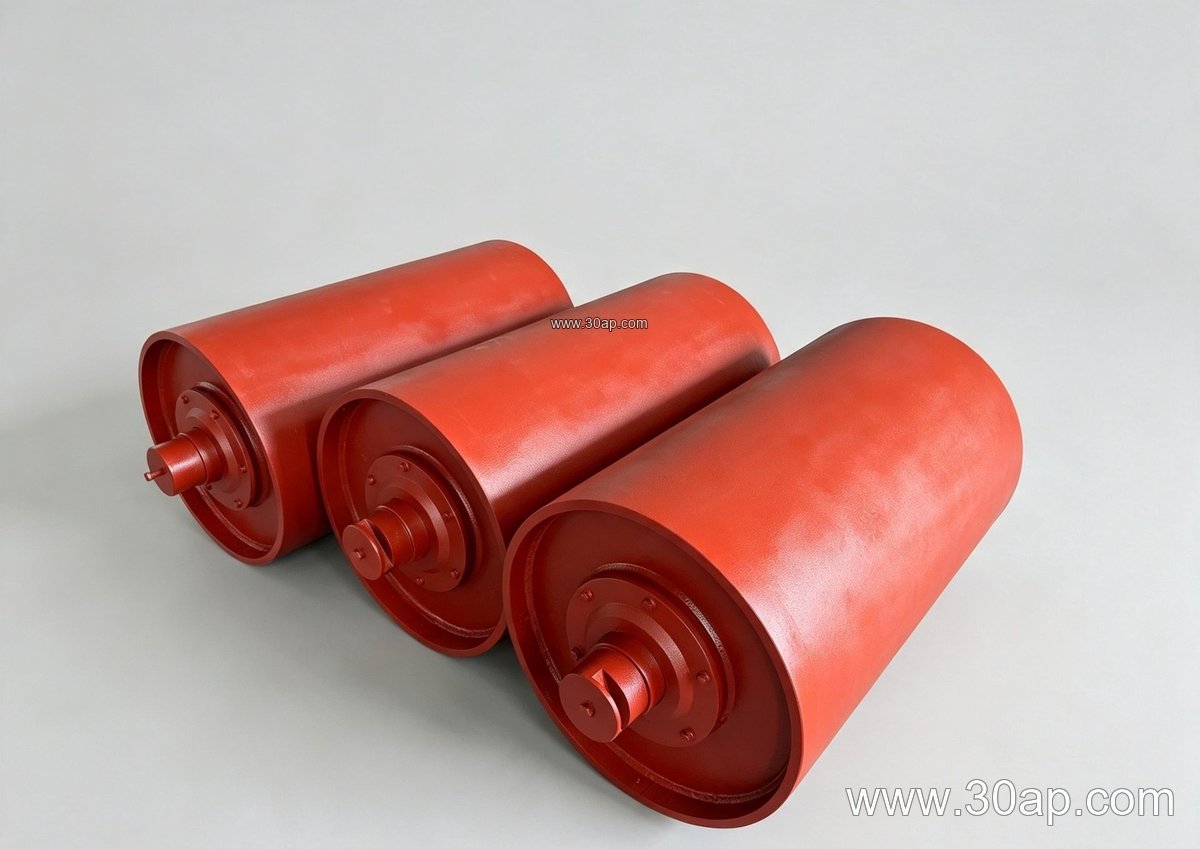
Drive pulleys (also called head pulleys) transmit power to the belt. Tail pulleys at the loading end redirect the belt and often include take-up provisions. Bend pulleys change belt direction in tensioning systems. These are not interchangeable; each position demands specific design considerations. In underground coal mining, flame retardant conveyor belts and robust pulley assemblies work together to meet safety demands. Occasionally, a wing pulley is used for self-cleaning in sticky material, but it serves a different purpose than a standard drive or tail pulley.
Where They Are Used
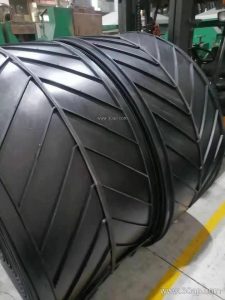
You will find conveyor pulley assemblies in cement plants handling clinker, power plants moving coal, and port facilities loading bulk cargo. In a sand and gravel plant, they endure constant abrasion from aggregate conveyor belts. The assembly must match the belt type—whether it is an EP conveyor belt, a steel cord conveyor belt, or a chevron conveyor belt for inclined transport. For high-temperature materials, heat resistant conveyor belts pair with pulley assemblies that include heat-tolerant lagging.
Specifications and Size Considerations
Pulley diameter and face width are selected based on belt width, tension, and space. Common belt widths include B500, B800, B1200, and B1600. The pulley face width is usually slightly wider than the belt. For example, a B800 belt might use a pulley with approximately 950 mm face width. Diameters range from Ø200 for light-duty to Ø1800 for heavy mining applications. Shaft diameters commonly fall between Ø50 and Ø200, determined by torque and load analysis. Lagging thickness often ranges from 8 mm to 20 mm. Below is a reference table of typical combinations—these are examples, not fixed rules.
| Belt Width (mm) | Pulley Face Width (approx. mm) | Common Pulley Diameter (mm) | Typical Shaft Diameter (mm) |
|---|---|---|---|
| B500 | 600 | Ø250–Ø400 | Ø50–Ø80 |
| B800 | 950 | Ø400–Ø630 | Ø80–Ø120 |
| B1200 | 1400 | Ø630–Ø1000 | Ø100–Ø160 |
| B1600 | 1800 | Ø800–Ø1250 | Ø120–Ø180 |
Remember that one belt width can accommodate various pulley diameters depending on the application. Never assume a fixed shaft size from belt width alone.
Buyer’s Checklist
- Confirm the pulley’s position (drive, tail, bend) and duty cycle.
- Specify lagging type: plain, rubber, diamond, ceramic, or herringbone.
- Provide belt width and expected belt tension for accurate sizing.
- Consider environmental factors: abrasion, heat, oil, or flame resistance.
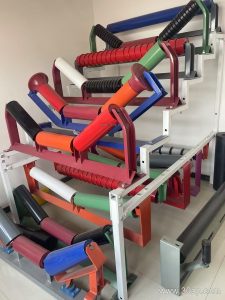
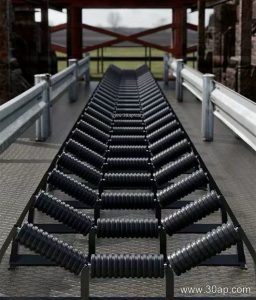
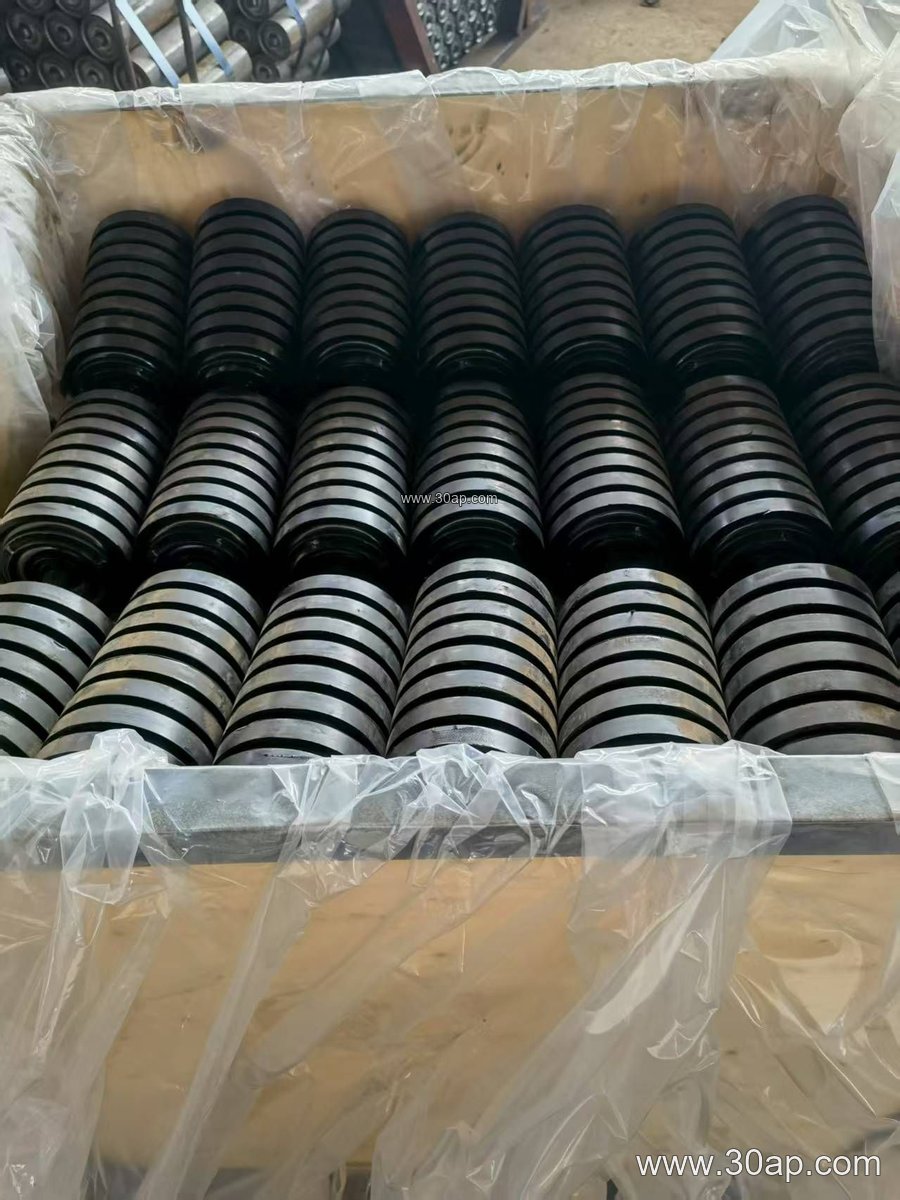
- Ensure compatibility with conveyor idler rollers and brackets.
- Ask for balancing and run-out tolerances.
For more information on conveyor pulley assemblies and related components, visit our site at www.example.com/conveyor-pulley-assembly. Whether you operate a coal mine or a cement plant, selecting the right assembly protects your belt and keeps production running.