What a 2200mm Conveyor Belt Is
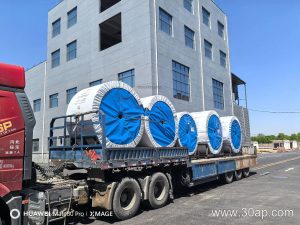
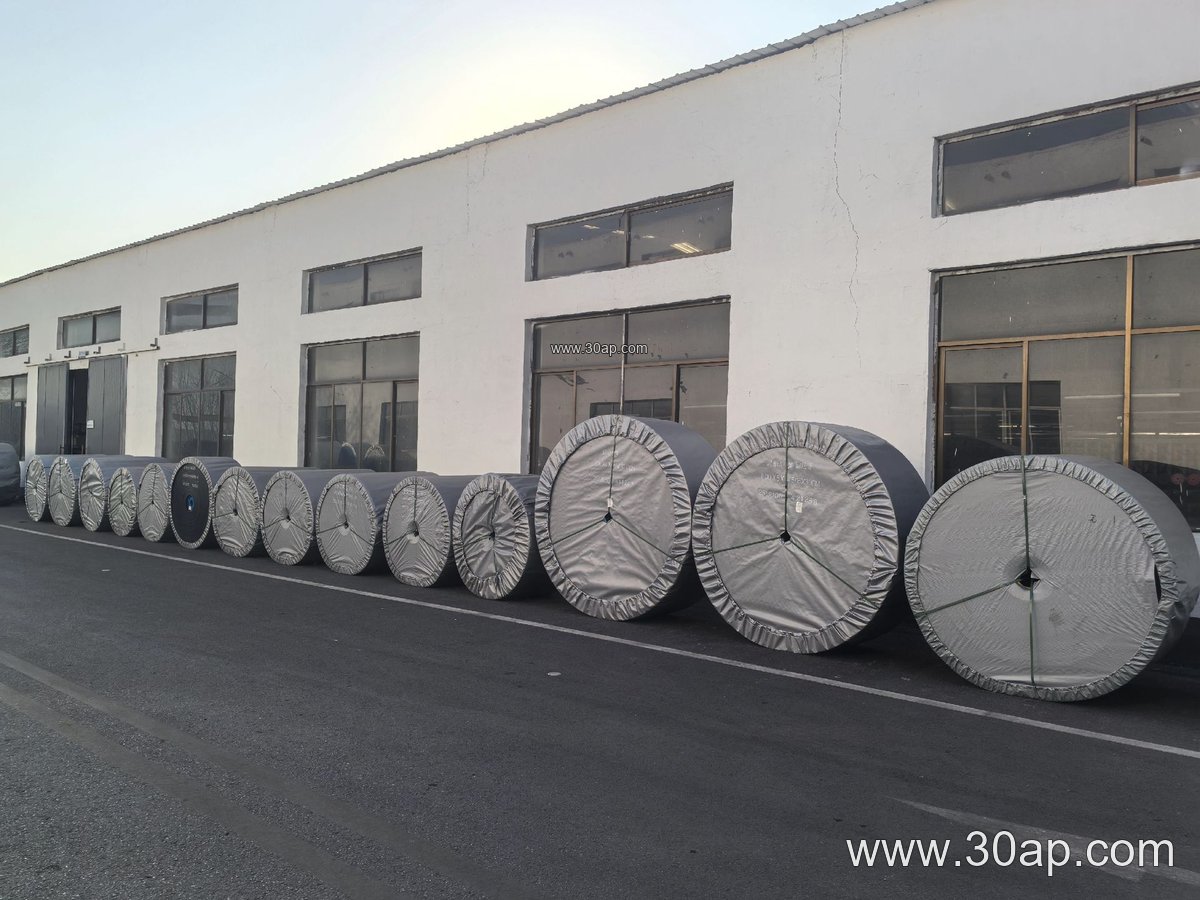
A 2200mm conveyor belt is an extra-wide belt designed for conveyor lines that must move large volumes of bulk material in a single pass. At this width, the belt becomes the defining element of the whole system, so matching it correctly with the conveyor structure matters as much as the belt itself. The product is typically supplied as an endless or open-length belt in a fabric core or steel cord construction, and it is chosen when narrower belts would demand too many parallel lines.
Buyers often describe this size as a 2.2 m wide belt or an extra-wide conveyor belt. Those are accurate equivalent names for the same product. A 2200mm conveyor belt is not a pulley, a roller or a frame component; it is the load-carrying surface that runs over the idler rollers and around the pulleys.
Construction and Common Specifications
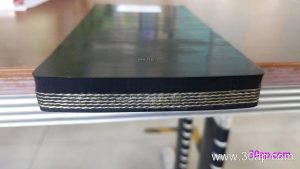
The belt body usually combines a carcass and rubber covers. Fabric core designs use multiple plies of EP or NN fabric, while heavy-duty lines may use steel cord. Cover compound and thickness are selected for the duty: abrasion resistant, heat resistant, oil resistant, flame retardant, anti-static or cold resistant grades are all available in principle, subject to the maker’s range.
The table below shows typical reference values, not fixed supply promises. Actual values are confirmed by design.
| Parameter | Common Reference Range |
|---|---|
| Belt width | 2200 mm |
| Carcass type | EP fabric, NN fabric, steel cord |
| Fabric plies | 2 to 6 |
| Strength grades (EP) | EP200 to EP2000 |
| Strength grades (steel cord) | ST1000 to ST3150 |
| Top / bottom cover | 6+2, 8+3 mm and other combinations |
| Surface forms | Smooth, chevron, corrugated sidewall, skirted |
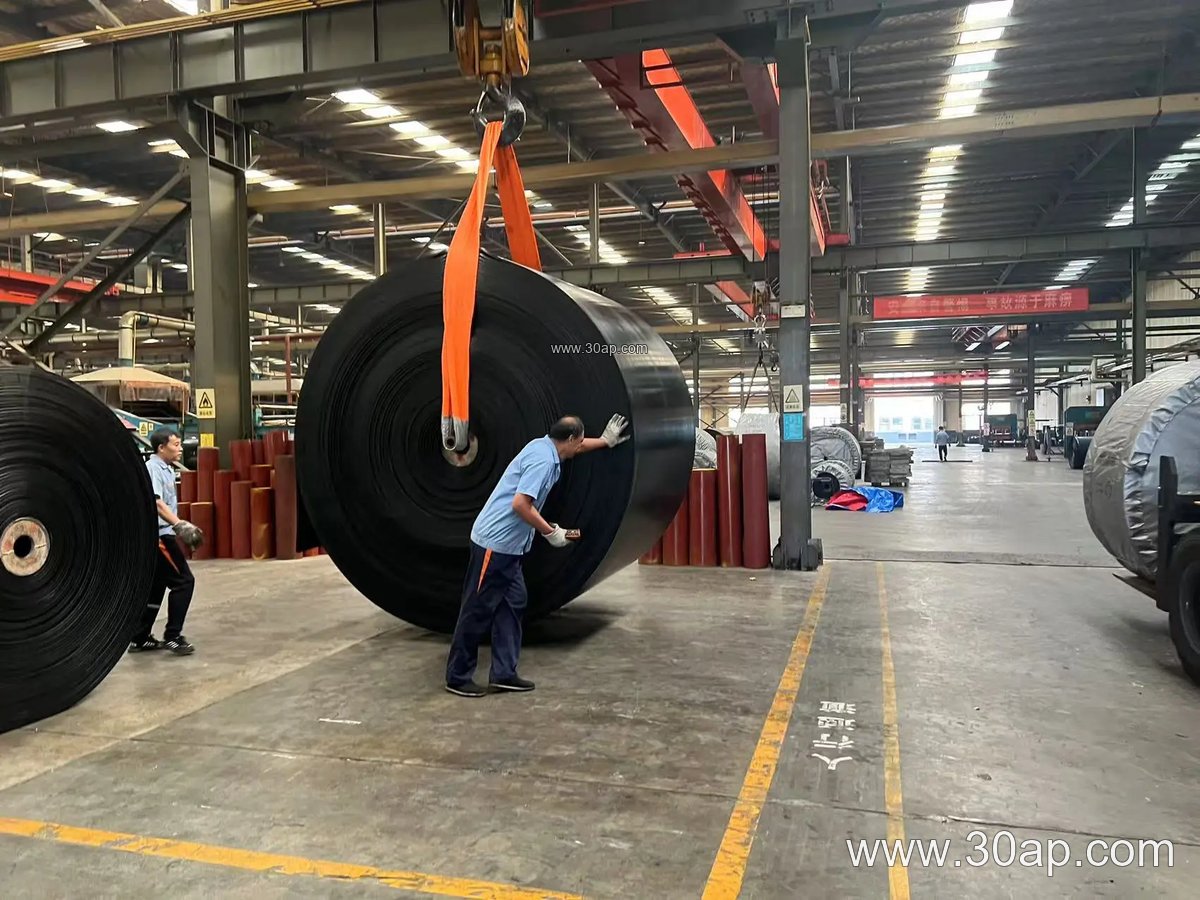
Because of the width, cover thickness and ply count are usually on the heavier side. A thick conveyor belt of this size resists impact at transfer points and reduces the risk of edge damage, but it also adds weight that the drive and pulleys must handle.
Where Extra-Wide Belts Are Used
Mining, coal preparation, cement plants, power stations, steel works, quarries and large sand and aggregate yards are the classic users. A 2200mm conveyor belt suits primary crushing discharge, stockyard feed lines and ship loading systems where throughput is high and material is coarse. In a quarry conveyor or crusher conveyor, the wide belt spreads the load and limits spillage at the chute.
Specialty variants appear in these industries too. A flame retardant conveyor belt is common in coal mining, a heat resistant conveyor belt handles clinker and sinter, and an abrasion resistant conveyor belt is standard for iron ore and rock. Pipe and corrugated sidewall designs are used where the route is tight or the material must be contained, though these are different belt types rather than substitutes for a flat 2200mm belt.
Matching the Belt to the Conveyor
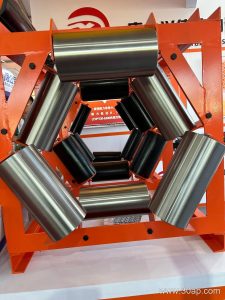
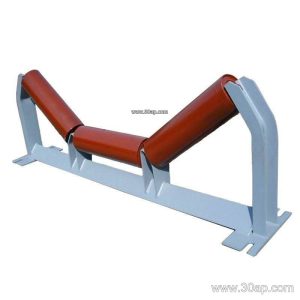
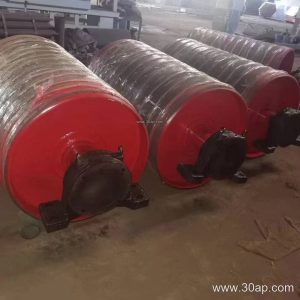
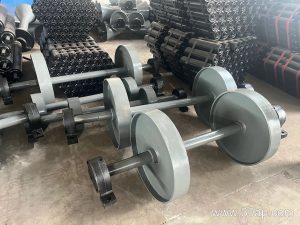
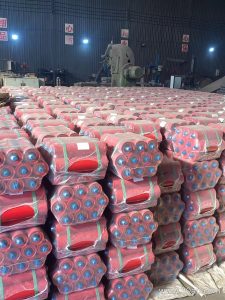
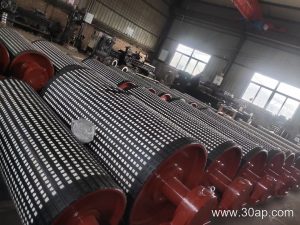
Width alone does not determine pulley diameter or shaft size. A 2200mm conveyor belt can run on different pulley diameters depending on tension, carcass type and the maker’s recommendation. Drive pulleys, tail pulleys and bend pulleys each have their own role and are not interchangeable. The same applies to idler rollers: trough angle, roll diameter and spacing are set by the conveyor design, not by belt width alone.
When specifying, provide the material, lump size, capacity, trough angle, incline, ambient conditions and the required cover grade. State whether you need an EP conveyor belt, a steel cord belt or a flame retardant grade. For long overland lines, tension calculations should follow the layout, for example P = (qb + qm) x g x L / 2 as a simplified check, with the final figure confirmed by the conveyor designer.
Buyer Checklist and Care
- Confirm the belt width, carcass type and cover thickness in writing.
- Check that pulleys, idler rollers and brackets are rated for the belt mass and tension.
- Ask for the recommended minimum pulley diameter for the chosen carcass.
- Verify splice method and whether an endless belt is required.
- Plan edge protection and alignment checks, since wide belts are sensitive to mistracking.
- Store belts flat, away from heat and ozone sources.
Regular inspection of idler rollers, pulley lagging and belt edges extends service life. A 2200mm conveyor belt is a long-term investment in throughput, so the specification stage deserves the same attention as the daily maintenance routine.