What the Ø63.5 Conveyor Idler Is
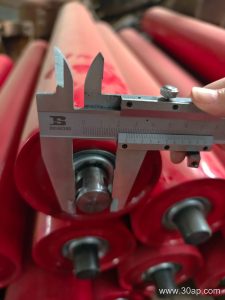
A Ø63.5 conveyor idler is a small-diameter carrying or return roller used to support the conveyor belt along a light or medium-duty conveyor frame. The 63.5 mm figure refers to the outside diameter of the roller shell, a dimension often written as 63.5 mm and sometimes rounded in catalogs as Ø63 or Ø2.5 inch. The idler roller turns on its shaft through sealed bearings, so the belt slides over rotating steel rather than over a fixed surface. That single change reduces friction, protects the belt cover, and keeps the load moving at a steady line speed.
Because the diameter is modest, this size is usually chosen where belt width, material weight, and space around the frame are limited. It appears on in-plant conveyors, small transfer lines, and lighter sections of longer systems. In a quarry or a sand and gravel line it may handle fines and small aggregate; in a cement plant it may serve additive or bagging conveyors. It is not the right choice for every position, and it should be matched to the actual belt and load rather than treated as a universal part.
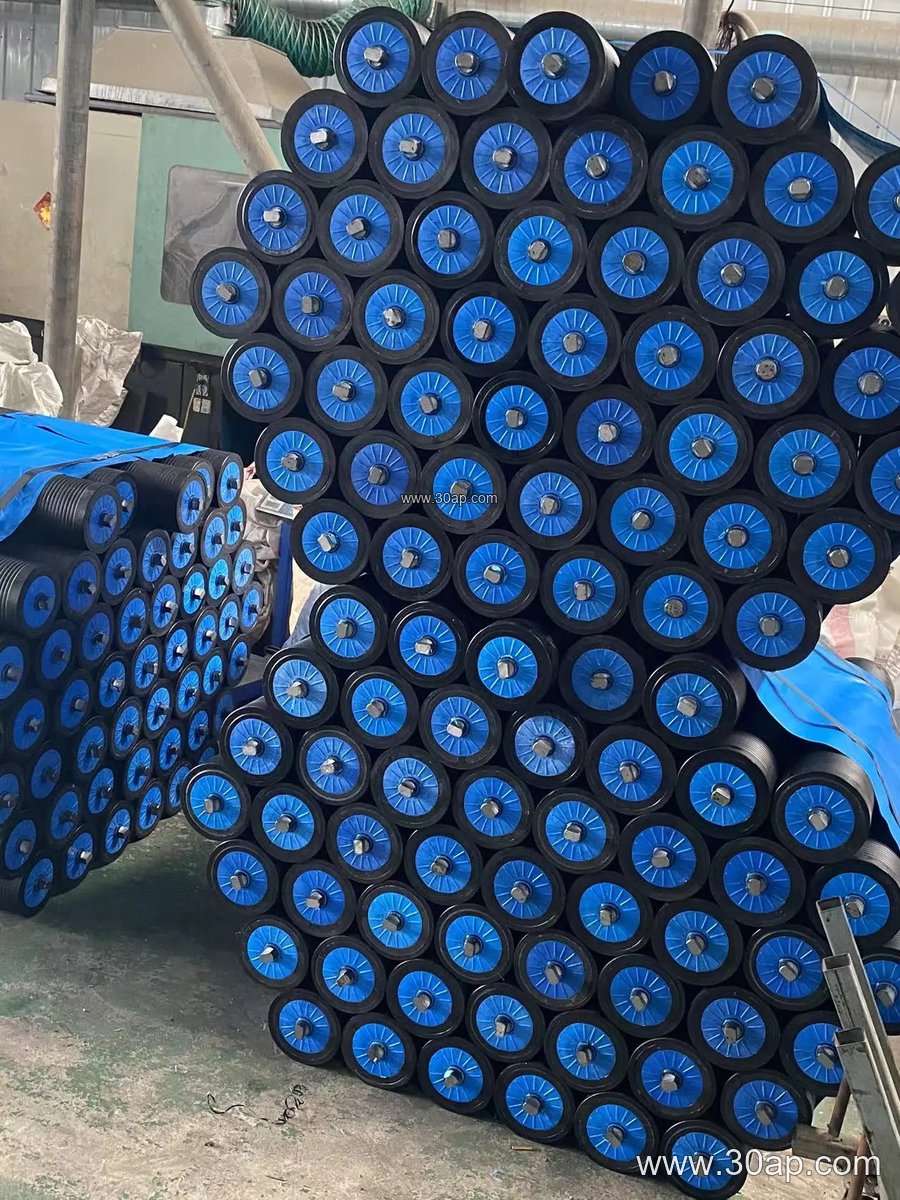
How the Roller Is Built
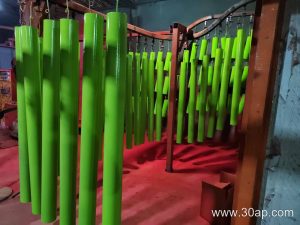
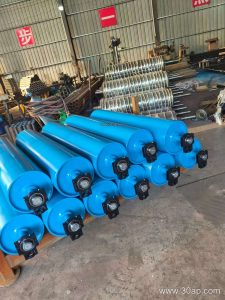
The shell is commonly a steel tube, machined at both ends to seat the bearing housings. A shaft runs through the center, and the bearings sit in sealed housings that keep out dust and grit. Sealing quality matters more than most buyers expect: in a coal handling area or a crushing circuit, fine particles work into unprotected bearings quickly and cause seizure. Rubber or nylon surface options are available for specific needs, but a plain steel shell remains the common form for general duty.
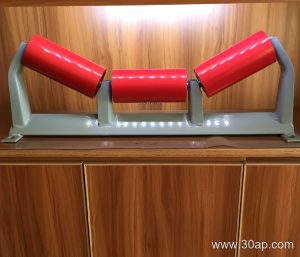
Typical bearing sizes used in small idlers include 6204, 6205, and 6305, though the exact fit depends on the shaft and load design. The roller length is not fixed by diameter alone. It follows belt width, trough angle, and whether the station is a single roller or part of a three-roll troughing set. For reference, common three-roll troughing examples include roller lengths of roughly 200 mm at B500, 250 mm at B650, 315 mm at B800, and 380 mm at B1000. These are illustrative values, not a fixed pairing, and the side rollers may differ from the center roller.
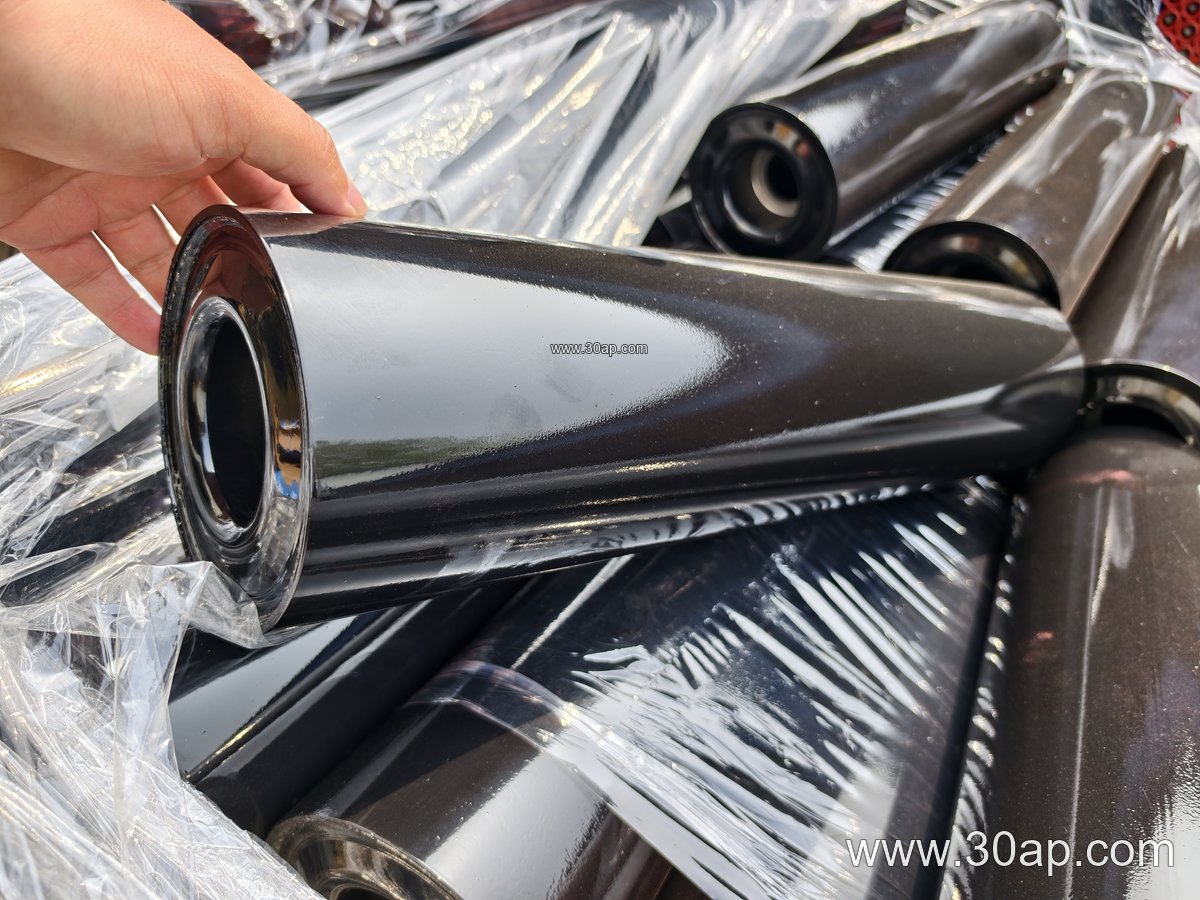
Where It Fits on the Conveyor
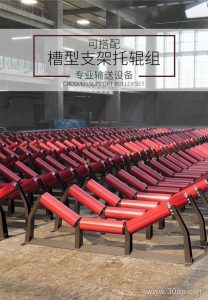
This diameter can be used in several positions depending on the design. Troughing idlers form the belt into a channel so bulk material stays centered; return idlers support the empty belt on the way back. Impact and缓冲 positions, where material drops onto the belt, usually call for a larger roller or a rubber-ring impact idler, so the Ø63.5 size is less common directly under a loading chute. Self-aligning idlers, including friction and conical types, are a separate family and should be specified as such rather than substituted for a standard roller.
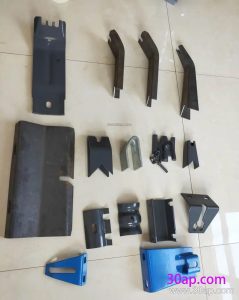
Frames and brackets should be checked together with the roller. A conveyor bracket that does not match the shaft end, the fixing hole spacing, or the frame height will cause misalignment, and a misaligned idler wears both the roller and the belt edge. When replacing parts, confirm the shaft diameter, the flat or groove at the shaft end, and the mounting method before ordering.
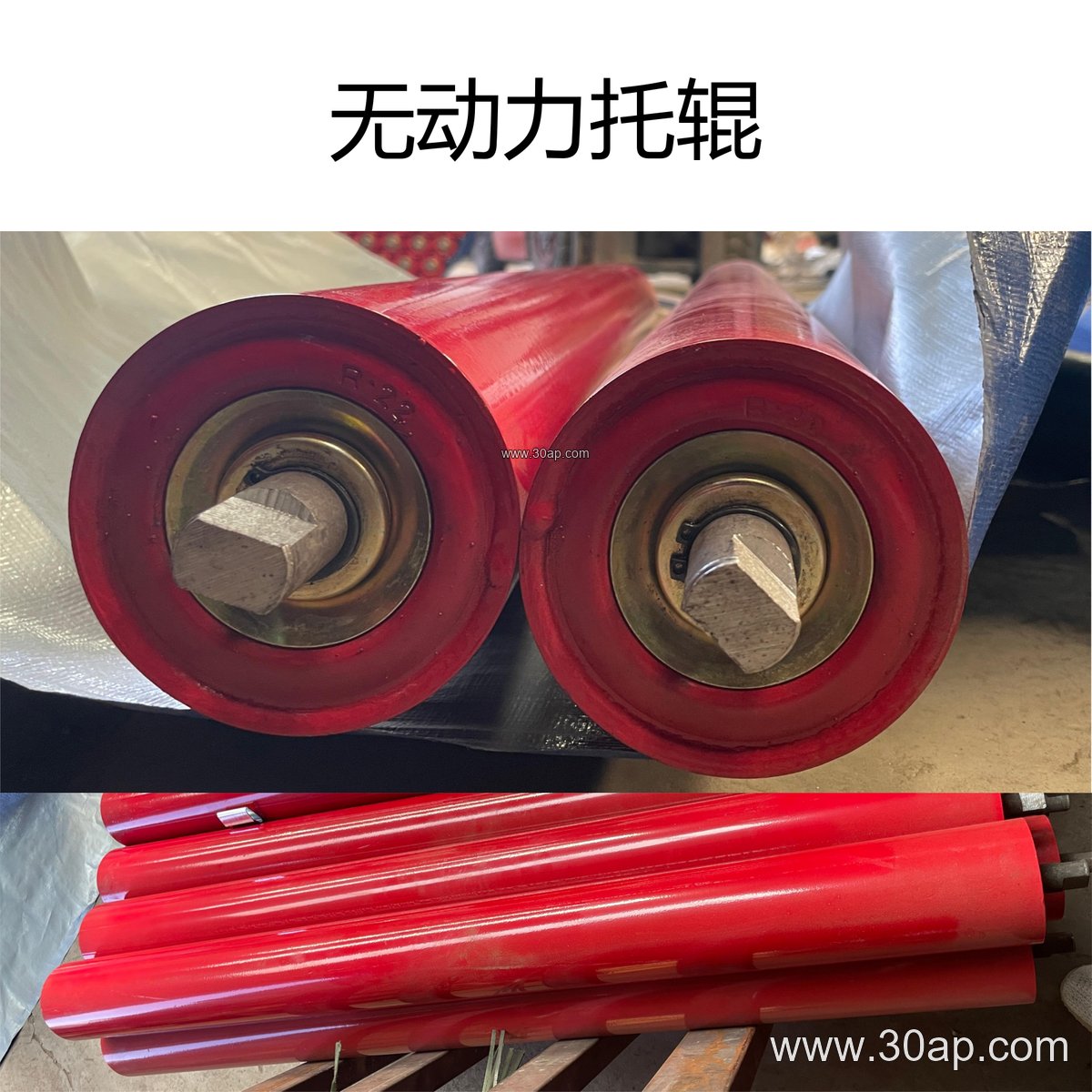
Belt and Site Considerations
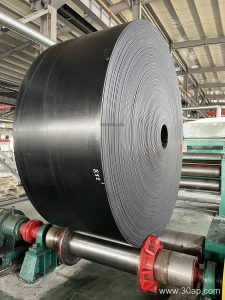
The idler works with the belt, not in isolation. A heavy-duty mining conveyor belt carrying coarse ore needs robust rollers and close spacing; a lighter EP conveyor belt or NN conveyor belt on a short transfer may run well on smaller idlers. Heat resistant conveyor belt and flame retardant conveyor belt used in power plant coal handling or underground mining conveyors still need correct roller spacing to avoid sag between stations. In dusty or wet conditions, sealed bearings and smooth shell surfaces help keep rotation free.
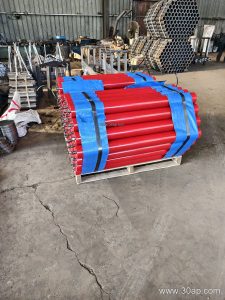
Site conditions also shape maintenance. In a limestone mine or a concrete mixing plant, daily checks of loose brackets, worn shells, and noisy bearings prevent small failures from stopping the line. Keep a small stock of common roller lengths and bearing sizes so a failed unit can be replaced during a short shutdown.
Buyer Checklist
- Confirm the required outside diameter, here Ø63.5 mm, and the roller length for each position.
- State the belt width and whether the station is single, two-roll, or three-roll troughing.
- Give the trough angle, commonly 20, 30, 35, or 45 degrees, where relevant.
- Specify shaft diameter, shaft end shape, and bracket fixing dimensions.
- Describe the material and environment: dust, moisture, temperature, or oil exposure.
- Ask about bearing size and sealing arrangement rather than assuming a standard fit.
Purchasing the right Ø63.5 conveyor idler comes down to matching the roller to the belt, the frame, and the working environment. A clear specification at the order stage saves far more time than repeated replacement later. For related components such as conveyor pulleys, conveyor brackets, and the belt itself, keep the same discipline: measure, confirm, and record what was fitted.