What a Conveyor Bracket Quotation Covers
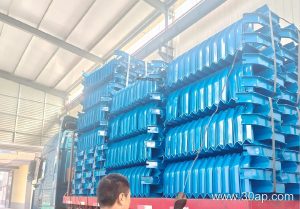
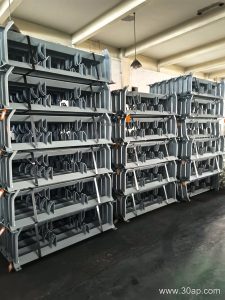
A conveyor bracket quotation is more than a price tag for a few pieces of steel. It is a document that defines the support structure for your conveyor belt system, from the troughing idlers that carry the material to the return idlers that keep the belt tracking. Whether you are building a new aggregate line or replacing worn supports at a cement plant, understanding what goes into that quote helps you compare offers and avoid surprises during installation.
The quotation typically lists the bracket types, materials, dimensions, and quantities needed for your specific conveyor. It may also include mounting hardware, adjustment ranges, and surface treatment. Because brackets are custom-fabricated to match your belt width and idler diameter, a good quote will confirm those details before pricing. For example, a quote for a B800 conveyor with 35-degree troughing and Ø108 idlers will differ from one for a B1200 system with 45-degree troughs and Ø133 rollers. At www.beltconveyorparts.com, we often see buyers request quotes without confirming these parameters, which leads to delays and rework.
Common Bracket Types and Their Role
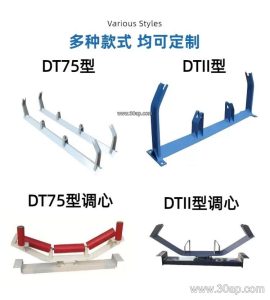
Conveyor brackets come in several forms, each serving a distinct function along the conveyor line. The most common include:
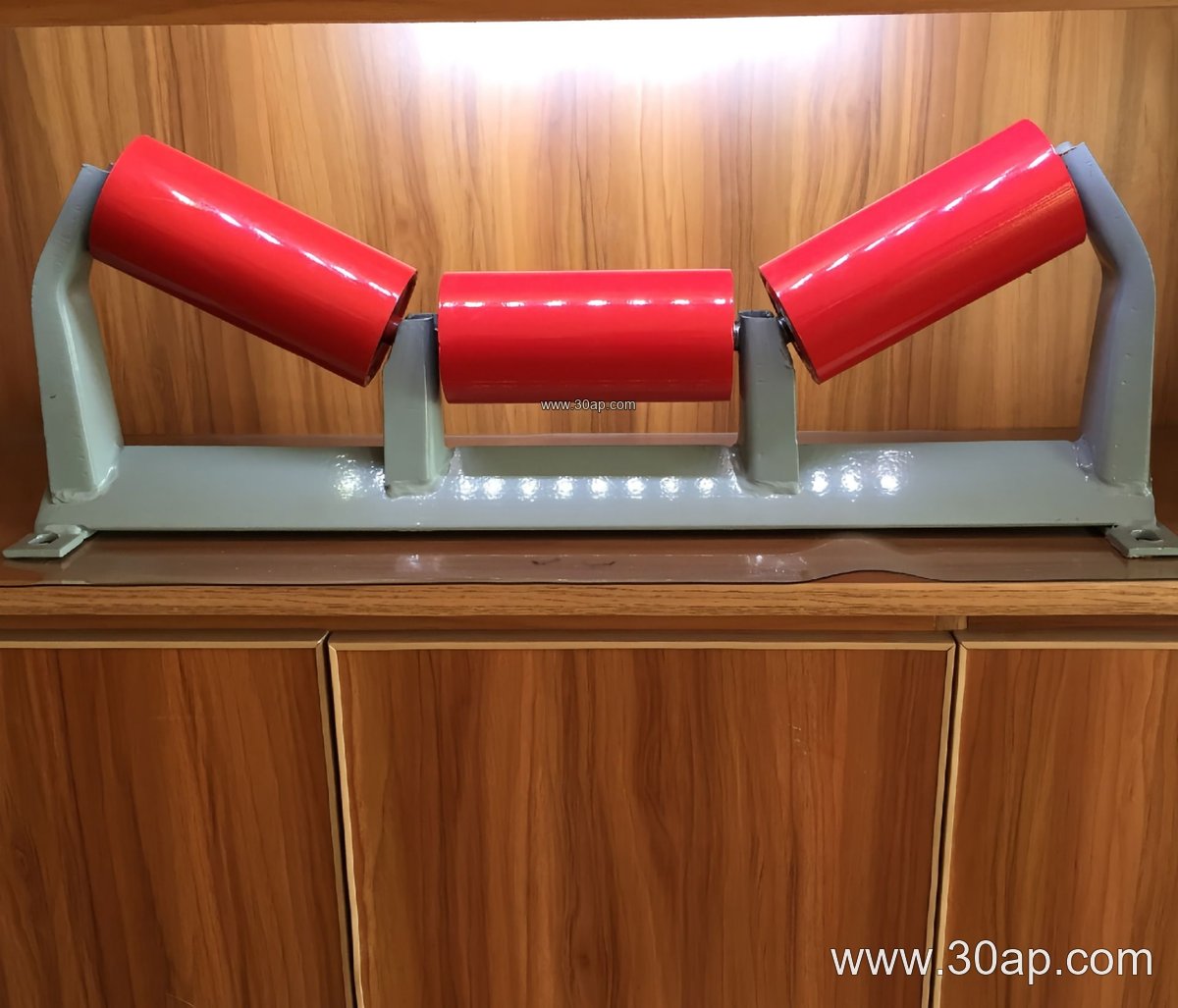
- Troughing bracket (carrying side): Supports three idlers at a set trough angle to shape the belt into a trough for bulk material. Common angles are 20, 30, 35, and 45 degrees.
- Return bracket (flat or V-return): Holds the return idlers that support the empty belt on its way back. V-return brackets help center the belt and reduce sag.
- Impact bracket: Positioned at loading points, these are reinforced to absorb the shock of falling material and are often paired with impact idlers.
- Transition bracket: Used near pulleys to gradually change the belt from flat to troughed, reducing stress on the belt edges.
- Self-aligning bracket: Mounted on a pivot to correct belt misalignment, often with forward tilt of about 1.5 to 2 degrees.
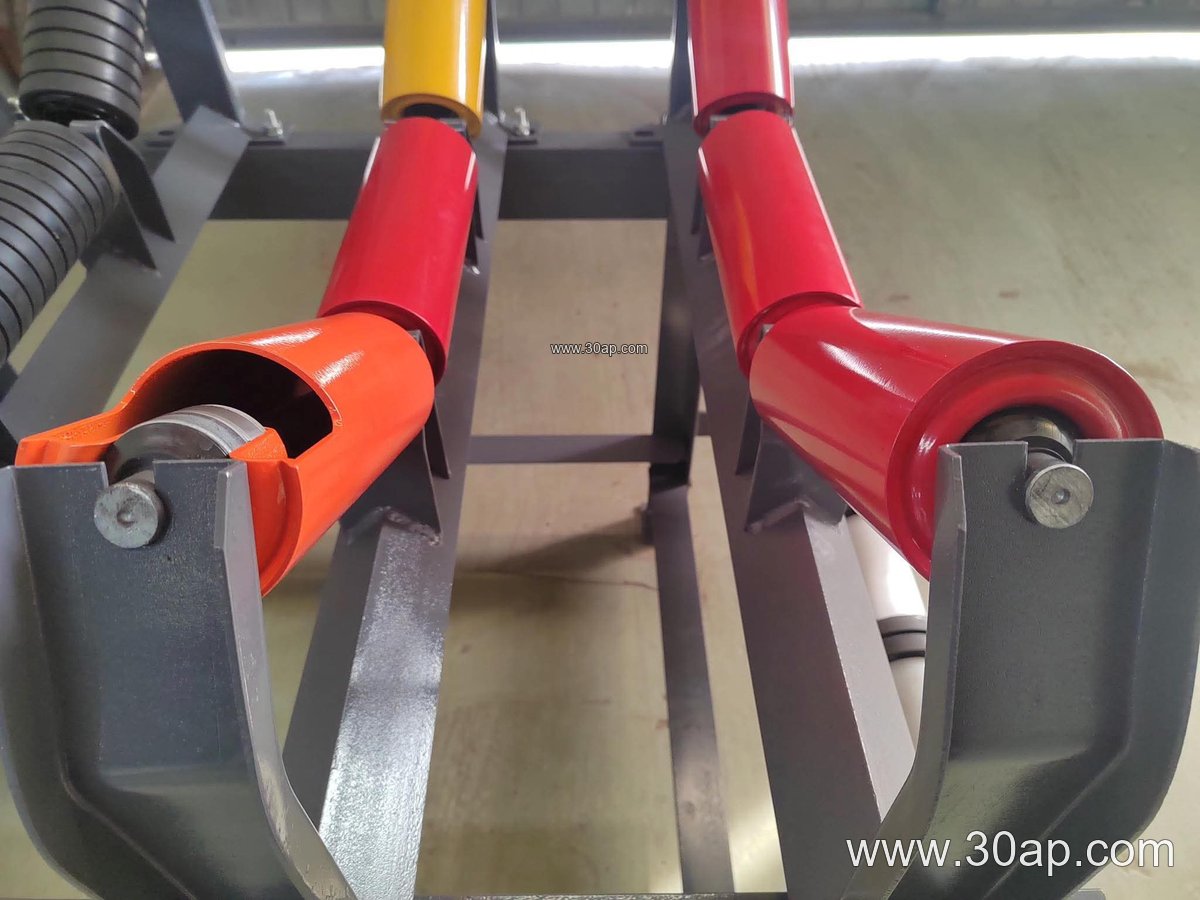
Each type is fabricated from angle steel, channel steel, or bent steel plate, and the material thickness depends on the load and belt width. A quotation should specify the material grade and finish, such as painted or galvanized, because that affects durability in dusty or wet environments like coal mining or port operations.
Key Parameters in a Bracket Quotation
When you request a conveyor bracket quotation, the supplier needs certain details to provide an accurate offer. These usually include belt width, trough angle, idler diameter, and the number of sets required. The table below shows typical reference combinations, but note that these are not fixed rules—installation hole spacing and beam length vary with design and must be confirmed by the manufacturer.
| Belt Width (B) | Common Trough Angle | Typical Idler Diameter | Bracket Type Example |
|---|---|---|---|
| B500 | 20° – 30° | Ø89 | Troughing, return |
| B650 | 30° | Ø89 – Ø108 | Troughing, impact |
| B800 | 35° | Ø108 | Troughing, transition |
| B1000 | 35° – 45° | Ø108 – Ø133 | Troughing, self-aligning |
| B1200 | 45° | Ø133 | Troughing, V-return |
| B1400 | 45° | Ø133 – Ø159 | Troughing, impact |
| B1600 | 45° | Ø159 | Troughing, transition |
For heavy-duty applications, such as a primary crusher discharge or an iron ore transfer point, brackets may need thicker steel and additional reinforcement. A quotation should clearly state the steel thickness and any gussets or braces included. Also, confirm whether the bracket is fixed or adjustable. Adjustable brackets allow you to change the trough angle on site, which can be useful when belt loading conditions vary.
Applications Across Industries
Conveyor brackets are used wherever a conveyor belt runs on idlers. In a quarry or sand and gravel plant, troughing brackets keep the belt centered under the crusher output. In a coal mining operation, flame retardant and anti-static belts are common, and the brackets must be robust enough to handle dusty, corrosive conditions. Cement plants use brackets on clinker and raw material conveyors, where heat-resistant belts may be required, and the brackets must accommodate the belt’s stiffness. Power plant coal handling systems rely on well-aligned brackets to prevent spillage and reduce maintenance.
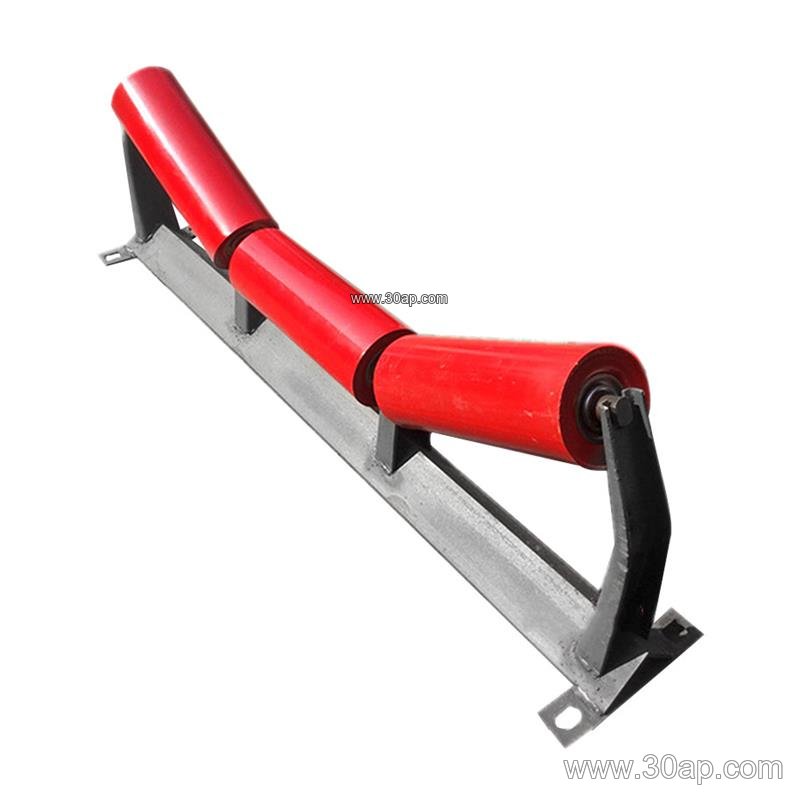
When specifying brackets for a new project, consider the belt type as well. A steel cord conveyor belt is stiffer and may require different transition lengths than an EP fabric core belt. A pipe conveyor belt needs special idler arrangements, and the brackets must be designed accordingly. Even the belt surface—whether smooth, chevron, or with corrugated sidewalls—can influence the bracket selection at loading and transition zones.
What to Check Before Approving a Quotation
Before you sign off on a conveyor bracket quotation, verify the following:
- Belt width and trough angle are correctly stated and match your conveyor design.
- Idler diameter and bracket mounting dimensions are compatible with your existing or new idlers.
- Material specification and surface treatment suit the environment (e.g., galvanized for outdoor port use, painted for indoor).
- Adjustability is clearly noted if needed, along with the range of angles.
- Quantities include spares for wear-prone positions like impact and transition areas.
- Delivery terms and packaging are clear, especially for export orders.
A well-prepared quotation reduces installation time and ensures the brackets integrate smoothly with your conveyor pulleys and idler rollers. For more information on selecting the right components for your belt system, visit www.beltconveyorparts.com. Whether you are working with a mining conveyor belt or a food grade belt, the support structure is critical to reliable operation.