What a Sand and Gravel Conveyor Idler Does
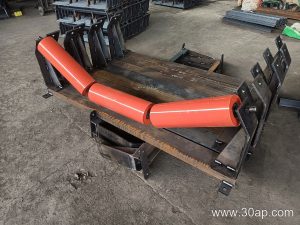
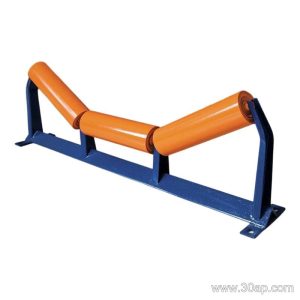
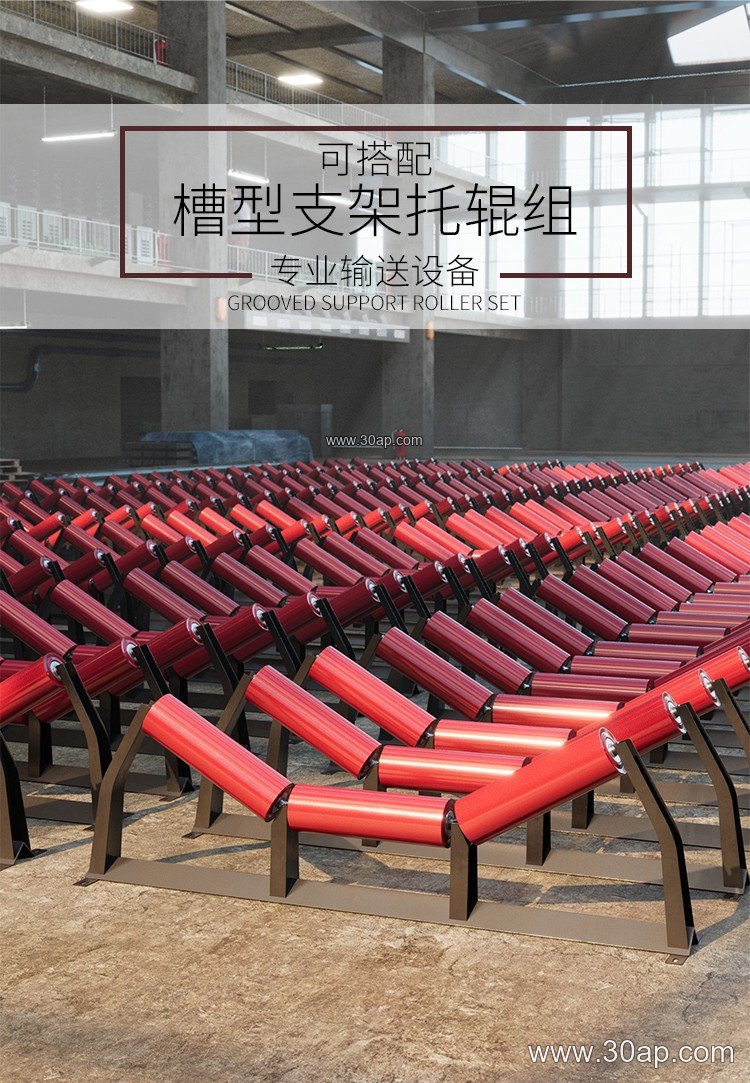
A sand and gravel conveyor idler is the rotating support that carries the belt along an aggregate handling line. In a quarry, a sand and gravel plant, or a crushing and screening circuit, the belt is the working surface, but the idlers set its profile, absorb the load, and keep the material moving. At sites such as www.yourdomain.com/idler-roller, buyers often ask for a troughing idler set first, since most of the carry side runs on three-roll assemblies.
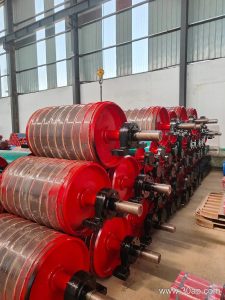
The idler is not a pulley. A conveyor pulley drives or redirects the belt at the head, tail, or bend, while an idler roller simply supports the belt between those points. Keeping this distinction clear matters when you order spares for an aggregate conveyor belt.
Construction and Common Forms
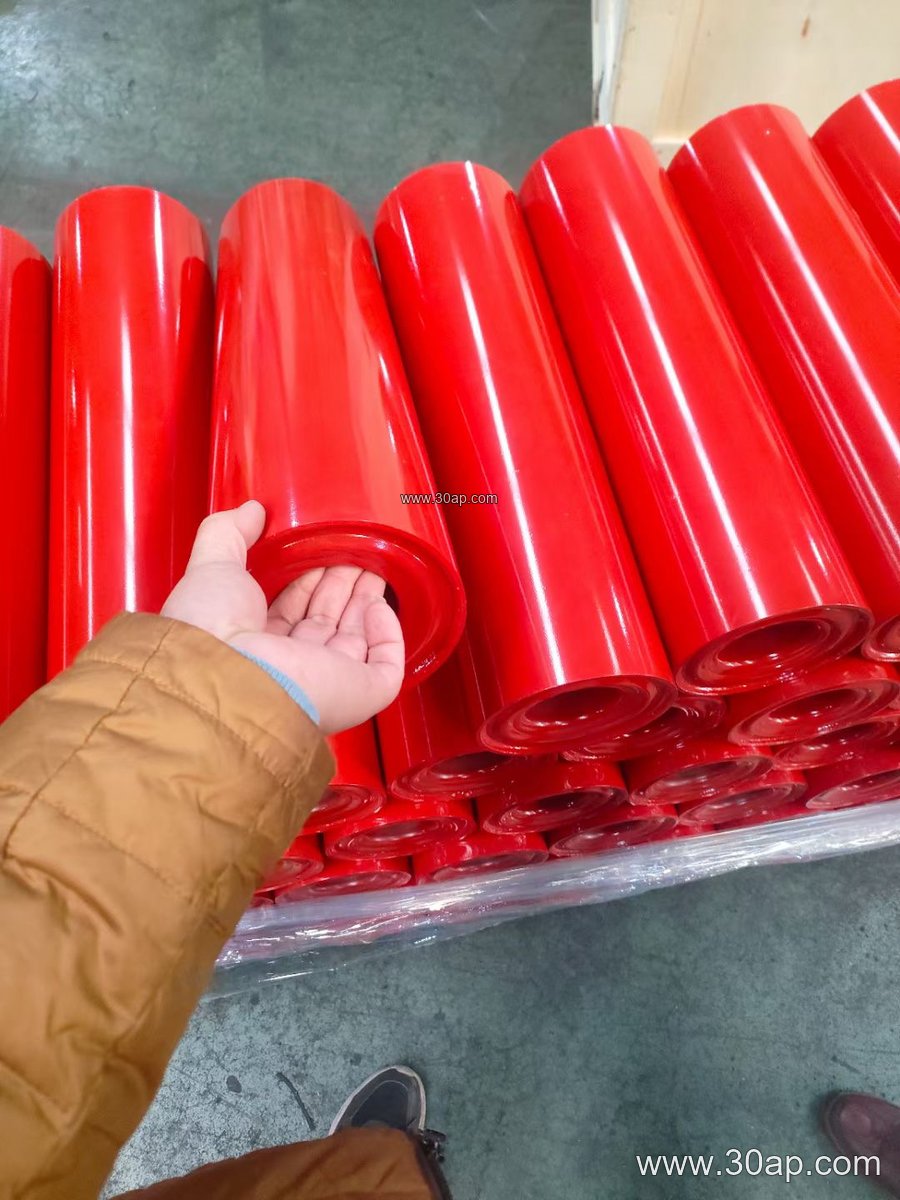
A typical sand and gravel conveyor idler has a steel tube shell, bearing housings at each end, a shaft, and a sealing arrangement to keep out dust and fine grit. Roller surfaces can be plain steel, nylon, ceramic, or rubber rings. Rubber rings are common on impact idlers under a crusher discharge, while plain steel suits general carrying runs.
Common roller diameters include Ø89, Ø108, Ø127, Ø133, Ø159, and Ø178 mm, with larger sizes used where loads are heavy. Bearings such as 6204, 6205, 6305, 6306, and 6308 appear across many designs, but a given bearing is not tied to one roller diameter. Length depends on belt width, trough angle, and roll arrangement.
Typical three-roll troughing idler reference values
| Belt width | Common roll length (example) |
|---|---|
| B500 | about 200 mm |
| B650 | about 250 mm |
| B800 | about 315 mm |
| B1000 | about 380 mm |
| B1200 | about 465 mm |
| B1400 | about 530 mm |
| B1600 | about 600 mm |
| B1800 | about 670 mm |
| B2000 | about 750 mm |
These are common examples, not a fixed pairing; side rolls and center rolls may differ, and the final length is set by design.
Where It Fits on the Conveyor
Troughing idlers with 20, 30, 35, or 45 degree trough angles form the material bed. Transition idlers ease the belt from flat to troughed near a conveyor pulley. Return idlers support the empty belt, often as a flat roll or a V-return set. Impact idlers with rubber rings sit below a crusher or screen feed point, and self-aligning idlers with a slight forward tilt of about 1.5 to 2 degrees help correct belt tracking.
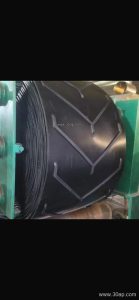
In a sand and gravel line, a heavy-duty troughing set under a primary crusher discharge may run alongside a lighter carrying set on a transfer belt. The same plant may also use a chevron conveyor belt on an incline or a corrugated sidewall conveyor belt where material must be contained. Those belt choices affect the belt surface, not the idler type, so the idler selection still follows load, speed, and belt width.
Selection Points for Buyers
- Confirm belt width and trough angle before choosing roll length; do not assume one belt width matches one roller diameter.
- Match the idler to the duty: fine sand, washed gravel, and crusher run have different impact and abrasion profiles.
- Check the sealing and bearing arrangement for dusty, wet, or wash-down conditions.
- Keep spare idler rollers and conveyor brackets consistent with the existing frame so field replacement stays simple.
For a coal yard, cement plant, or power plant coal handling line, dust and fines may call for closer inspection of seals than a clean aggregate transfer. For more on matching belt and idler hardware, see www.yourdomain.com/conveyor-belt and www.yourdomain.com/conveyor-pulley.
Maintenance Notes
Listen for a seized or squealing roll, watch for belt misalignment, and check for material buildup on return idlers. A worn idler roller can wear the belt edge and raise power demand. Replacing a failed idler early is usually simpler than repairing a damaged conveyor belt later. Keep a small stock of common troughing and return idlers for the widths in use, and record the shaft and bracket details for each frame.