Why the Conveyor Bracket Matters
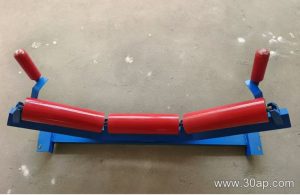
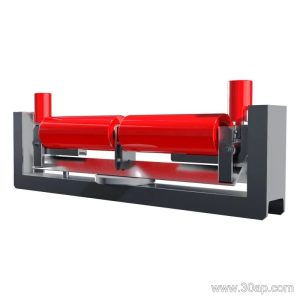
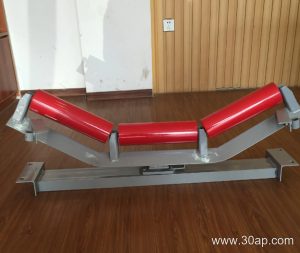
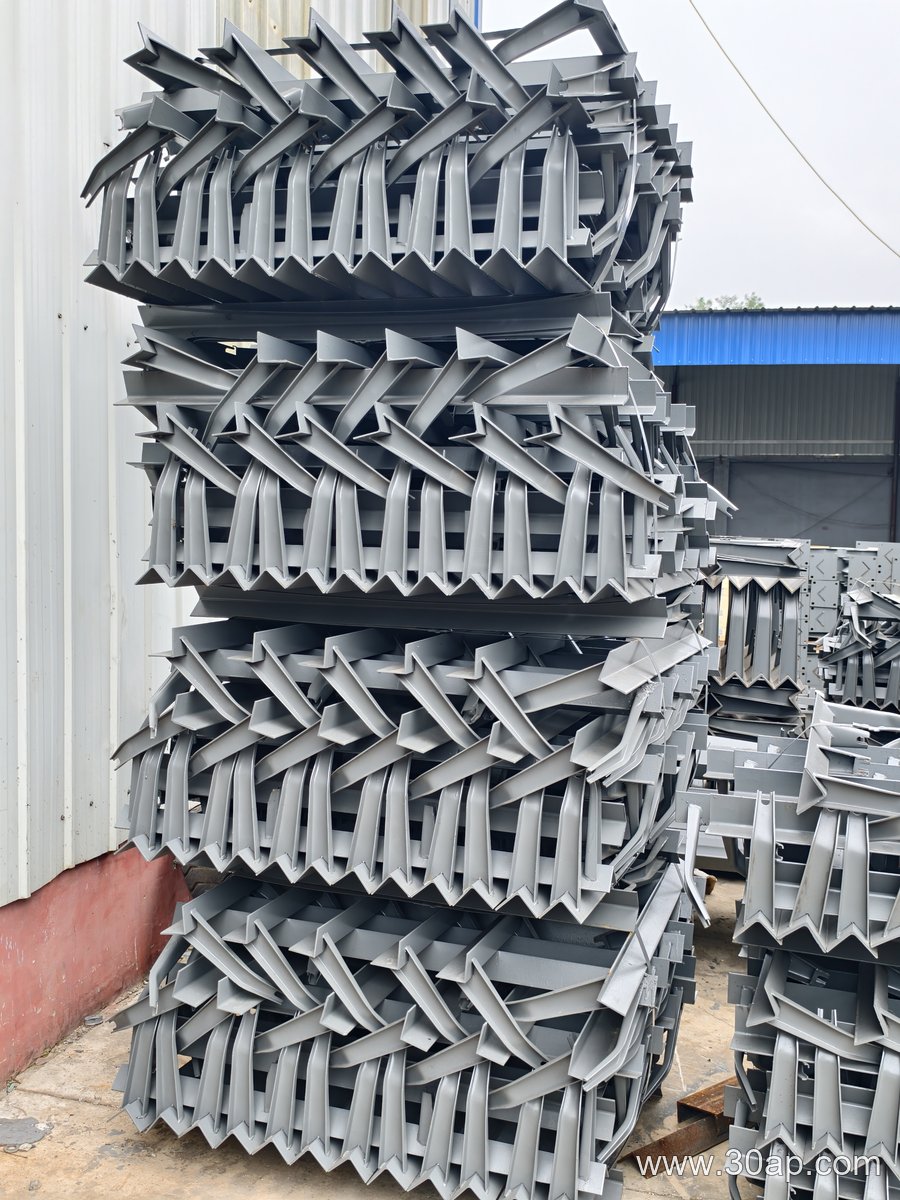
A conveyor bracket holds rollers, idlers, and frames in precise alignment. Choose the right one to cut downtime and maintenance costs.
Selection and Purchasing Advice
- Match bracket material to load and environment: galvanized steel for washdown, stainless for corrosive areas.
- Verify mounting hole spacing and shaft diameter against your conveyor frame.
- Prefer adjustable brackets for easy belt tensioning and roller replacement.
- Check load ratings and buy from suppliers offering batch traceability.
Conveyor Belt Selection and Purchasing Guide
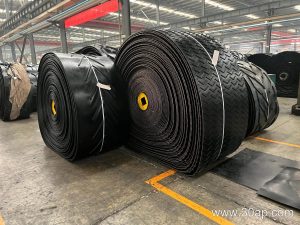
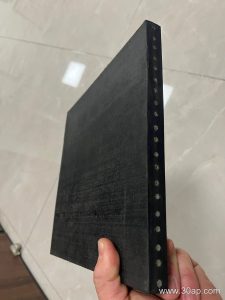
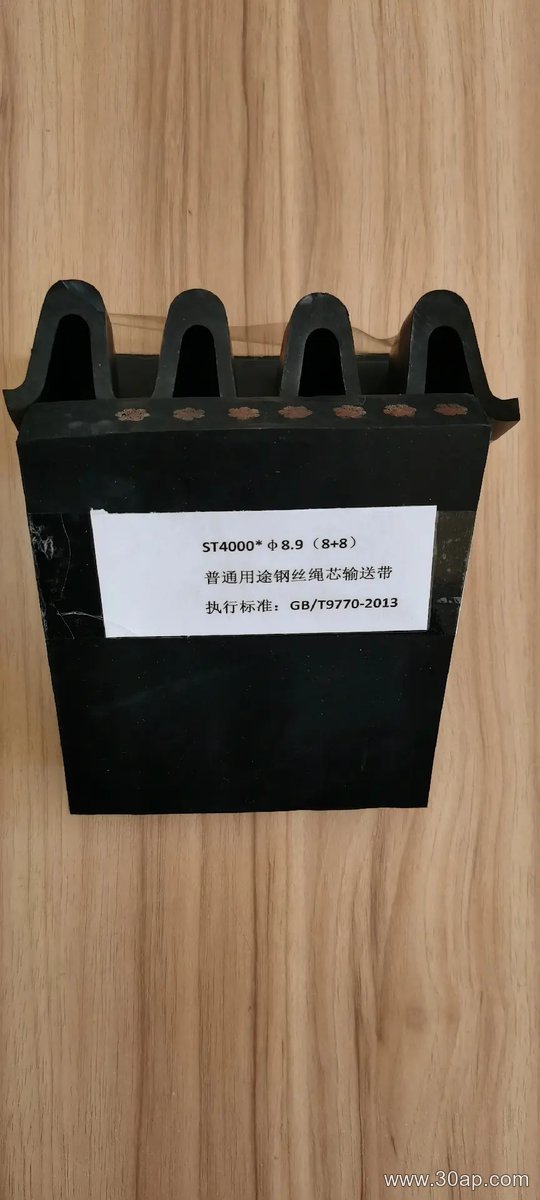
A conveyor belt moves materials efficiently, but duty, load, and environment determine the right specification.
Key Selection Factors
- Material: rubber, PVC, or steel cord
- Load and speed requirements
- Temperature, abrasion, and chemical exposure
- Belt width, pulley diameter, and splice type
Purchasing Advice
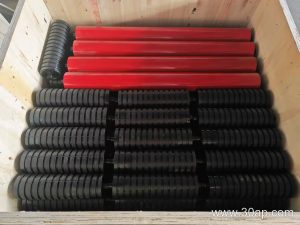
Request test reports, confirm export packaging, and compare warranty and lead time before ordering.
Idler Roller: The Core of Conveyor Efficiency
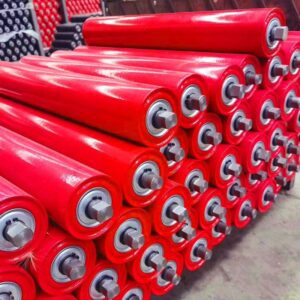
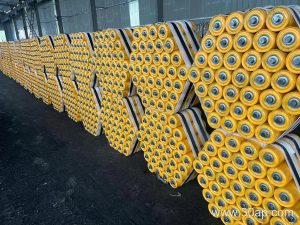
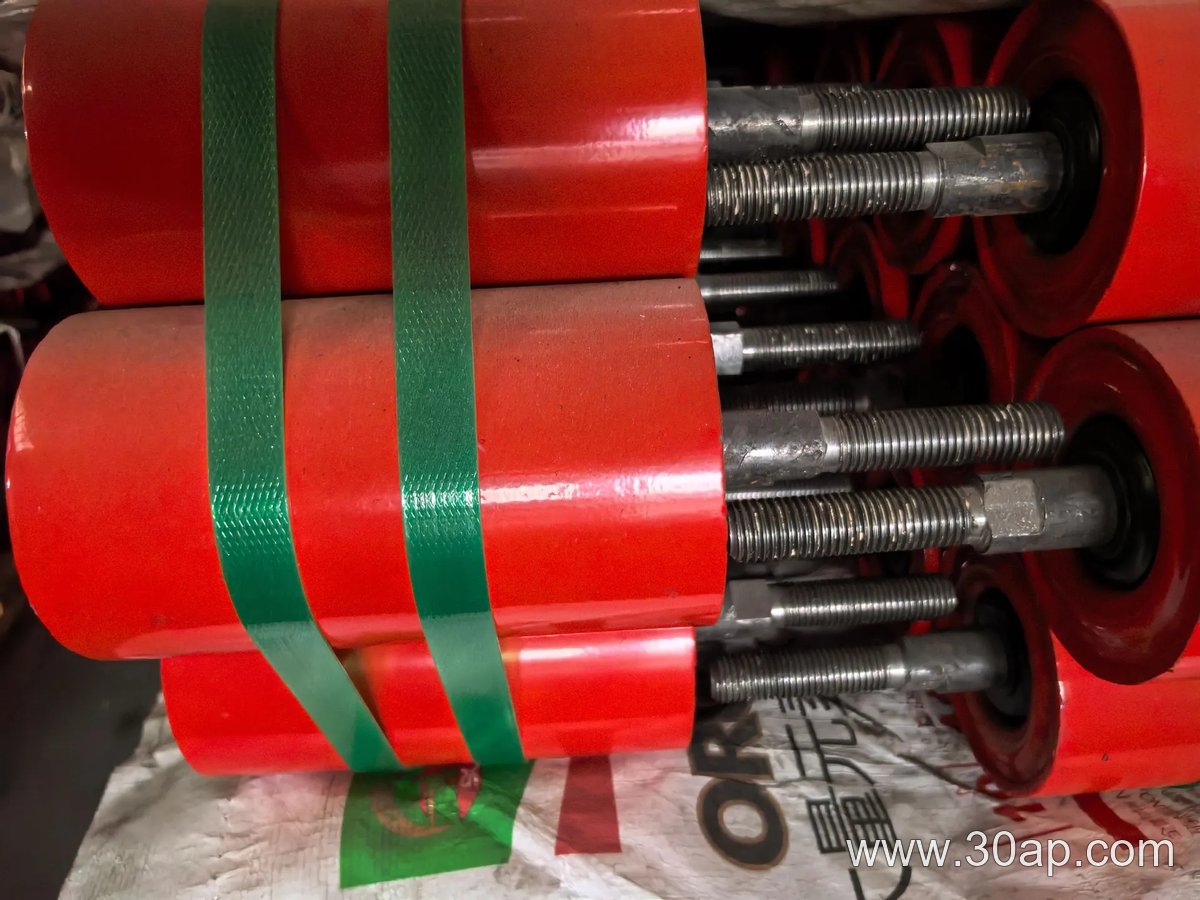
An idler roller supports the belt and reduces friction in bulk handling systems. Choosing the right one lowers downtime and energy costs.
Key Selection Factors
- Load capacity and belt width
- Bearing type: sealed vs. open
- Material: steel, stainless, or polymer
- Environmental resistance to dust and moisture
Purchasing Advice
Verify shaft tolerance, rotation smoothness, and certification. Buy from suppliers offering wear tests and spare parts. Match roller diameter to belt speed for optimal tracking.
Conveyor Pulley Essentials
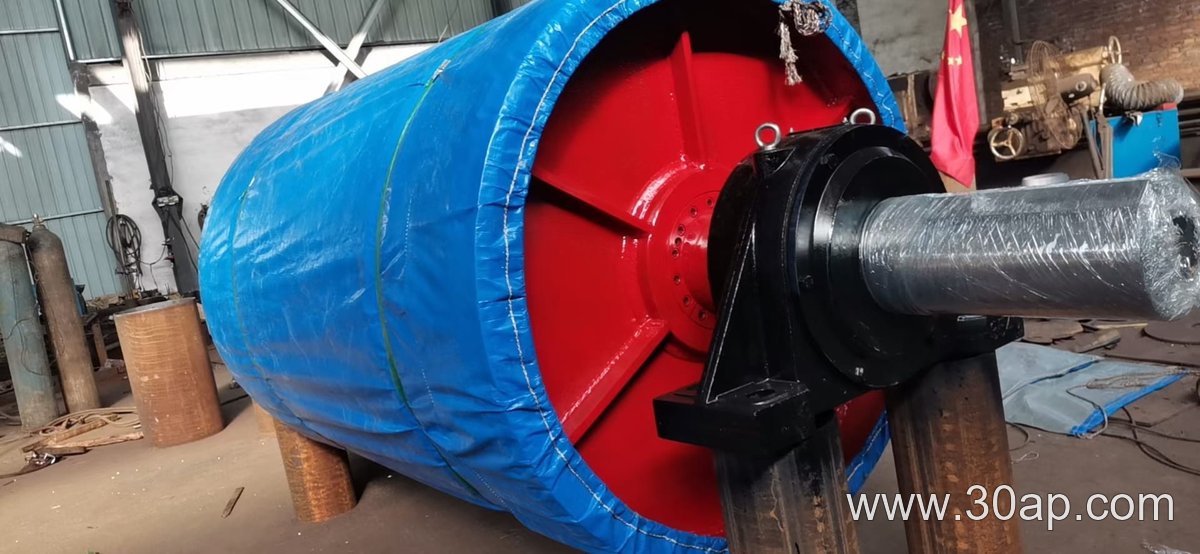
A conveyor pulley drives or redirects the belt. Choose drum, wing, or magnetic types based on load and duty.
Selection Advice
- Match pulley diameter to belt tension and speed.
- Specify lagging for grip and wear resistance.
- Confirm shaft, bearing, and hub compatibility.
Purchasing Tips
Request balancing reports, material certificates, and lead times. Compare total cost, not just price.