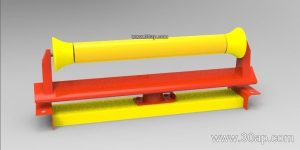
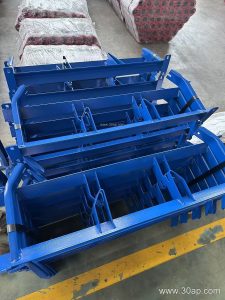
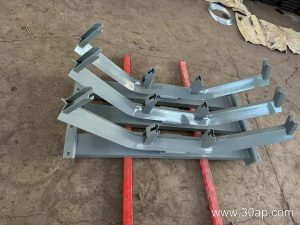
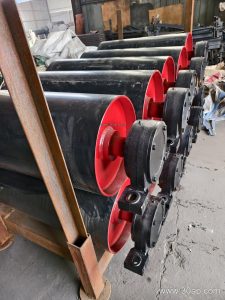
What a 6206 Bearing Idler Is
A 6206 bearing idler is a conveyor idler roller whose end shafts run in 6206 deep groove ball bearings. In plain terms, it is a standard-duty carrying or return roller built around a 30 mm bore bearing, and it is one of the most common bearing fits found on medium-width belt conveyors. The roller itself may be a troughing idler on the carrying side, a flat return roller underneath, or a training roller on a misaligned section. What defines the product is the bearing seat, not the roller’s position on the conveyor.
The 6206 is a single-row deep groove ball bearing with a 30 mm bore, 62 mm outside diameter and 16 mm width. Because it is a sealed, mass-produced bearing, it is easy to source in most industrial markets, which makes the 6206 bearing idler a practical choice for plants that want simple spare-parts management.
How the Roller Is Built
A typical 6206 bearing idler uses a steel tube shell, pressed bearing housings at each end, a through shaft or stub shafts, and a multi-stage seal. The seal arrangement usually combines a labyrinth gap, a felt or rubber lip, and grease retention inside the housing. Roller surfaces are commonly plain steel, but nylon, ceramic or rubber-ring versions exist where wear, build-up or impact is a concern.
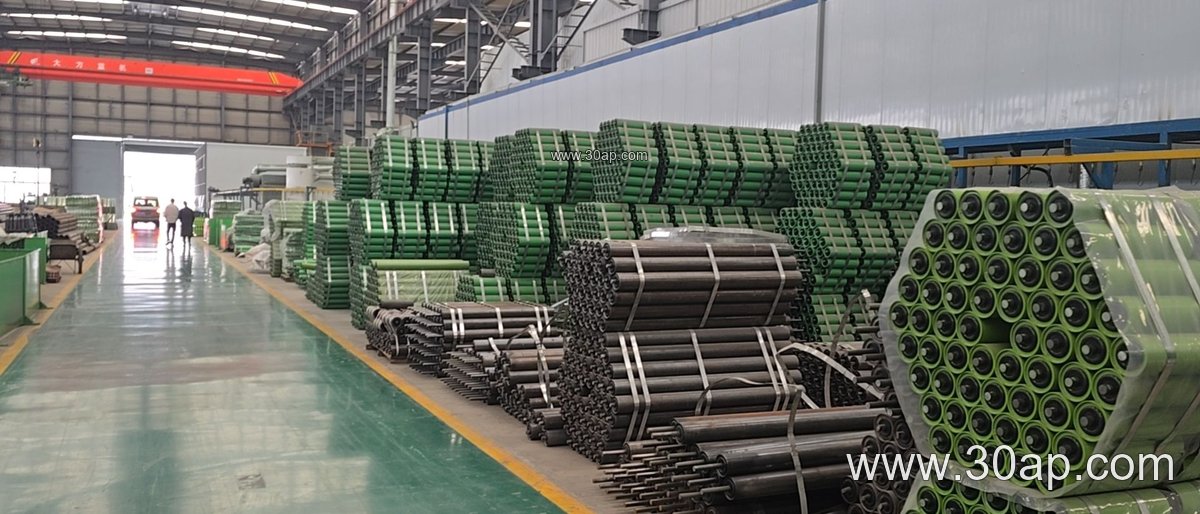
- Shell: welded steel tube, machined at the ends for bearing fit
- Bearing: 6206 deep groove ball bearing, sealed or shielded
- Shaft: through shaft or welded stub shafts, sized by the bracket and load
- Sealing: labyrinth plus contact seal, grease-filled on assembly
- Finish: painted, galvanized or coated depending on the environment
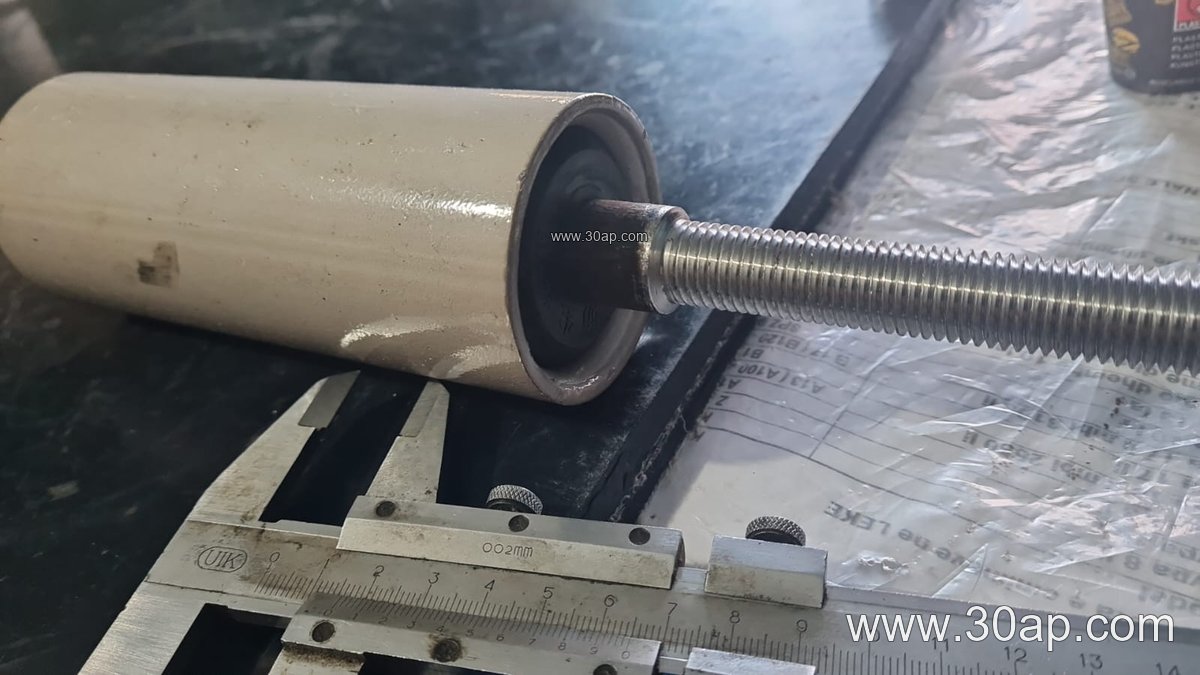
The 6206 bore is 30 mm, but that does not mean every 6206 bearing idler has a 30 mm shaft end. Shaft diameter at the bracket, bearing seat diameter and roller diameter are separate design choices, and a buyer should confirm each one against the drawing.
Where It Fits on the Conveyor
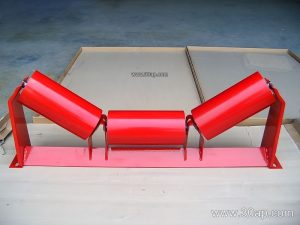
The 6206 bearing idler appears across bulk handling plants. In a quarry or sand and gravel line it may carry crushed stone on a three-roll troughing set; in a cement plant it may sit under clinker or raw meal; in a power plant coal yard it may run on the return side beneath a flame retardant conveyor belt. Coal mining conveyors, underground mining conveyors and port ship-loading lines also use this bearing class on medium belt widths.
Roller diameter matters as much as the bearing. Common idler diameters in this range include Ø89, Ø102, Ø108, Ø127 and Ø133 mm, and the 6206 bearing is often matched to rollers in the middle of that list. Belt widths from B650 to B1400 are typical, though the final choice depends on belt speed, load and trough angle.
Dimensions and Common Configurations
The table below shows reference data, not a fixed catalogue. Actual roller length and shaft details are set by the conveyor design.
| Item | Common Reference |
|---|---|
| Bearing | 6206 (30 mm bore, 62 mm OD, 16 mm width) |
| Roller diameter | Ø89, Ø102, Ø108, Ø127, Ø133 mm |
| Belt width | B650, B800, B1000, B1200, B1400 |
| Trough angle | 20°, 30°, 35°, 45° |
| Roller length (three-roll trough, example) | B650 about 250 mm, B800 about 315 mm, B1000 about 380 mm, B1200 about 465 mm |
| Roller surface | Steel, nylon, ceramic, rubber ring |
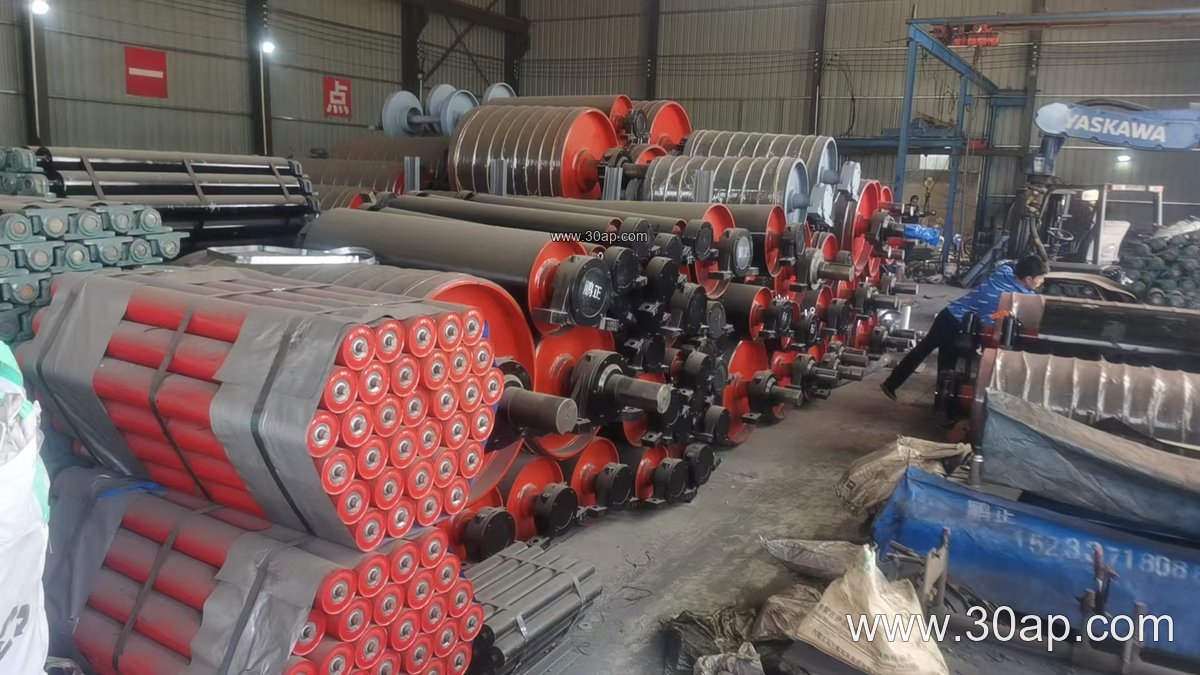
Side rollers and centre rollers usually differ in length, and the figures above are examples for a three-roll troughing set, not a rule for every conveyor. A 6206 bearing idler can also be supplied as a flat return roller, a V-return roller or a spiral roller, each with its own shell form.
Selection Points for Buyers
Start with the belt width and the troughing configuration, then confirm the roller diameter, shaft end size and bracket fit. Ask whether the roller will run in a dusty, wet or high-temperature area, because seal quality and grease choice change with the environment. For abrasive duties such as iron ore or copper ore, a rubber-ring or ceramic-covered roller may last longer than a plain steel shell. For sticky material, a spiral or self-cleaning roller can reduce build-up.
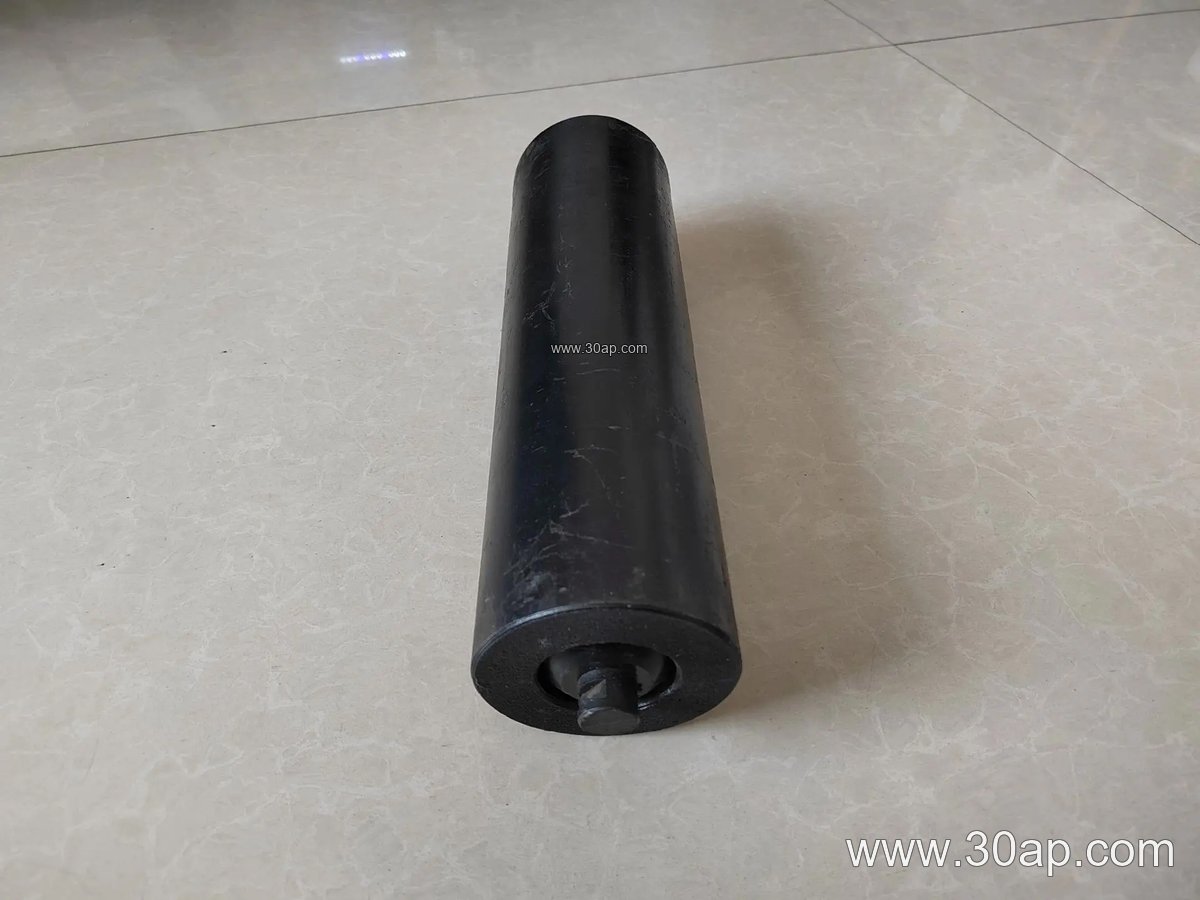
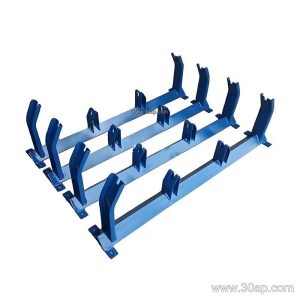
Match the idler to the belt it supports. A heavy-duty mining conveyor belt carrying ore at high tonnage puts more load on each roller than a light aggregate conveyor belt, and the bearing life reflects that difference. Buyers should also check that the roller is compatible with the conveyor bracket and that the shaft locking method suits the frame.
Maintenance and Replacement
Listen for squealing or rumbling, check for a hot shell after shutdown, and watch for belt wander that points to a seized roller. A failed 6206 bearing usually shows up as play at the shaft end or grease leakage past the seal. Replace the whole roller rather than pressing in a new bearing on site unless the shell and shaft are still within tolerance. Keep a small stock of the most-used roller sizes so a single seized idler does not stop a transfer line.
For more conveyor components, including idler roller, conveyor pulley and conveyor bracket options, review the drawings and confirm the bearing, diameter and length before ordering.