What a Tail Pulley Does
A tail pulley is the drum at the return end of a conveyor, where the belt turns back after discharging its load. In many systems it also serves as the tensioning point, and that dual role makes it one of the more important conveyor pulleys to specify correctly. It is not the same as a drive pulley, which transmits power, or a bend pulley, which only redirects the belt. A tail pulley keeps the belt tracking, supports the return side, and helps hold belt tension steady during operation.
Because it sits at the loading end on many conveyors, the tail pulley often works in a dusty, abrasive environment. In a limestone mine, a coal washing plant, or a power plant coal yard, fine material can migrate onto the drum face and affect tracking. A well-built tail pulley with the right lagging and a suitable shaft size reduces that risk.
Construction and Main Parts
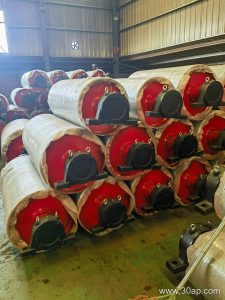
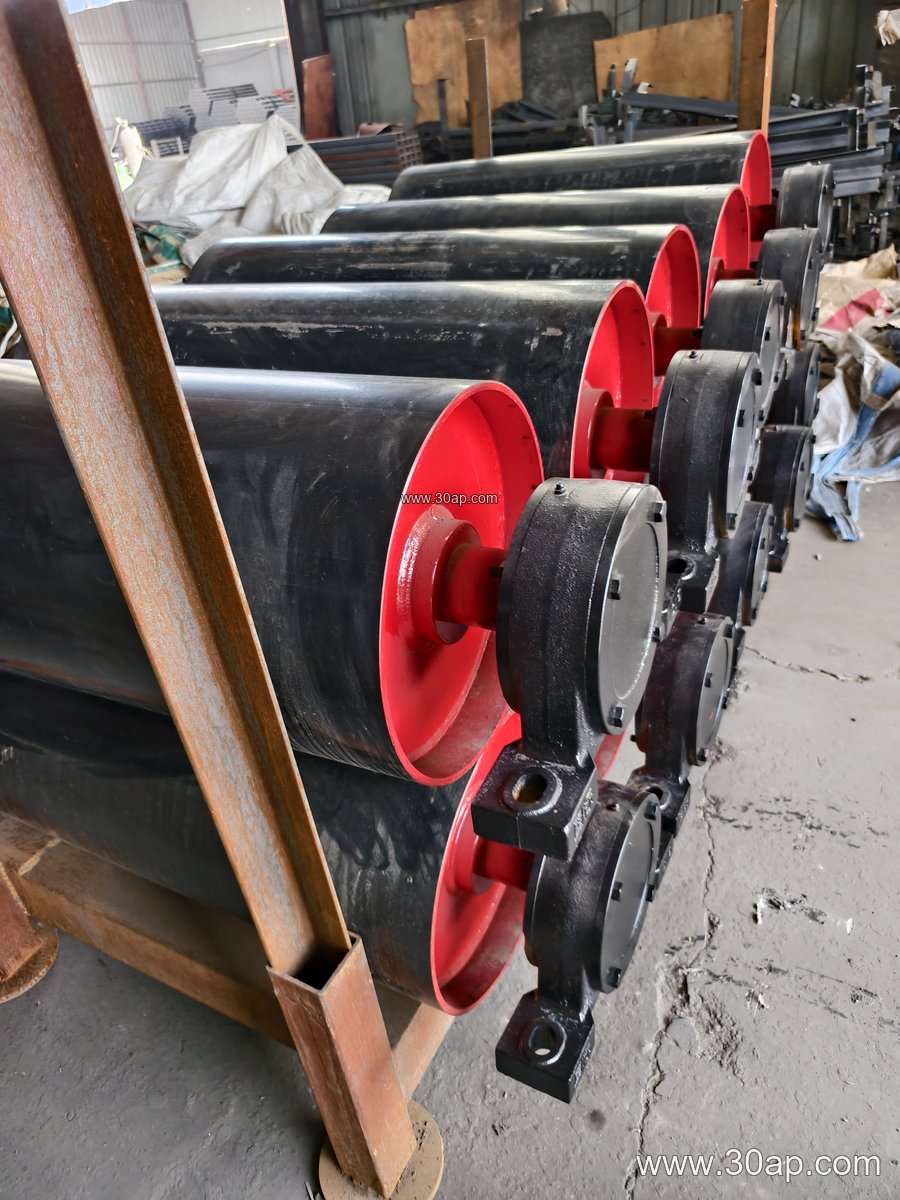
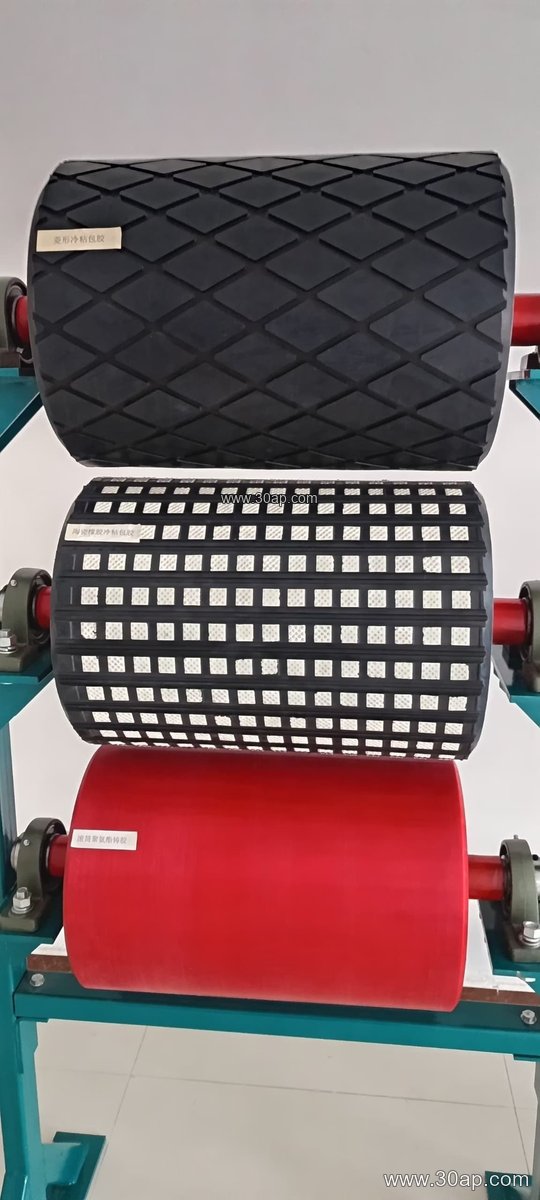
The typical tail pulley is built around a steel shell, welded to end discs and a hub, then machined and balanced. The shell is mounted on a shaft carried by two bearing housings, which sit in a frame or in a tensioning arrangement such as a screw take-up or a gravity take-up. Surface finish matters: a plain face is common in light duty, while rubber lagging or ceramic lagging helps grip and shed material in wet or dirty conditions. Lagging thickness is often 8, 10, 12, 15 or 20 mm depending on the application.
Typical combinations are usually described by belt width and drum diameter, for example B800 x Ø500 or B1200 x Ø1000. These are reference combinations, not fixed rules. Shaft diameter depends on torque and load, and common shaft sizes run from Ø50 up to Ø200; it should never be guessed from belt width alone.
Where It Fits in the Plant
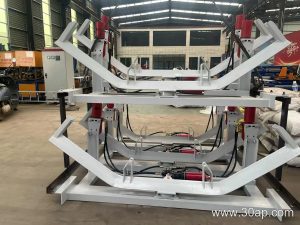
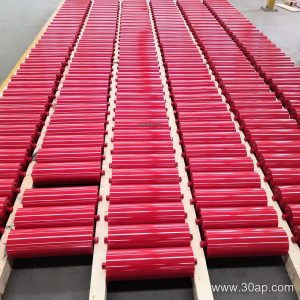
You will find tail pulleys on nearly every belt conveyor, from a short crusher feed belt in a quarry to a long overland conveyor at a copper mine or port bulk terminal. In a sand and aggregate line, the tail pulley is often paired with an idler roller set and a conveyor bracket that allows take-up adjustment. In a cement plant clinker line or a steel plant sinter line, heat and abrasion may call for careful selection of lagging and bearing protection.
On a coal mining conveyor, a flame retardant conveyor belt is common, and the tail pulley should be matched to the belt’s tension requirements and the plant’s dust conditions. In a fertilizer or grain silo installation, a food grade conveyor belt may be used, and a smooth, cleanable drum face is often preferred.
Selection Points for Buyers
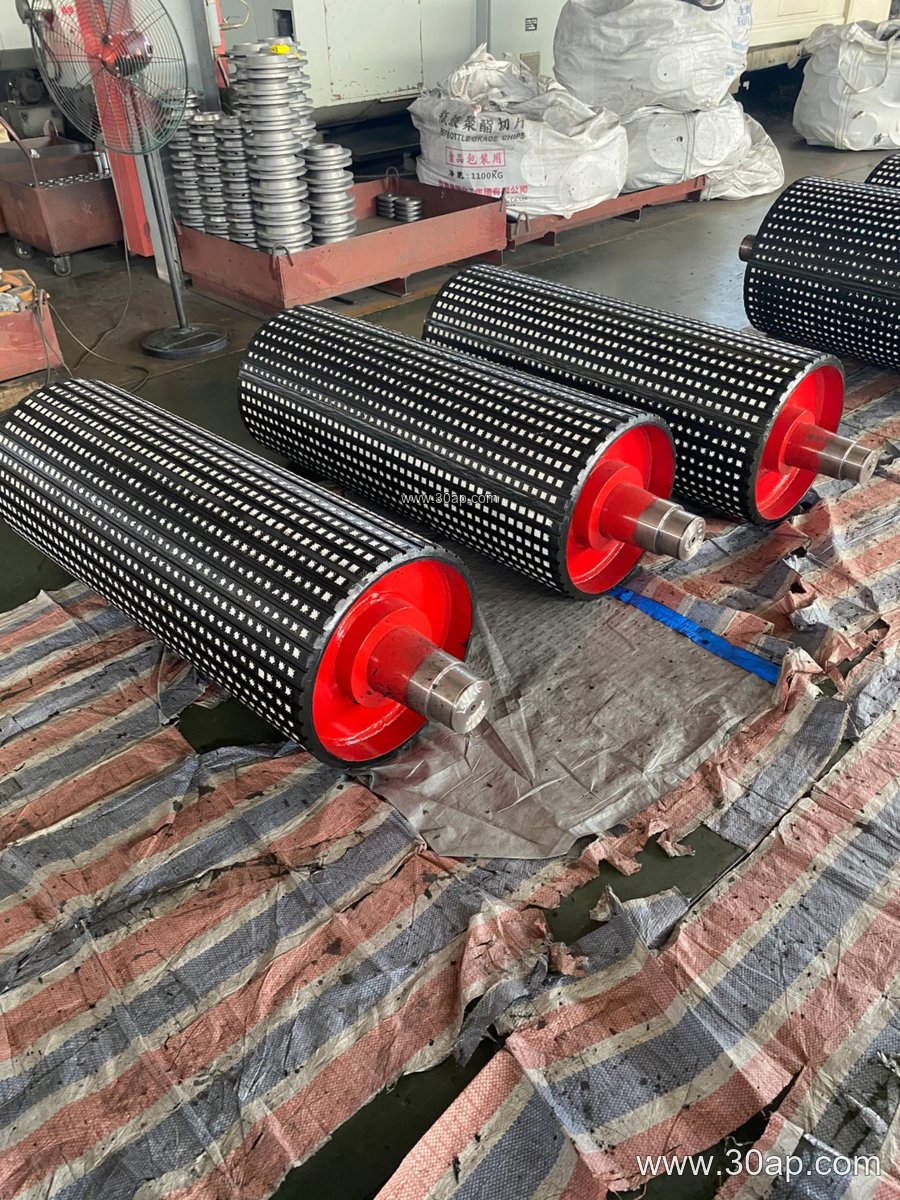
Before ordering, confirm the belt width, the required drum diameter, the shaft size and the take-up type. Check whether the pulley is fixed or sliding, and whether lagging is needed for grip or wear protection. A tail pulley on a heavy-duty mining conveyor may need a larger shaft and thicker lagging than one on a light bulk material conveyor.
- Belt width and pulley face width should be checked together; the face is usually wider than the belt.
- Confirm bearing type, housing position and lubrication method.
- State the environment: wet, dusty, hot or corrosive.
- Ask for the balancing standard and runout tolerance.
Maintenance and Belt Interaction
Inspect the tail pulley for material buildup, lagging wear and bearing play. Misalignment at the tail end often shows up as belt edge wear or wandering. Keep the return side clean and check that the conveyor belt runs centered on the drum. When replacing lagging, match the surface form to the duty; diamond or herringbone patterns can help with water shedding, while plain rubber suits cleaner conditions.
For more information on matching pulleys, belts and rollers, visit our site at www.example.com/tail-pulley or review our conveyor pulley and idler roller ranges.