What a Belt Conveyor Idler Frame Does
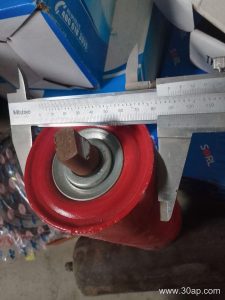
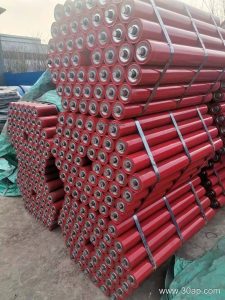
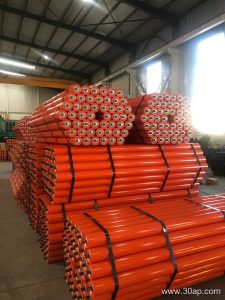
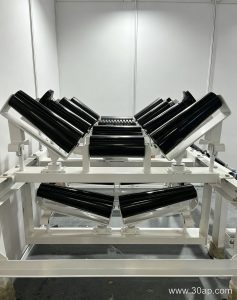
A Belt Conveyor Idler Frame is the steel structure that holds the idler roller in place and keeps the conveyor belt running in the shape the system was designed for. It sits between the conveyor stringers and the rollers, and it carries the load that passes from the belt through the rollers into the frame. In a quarry or a cement plant, a weak or poorly aligned frame shows up quickly as belt wander, edge damage, and spillage. The same part is often called a conveyor idler bracket, conveyor frame, or roller support frame, and those are accurate names for the same item.
This article looks at how the frame is built, where it is used, and what a buyer should check before ordering. If you need the matching belt and roller, you can browse rubber conveyor belt and idler roller options on ppfconveyor.com alongside the frames.
Construction and Common Materials
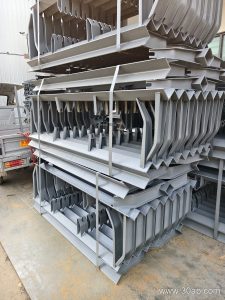
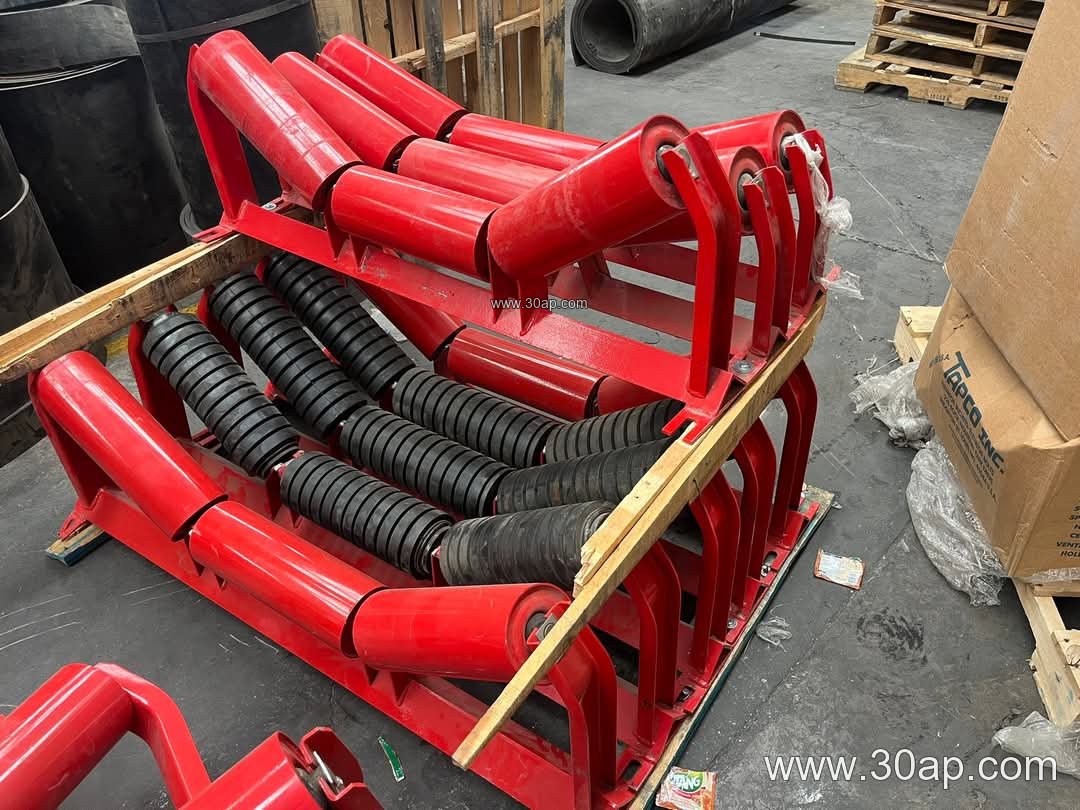
Most frames are made from angle steel, channel steel, or folded steel plate. The cross beam spans the conveyor width, and the end brackets are drilled to accept the roller shafts. A troughing frame usually carries three rollers at a fixed trough angle, while a return frame supports the belt on the return run.
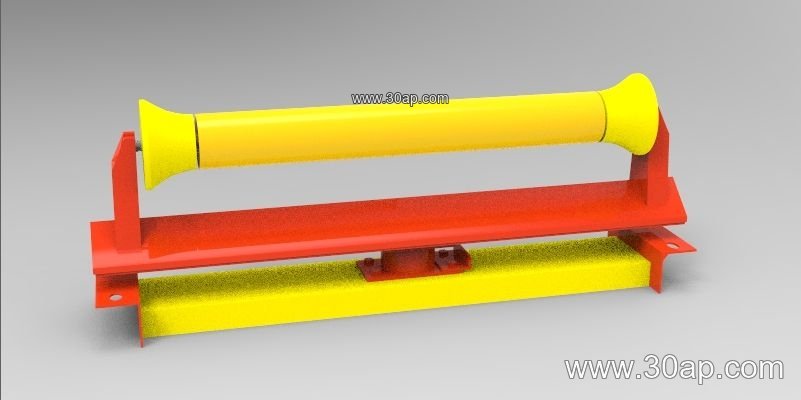
- Angle steel frames: light to medium duty, common on aggregate and sand lines.
- Channel steel frames: stiffer cross section, used where impact and load are heavier.
- Folded plate frames: cleaner profile, often seen on modern conveyor modules.
Welding quality, hole spacing, and squareness matter more than the steel grade alone. A frame that is out of square will pull the rollers offline and shorten belt life no matter how good the conveyor belt is.
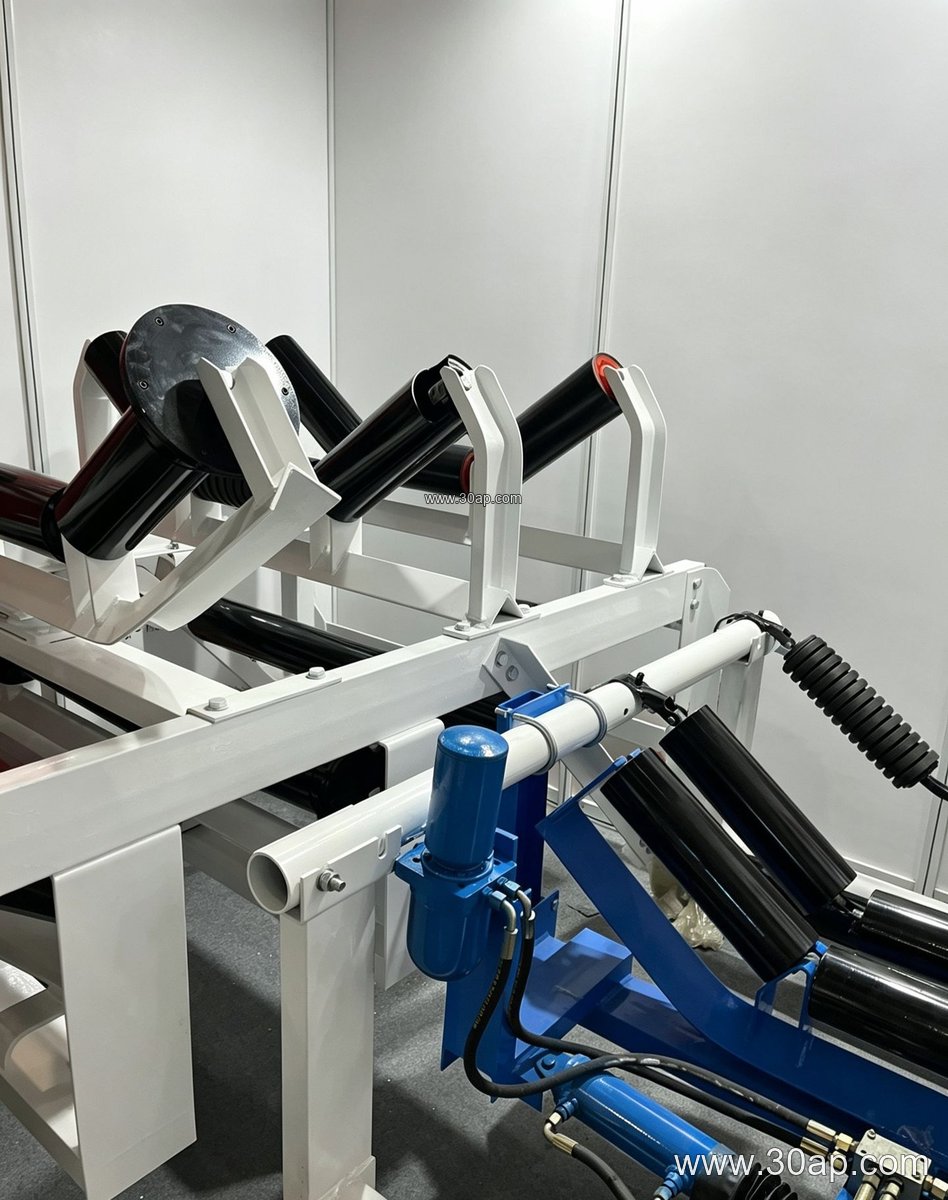
Frame Types and Where They Sit
The frame family is wider than many buyers expect. On the carrying side you will find troughing frames, transition frames near the pulleys, impact frames under the loading point, and self-aligning frames that correct belt drift. On the return side there are flat return frames, V-return frames, and spiral return frames. Hanging frames and adjustable frames appear where the conveyor profile or the trough angle needs to change. A bend pulley or tail pulley is a different component and never replaces the frame that supports the rollers.
Typical reference combinations include B800, 35 degree, Ø108 and B1200, 45 degree, Ø133. These are examples only; hole pitch and beam length are determined by the actual belt width, trough angle, and roller diameter in each design.
Reference Dimensions
The table below lists common reference values. They are not mandatory pairings, and a single belt width can accept several trough angles and roller diameters.
| Item | Common Reference Values |
|---|---|
| Belt width | B500, B650, B800, B1000, B1200, B1400, B1600, B1800, B2000 |
| Trough angle | 20, 30, 35, 45 degrees (adjustable frames cover a range) |
| Roller diameter | Ø89, Ø108, Ø133, Ø159, Ø194 |
| Forward tilt | about 1.5 to 2 degrees on tilting frames |
| Material | angle steel, channel steel, folded plate |
Applications Across Bulk Handling
In a coal washing plant, flame retardant and anti-static belts run on frames that must stay aligned through constant dust. In a power plant coal yard, wide frames support heavy loads under a steel cord conveyor belt. In an iron ore terminal, impact frames take the shock at the transfer point before an abrasion resistant conveyor belt carries the load uphill. Sand and gravel lines, fertilizer plants, and grain silos all use the same basic frame logic with different duty levels.
For stone crushing circuits, a crusher conveyor belt and a reinforced frame work as a pair; the frame must absorb impact that the belt alone cannot. In port ship loading, long spans and wide belts make frame rigidity and roller alignment critical.
Buyer Checklist
- Confirm belt width, trough angle, and roller diameter together, not one at a time.
- Check mounting hole spacing against the actual roller shaft and bracket.
- Ask for the frame material and finish, especially for wet or corrosive sites.
- Match frame duty to the belt: a heavy-duty conveyor belt needs a frame that can carry the extra tension and load.
- For underground coal mining, confirm flame retardant requirements for the whole assembly, including the belt.
Whether the plant runs a heat resistant conveyor belt in a sinter line or a chevron conveyor belt on an incline, the frame is the quiet part that decides how long everything above it lasts. Order frames with the belt and rollers as one system, and the conveyor will reward you with fewer stoppages.