What a Conveyor Support Bracket Does
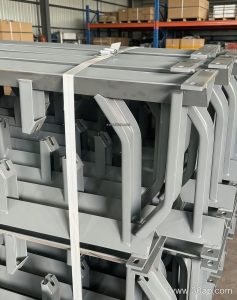
A conveyor support bracket is the steel component that holds the idler roller in place and keeps the conveyor belt at the right profile along the carrying and return runs. It connects the roller shaft to the conveyor frame, so its geometry directly affects belt tracking, load distribution and the service life of the rollers. In a typical transfer line at a quarry, a cement plant or a power plant coal yard, hundreds of these brackets work together, and a poorly matched bracket shows up quickly as belt misalignment or premature roller failure.
Although it is a simple part, the bracket is not a universal item. Bandwidth, trough angle and roller diameter all influence the mounting hole spacing and crossbeam length, so each bracket is normally made to suit the conveyor design rather than picked from a single stock size.
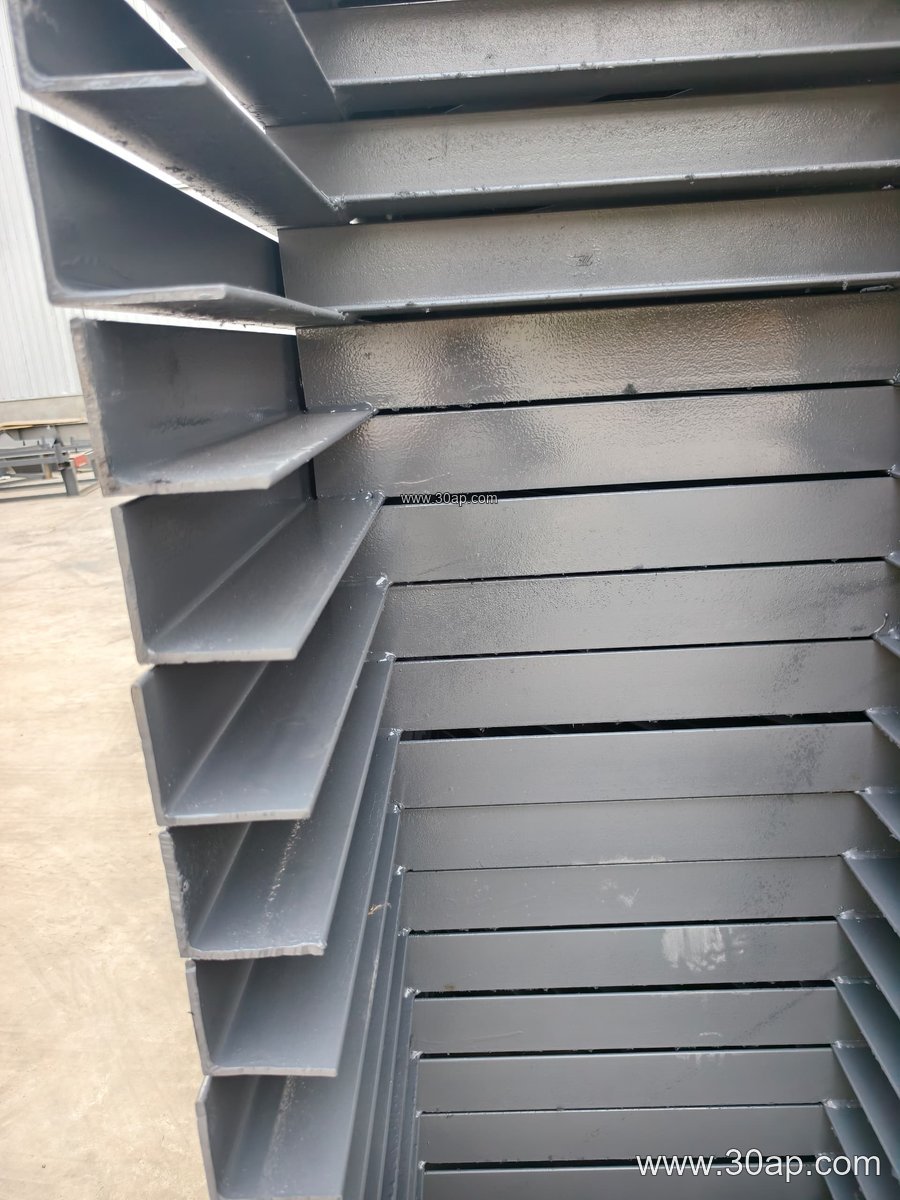
How the Bracket Is Built
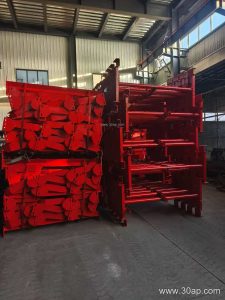
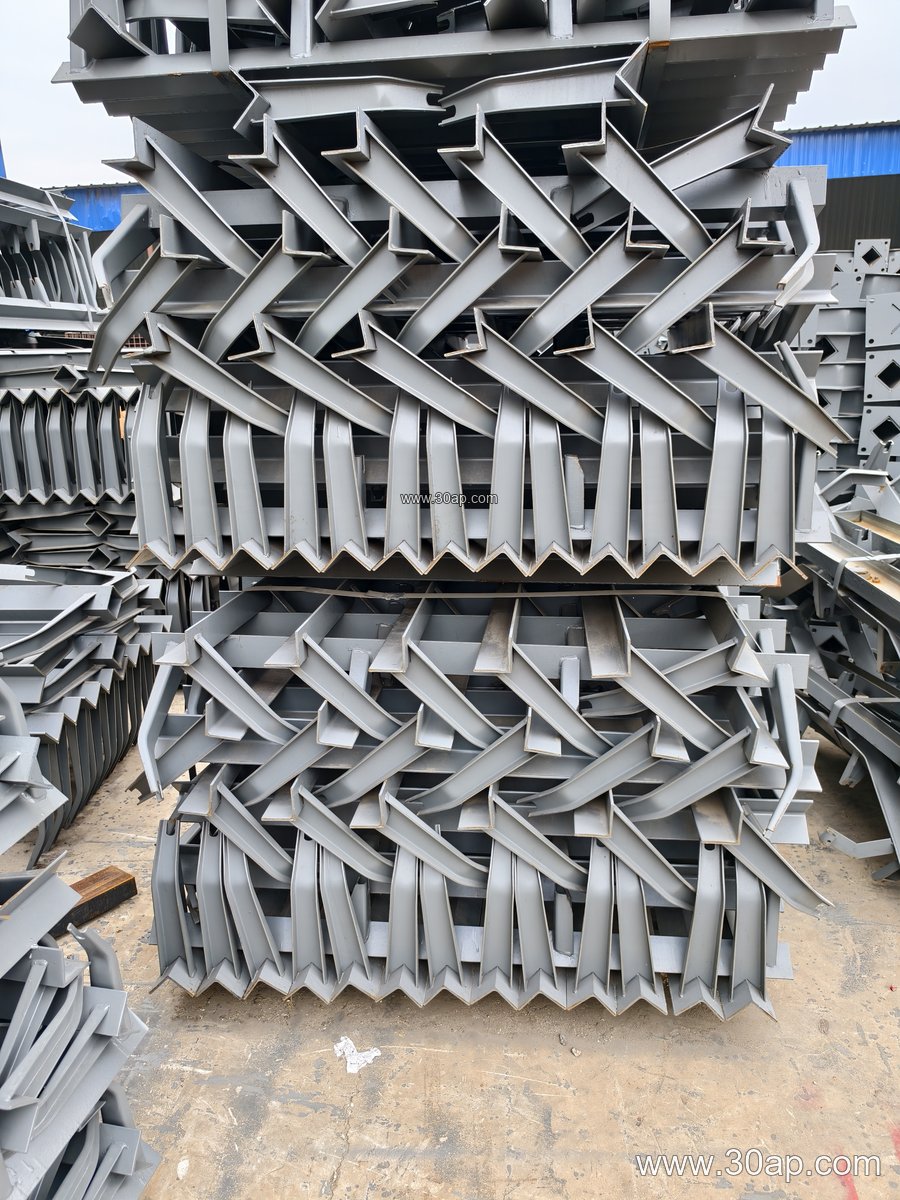
Most conveyor support brackets are fabricated from angle steel, channel steel or folded steel plate. The frame is cut, punched and welded, then finished with painting or galvanizing depending on the environment. A bracket used in a wet washing plant needs better corrosion protection than one installed in a dry crushing circuit.
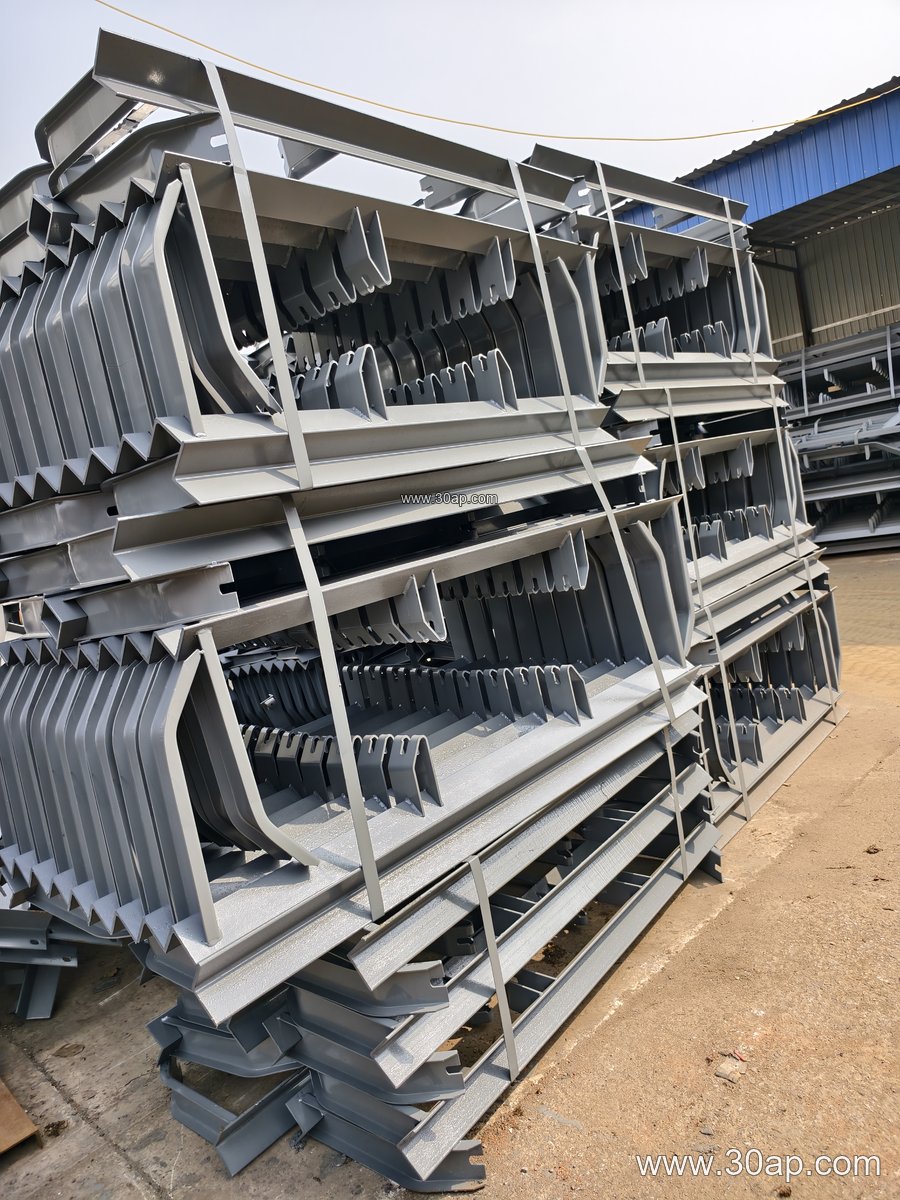
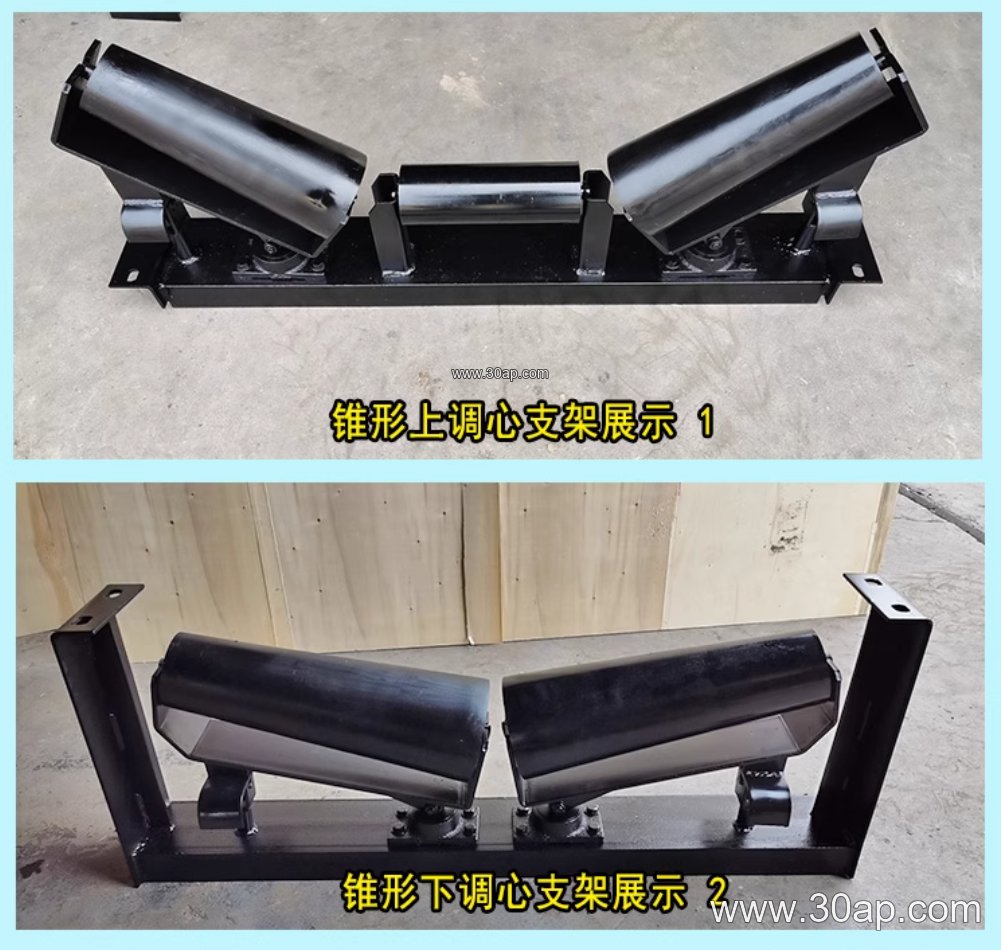
The carrying side usually uses a troughed bracket that sets the side rollers at an angle, while the return side uses a flat or V-shaped bracket. Adjustable brackets allow the trough angle to be changed on site, which is useful during commissioning or when a belt needs fine tuning.
Common types
- Troughed carrying bracket, including upper trough brackets
- Transition bracket near pulleys and chutes
- Return bracket, flat or V-type
- Impact bracket under loading points
- Self-aligning and forward-leaning brackets for tracking control
- Suspended and adjustable brackets
Matching Bracket, Belt and Roller
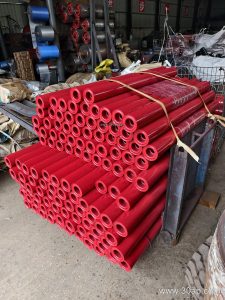
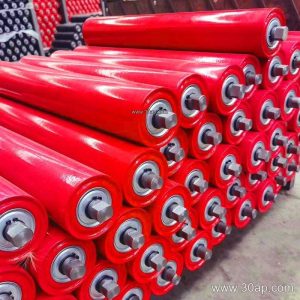
The bracket must suit the belt width and the roller diameter it carries. Common belt widths include B500, B650, B800, B1000, B1200, B1400, B1600 and B1800, and common roller diameters are Ø89, Ø108, Ø133, Ø159 and Ø194. Trough angles of 20, 30, 35 and 45 degrees are widely used, and forward-leaning brackets are often set at about 1.5 to 2 degrees.
These values are reference points, not fixed pairings. A B800 belt may run with a 30 degree or 35 degree trough depending on material angle of repose and capacity, and the roller diameter follows the load and speed rather than the belt width alone. The table below shows typical combinations only as examples.
| Belt width | Trough angle | Roller diameter | Typical use |
|---|---|---|---|
| B650 | 30° | Ø89 | Light aggregate lines |
| B800 | 35° | Ø108 | Sand and gravel conveying |
| B1000 | 35° | Ø133 | Cement and coal handling |
| B1200 | 45° | Ø133 | High capacity ore transport |
| B1400 | 45° | Ø159 | Heavy-duty mining duty |
| B1600 | 35° | Ø159 | Port and stockyard lines |
Installation hole spacing and crossbeam length change with bandwidth and trough angle, so buyers should provide the conveyor drawing or confirm dimensions before ordering.
Where These Brackets Are Used
In a limestone quarry or a crushing and screening line, troughed brackets carry the belt through long inclined sections, while impact brackets sit under the crusher discharge. In a coal washing plant or power station coal yard, flame retardant and anti-static belt grades are common, and the brackets must resist dust and moisture. Similar arrangements appear in iron ore handling, sintering plants, fertilizer granulation, grain silos and tunnel muck removal.
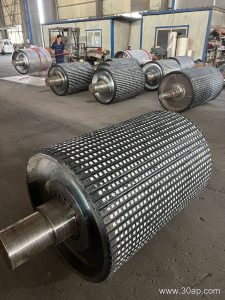
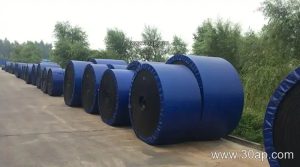
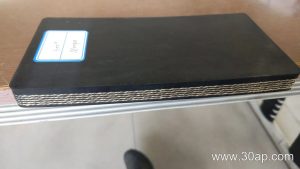
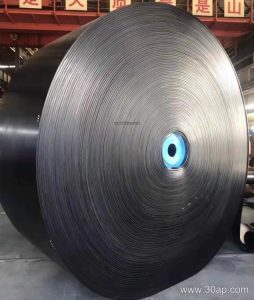
The bracket works as part of a system with the conveyor belt, idler roller and conveyor pulley. A misaligned bracket can wear the edge of a rubber conveyor belt or an EP conveyor belt long before the belt itself reaches the end of its life.
What Buyers Should Check
- Belt width, trough angle and roller diameter confirmed against the frame drawing
- Material and finish suited to the site, such as galvanized parts for wet or coastal areas
- Bracket type matched to position: carrying, return, transition or impact
- Adjustability needed for tracking and commissioning
- Compatibility with the existing roller shaft and mounting holes
For heavy-duty mining conveyor belt systems using steel cord conveyor belt or thick abrasion resistant conveyor belt, heavier bracket sections are usually required. In food or chemical plants, stainless or coated brackets may be preferred. A short specification sheet with belt width, angle, roller diameter and drawing reference is the fastest way to get the right conveyor support bracket.