What an Idler Seal Actually Does
In a coal handling plant or a limestone quarry, the conveyor belt moves thousands of tonnes a day, and every metre of it rides on idler rollers. The idler seal is the small component that keeps those rollers turning smoothly. Its job is simple but critical: keep dust, water, and fine grit out of the bearing cavity while holding lubricant in. When a seal fails, the bearing follows quickly, and a seized roller can damage the belt, spark fires in coal mining conveyor systems, or bring a whole transfer point to a halt.
The idler seal is not a single universal part. It is a sealing system built around the roller shaft and bearing housing, usually combining a labyrinth path, a lip seal, and sometimes a protective cap. The exact construction varies by manufacturer and application, but the goal is always the same: protect the bearing without adding excessive drag.
How the Seal Is Built
Most idler seals use a multi-stage labyrinth design. A rotating metal or plastic ring interlocks with a stationary ring, creating a tortuous path that particles cannot easily follow. Behind that labyrinth sits a rubber or polyurethane lip seal that wipes the shaft and retains grease. Some designs add a felt or foam filter, and heavy-duty rollers for iron ore or copper ore operations may use a double-lip seal with an additional dust excluder.
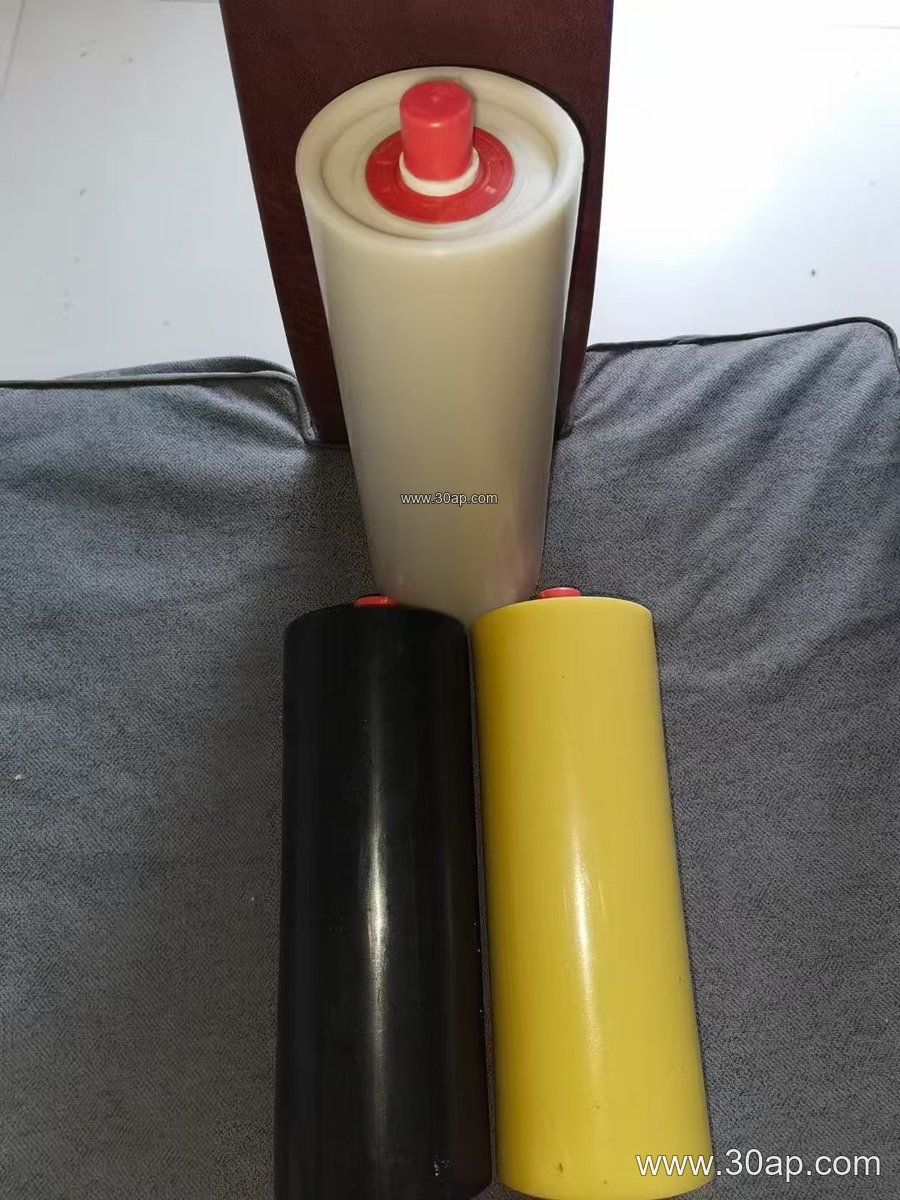
The seal fits into the roller end cap, which is pressed into the tube. Bearing size and roller diameter influence the seal dimensions, but there is no fixed rule that one roller diameter always uses one seal size. Common bearing numbers such as 6204, 6205, 6305, 6306, 6308, and 6310 each have their own housing space, and the seal is matched to that housing rather than to the belt width alone.
Where Idler Seals Matter Most
Dusty, wet, or corrosive environments punish seals. In a cement plant, fine clinker dust penetrates ordinary gaps and grinds bearings to failure. In a power plant coal yard, washdown water and coal fines combine into a abrasive slurry. Underground coal mining conveyor systems face both dust and moisture, and flame retardant conveyor belt installations often require rollers that can survive the same harsh conditions.
Sand and gravel lines, crushing and screening plants, and port ship loading facilities all rely on sealed idler rollers to keep maintenance intervals reasonable. The seal also matters on the return side, where flat return rollers and V-return rollers may be exposed to material spillage. A well-sealed idler roller on a 1200mm wide conveyor belt carrying aggregate can last significantly longer than an unsealed unit, though actual service life depends on the operating environment and maintenance practice.
Seal Types and Roller Families
Different roller types place different demands on the seal. Troughing idlers, transition idlers, and impact idlers all use similar sealing principles, but impact rollers with rubber rings may need extra protection against shock loads that can distort the end cap. Self-aligning idlers, including friction and tapered types, often have seals that accommodate slight shaft movement.
The table below shows common roller diameters and typical belt width ranges where they appear. These are reference examples, not mandatory matches.
| Roller Diameter | Common Belt Width Range | Typical Bearing Examples |
|---|---|---|
| Ø63 mm | B400 to B500 | 6204 |
| Ø76 mm | B500 to B650 | 6204, 6205 |
| Ø89 mm | B650 to B800 | 6205, 6305 |
| Ø102 mm | B800 to B1000 | 6305, 6306 |
| Ø108 mm | B800 to B1000 | 6305, 6306 |
| Ø127 mm | B1000 to B1200 | 6306, 6308 |
| Ø133 mm | B1000 to B1400 | 6308 |
| Ø159 mm | B1200 to B1600 | 6308, 6310 |
| Ø178 mm | B1400 to B1800 | 6310 |
| Ø194 mm | B1600 to B2000 | 6310 |
| Ø219 mm | B1800 to B2400 | 6310 or larger |
Roller length also changes with belt width and trough angle. For a three-roll troughing set, common roller lengths might be around 200 mm for B500, 250 mm for B650, 315 mm for B800, 380 mm for B1000, 465 mm for B1200, 530 mm for B1400, 600 mm for B1600, 670 mm for B1800, and 750 mm for B2000. Side rollers and center rollers can differ, and these figures should be confirmed with the conveyor design.
What Buyers Should Check
When specifying idler seals, ask about the sealing arrangement rather than just the roller diameter. A labyrinth seal with a lip wiper is generally better for dusty conditions than a simple felt seal. For washdown or corrosive service, check whether the seal materials resist water and mild chemicals. In coal mining conveyor belt applications, flame retardant properties may extend to the roller components, and the seal should not compromise that rating.
Also consider the conveyor bracket and frame condition. A worn bracket can misalign the roller and accelerate seal wear. Matching the seal to the actual operating environment, rather than to a catalogue number alone, is the most reliable way to extend roller life. Whether the belt is a heavy-duty mining conveyor belt, an abrasion resistant conveyor belt, or a heat resistant conveyor belt, the idler seal remains a small but decisive part of the whole system.
For more information on conveyor components, visit: www.example.com/idler-roller-seal and www.example.com/conveyor-pulley.