What a Plastic Idler Is
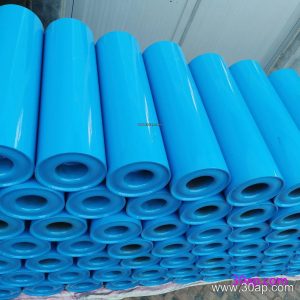
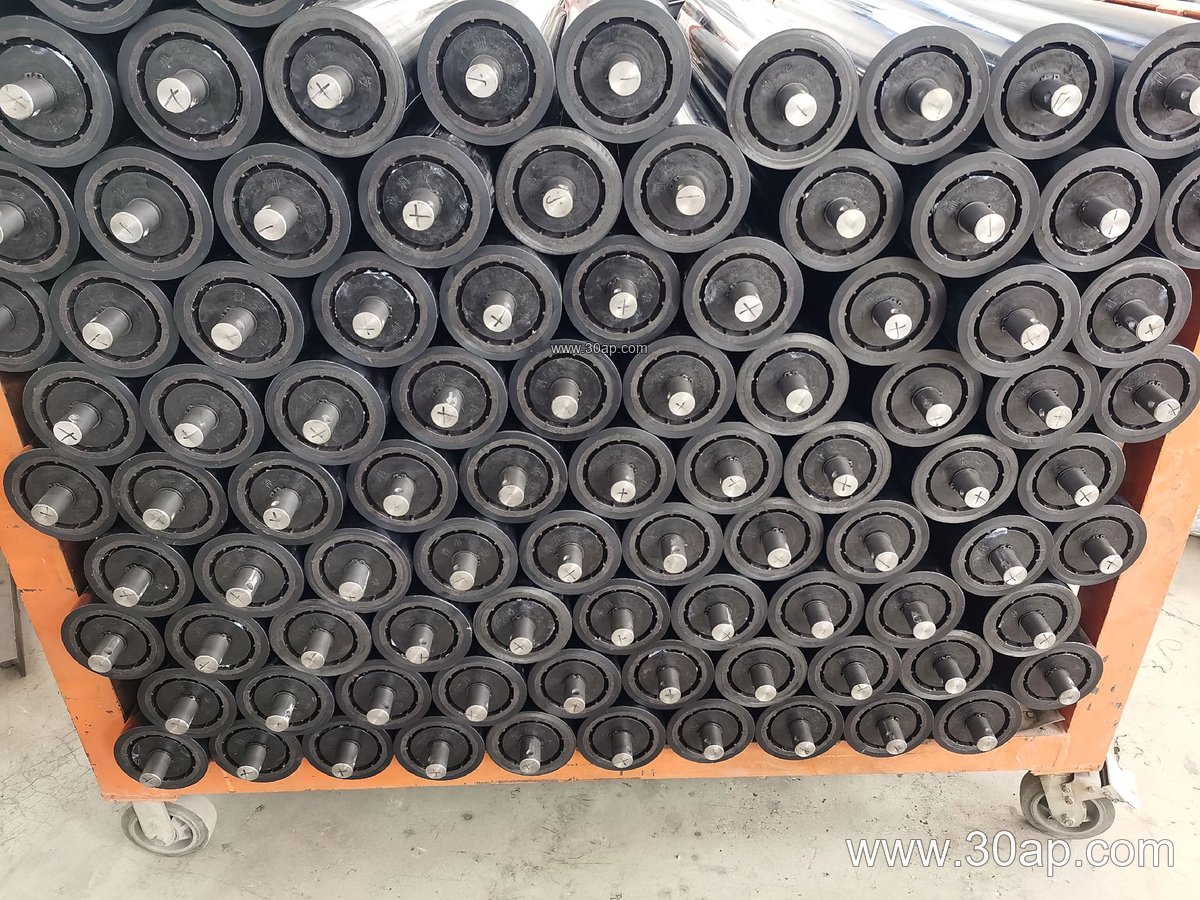
A plastic idler is a conveyor idler roller whose shell is made from engineering polymer rather than the conventional steel tube. It sits under the belt on the carrying side or beneath the return strand, supporting the conveyor belt and letting it travel with low rolling resistance. In many plants the same duty is described simply as a plastic idler roller, and both terms refer to the same component. It is not a drive pulley, a tail pulley or a bend pulley; those are powered or redirecting drums at the ends or corners of the conveyor, while the idler rotates freely and only carries the belt.
Because the shell is non-metallic, the roller is lighter than a comparable steel idler, which makes handling during installation and replacement easier. The polymer surface also tends to shed sticky material and resists corrosion in damp or mildly chemical environments. These properties matter in quarry, cement plant and power plant coal handling lines, where fines and moisture are constant companions.
How the Roller Is Built
A typical plastic idler combines a molded or extruded polymer shell, a steel shaft, sealed bearing housings at each end, and labyrinth or lip seals to keep dust out. The bearings are usually deep-groove ball bearings in common sizes such as 6204, 6205 or 6305, though the exact bearing is chosen by the manufacturer according to load and speed rather than by shell diameter alone. The shaft ends fit into a conveyor bracket or frame, and the roller is retained by a simple slot, pin or clamp arrangement.
- Shell: polymer tube, often with a smooth or slightly textured surface
- Shaft: carbon steel, sometimes zinc plated
- Bearing: sealed ball bearing inside a polymer or metal end cap
- Sealing: multi-stage labyrinth seal for dusty service
- Fixing: bracket-mounted shaft ends, quick-release on some designs
Seal quality is the detail that most affects service life. In a sand and gravel line or a limestone quarry, fine dust that reaches the bearing will shorten life quickly, so a well-designed labyrinth path and a generous grease cavity are worth checking before purchase.
Where Plastic Idlers Fit
These rollers are common on moderate-load conveyors in cement plants, aggregate plants, fertilizer handling, recycling lines and light-duty power plant coal conveyors. They suit the carrying side of a troughed conveyor, the return strand, and transitional positions where a lighter roller reduces belt wear. On a belt feeder or a short transfer conveyor they can replace steel rollers where corrosion or weight is a concern.
They are not a universal substitute for heavy-duty positions. On a high-tension main line carrying a heavy-duty mining conveyor belt or a steel cord conveyor belt over long distances, steel idlers usually remain the standard choice because of their stiffness and heat tolerance. Plastic rollers also have temperature limits, so a heat resistant conveyor belt application in a sintering or clinker area needs a roller rated for that environment. When specifying, match the idler to the actual belt tension and load, not to the belt width alone.
Sizes and Selection Notes
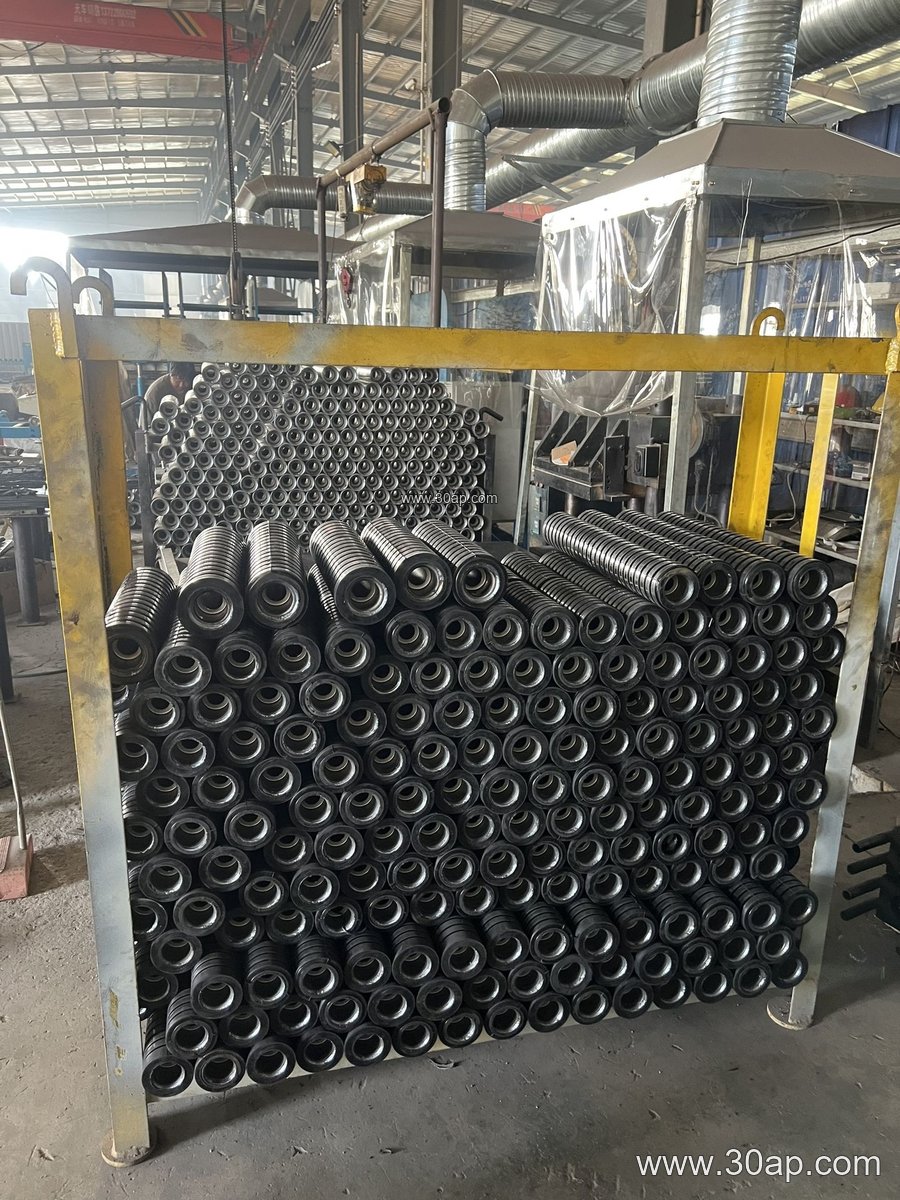
Plastic idlers follow the same diameter and length conventions as other rollers. Common shell diameters include Ø63, Ø76, Ø89, Ø102, Ø108, Ø127 and Ø133 mm, with larger sizes available for heavier duties. Roller length depends on belt width, trough angle and the idler set configuration, so a B800 belt on a three-roll troughing set might use a different roller length from a B1000 line. The table below shows typical reference values only; final dimensions are determined by the conveyor design.
| Belt width | Common troughing roller length (reference) | Typical trough angle |
|---|---|---|
| B500 | about 200 mm | 20 to 35 degrees |
| B650 | about 250 mm | 20 to 35 degrees |
| B800 | about 315 mm | 30 to 35 degrees |
| B1000 | about 380 mm | 30 to 35 degrees |
| B1200 | about 465 mm | 30 to 35 degrees |
| B1400 | about 530 mm | 30 to 45 degrees |
For a troughed carrying run, side rollers and the centre roller may differ in length, and the trough angle influences how the belt seats. A 20-degree set is gentler on the belt edge, while a 35 or 45-degree set gives a deeper trough for higher capacity. Return positions often use a single flat roller or a V-shaped return set to help centre the belt.
Buyer Checklist
Before ordering, confirm the belt width, the idler set type (single, two-roll or three-roll), the required roller diameter, the shaft and bracket interface, and the operating environment. Ask about the bearing size and seal design, and check whether the polymer is suitable for the local temperature and any oil or chemical exposure. For a conveyor handling an abrasive bulk material, the roller surface and seal quality deserve more attention than a small price difference. If the line uses an EP conveyor belt or a fabric core conveyor belt at moderate tension, plastic idlers are often a practical fit; for very high tension or hot material, discuss alternatives with the supplier.
Spare parts planning also matters. Keeping a small stock of the most wearing roller positions reduces downtime when a seized bearing is found during inspection. Regular checks for shell wear, shaft play and seal condition will extend the working life of the whole conveyor.