What a Fixed Conveyor Bracket Does
A fixed conveyor bracket is the stationary support that holds idler rollers at a set position and angle along a conveyor frame. Unlike an adjustable bracket, it is welded or bolted into one geometry, so the trough angle, roller spacing and height stay constant through the life of the installation. In a quarry, a coal handling plant or a cement kiln feed line, this predictability is exactly what maintenance teams want: fewer parts to re-set, fewer chances for a roller to drift out of alignment.
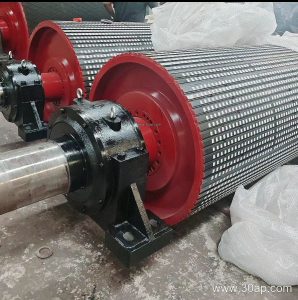
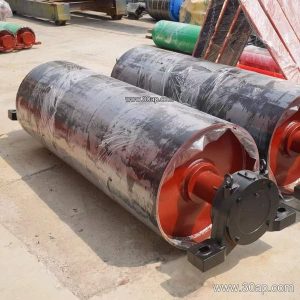
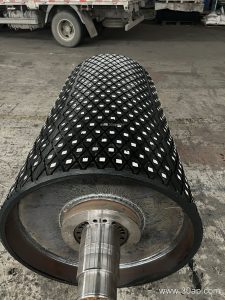
Because the bracket does not move, it must be built to carry steady loads without flexing. Most units are fabricated from angle steel, channel steel or folded steel plate, then drilled for the idler shaft and bolted to the stringer. The result is a simple, robust component that pairs naturally with a conveyor belt, conveyor pulley and the rollers it supports.
Construction and Mounting Positions
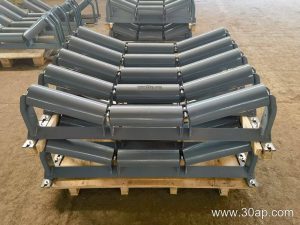
The bracket family covers several positions along the conveyor line. Carry-side troughing brackets hold three or more rollers in a fixed trough profile; return brackets support the belt on its way back; transition brackets sit near a conveyor pulley where the belt changes from troughed to flat. Impact brackets are reinforced for loading zones under a crusher or screen.
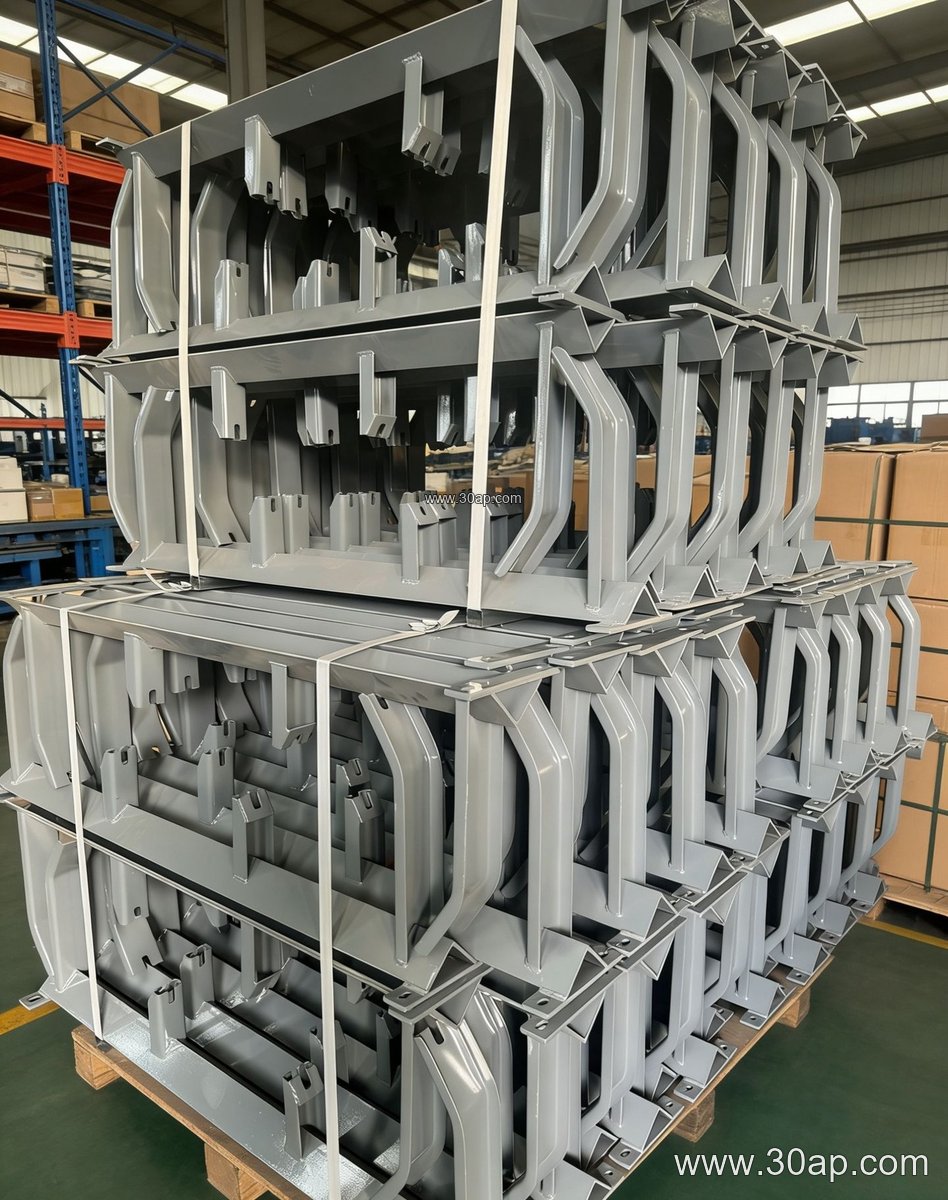
- Troughing bracket: fixed 20, 30, 35 or 45 degree trough angle.
- Return bracket: flat or V-shaped support for the empty strand.
- Transition bracket: gradual change of belt shape close to the pulley.
- Impact bracket: heavier section under chute loading points.
Mounting hole spacing and crossbeam length are determined by belt width and trough angle, so they are confirmed at design stage rather than treated as a universal constant. A bracket made for a B650 frame will not fit a B1400 stringer without modification.
Where Fixed Brackets Are Used
These brackets appear wherever the conveyor profile is settled and long service life matters more than field adjustment. In a limestone quarry feeding a primary crusher, fixed troughing brackets keep the belt in a stable 35 degree profile under a heavy rock load. In a power plant coal yard, they support the belt on long overland runs where vibration and misalignment would otherwise wear the edges. Sand and gravel lines, iron ore stockyards and tunnel spoil conveyors use them for the same reason.
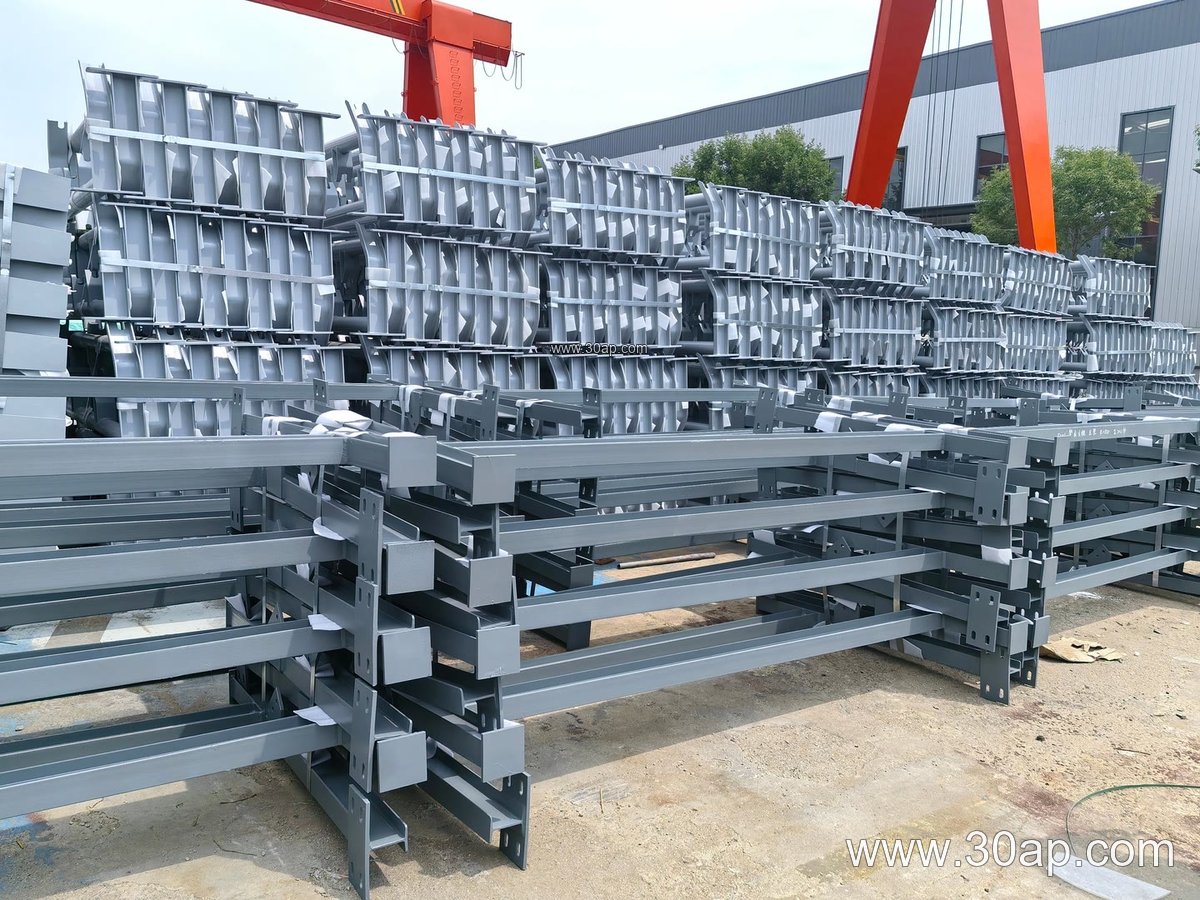
The bracket works together with the rest of the system. A well-supported conveyor belt runs straighter, a conveyor pulley sees less edge loading, and idler roller bearings last longer when the frame does not flex. Matching the bracket to the belt type matters too: a heavy-duty mining conveyor belt or steel cord conveyor belt on a wide frame needs a stiffer bracket section than a light fabric core belt on a short transfer.
Typical Reference Data
The figures below are common reference ranges, not universal specifications. Final values follow the conveyor design, load calculation and site conditions.
| Item | Common reference values |
|---|---|
| Belt width | B500, B650, B800, B1000, B1200, B1400, B1600, B1800, B2000 |
| Trough angle | 20, 30, 35, 45 degrees |
| Roller diameter | Ø89, Ø108, Ø133, Ø159, Ø194 |
| Material | Angle steel, channel steel, folded steel plate |
| Finish | Painted or galvanized, per project requirement |
Useful combinations seen in practice include B800 with 35 degrees and Ø108 rollers, or B1200 with 45 degrees and Ø133 rollers. These are examples only; one belt width does not lock the bracket to a single trough angle or roller diameter.
Buyer Checklist
Before ordering, confirm the belt width, the required trough angle, the roller diameter and the stringer hole pattern. State whether the bracket is for the carry side, return side, transition zone or impact area, since these are different parts and not interchangeable. Ask about steel thickness and coating if the conveyor runs outdoors or in a wet washing plant.
For abrasive duties such as iron ore or clinker, mention the abrasion resistant conveyor belt in use so the bracket and roller selection can be matched to the load. For hot material near a cement kiln or sinter line, note the heat resistant conveyor belt so clearances and roller choice are suitable. In underground coal work, a flame retardant conveyor belt is typical, and the bracket finish should suit the mine atmosphere.
Finally, keep spare brackets for the highest-wear positions. Fixed brackets rarely fail suddenly, but a bent or corroded unit will misalign the rollers and shorten belt life. A small stock of the most common sizes keeps a quarry or port conveyor running through the next shutdown.