What a Q355 Conveyor Bracket Does on a Running Line
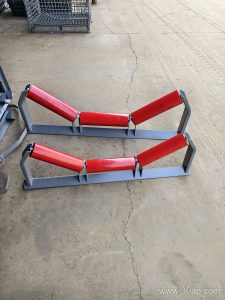
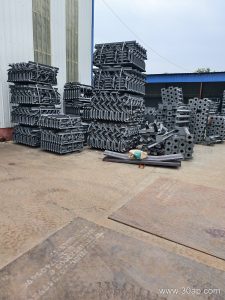
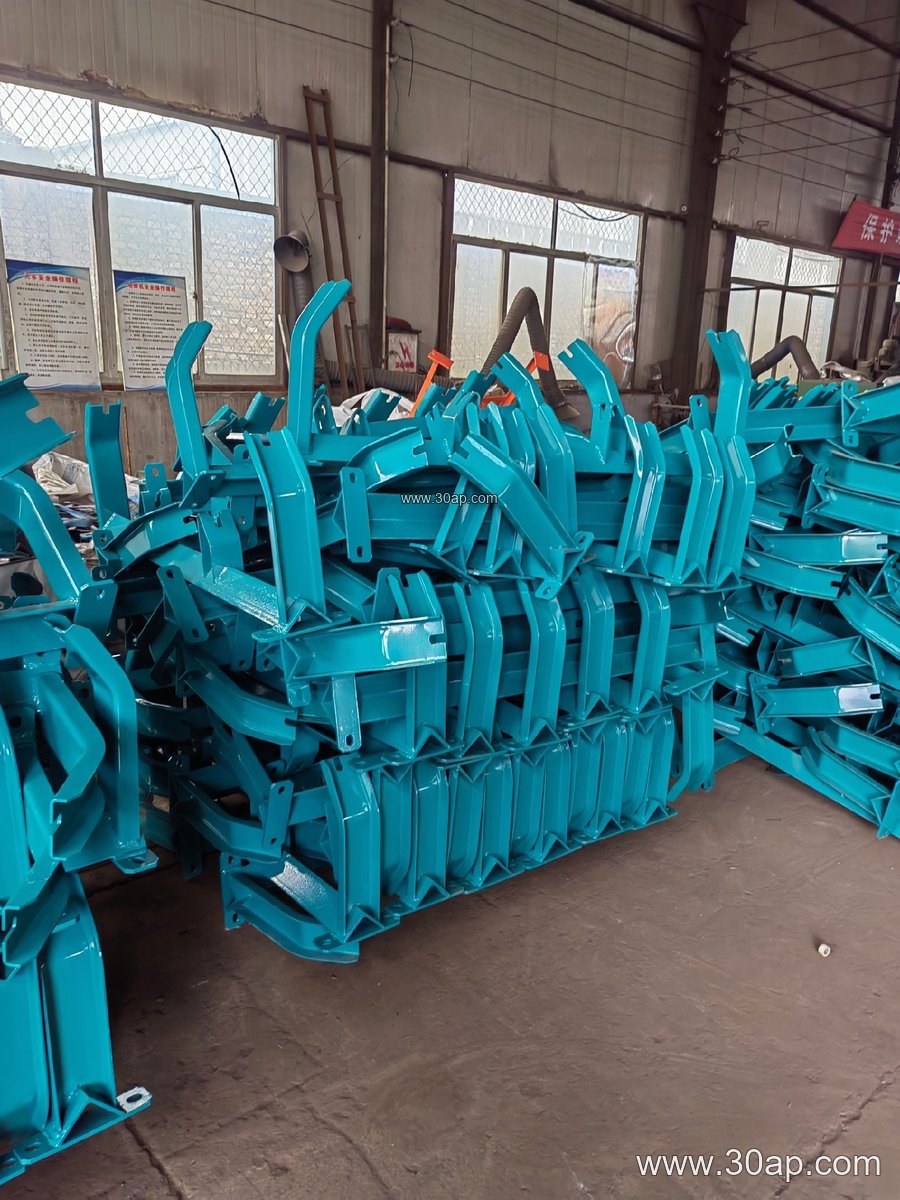
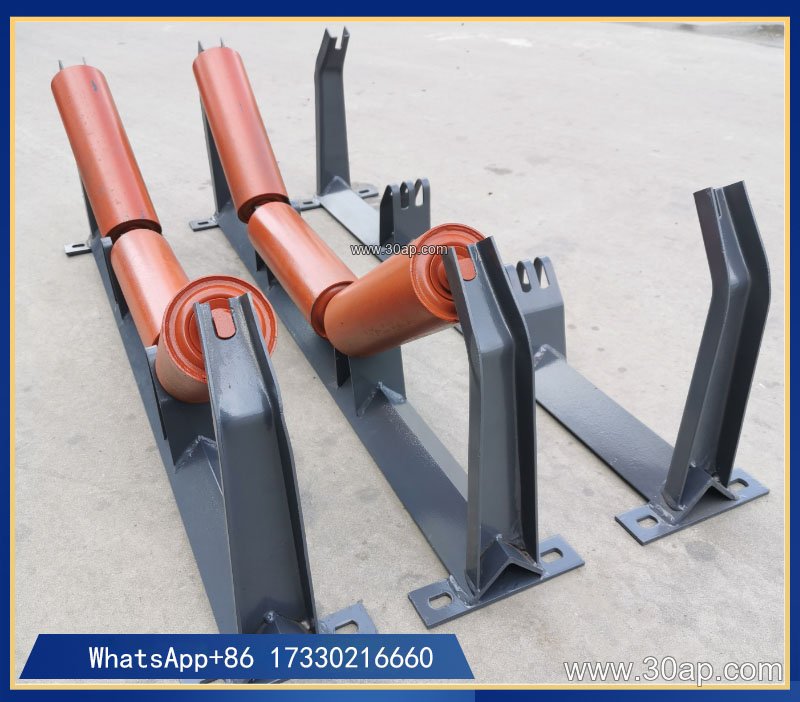
In a stone crushing line or a cement plant transfer tower, the conveyor bracket is the part that turns a simple steel frame into a working support system. The Q355 conveyor bracket is a structural steel component, usually fabricated from angle steel, channel steel, or folded plate, that carries the idler roller sets and holds them at the correct position under the conveyor belt. It is not a wear part in the same sense as the belt itself, but it decides how evenly the load is spread and how long the rollers last.
The Q355 grade refers to the steel’s minimum yield strength, which makes this bracket a sensible choice for heavy bulk handling. When a quarry conveyor belt carries dense rock or an ore conveyor belt moves wet, abrasive material, the bracket has to resist bending and vibration rather than simply hold weight.
Common Bracket Types and Where They Sit
Brackets are usually selected by their position along the conveyor. A troughing bracket supports the carrying side and sets the trough angle. A return bracket supports the belt on its way back, and a V-type return bracket helps centre the belt. Transition brackets sit near the pulleys, where the belt changes from flat to troughed. Impact brackets are placed at loading points, and self-aligning brackets are used where belt tracking is a concern.
- Troughing and upper troughing brackets: carrying side, 20 to 45 degree trough angles
- Transition brackets: between the pulley and the first full trough set
- Return and V-return brackets: return strand support and belt centring
- Impact brackets: under chutes and transfer points
- Self-aligning and forward-leaning brackets: tracking correction, often about 1.5 to 2 degrees of forward lean
- Adjustable brackets: trough angle can be changed on site
A fixed bracket and an adjustable bracket are sometimes compared on the same line. The fixed version is simpler and stiffer; the adjustable one lets maintenance staff fine-tune the trough angle as belt conditions change.
Matching Bracket, Belt Width and Roller Diameter
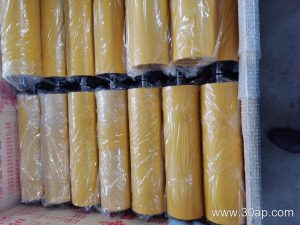
Belt width and roller diameter are the two figures that shape the bracket most. A B800 line with a 35 degree trough and Ø108 rollers is a common combination in aggregate plants, while a B1200 line at 45 degrees with Ø133 rollers suits higher tonnage. Wider belts such as B1600 or B1800 generally need longer cross beams and heavier sections. These are reference combinations, not fixed rules: the same belt width can work with more than one trough angle or roller diameter depending on the load and the conveyor design.
Installation hole spacing and beam length change with belt width and trough angle, so they should be confirmed against the conveyor drawing rather than assumed. The table below shows typical reference values only.
| Belt width | Typical trough angle | Common roller diameter | Bracket material |
|---|---|---|---|
| B500 / B650 | 20 to 30 degrees | Ø89 | Angle steel or folded plate |
| B800 / B1000 | 30 to 35 degrees | Ø108 | Channel steel |
| B1200 / B1400 | 35 to 45 degrees | Ø133 | Channel steel or folded plate |
| B1600 / B1800 | 35 to 45 degrees | Ø159 | Heavy channel or folded plate |
| B2000 and above | 35 to 45 degrees | Ø194 | Fabricated heavy section |
Where a wide conveyor belt runs at high speed, the bracket and the idler roller should be reviewed together, because roller spacing and bracket stiffness affect belt sag.
Applications Across Bulk Handling Industries
Q355 brackets appear in coal preparation plants, power station coal yards, iron ore handling, and sand and gravel lines. In a coal mining conveyor system, flame retardant conveyor belt and anti-static conveyor belt are often specified, and the bracket must be compatible with the roller frames used there. In a cement plant, heat resistant conveyor belt may be needed near clinker, and the bracket should keep its alignment despite thermal cycling.
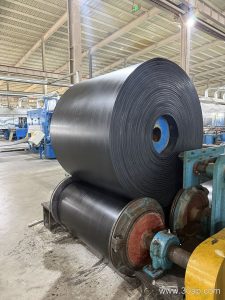
The same bracket design is used with EP conveyor belt, NN conveyor belt, and steel cord conveyor belt constructions, since the bracket works with the roller set rather than the belt carcass. At a port or ship loading facility, a heavy-duty conveyor bracket with a robust return support helps handle continuous duty. The bracket also matters on crusher conveyor belt lines, where impact and vibration are constant.
Buyer Checklist Before Ordering
Before placing an order, confirm the belt width, trough angle, roller diameter, mounting hole pattern, and the bracket type for each position. Ask whether the bracket is fixed or adjustable, and check the steel section against the calculated load. Surface treatment, such as painting or galvanising, should be agreed in advance. Buyers should also confirm that the bracket fits the existing conveyor pulley and idler roller frames, because a mismatch at the mounting holes causes delays during installation.
For more details on compatible conveyor components, visit www.example.com/conveyor-bracket or contact the supplier with the conveyor drawing.